Kazakhstani developers have created Bult.ai — a service that simplifies the launch of IT products and has already entered the US market
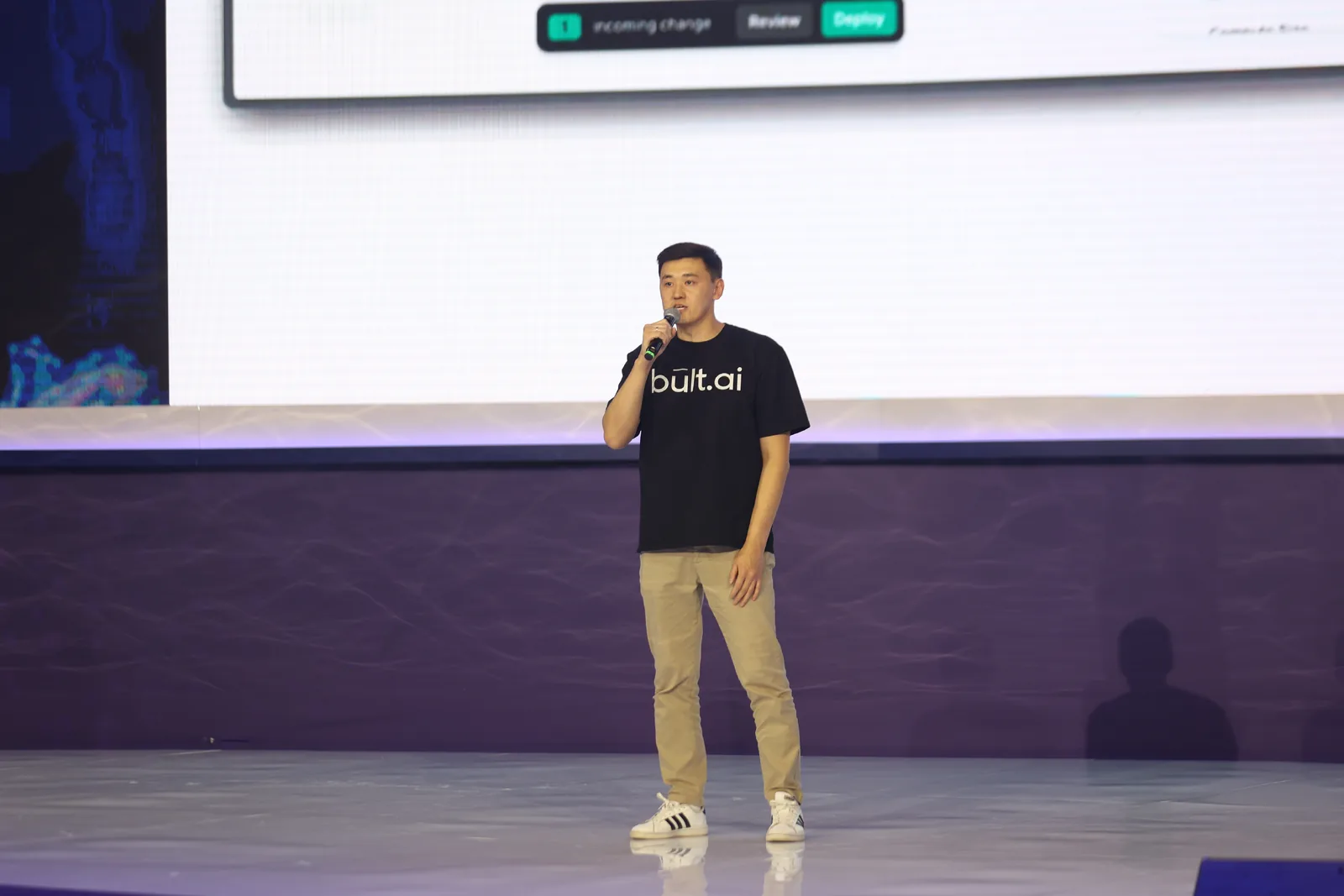
The Tech AI
Get the key points in seconds - a short summary from The Tech AI.
The Astana-based Kazakh team created Bult.ai — a platform for automating the deployment of full-stack applications. Founders Nursultan Dyusebayev, Olzhas Satiev, and Zhandos Bermukhamedov launched the project in summer 2024. In 2026, the startup became the first team from the region accepted into the American MassChallenge accelerator and began developing its B2B direction.
The Kazakh team created Bult.ai — a platform that automates the deployment of full-stack applications and manages cloud infrastructure. The startup is already developing its B2B segment in Kazakhstan, has completed several international accelerator programs, and in 2026 became the first team from the region accepted into the American MassChallenge.
Nursultan Dyusebayev, city — Astana, CPO at Bult.ai, LinkedIn
How it all began
I have been working in the IT industry for 15 years, and this is not my first startup. I studied and worked in Kazakhstan and the US, including three years in Silicon Valley at major IT companies. In Kazakhstan, I also worked in various sectors — from quasi-state organizations and startups to private and large companies.
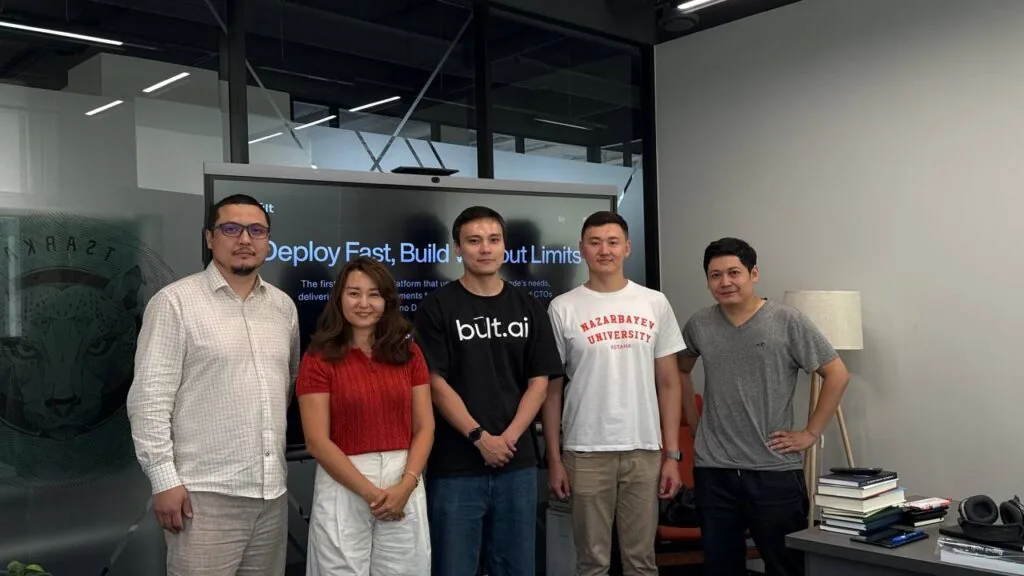
My experience is related to development, product management, management, and creating startups. In the startup, I hold the position of CPO — Chief Product Officer. The team also includes the founder and owner of TsARKA, Olzhas Satiev, and CTO Zhandos Bermukhametov. The core team consists of three people.
The project is called Bult.ai. It started in the summer of 2024. The idea arose from the experience of working within TsARKA, where we often launched different projects. Each time it took a lot of time: it was necessary to set up a server, allocate computing resources, connect a DevOps engineer, develop and host the site, and then repeat these processes with every update. In addition, it was necessary to ensure security, configure infrastructure, connect domains, and perform other technical tasks. Even launching a small IT project required numerous actions, and subsequent updates and improvements also took time.
Therefore, the idea arose to automate the work of DevOps engineers. If these processes are automated, the team can focus directly on developing the project, its features, and new capabilities, while other settings will be performed automatically using internal tools.
Startup launch
As a result, Bult.ai was created — a DeepTech startup in the field of cloud technologies that developed a platform for automating deploy, i.e., the deployment of full-stack applications — from static sites to large internet resources.
To launch, it is enough to connect the project, for example, via GitHub. The platform automatically configures the necessary parameters and manages the infrastructure. The user can choose the deployment region, including Kazakhstan or foreign regions, if the product is aimed at international traffic. Everything can be managed in one interface, including using artificial intelligence tools.
Target audience
Our main clients are startups of various sizes. Large enterprise-level companies require additional conditions from us: certifications, security checks, and other requirements. They are not yet ready to immediately provide access to their databases, code, and servers.
Therefore, we are currently developing the enterprise segment and want to make our platform ready for working with American companies. In the future, we plan to attract exactly such clients.
Currently, our partners include Astana Hub, TsARKA, and Freedom Cloud. In addition, we cooperate with a number of other companies and are considering the possibility of attracting new clients through the partner network.
Incubation programs
In the fall of 2024, we went to Draper University as part of the Hero Training accelerator program, organized by Astana Hub and Draper University. The program lasted about a month. Representatives of Replit — a company that develops a similar system for creating full-stack applications and automating their deployment — spoke there. We discussed the product with them, studied the American market, and after the program formed a roadmap. Then we spent about a year developing and improving the platform.
In 2025, we participated in a program in Silicon Valley, organized by Silkroad Innovation Hub and partner organizations. By this time, we already had a ready-made product and first users, so the main focus shifted to fundraising and working with investors. We participated in events, communicated with investors, and received feedback.
In 2026, we began developing the B2B segment in Kazakhstan. Since we are based in Astana, we decided to start with the local market and attract the first B2B clients. Until then, our servers were located abroad, so we began looking for an infrastructure partner. As a result, we began cooperating with Freedom Cloud, and now our Kazakh computing resources are with them.
We also launched a pilot with Astana Hub — an integration for residents with their new Alem Plus platform, which provides special usage conditions.
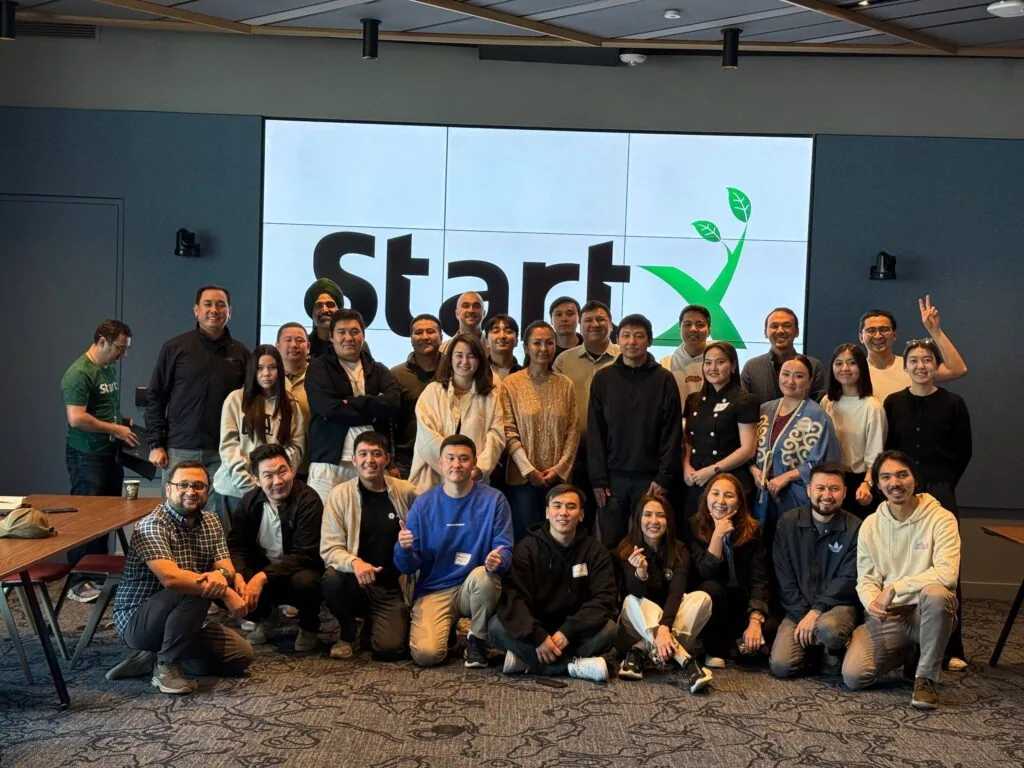
After that, we began applying to foreign accelerators. We reached the final round of StartX, but did not pass further. Then we were accepted into Alchemist Accelerator. We also completed the GoAbroad program and got into MassChallenge thanks to the Sustainable Innovation and Technology Fund, SITF, and Jas Ventures.
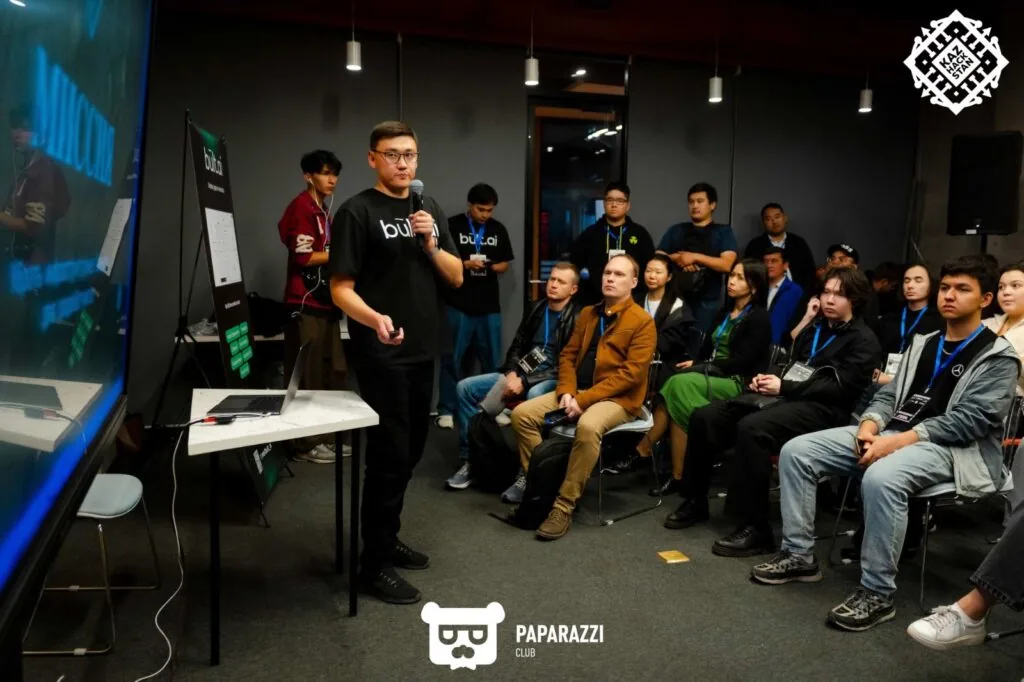
In late August, we began onboarding and received mentors, including specialists from PayPal. They will help with fundraising, finding pilot enterprise clients, and preparing for work with large companies. The ten-week program in Boston will take place from September to November.
Almost 99% of the funds in the startup were invested by the founders themselves. After being selected for MassChallenge, we also received small funding from partners to participate in the program.
Difficulties
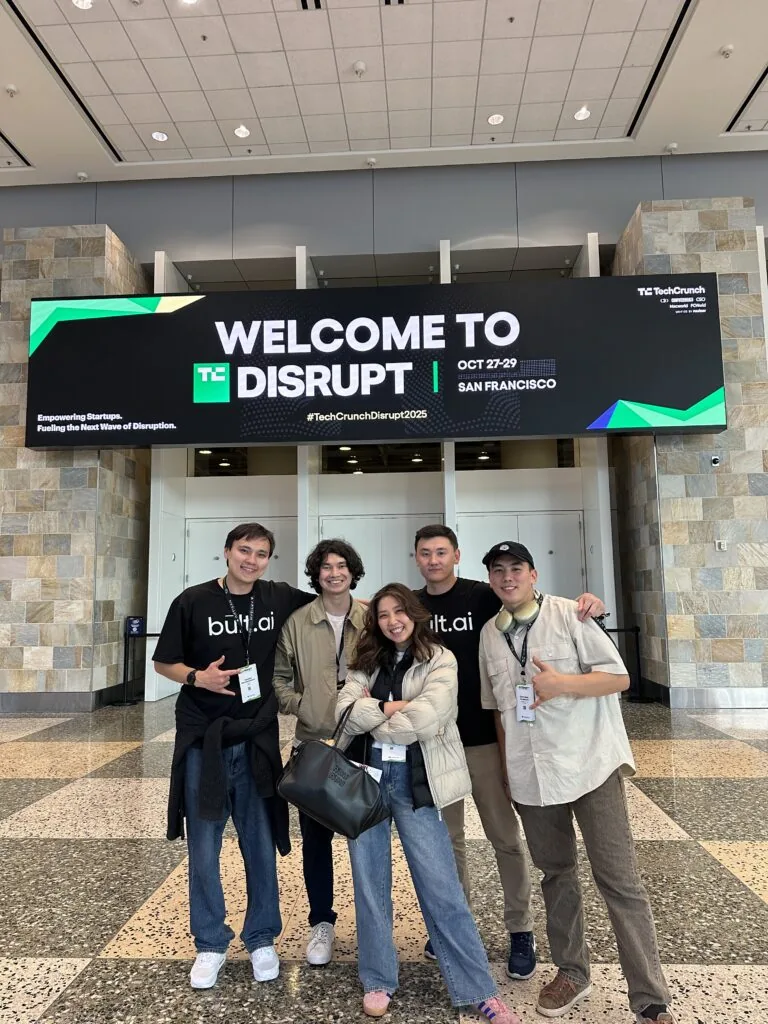
In general, a startup is about survival. One of the main difficulties for us is the limitation of resources. In Kazakhstan, DeepTech projects are not yet so popular and receive less investment and promotion. Here, there is mainly more interest in SaaS companies and projects that work around large clients.
Therefore, for a DeepTech startup, it is necessary to orient towards foreign markets early. Many companies in this field attract investments in the US, Singapore, Middle Eastern countries, and other regions. At the same time, a certain dilemma arises: in Kazakhstan, a startup may be expected to have an American story, but at the same time, they want to see traction specifically in the local market. For American investors, Kazakh traction has much less significance and can rather serve as proof of the presence of an MVP. Therefore, it is important to develop traction in the market where the startup plans to attract investments.
For us, a separate difficulty was entering the American market. We studied the B2C segment and understood that it requires large marketing budgets — several million dollars just for launching campaigns. The American market is also different from Kazakhstan: it is not enough to simply launch targeted advertising; it is necessary to attract expensive specialists.
Therefore, we decided to focus on B2B. In this direction, it is possible to receive revenue from clients faster, develop the product, and with certain traction go to investors.
Another difficulty is working with enterprise companies. They require a large number of checks, certifications, and security guarantees. Large companies are not ready to immediately provide access to their databases, code, and servers, even to American companies. Therefore, we now need to go through the enterprise readiness stage and prepare the platform for the requirements of large clients.
Achievements
In September 2025, we launched the first version on Product Hunt — an American platform for launching and promoting new products. From the first launch, the team received attention from the editorial team and got on the main page of the platform. On the day of the launch, we took 12th place in the rating. This gave us our first noticeable traction: about 40% of users were from the US, the rest were from different countries.
An important stage was participation in international accelerator programs. We completed Hero Training and Draper University, participated in the program in Silicon Valley, reached the final round of StartX, and passed into Alchemist Accelerator.
In 2026, we became the first team from our region to pass into MassChallenge. In August, the accelerator took second place in the rating of US accelerators and incubators according to Time Magazine.
Plans
The nearest goal is to complete MassChallenge and attract strong advisors from large American enterprise-level C-level companies to the board of directors. They will be able to help us with experience, networking, investments, and access to enterprise clients.
By the end of the year, we plan to launch pilot projects, attract strategic advisors, and after that begin full-scale fundraising.
Our goal is to raise $3-5 million. The main focus now is B2B and the enterprise segment in the US. It is important for us to prove the demand for the product in the American market, get the first enterprise clients, and based on this traction, continue to attract investments and scale the platform.
The Tech on Telegram Follow The Tech on Telegram
Keep up with the latest technology and startup news.
Related reading






More from this author

Article Useful
How to protect your accounts from hacking: 8 settings you should check today
The Tech

Article Useful
500 Global: How the Accelerator Works and Who Can Receive Investments
The Tech

Article Interviews
Game Development in Central Asia: Arkady Moldavski on Developing Reverb and the Growth of the Industry
The Tech

Article Useful
Google, Tesla, BlackRock, and the IMF: Where to Apply for an Internship in Fall 2026
The Tech

News IT
Tesla unveiled the flying electric car Roadster
The Tech

News IT
Intero Biosystems startup won the Startup Battlefield at TechCrunch Disrupt 2026
The Tech