How to launch a startup, manage it, and test initial hypotheses
Author - Mansur Ismagulov
The Tech AI
Get the key points in seconds - a short summary from The Tech AI.
Alexander Kim and Rustem Itemirov, co-founders of Plix.kz and Dede Shop, share their experience in launching startups. They emphasize the importance of market research and testing hypotheses through MVPs. Completing the incubation program at ABC Incubator by NURIS helped them make their first sales and secure Pre-Seed funding at the Demo Day.
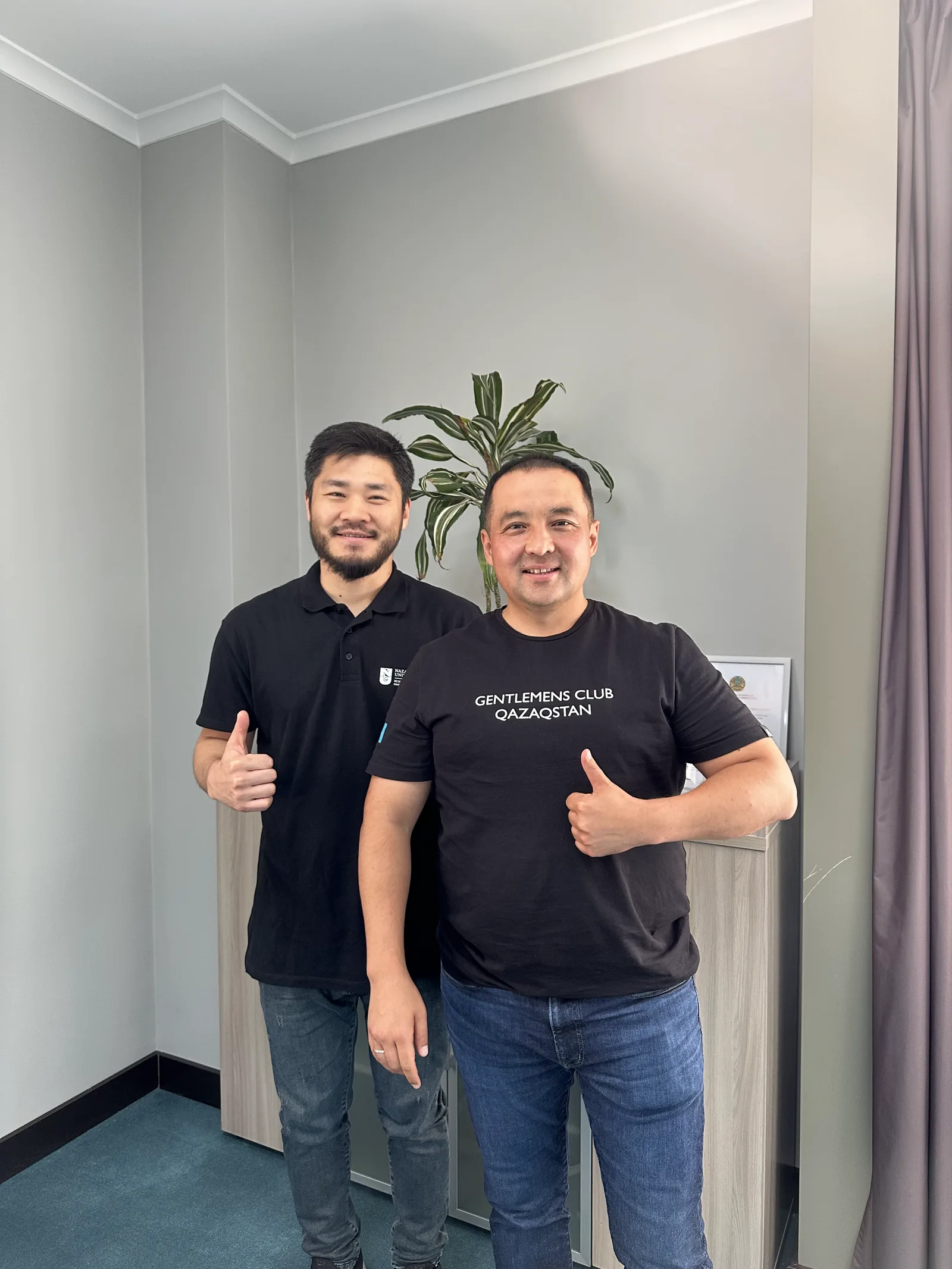
Alexander Kim, city — Astana, co-founder of Plix.kz and Dede Shop startups, @alexk1m
Rustem Itemirov, city — Astana, co-founder of Plix.kz and Dede Shop startups, @rustem_cvl
Launching a startup is an exciting yet complex process that requires careful planning and continuous research. Rustem and Alexander share their experience in launching their projects, discussing their first steps and how they approached testing hypotheses that helped determine product demand.
Market Research: The First Step to Success
Every successful startup begins with thorough market research. It is important to understand whether there is money and demand in the chosen segment. To do this, you need to:
- Study competitors. Understand what is already offered in the market, which products are popular, and which problems remain unsolved.
- Research customers. Understand their behavior, motivation, and needs.
Alexander Kim
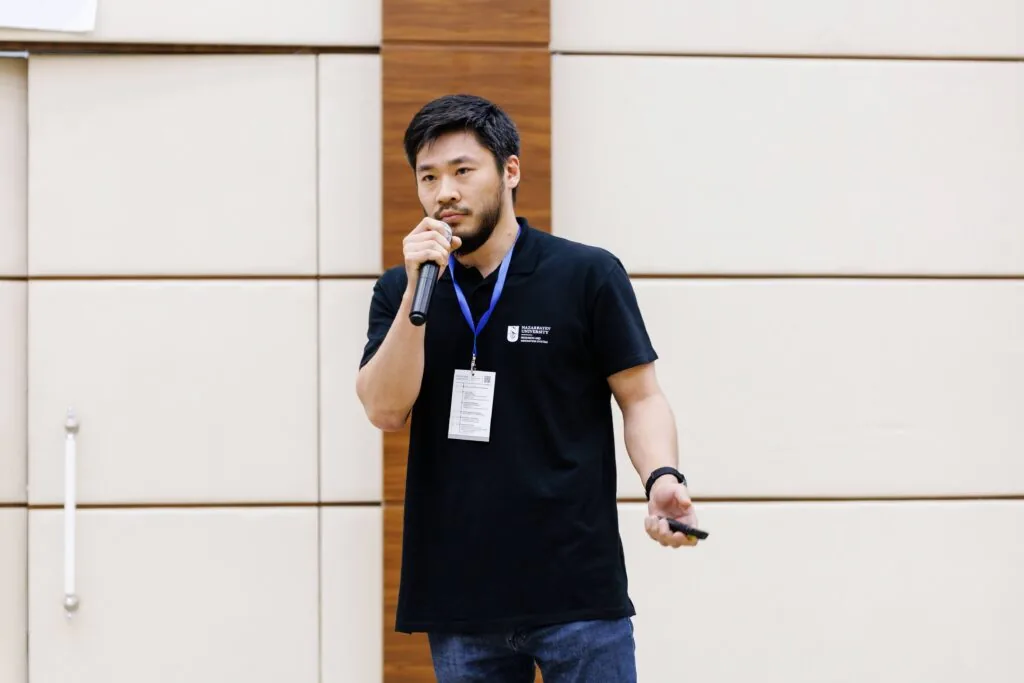
In our case, the idea for creating Plix.kz arose from observations and the experience of my partner and co-founder, Rustem Itemirov, who had extensive experience in construction and his own WhatsApp communities. We started by researching customers and the market to identify problems and needs, and then began preparing a solution.
Creating an MVP and Testing Hypotheses
The next step was creating a minimum viable product (MVP), which we developed together with our third co-founder, Marat Kazguzhin, our Chief Technology Officer. Based on the completed MVP, we began testing our first hypotheses.
Rustem Itemirov
Testing hypotheses is a crucial stage that allows you to understand whether the market is ready to accept your solution. We started with initial sales and deals, which helped us confirm the existence of demand.
The greatest motivation comes from the moment when customers confirm the value of the product with their money. However, it is important to understand that in startups, most hypotheses may turn out to be incorrect. According to statistics, 9 out of 10 hypotheses fail, but we did not give up and continued our research.

Incubation and Traction
To boost motivation and accelerate development, we went through incubation at ABC Incubator by NURIS. This allowed us to:
— maintain traction under the pressure of trackers
— make our first sales
— start earning money.
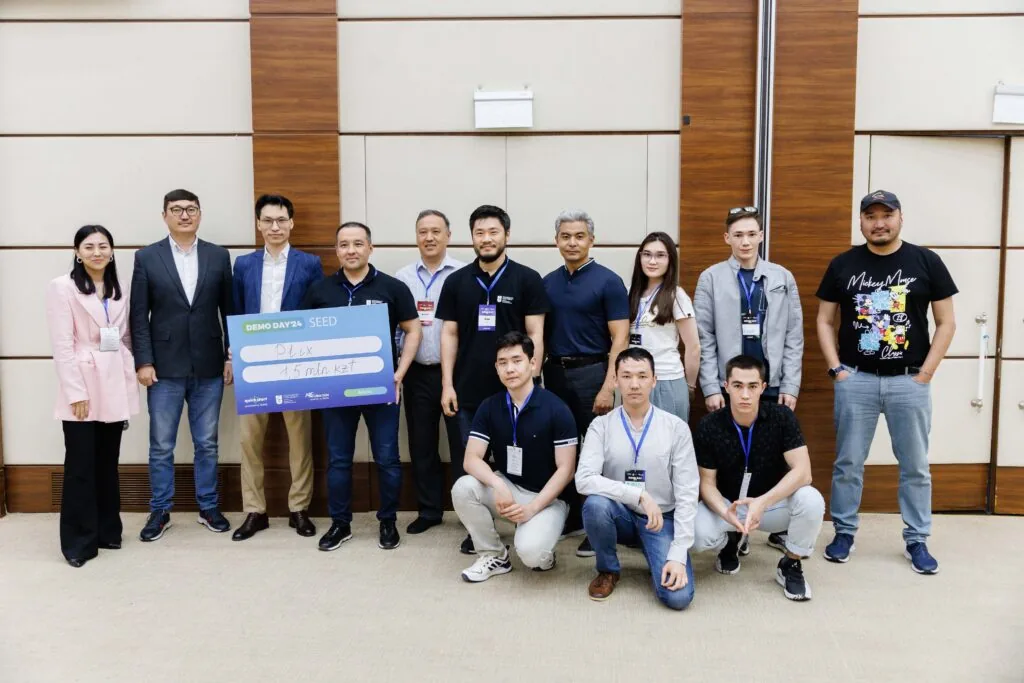
As a result of the Demo Day, we won Pre-Seed funding, which we invested in product development. This helped keep the team motivated and improve product quality.
Advice for Startups
- Start with quality research. Understanding the market and customer needs is the foundation of success.
- Find the right segment and problem. Do not create a solution for the sake of creating one; solve real problems.
- Do not lose motivation and keep moving forward. Failures are part of the process. If there is demand and a paying segment, continue searching and testing new hypotheses.
Launching a startup is a constant forward movement. Research, test, adapt, and do not give up. Good luck with your endeavors!
The Tech on Telegram Follow The Tech on Telegram
Keep up with the latest technology and startup news.
Related reading





More from this author

News
zypl.ai begins operations in Japan and focuses on next-generation risk models
Mansur Ismagulov

News
Elon Musk's net worth has exceeded $700 billion for the first time
Mansur Ismagulov
Article Interviews
"Central Asian countries should build a joint ecosystem," — Bekhzod Ismoilov on the development of AI in the region
Mansur Ismagulov

Article Interviews
Bloom's Taxonomy and Engineering Levels: A Practical Growth Model
Mansur Ismagulov

Article Useful
How the IT industry in Azerbaijan developed in 2025: key events
Mansur Ismagulov
News
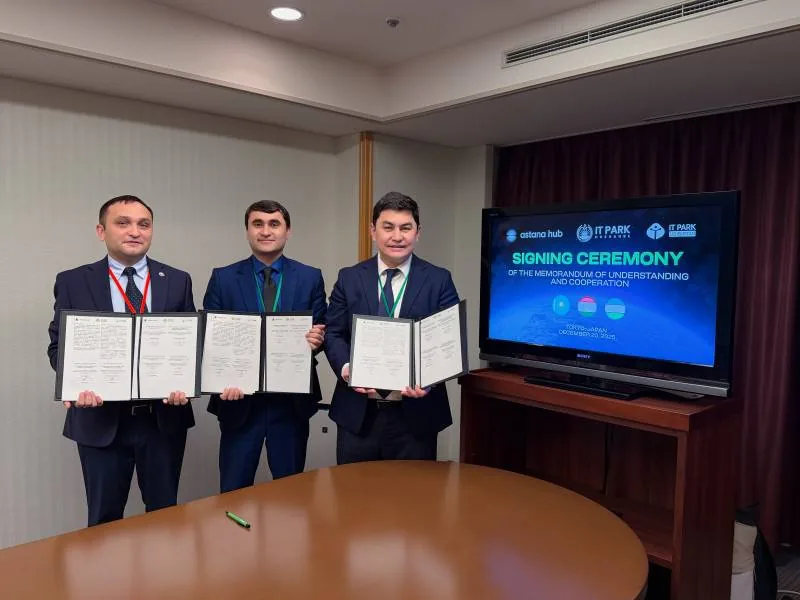
Tajikistan has become a new member of the regional innovation alliance Central Asian Innovation Hubs
Mansur Ismagulov