How to get a job at Tesla: Niloufar Salimi's experience
Author - Mansur Ismagulov
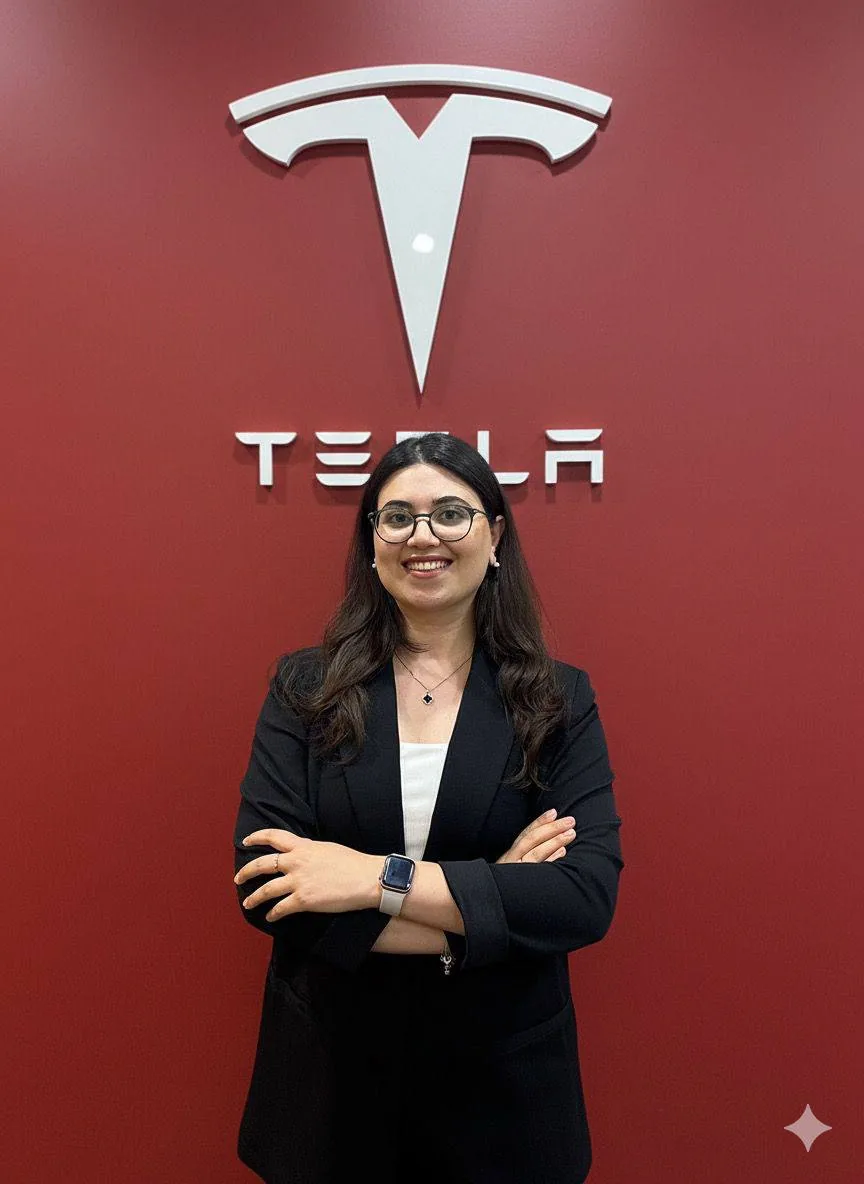
Read Nilufar’s story from Azerbaijan, who works at one of the world’s largest companies — Tesla. She shares detailed insights about working at the company and offers valuable advice for those seeking employment abroad.
Nilufar Salimi, city — Utrecht, Senior Business Intelligence Analyst, Instagram
About Me
I am from Azerbaijan, currently living in the Netherlands, and working at Tesla as a Senior Business Intelligence Analyst. I joined the company four months ago, but I already have five years of experience in the field of Business Analysis and Business Intelligence.
How to Get into Tesla
After six years in Estonia, I felt it was time for new adventures and chose the Netherlands. When I started looking for a job, I learned that Tesla has an office in Amsterdam. Over the course of two years, I occasionally applied there, and one day I was invited for an interview. Working for a global company with such significant influence has always been my dream, and joining Tesla made that dream come true.
Unlike many companies with long and complicated tech interviews, the process at Tesla turned out to be simple and clear. There were only four stages, including a technical assignment. It was one of the best interview experiences — everything was clear, transparent, and with understandable expectations at each step.
The stages included an HR interview, completing a technical assignment, an interview with the hiring manager, and a final meeting with leadership and stakeholders.
Advice for Those Who Want to Join an International Company
For me, there are several key success factors:
Confidence. This is the strongest weapon — it helps make a good impression on the manager and believe in yourself. The more confidence you have, the better you articulate your thoughts, and the more people believe in you.
Honesty about your values. Be direct about what motivates you and what doesn’t. Don’t be afraid to ask questions in return. An interview is always a two-way process; it’s important to understand whether you are a good fit for each other.
Work Features
Currently, I work in the Infrastructure Development department, which is responsible for building and managing Tesla locations. As a BI analyst, I create reports and dashboards for teams, as well as automate data pipelines to optimize processes.
My tools: SQL for data extraction, Python for scripts, Power BI for visualizations, and Power Apps for automations.
The biggest challenge in my work has always been people. You need to understand what they really want and offer an even better solution. Often, requests do not align with the optimal option from an analytical and data perspective.
An analyst must be curious, know how to ask the right questions, and possess mathematical thinking. Knowledge of statistics, predictive modeling, and data modeling is important. The technical foundation includes SQL, Python or R, and one visualization tool: Power BI, Tableau, or Looker.
What I value most about Tesla is the freedom to make decisions and openness to initiatives. Any improvements are welcome here; you can try new approaches and simplify your colleagues’ work. The atmosphere of an international team provides the opportunity to learn from people around the world and see different approaches. Yes, there are cultural differences, and sometimes it takes time to build communication, but the advantages clearly outweigh the drawbacks.
From the first day, I felt like part of the team — colleagues immediately included me in conversations and helped me adapt.
I am convinced: in any job, the most important thing is to understand your goals. If you know where you are going, all that remains is to take action. As my professor used to say: “If you have no direction in the ocean, your ship will sink, no matter how good a captain you are.”
About Life Abroad
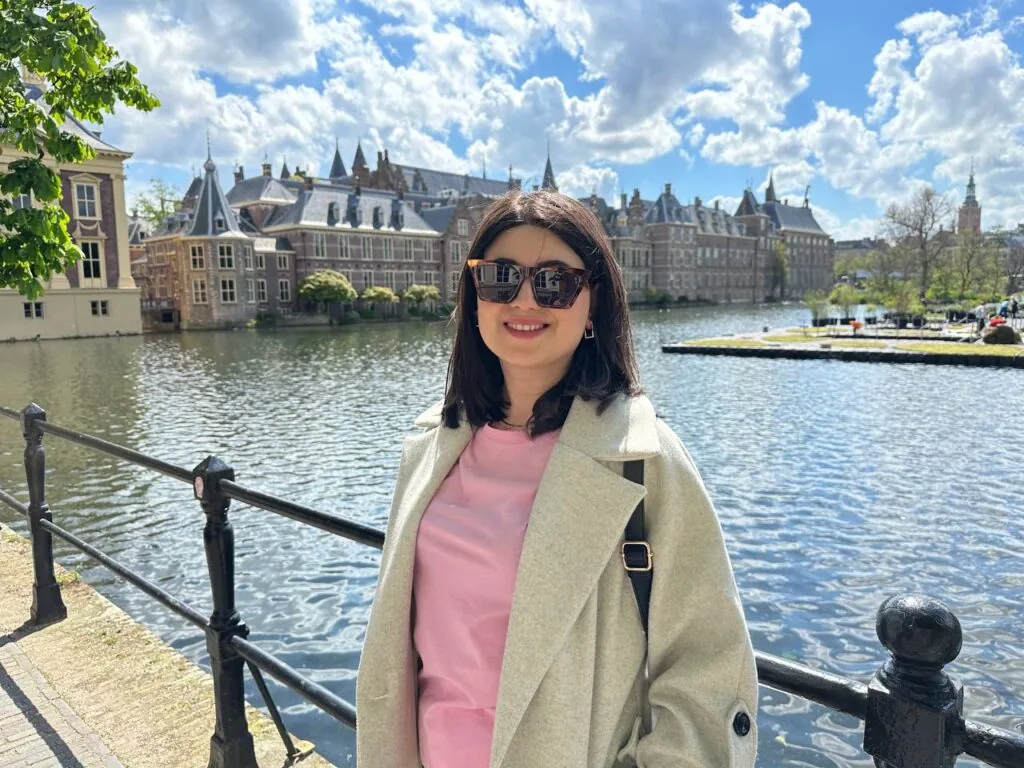
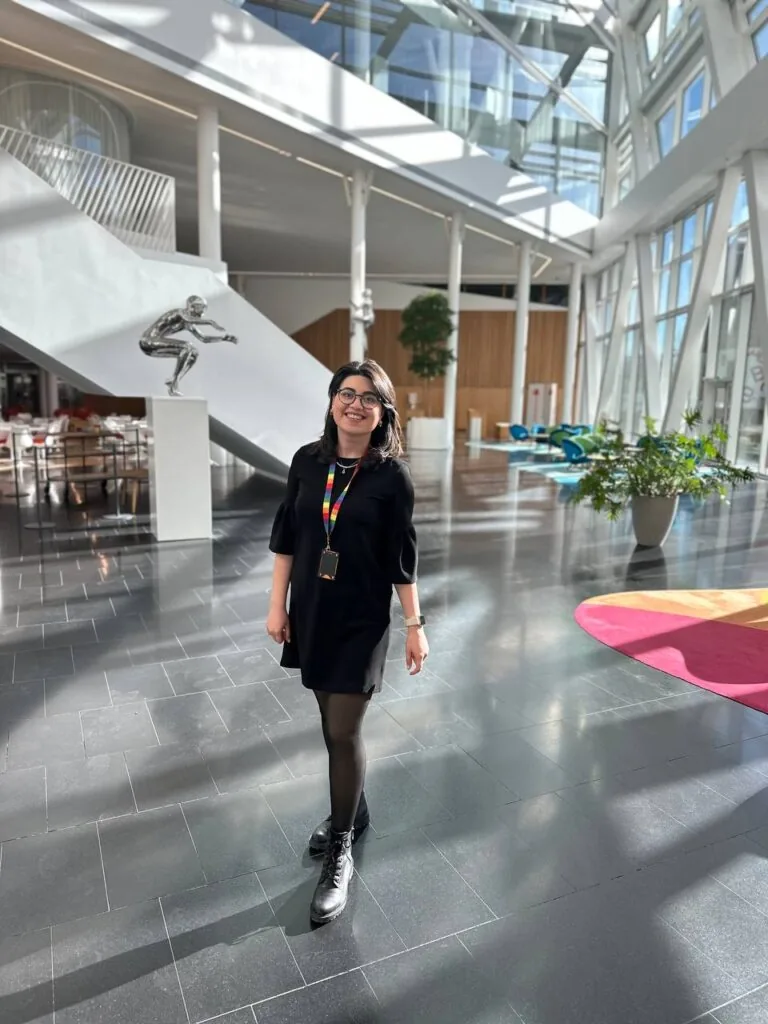
My life in Europe began in Estonia. After completing my bachelor’s degree in international economics at the Azerbaijan State University of Economics, I decided to deepen my knowledge in analytics and enrolled in a master’s program in quantitative economics at the University of Tartu. After graduation, I lived and worked in Estonia for six years, and then moved to the Netherlands.
The company helped with relocation: they provided a bonus and legal support for visa processing and tax benefits. There were also onboarding courses — both general ones and within the team.
In Azerbaijan, I worked for only a year, but even there I was in a company with a startup culture. If we compare, the main difference in Europe is the balance between work and personal life, as well as the value placed on people and their skills. In Azerbaijan, not all companies have a strong corporate culture yet, but there are progressive examples.
For those who want to move and work abroad: keep in mind that competition is not only with your fellow countrymen, but also with specialists from all over the world. Keep applying and learn from every job posting. Analyze the requirements, improve your skills, and build a portfolio: GitHub, projects, and case studies in your CV.
The most important thing is to start acting today. Don’t delay. I hope my story inspires you and helps you believe in your own strength. Nothing is impossible — you just need to work on it.
The Tech on Telegram Follow The Tech on Telegram
Keep up with the latest technology and startup news.
Related reading







More from this author

News
zypl.ai begins operations in Japan and focuses on next-generation risk models
Mansur Ismagulov

News
Elon Musk's net worth has exceeded $700 billion for the first time
Mansur Ismagulov

Article Interviews
"Central Asian countries should build a joint ecosystem," — Bekhzod Ismoilov on the development of AI in the region
Mansur Ismagulov

Article Interviews
Bloom's Taxonomy and Engineering Levels: A Practical Growth Model
Mansur Ismagulov

Article Useful
How the IT industry in Azerbaijan developed in 2025: key events
Mansur Ismagulov

News
Tajikistan has become a new member of the regional innovation alliance Central Asian Innovation Hubs.
Mansur Ismagulov