How to get hired at LinkedIn without a computer science degree: Bektura Elebesov's experience
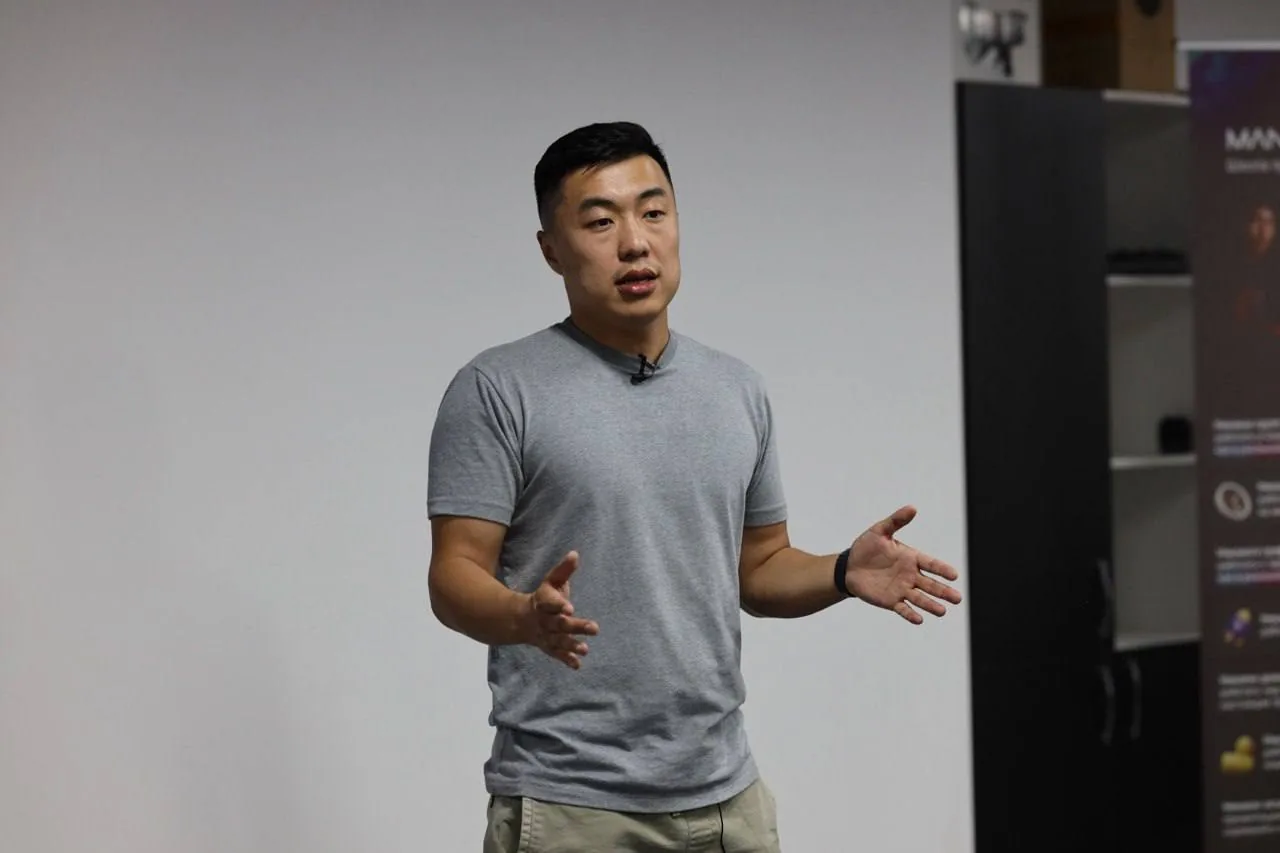
Bektur Elebesov from Kyrgyzstan managed to get a job at LinkedIn, one of the largest IT companies in the world. He shared how he achieved this, where he started, and what steps helped him realize his dream. Read the full interview in our article.
Author - Mansur Ismagulov
The Tech AI
Get the key points in seconds - a short summary from The Tech AI.
Bektur Elebesov has been working as a programmer at LinkedIn (San Francisco) for four years, having progressed from the Apprenticeship program without a degree. He uses JavaScript in the LinkedIn Learning project and emphasizes the importance of English language skills and communication. The company assisted with his relocation from New York, providing logistics and housing.
Bektur Elebesov, city — San Francisco, software engineer
About me
I have been working at LinkedIn in San Francisco for four years. My journey to the company began with the Apprenticeship program. Without a computer science degree, I first completed a course at a bootcamp in New York, after which I was hired by LinkedIn as a trainee engineer. Over time, I transitioned into a software engineer role.

How to get into LinkedIn
The interview process included several stages. First, there was a phone call with a recruiter, followed by a take-home assignment where I had to create a game using code. After that, I had a two-hour technical interview and a one-hour behavioral interview with a manager.
If you don’t have a computer science degree but have learned programming through courses or self-study, you can still get into major companies like Microsoft, Google, or Meta through special programs such as Apprenticeship. These companies have specific programs open to people with non-traditional backgrounds — what matters is that you have programming skills and can bring value to the company through your unique experience.
During the interview, it’s important to demonstrate your programming skills and share a unique story from your Apprenticeship experience that highlights your unusual background.

Work specifics
I work on the LinkedIn Learning project at LinkedIn. LinkedIn Learning is an educational platform offering a variety of courses, including programming courses. It is similar to platforms like Udemy and Coursera.
In my work, I use many technologies and tools, but my main focus is on JavaScript. At first, it was difficult for me to understand the code, especially when it came to reading and working with it. Every large company has its own specifics, but once I got used to them, I realized how important it is to clearly and articulately express your thoughts, as well as to be confident when communicating in English. To advance in your career, effective communication is essential.
Within the company, there is an opportunity to change teams or areas of activity. For example, working as a frontend engineer, you can ask to be transferred to a backend engineer role or become a full-stack engineer. Today, many specialists within the company are training and becoming AI engineers. The company offers bootcamps, mentoring programs, educational materials, and access to LinkedIn Learning.
The team in the company is international, consisting of top specialists from around the world. Key qualities include professionalism, the ability to filter information, versatility, and a broad perspective. These qualities help achieve success.
An unforgettable moment for me was my first day in the office. I was impressed by how beautifully the space for work and relaxation was organized. The office is located in a modern skyscraper, where everything is provided for comfortable time: free food, relaxation zones, and board games for unwinding. Inside the building, there are also several cafes where you can drink coffee for free.

About life abroad
I moved and only here completed my education, which allowed me to change professions. I recommend first finding a job abroad and then moving, although this process is quite complex. However, as an alternative, you can study abroad, then look for a job, obtain documents, and get hired.
When I applied for the job, I was living in New York and needed to move to San Francisco. The company helped with the relocation: they moved my belongings, paid for my ticket, offered to transport my car, and covered the costs of temporary housing until I found a permanent place to live. All conditions for the move were provided.
Differences in work approaches and corporate culture depend more on the company than on the country. Working in a corporate environment in Kyrgyzstan, I noticed that the culture of the company I currently work for is significantly different. However, the main difference is the high level of professionalism of the employees.
If someone is planning a move and life abroad, I advise clearly defining your goals and setting specific tasks. Without a clear goal, when you say, “I’ll just move and see what happens,” it will be difficult to overcome difficulties. When they arise, you might ask yourself, “Why am I doing this?” If you have a specific goal, such as earning money, the move will be meaningful. In such moments, when you face difficulties, you will remember your goal and continue moving forward.
The Tech on Telegram Follow The Tech on Telegram
Keep up with the latest technology and startup news.
Related reading







More from this author

News
zypl.ai begins operations in Japan and focuses on next-generation risk models
Mansur Ismagulov

News
Elon Musk's net worth has exceeded $700 billion for the first time
Mansur Ismagulov

Article Interviews
"Central Asian countries should build a joint ecosystem," — Bekhzod Ismoilov on the development of AI in the region
Mansur Ismagulov

Article Interviews
Bloom's Taxonomy and Engineering Levels: A Practical Growth Model
Mansur Ismagulov

Article Useful
How the IT industry in Azerbaijan developed in 2025: key events
Mansur Ismagulov

News
Tajikistan has become a new member of the regional innovation alliance Central Asian Innovation Hubs.
Mansur Ismagulov