How to get a job at Intel: Azimkhan Kozhakhmetov's experience
Author - Mansur Ismagulov
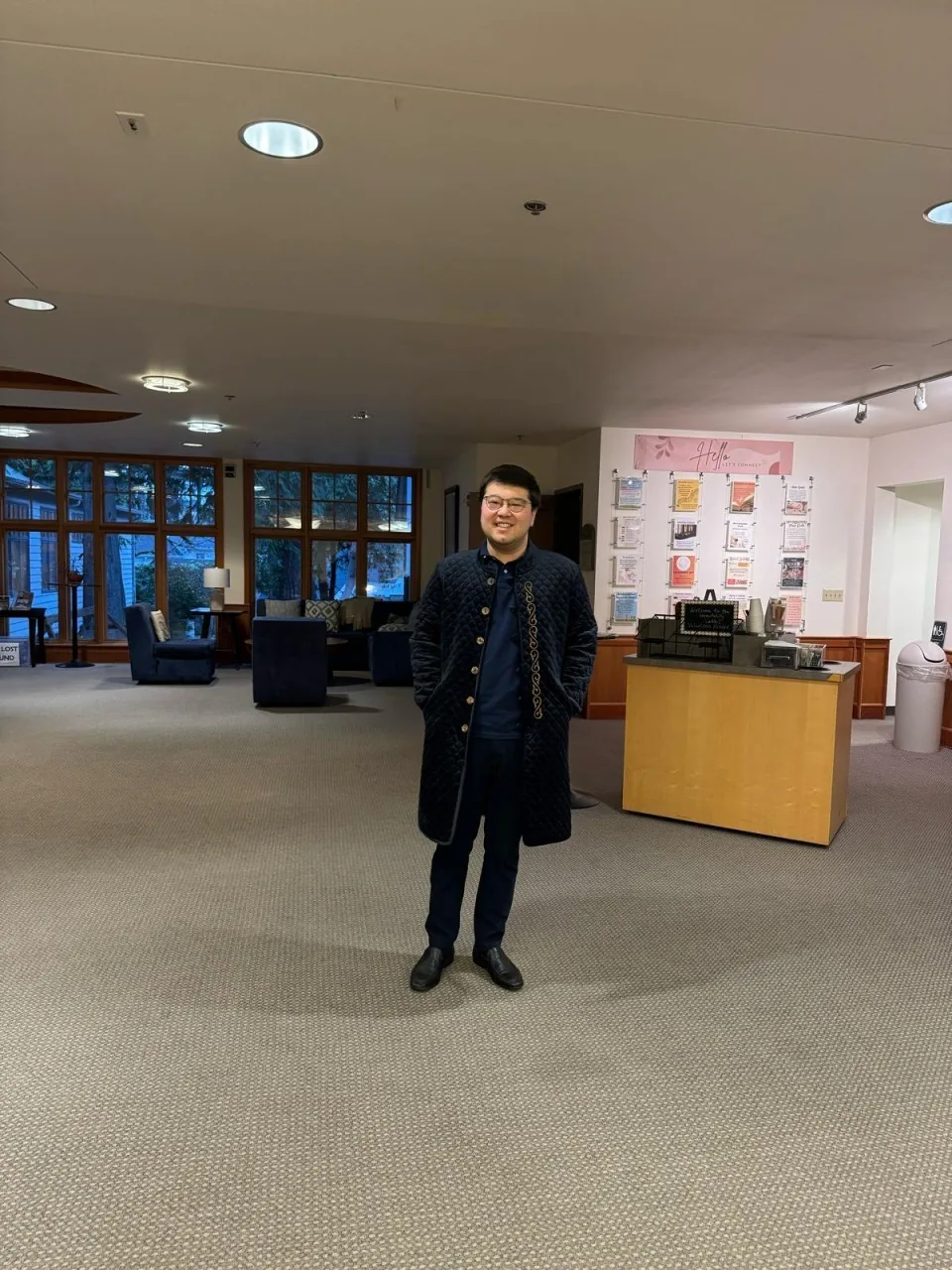
How to get into Intel and build a career in the US? Draw inspiration from the experience of a Semiconductor Research Engineer at Intel, who went from a PhD to working on cutting-edge transistor technologies.
Azimkhan Kozhakhmetov, Portland, Semiconductor Research Engineer, LinkedIn
About Me
I am a semiconductor research engineer in the Technology Research Division of Intel Corporation, where I have been working for the past three years. I research new materials and devices that could be turned into products within the next 15–20 years.
How to Get into Intel
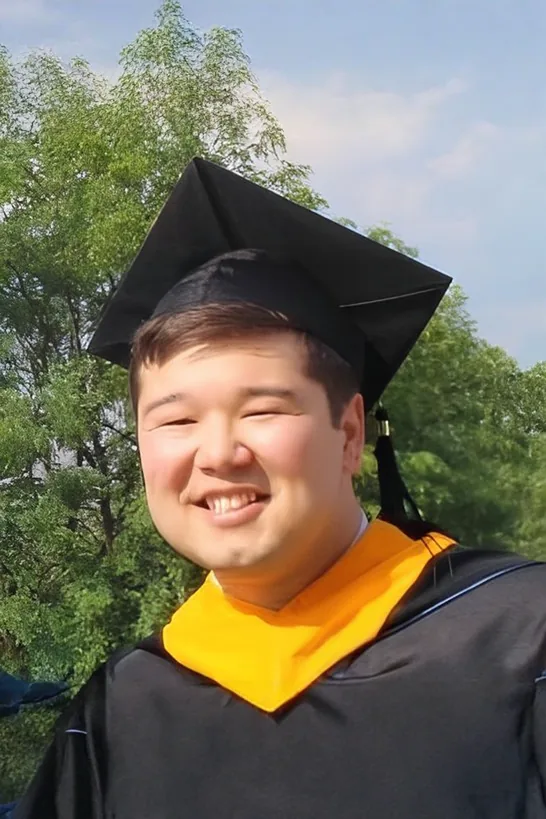
I joined Intel after completing my PhD at Pennsylvania State University, where my project was directly sponsored by the company. As I approached my dissertation defense, representatives from Intel reached out to me and invited me to join their team.
My resume was passed directly to hiring managers, who contacted me via email. I interviewed with several groups within the company, so there were multiple interview rounds. Typically, the entire process takes a full day, but in my case, right after the COVID period, everything was conducted online. There were three stages in total: a phone screening, a presentation of my work, and conversations with future colleagues and managers.
Two to three weeks after the interviews, the hiring team reached out to me with an offer. After the negotiation stage, I accepted the offer and joined Intel.
Tips for Those Who Want to Work for an International Company
For those aiming to join an international company, I would advise expanding your professional network and getting to know people from the company where you’d like to work. The best option is to personally know the hiring managers for the position you’re interested in, so your profile is more likely to catch their attention.
As for passing interviews, there are no special secrets: if you are an expert in your field and the job requirements match your experience, then, for the most part, there is nothing to worry about.
Work Specifics
Currently, we are working on a project aimed at continuing transistor scaling and pushing Moore’s Law to its limit. To date, silicon remains the primary material for all chips used in phones, laptops, cars, data centers, and other devices. However, as transistors shrink below a certain threshold, silicon begins to lose efficiency, necessitating the development of new materials and device architectures. My task is to research such materials both within the company and in external collaborations with academic partners in the US and around the world, as well as with national laboratories and consortia such as imec and CEA-LETI, and then integrate them into current products.
We use gate-all-around transistor technology, also known as nanosheet transistors, along with various chemical, physical, optical, and electrical tools from manufacturers such as Applied Materials, Lam Research, ASML, and others.
The main challenge of my work is transferring results from small academic labs to the scale of industrial pilot lines. What works easily in a lab often encounters unexpected and complex obstacles when scaled up.
In the modern R&D environment, I consider soft skills and the ability to establish new collaborations to be key, as the work requires active interaction with different teams.
Intel offers a wide range of opportunities for professional growth: online courses, training sessions, and access to platforms like Udemy and Coursera. Additionally, the company can partially fund tuition for a master’s, PhD, or MBA program while you remain employed.
One of the highlights of my work was that the materials we are currently studying were recently included in the semiconductor roadmap by giants such as imec and TSMC. This opens up the opportunity for us to contribute to the transition from lab development to industrial production and create real products in the near future.
In my opinion, success in this field requires persistence: 99% of experiments end in failure, but these results point to new paths and opportunities. Bad results are still results. If you lack internal motivation and are easily discouraged by failures, working in a research environment will be difficult.
About Life Abroad
First, I moved to the US to pursue my master’s degree, and then I found a job. In my view, it is better to come first to study and then look for work. However, there are many talented specialists in Kazakhstan who can receive offers from abroad immediately.
My company provided a relocation package that covered all necessary expenses and ensured a smooth move from Pennsylvania to Oregon. This is standard practice in the US—most companies offer similar packages. Depending on the number of family members, different amounts and services may be provided: assistance with moving personal belongings and a car, temporary housing until permanent housing is found, and the services of a local consultant who can help with any questions about the new location.
I cannot compare work approaches or corporate culture in the US and Kazakhstan, as I did not have work experience in my home country. But I am confident that in international companies in Kazakhstan, the corporate culture is similar to what it is here.
For those planning to live and work abroad, I would advise not being afraid to try new opportunities, believe in yourself—and remember that if you love what you do, you will succeed wherever you are.
The Tech on Telegram Follow The Tech on Telegram
Keep up with the latest technology and startup news.
Related reading







More from this author

News
zypl.ai begins operations in Japan and focuses on next-generation risk models
Mansur Ismagulov

News
Elon Musk's net worth has exceeded $700 billion for the first time
Mansur Ismagulov

Article Interviews
"Central Asian countries should build a joint ecosystem," — Bekhzod Ismoilov on the development of AI in the region
Mansur Ismagulov

Article Interviews
Bloom's Taxonomy and Engineering Levels: A Practical Growth Model
Mansur Ismagulov

Article Useful
How the IT industry in Azerbaijan developed in 2025: key events
Mansur Ismagulov

News
Tajikistan has become a new member of the regional innovation alliance Central Asian Innovation Hubs.
Mansur Ismagulov