How students from Astana developed AI for finding organ donors
CortexAI is a Kazakhstani MedTech startup that uses artificial intelligence to help accelerate the search for compatible organ donors for transplantation. In an interview, co-founder and CTO of the project, Yernur Syrlybayev, discussed the launch of the startup, investments, and development plans.
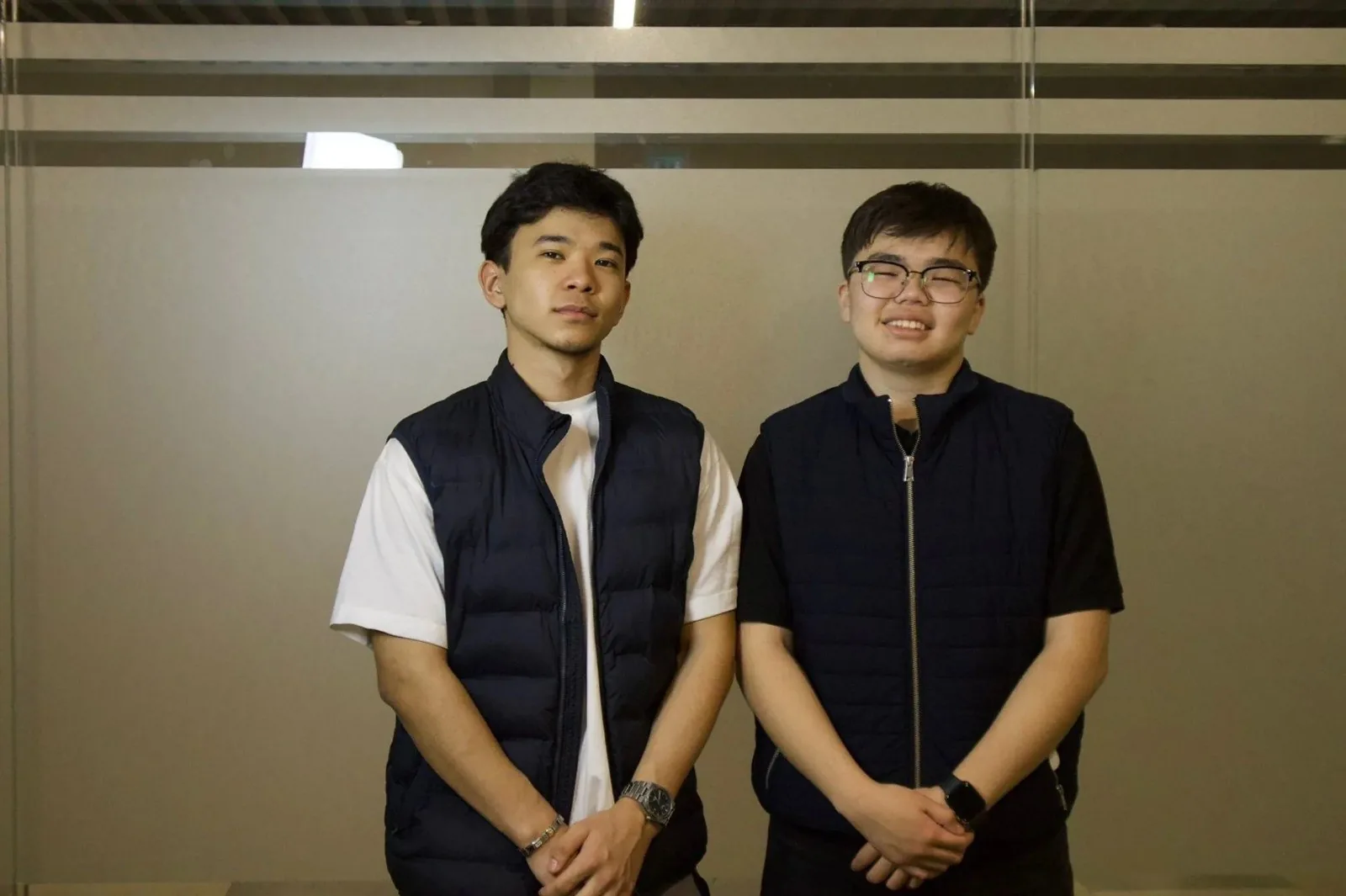
Ernur Syrlibaev, city — Astana, Co-Founder, CTO CortexAI, Instagram
How It All Began
In November 2024, my co-founder Asylzhan Abdullaev and I, while still university students, along with the CortexAI team, were working on a MedTech project. We developed an artificial intelligence-based system that analyzed X-ray images and detected early-stage lung cancer within three minutes.
In early 2025, we began studying the field of emergency kidney transplantation and realized that there are many serious problems in this area. We observed outdated processes, a lack of fast and efficient matching between donors and recipients, which causes people to lose precious time and, at times, their lives. At that point, we decided to create a solution that could be scaled not only in Central Asia but also on the global market.
During our research, we spoke with a transplantologist who was engaged in scientific work in this field. He told us about the Trinis system, which has been used in Kazakhstan since the early 2000s to track donors and recipients and to automate the matching of compatible pairs for organ transplantation. According to him, the database still lists potential donors who passed away several years ago—some records have not been updated for five to eight years.
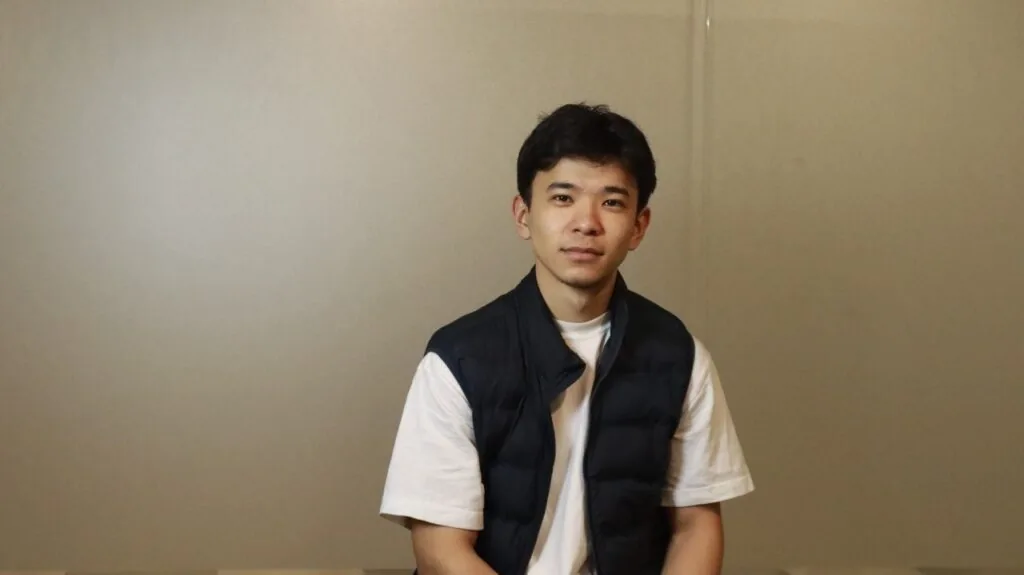
The Team
We already had a team of experienced developers with whom we had previously worked. Currently, we consist of 12 people, mostly developers. We also have doctors: Temirlan Karibekov, Doctor of Medical Sciences and former Chief Physician of the Republican State Enterprise "Hospital of the Medical Center of the Administration of the President of the Republic of Kazakhstan." We are advised by Professor Walter T. Lee, who heads the Department of Head and Neck Surgery, Communication Sciences, and Radiation Oncology at Duke University Medical Center.
Target Audience
We are developing a solution for transplant clinics. The accuracy of our AI model is 84%. The data processing time to determine donor-recipient compatibility is 33 seconds. For comparison, the Trinis system takes up to 12 hours to process similar metrics.
The CortexAI project is currently running in pilot mode. The system is being tested at the Center for Medical Technologies at Astana IT University, using synthetic data generated by algorithms and neural networks for analysis. We are also testing the system in five clinics in Kazakhstan.
Incubation Programs
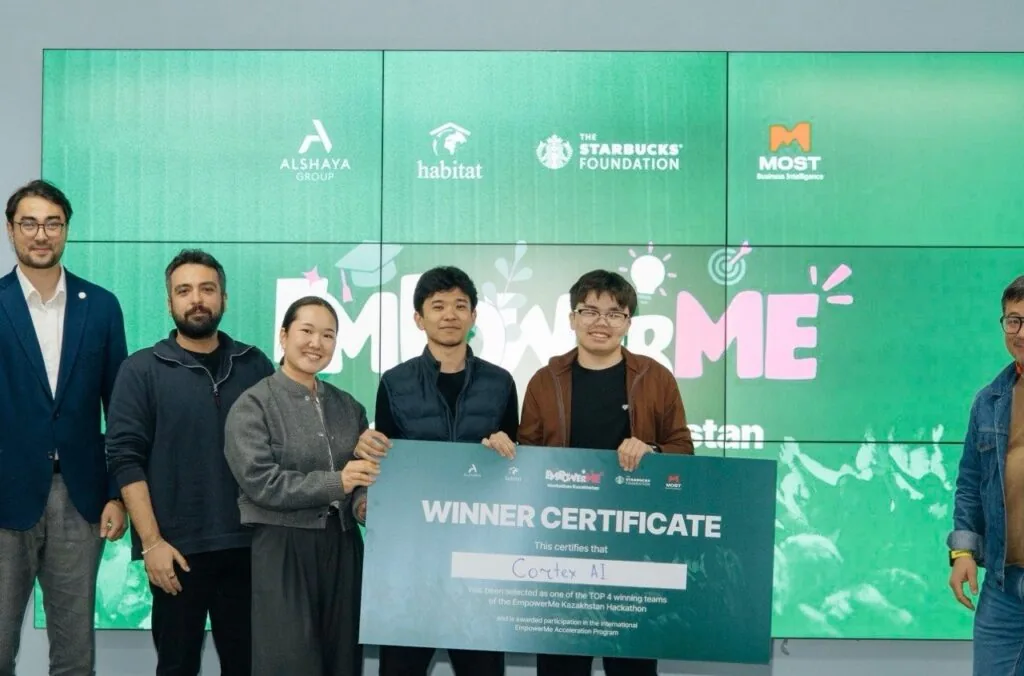
We underwent incubation at MostHub and AITU Ventures. Funding for the project was gradually secured by participating in hackathons and IT competitions. The largest amount we attracted was from Arab investors—$85,000—which we directed toward technology and the purchase of more powerful computers. In 2025, investors noticed our project at one of the startup competitions and partially invested in it.
Challenges
Our niche in MedTech is narrow, so finding initial data was difficult. Initially, we worked with synthetic data. However, once we connected with the right people, we gained access for successful model testing. There are also challenges in attracting investment, as with all startups: investors are afraid that the project may fail because such startups are highly risky.
Advice for aspiring startups: do as much as you can right away and show your product to the right people. We always strive to demonstrate the product itself and how it is better than alternatives. In MedTech, the key is to survive the first one and a half to two years to achieve good results. It is a long-term game.
Achievements
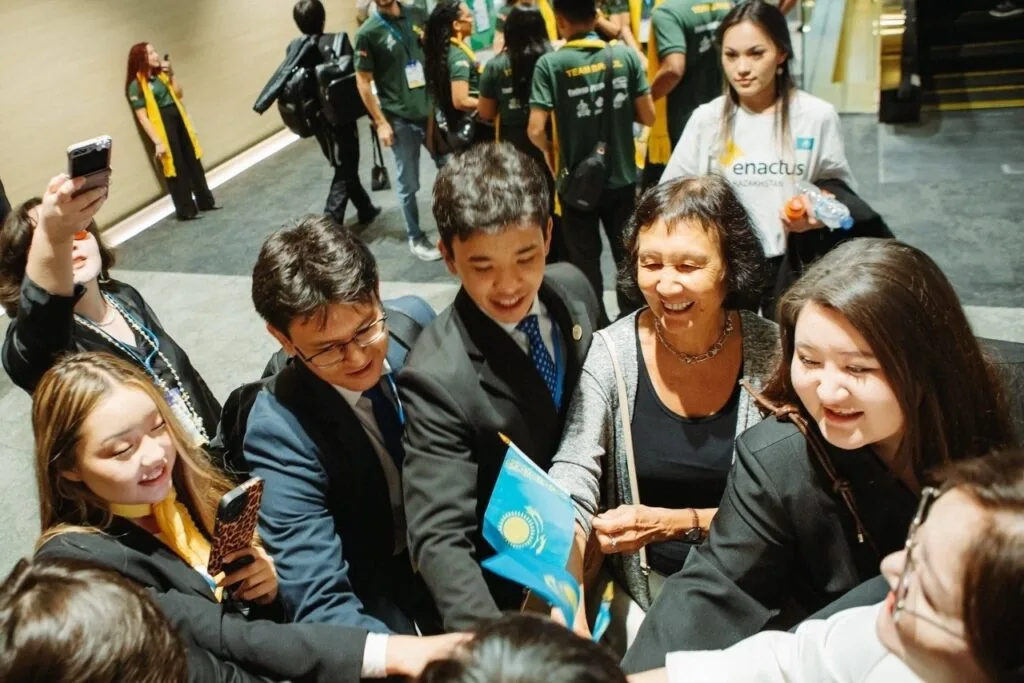
We have won both regional and international competitions and accelerators. Our team reached the finals of the Enactus World Cup 2025 in Thailand—becoming the first finalists from Kazakhstan in the history of this global competition. We took second place at Digital Qazaqstan in Shymkent. We won the regional round of GSEA. We received the nomination "Best Biotech Startup of the Year" from the Ministry of Science and Higher Education of the Republic of Kazakhstan.
Plans
Our main goal is to obtain validation and certification, which we are working toward. Our near-term plans include launching pilots in other countries: we are currently negotiating with laboratories in China and will also present the product in Turkey. We have already improved the product and developed a unified donor tracking system called CortexOS—work is underway to bring it to market.
The Tech on Telegram Follow The Tech on Telegram
Keep up with the latest technology and startup news.
Related reading






More from this author

Article Useful
How to protect your accounts from hacking: 8 settings you should check today
The Tech

Article Useful
500 Global: How the Accelerator Works and Who Can Receive Investments
The Tech

Article Interviews
Game Development in Central Asia: Arkady Moldavski on Developing Reverb and the Growth of the Industry
The Tech

Article Useful
Google, Tesla, BlackRock, and the IMF: Where to Apply for an Internship in Fall 2026
The Tech

News IT
Tesla unveiled the flying electric car Roadster
The Tech

News IT
Intero Biosystems startup won the Startup Battlefield at TechCrunch Disrupt 2026
The Tech