How to build a portfolio, pass interviews, and get an offer from an international company: the experience of Rakhat Shakimbekov
Author - Mansur Ismagulov
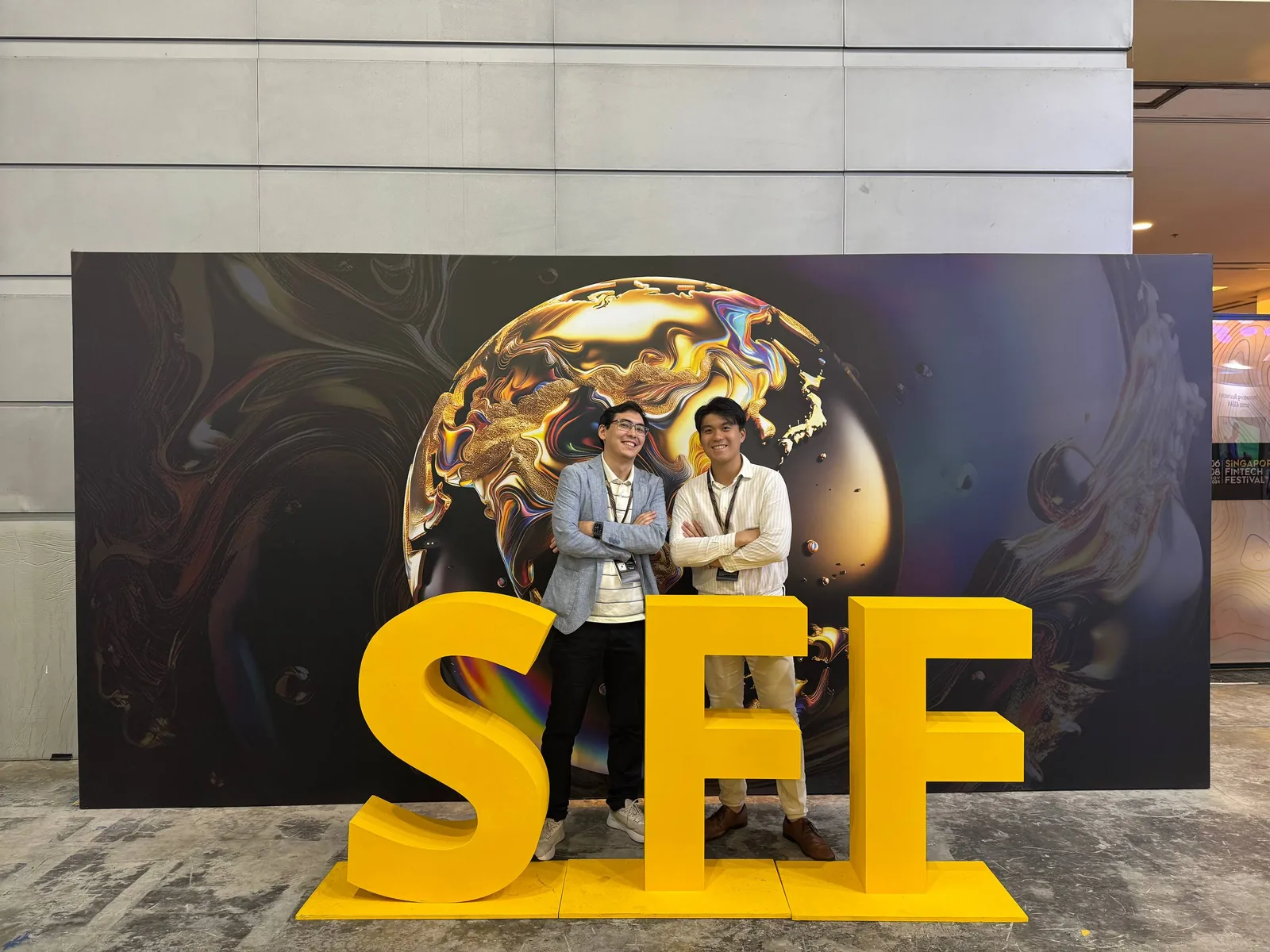
A Tech Lead in Data & AI from Hong Kong shares his personal story and practical advice for those seeking their first job in IT: how to build a portfolio that works, pass interviews, and grow from an intern to a lead specialist.
Rakhat Shakimbekov, City — Hong Kong, Tech Lead, LinkedIn
About Me
I am a Tech Lead / Tech Manager in the Data & AI field, living and working in Hong Kong. Originally from Semey, I attended the "Bilim-Innovation" lyceum, which greatly influenced my discipline, mathematical foundation, and engineering mindset.
I received my higher education at The Hong Kong Polytechnic University, earning a B.Sc. in Electrical and Information Engineering with a specialization in Internet & Multimedia Technologies. It was there that I had the opportunity to study and work with both software and hardware, which helped me consciously choose the path of software engineering.
I am a polyglot in tech stacks: Python — FastAPI/Flask, Node.js, React/Next.js, PostgreSQL/MongoDB, Docker, as well as cloud platforms Databricks, Azure, and AWS. I work at the intersection of product development and applied ML/GenAI: OCR, RAG, Natural Language-to-SQL, integrating LLMs into corporate processes, architecture, and production practices.
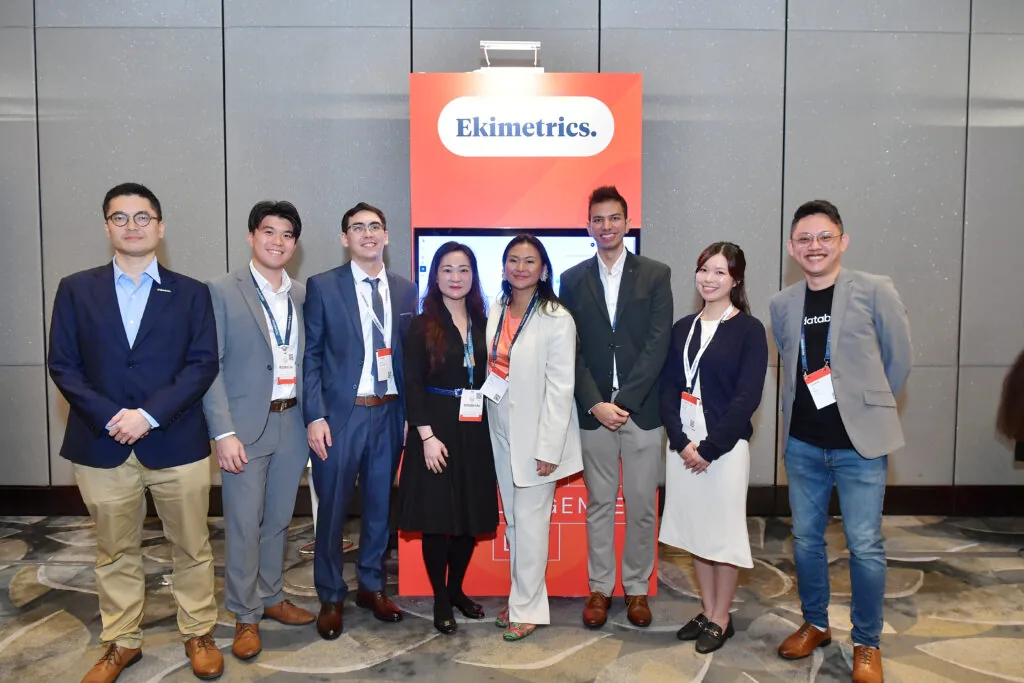
About My First Job in IT
I entered IT through university projects and internships. I realized early on that what drives me is creating concrete solutions for business—not abstract machine intelligence, but measurable impact: faster, more accurate, cheaper. Therefore, I consciously chose teams where I could build production-grade systems.
I started in startups—fast feedback loops, a large area of responsibility, and real users nearby.
Then I worked at IBM Hong Kong, where I gained experience working on large-scale corporate projects: security, regulatory requirements, DevOps, cybersecurity, high quality standards, and mature development processes. I also had experience in the Web3 sector—developing and supporting NFT and crypto marketplaces.
Currently, I am engaged in Data/AI consulting: I am responsible for architecture, the team, and solution delivery, including generative AI platforms, text recognition modules, retrieval-augmented generation systems, and Natural Language to SQL. At the same time, I handle presales and help clients translate business tasks into engineering roadmaps.
My commercial journey began with freelance and consulting projects, as well as early roles in Hong Kong. Full-time employment started at Peplink as a Fullstack Developer right after university. I joined IBM Hong Kong later, in the role of Application Developer / Fullstack. I worked on ADFS, security, cloud infrastructure on OpenShift and Azure, established internal practice codes for frontend and backend, and participated in architectural decisions.
For job hunting, I used a combination of approaches:
— networking and university job fairs
— pet projects and a GitHub portfolio: real demos, not academic tasks
— cold applications for roles where my skills could deliver quick impact.
Key criteria I looked for: a product with real users, the ability to own parts of the architecture, access to data/infrastructure, and mentors.
I got hired through a standard process: screening → technical rounds → final interview with a manager/lead.

Typical "portrait" of my interviews:
1. Online screening, 30-45 min: experience, motivation, "fit".
2. Tech rounds, 1-2×60 min:
System design — microservices, queues, caching, sharding, observability
Backend — API contracts, transactionality, idempotency, retries, DLQ
Data/ML/GenAI — RAG architecture, NL2SQL, quality metrics hitrate@k and MRR, latency, and error budgets
Security/SSO — OAuth2, OIDC, SAML, secret storage, RBAC, and ABAC.
3. Live-coding/Code review: neatness, testability, complexity.
4. Managerial/product round: prioritization, stakeholder management, risk management. I prepare as follows:
— I gather my projects with numbers: timelines, SLAs, percentage of optimization
— I create architecture diagrams that show logic and trade-offs
— I review basics: SQL, indexes, caching, queues, CAP theorem, idempotency
— I prepare a couple of mini-demos — REST on FastAPI and a small RAG project.
Practical questions: designing an OCR service with queues and retries, ensuring consistency during updates, measuring search quality, designing RBAC, logging, and monitoring.
Education provided the foundation, but most importantly, it taught me how to learn.
Personal qualities that really worked:
— Proactivity and ownership: taking the whole problem, not just "my microservice works — the rest doesn't matter"
— Communication: translating business language into architecture and back
— Persistence: seeing solutions through to production, not dropping them at 90%
— Ethics and teamwork: especially important in enterprise and consulting, where reputation matters greatly.
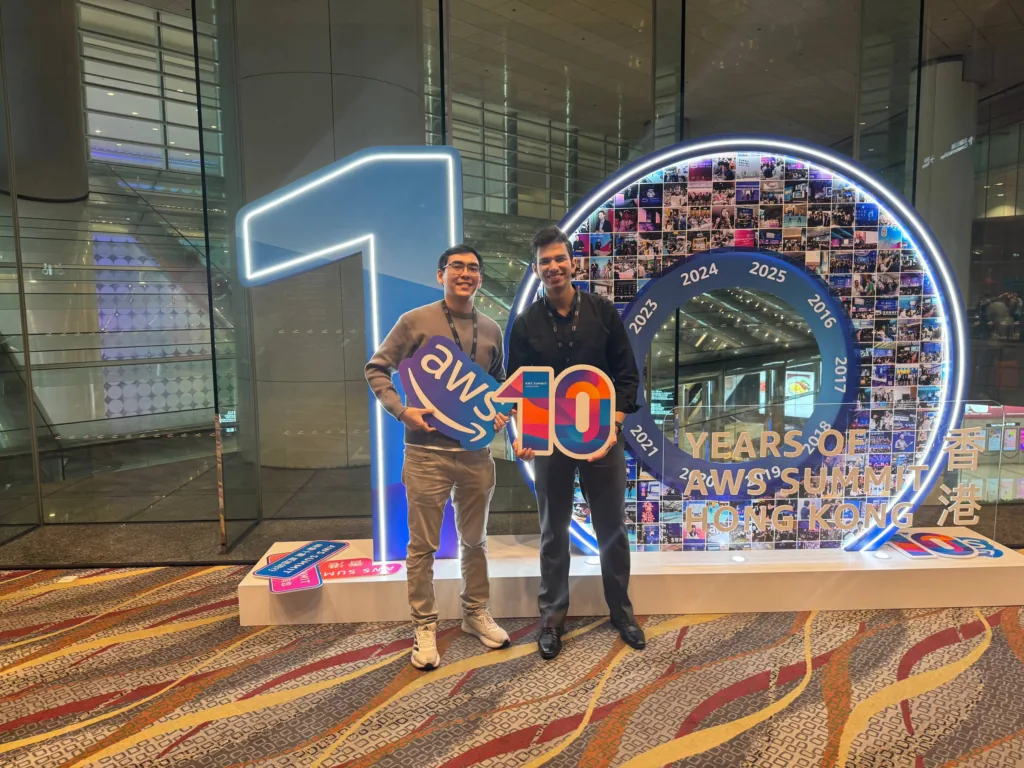
About Difficulties
In 2016, the market was not yet flooded with "vibe coders" and graduates of dubious consulting courses that promise to teach everything in six months and get you into a large company.
Today, in my opinion, the main difficulties in job hunting are the lack of commercial experience, high competition for junior positions, and the linguistic or cultural specifics of the Hong Kong market.
The solution is simple: a production-level portfolio, internships, and freelance work to close the "zero experience" gap. And, of course, many applications and tailoring resumes to specific roles.
Rejections are not defeats, but feedback.
I kept a spreadsheet where I noted: where I applied → what I was called for → where I was filtered out → what I learned → what I improved: demos, architectural diagrams, storytelling.
After several rejections, I:
1. Rebuilt my portfolio into a "value showcase": two or three cases with results: SLA, savings, speed.
2. Toned down "perfectionism" and increased iteration speed.
3. Added industry stories, not just technical details. This improved conversion and confidence. Motivation grew: every failure = an upgrade level.
The main difficulty in finding a first job in IT for newcomers in this field is not the "lack of experience" per se, but the lack of proof of value at a production level. The market wants to see that you can deliver to the user: even a small but live service with logs, tests, deployment, and clear metrics.
How to bypass this: a short "playbook"
1. Build two or three "live" projects instead of 20 academic ones
— Mini-service: FastAPI / Node + database + Docker + simple admin panel on React / Next
— Mini-RAG: search by PDF or emails; show metrics — hit@k, p95
— ETL + dashboard.
Add a README with architecture, a diagram, and metrics.
2. Use business language in your resume and during interviews
"Reduced manual checks by 60%, p95 ≤ 6s, cost — 30%" sounds much stronger than "implemented a model".
3. Engineering hygiene is your main signal
— Tests, logging, error handling, idempotency, retry / DLQ, docker-compose, simple CI
— Even a pet project should run with one command.
4. System design is about trade-offs
— Cache? Queue? How to recover after a crash? Where is the consistency boundary?
— Draw the architecture and discuss trade-offs.
5. Networking and visibility
— Participate in hackathons, meetups, open-source projects, write posts on LinkedIn and Telegram
— Share demos — this sets you apart from the multitude of resumes.
6. Feedback and iterations
— Keep a table of applications: where you were filtered out, why, and what you changed
— Make one "upgrade" to your portfolio every week.
Conclusion: in practice, the main barriers are uncertainty, production quality of GenAI, security, and data.
These problems are solved with metrics, observability, early security design, and the discipline of "architecture as code".
For newcomers, it is especially important to show not just "knowledge of topics," but a practical footprint — even small systems delivered to users, with numbers, logs, and an honest story of trade-offs.
The Tech on Telegram Follow The Tech on Telegram
Keep up with the latest technology and startup news.
Related reading







More from this author

News
zypl.ai begins operations in Japan and focuses on next-generation risk models
Mansur Ismagulov

News
Elon Musk's net worth has exceeded $700 billion for the first time
Mansur Ismagulov

Article Interviews
"Central Asian countries should build a joint ecosystem," — Bekhzod Ismoilov on the development of AI in the region
Mansur Ismagulov

Article Interviews
Bloom's Taxonomy and Engineering Levels: A Practical Growth Model
Mansur Ismagulov

Article Useful
How the IT industry in Azerbaijan developed in 2025: key events
Mansur Ismagulov

News
Tajikistan has become a new member of the regional innovation alliance Central Asian Innovation Hubs.
Mansur Ismagulov