How to Attract Investment: Advice from Sug’urta Bozor Co-Founder Azizbek Kurbonov
Author - Mansur Ismagulov
The Tech AI
Get the key points in seconds - a short summary from The Tech AI.
Azizbek Kurbonov, co-founder of Sug’urta Bozor from Tashkent, shares his experience in attracting investments. He emphasizes the importance of understanding the problem and having customers before seeking funding. To successfully negotiate with investors, it is necessary to prepare a pitch deck, a financial model, and answer key questions about the market and product.
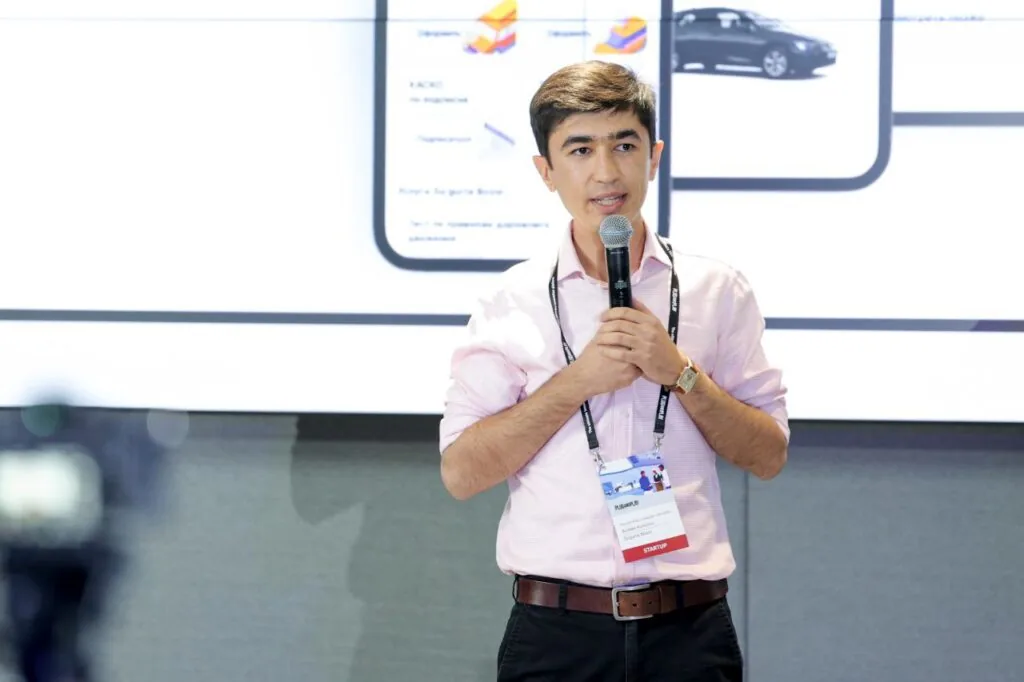
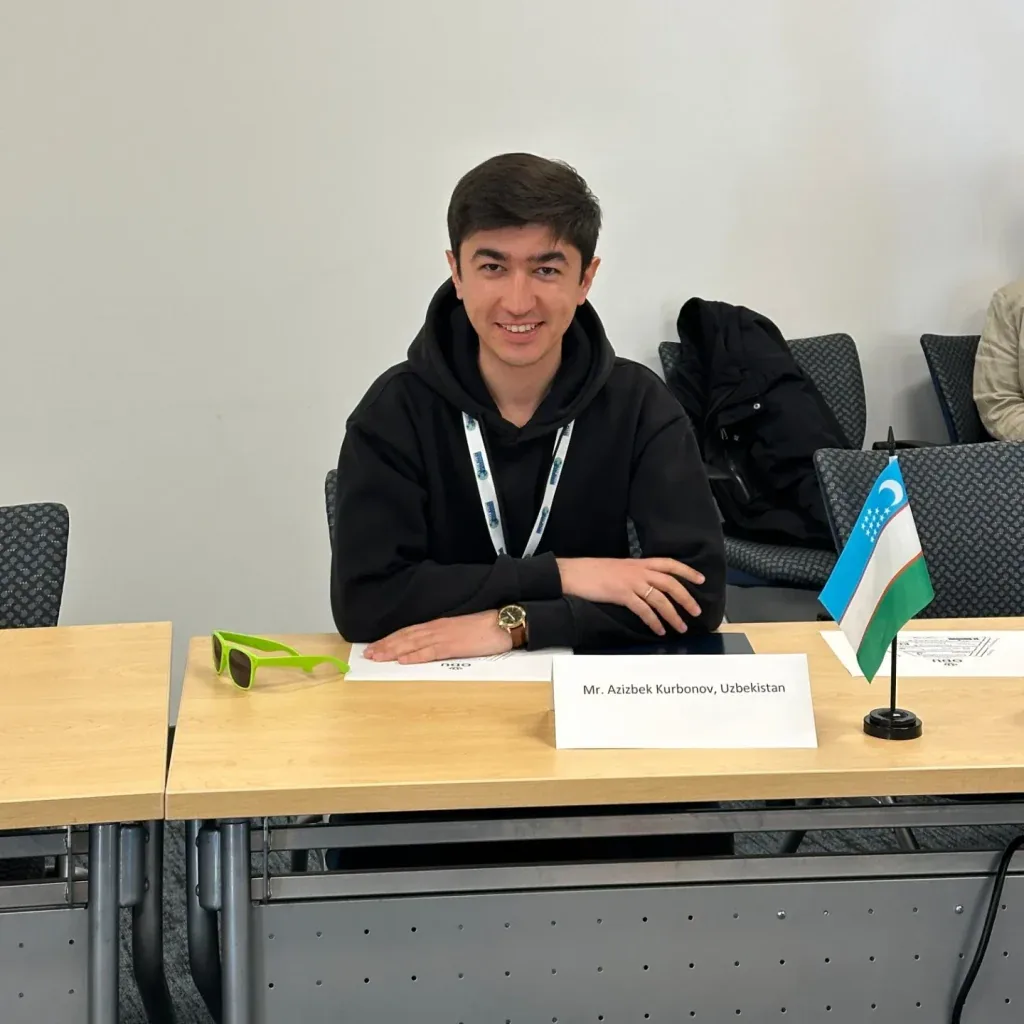
Azizbek Kurbonov, city — Tashkent, co-founder of the Sug’urta Bozor startup
Sooner or later, many founders reach a point where they need to attract investment from venture funds. Attracting investment from a venture fund involves a series of steps that must be taken. Before writing an email or picking up the phone, you first need to understand whether you actually need the money. I had several projects before Sug‘urta Bozor, where I was glad that I didn’t receive funding. At first, I was upset, but now I think differently.
At the beginning of the journey, money is usually not needed; instead, you need to find a problem in the market and get feedback from users. However, unfortunately, some startups strive to raise money first and only then focus on everything else. I remember when I was working on a food delivery project in Uzbekistan, I wanted to raise $100,000 from business angels. According to my forecast, this should have been enough for 12 months of operating expenses and marketing. But experience showed that I needed at least $1,000,000, and even worse, I didn’t fully understand the core essence of the problem.
So, before approaching an investor, you need to answer the following questions for yourself:
1. Find a problem and an audience with this problem
2. Sell your solution to at least one customer, but if the product doesn’t exist, you’ll have to return the money
3. Understand how many potential customers there are, cost of the solution * number of audience = market size
4. How was the problem solved before your appearance? Who tried to solve it, are they solving it now?
5. How is your solution better than the existing one? For example, are you 10 times faster? 10 times more economical? Or did you just add one extra feature.
If there is an affirmative answer to these five questions, move forward. Now, translate the answers to all questions into plain language and present them in the format of a presentation. The pitch deck format is available on the internet; I recommend familiarizing yourself with the template from Y Combinator.
After that, you need to understand how much money we need and for what. For example, the project requires $50,000. 50% — for the product, 25% — for marketing, 25% — for the office, server, and so on. But this data is not enough for the investor. The investor is interested in what results you will achieve, how many users you will have, how many hypotheses you will test, and what the product will look like. For example, when our team raised $100,000 for the Sug‘urta Bozor project, we provided insurance companies with a forecast for revenue and the number of users. In addition, we had a forecast for the team, what team we would assemble with the raised funds.
After this step, you need to compile a list of potential investors who are interested in your market, your direction, and have the necessary size of funding, in our case, $50,000. Create an Excel table and enter their contacts. Add one additional column to the file "Intro," that is, who from our environment can introduce us to the funds. Warm intros through other founders work best.
If you don’t have such connections, find partners of venture funds, official pages, websites, and so on, to find out about upcoming events with their participation. Write to them in advance before the event, send messages, write via LinkedIn. Introduce yourself in one sentence, inform about your participation in the event, and invite them to a 15-minute meeting.
The goal of the first meeting is to schedule the next one. You can’t tell everything in 15 minutes, but you can interest the person. Investors have low attention span. The first couple of minutes play a big role. At the first meeting, you need to sell yourself as a founder who understands the topic and is not in a hurry to get money, but wants to get feedback.
At subsequent meetings, you need to agree as much as possible on the date and time of the next meeting. Prepare an NDA for this meeting if you want to show something confidential, a pitch deck, a financial model — a one-year forecast for sales, users, and unit economics calculation. Don’t dress up for the meeting like it’s a wedding; it’s better to come to the meeting in everyday clothes. Invite your partner if you have one.

Before the meeting, think through every aspect of the presentation. The very first question: why are you doing this at all, what did you work as, what is your goal. Then, why do you think you will succeed? If there were solutions before you, why didn’t they work? Look at presentations of other founders on YouTube and read articles. Questions abroad, in my experience, are 90% identical.
The investor wants to get several conclusions from this meeting:
1. You understand what you are talking about.
2. You have commitment, you are working full-time on this project, invested the first $2,000.
3. Your product can be monetized.
4. Your team will be able to monetize the product.
5. You will be able to attract the next round, that is, there is potential.
6. Be energetic!
The Tech on Telegram Follow The Tech on Telegram
Keep up with the latest technology and startup news.
Related reading







More from this author

News
zypl.ai begins operations in Japan and focuses on next-generation risk models
Mansur Ismagulov

News
Elon Musk's net worth has exceeded $700 billion for the first time
Mansur Ismagulov

Article Interviews
"Central Asian countries should build a joint ecosystem," — Bekhzod Ismoilov on the development of AI in the region
Mansur Ismagulov

Article Interviews
Bloom's Taxonomy and Engineering Levels: A Practical Growth Model
Mansur Ismagulov

Article Useful
How the IT industry in Azerbaijan developed in 2025: key events
Mansur Ismagulov

News
Tajikistan has become a new member of the regional innovation alliance Central Asian Innovation Hubs.
Mansur Ismagulov