How a guy from Kashkadarya created an IT startup and attracted $40,000 in investments
The Tech AI
Get the key points in seconds - a short summary from The Tech AI.
The Uzbek startup Camvi is developing an AI system for analyzing video footage from surveillance cameras, helping businesses count visitors and monitor employee presence. Founder Olamgir Rajabboev received an investment of $40,000 from Yoshlar Ventures and was selected for the American accelerator Alchemist to study the U.S. market. The company works with clients such as MacBro and Shiribom, and plans to expand its functionality for schools and restaurants.
Uzbek startup Camvi is developing an artificial intelligence-based system that analyzes video surveillance footage. It helps businesses count visitors and monitor employee attendance.
Company founder Olamgir Rajabboev told The Tech how the project idea came about and what opportunities the American accelerator Alchemist opens up for it.
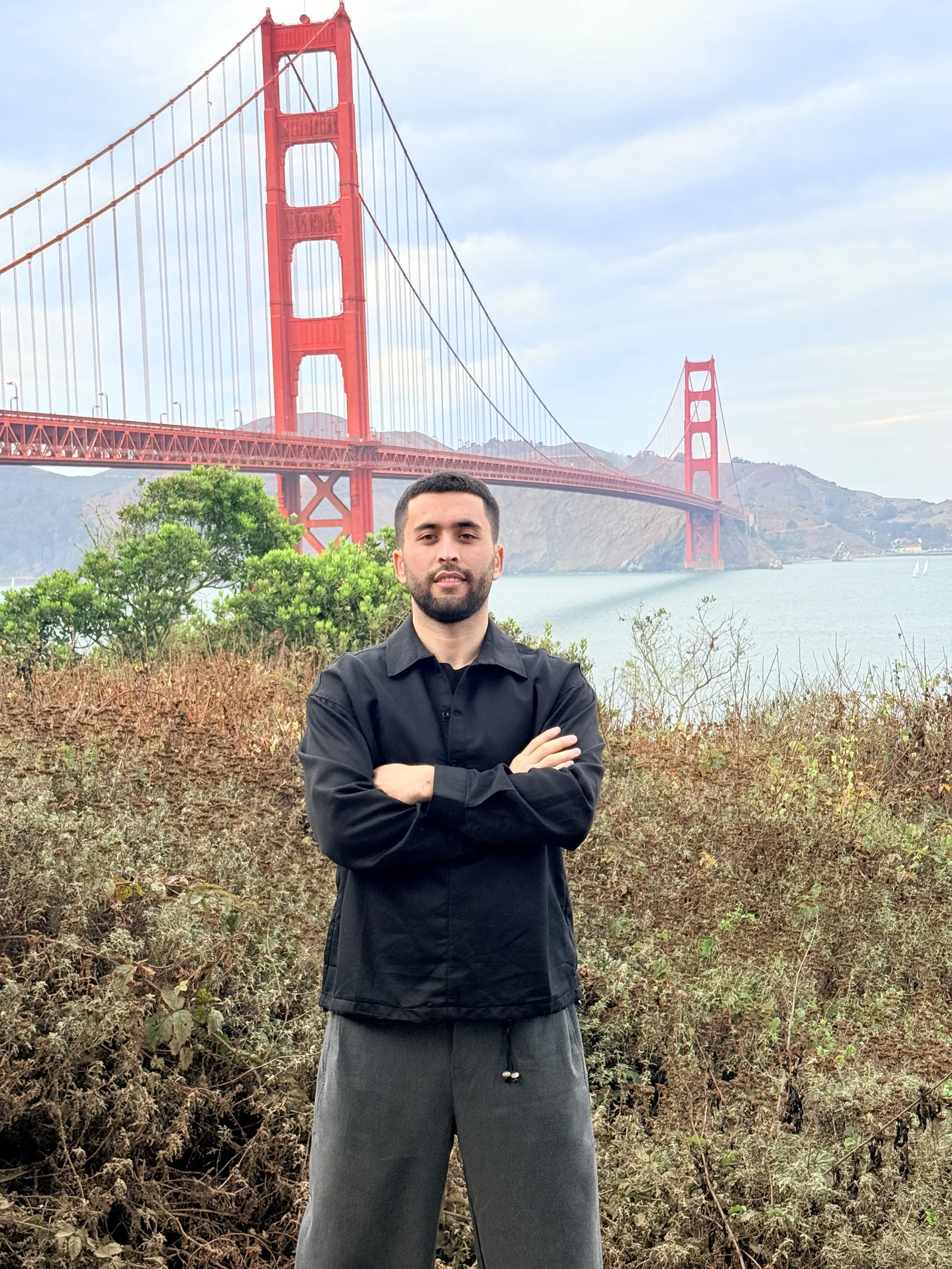
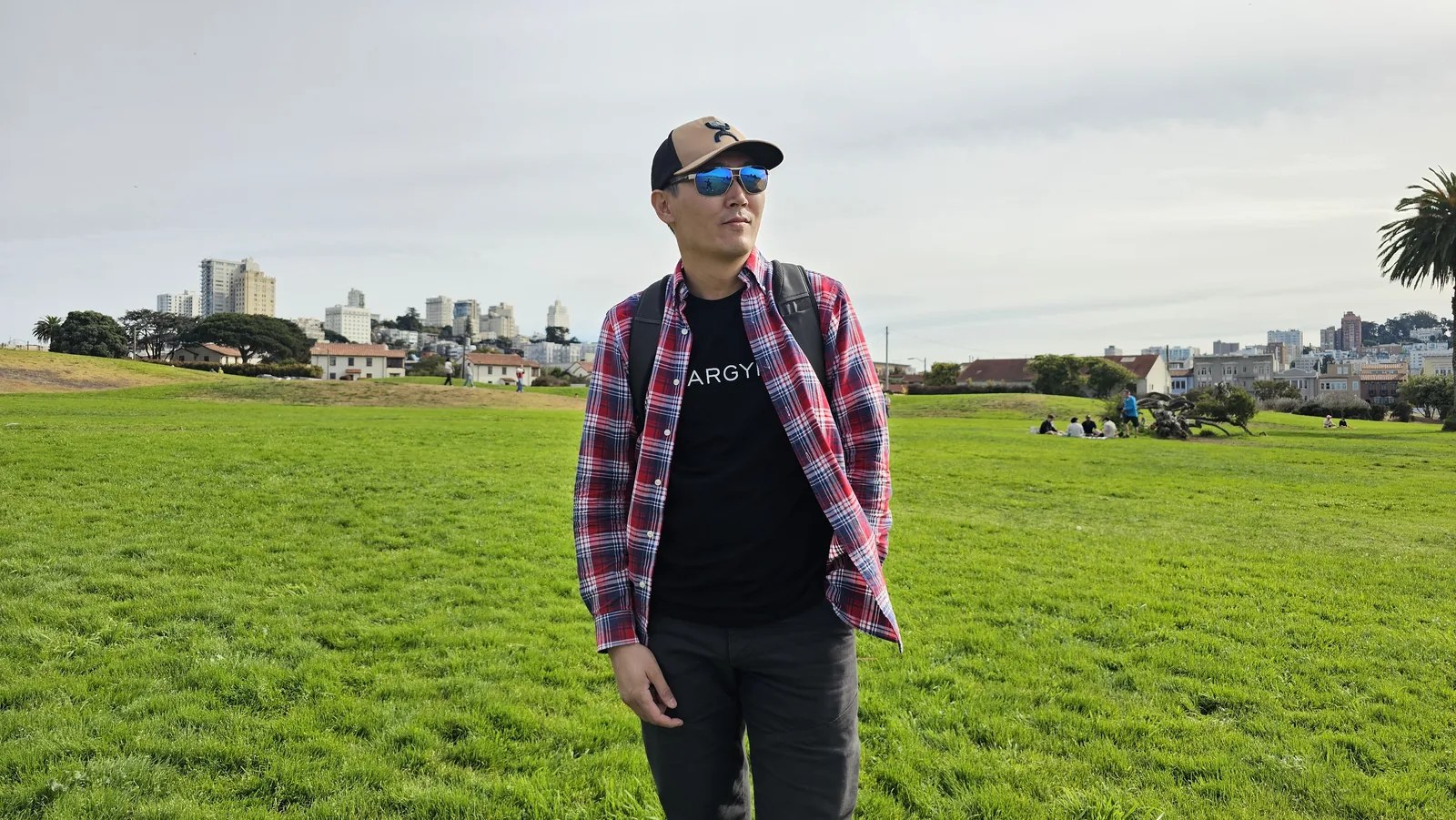
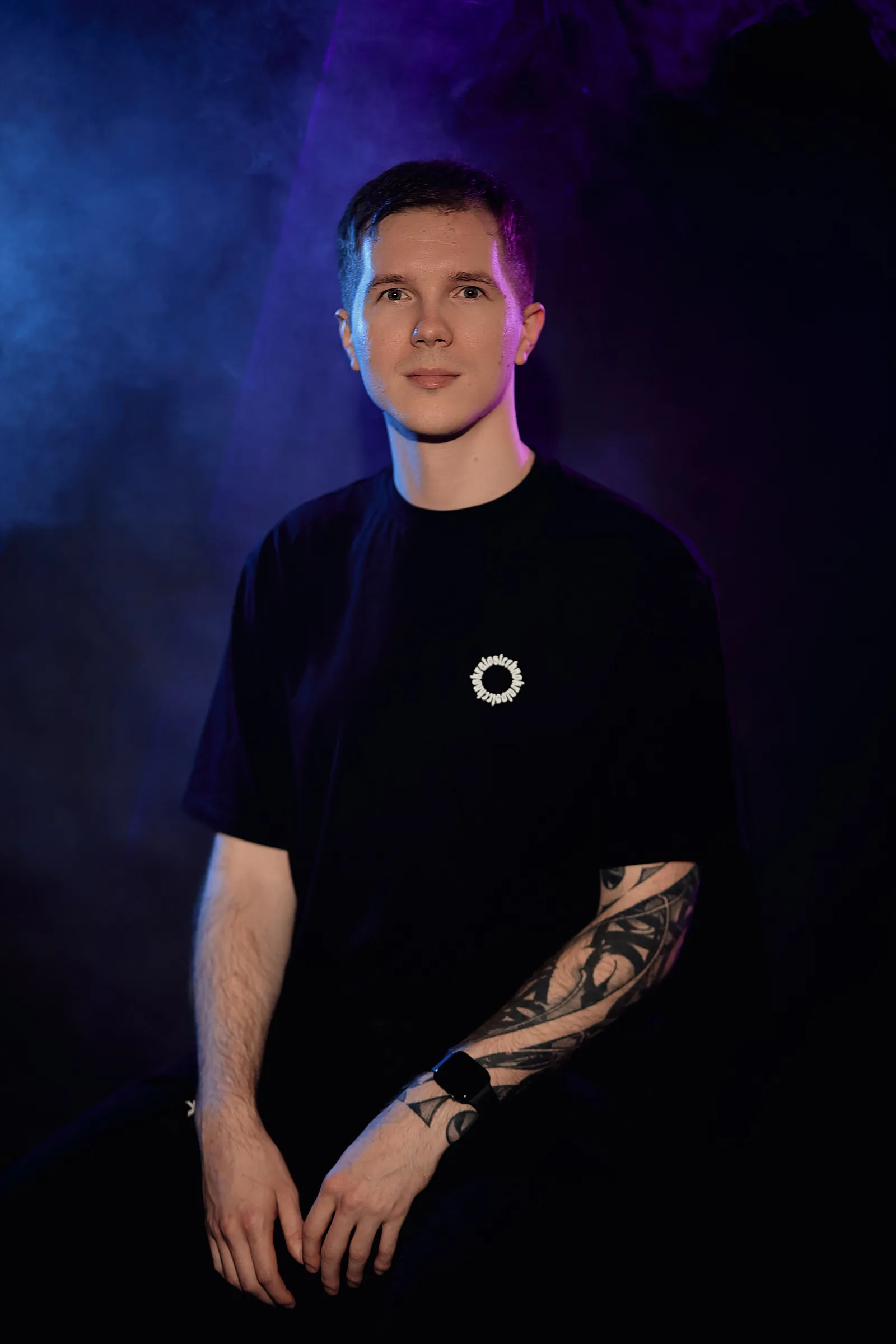
Olamgir Rajabboev, city — San Francisco, Founder & CEO Camvi, LinkedIn
How it all started
I am from Kashkadarya, from a family of entrepreneurs. I studied at the Karakul Lyceum. Even then, I was interested in computer science, participated in olympiads, and took second place in the regional stage. I wanted to continue my education in the IT field and planned to enroll at Inha University in South Korea. But at that time, the family had financial difficulties, so I couldn't go. Of the 12 people with whom we submitted applications, 11 went abroad, and I stayed. For me, it was a difficult period.
Later, I entered the Tashkent Financial Institute. At first, I didn't fully understand what accounting entailed: this field was simply recommended to me at home. In 2019, while studying, we started our own business — selling goods on installment under Islamic financing principles. For this, we needed special software and an online store. I turned to external teams for development, but several projects were not implemented as planned. As a result, in 2023, I decided to assemble my own team and start doing IT myself.
The idea for Camvi emerged that same year. I saw news and videos about cases of child abuse in schools and kindergartens. I wondered about the fact that parents leave their child at the institution for 10–12 hours and don't always know what is happening to them. Surveillance cameras may be installed, but the footage is usually reviewed only after an incident. I wanted to create a system that could automatically recognize the child on the cameras and notify parents about important events: for example, when the child arrived, left, or if any problem arose. That is how the idea for Camvi appeared.
Launching the startup
We didn't have a situation where we came up with an idea, immediately did everything, and started selling. At first, we thought about children. Then an organization that organized events approached us: they needed to track guests. We started building a solution for this task, but the project stalled for a while.
When we returned to Camvi, we talked more with businesses. And we saw a very specific problem: people cannot properly count how many visitors come to a store. Marketing says they brought in clients, sellers say there are few people or the wrong people are coming. Everyone has their own numbers, and the owner doesn't know whom to trust. We started working on making every count verifiable from the camera image. Then we added employee attendance tracking.
I assembled the first team from acquaintances, including guys I studied with at the lyceum. Among them were strong specialists. But over time, the composition changed completely. Now we have more than 10 people. I found people through acquaintances, at events, and at business breakfasts. Now recruiters also help with hiring, and I conduct the final interviews myself.
Sales were initially on me as well: I met with clients myself, explained, and negotiated. Now there is a sales head, a call center, managers, and installation specialists. I am gradually handing over the work to them so I can focus more on the product. This doesn't happen in a day. I am still personally involved in many things.
Target audience
Right now, we work with stores, retail chains, and companies that need to track employee attendance. Camvi analyzes video from cameras and turns it into understandable data. For example, how many people entered the store or at what time an employee was at work. The owner doesn't need to watch hours of recording themselves.
I had my own experience with employees. I would leave for negotiations, and someone would leave work during that time. I found out about it if I returned early or later checked the cameras. Even the terminal at the entrance doesn't always solve the problem: a person can clock in in the morning, leave, return in the evening, and clock in again. The records look fine, but in reality, they weren't there. So I personally understand why businesses need a more accurate picture.
We can connect to cameras that the client already has. There is another option: we install our own cameras with a monthly subscription program. Among our clients are MacBro, Shiribom, Sanat Hali, Tasty Production. The main tasks right now are counting visitors and tracking employee presence.
Each object requires individual attention. First, we find out what the client needs, then our guys go out, look at the premises, entrances, lighting, and camera placement. After that, installation takes place. It is rare for things to work out like this: you talk in the morning, and everything is working by evening. As we grow, we need to keep up with sales, installations, and helping those who are already using the system.

Incubation programs
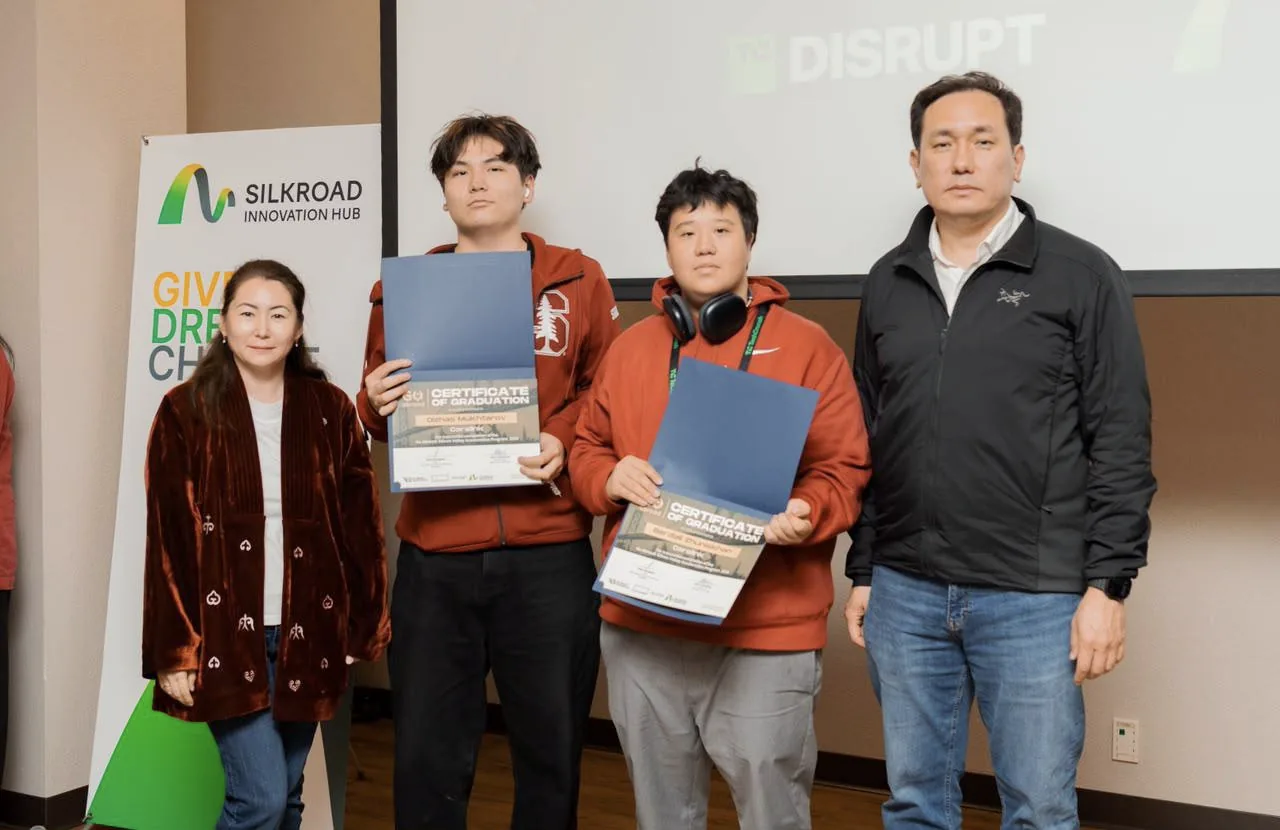
I had experience developing projects with my own money. For example, that is how I developed Restu, a project for restaurants. In Camvi, we received investment from Yoshlar Ventures — $40,000.
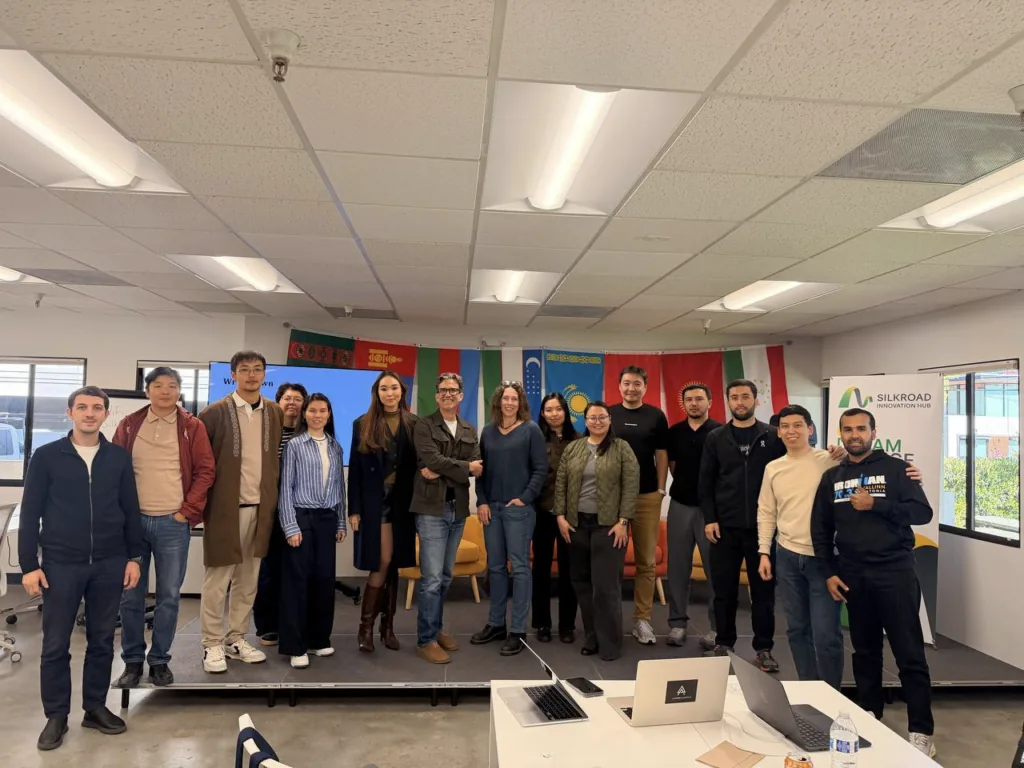
Shahzod aka, who previously worked with us as a tracker, advised me to apply to Alchemist. We submitted our applications, passed the selection, and had four interviews. In the end, we were accepted. Then came introductions to mentors and investors, and preparation for the trip.
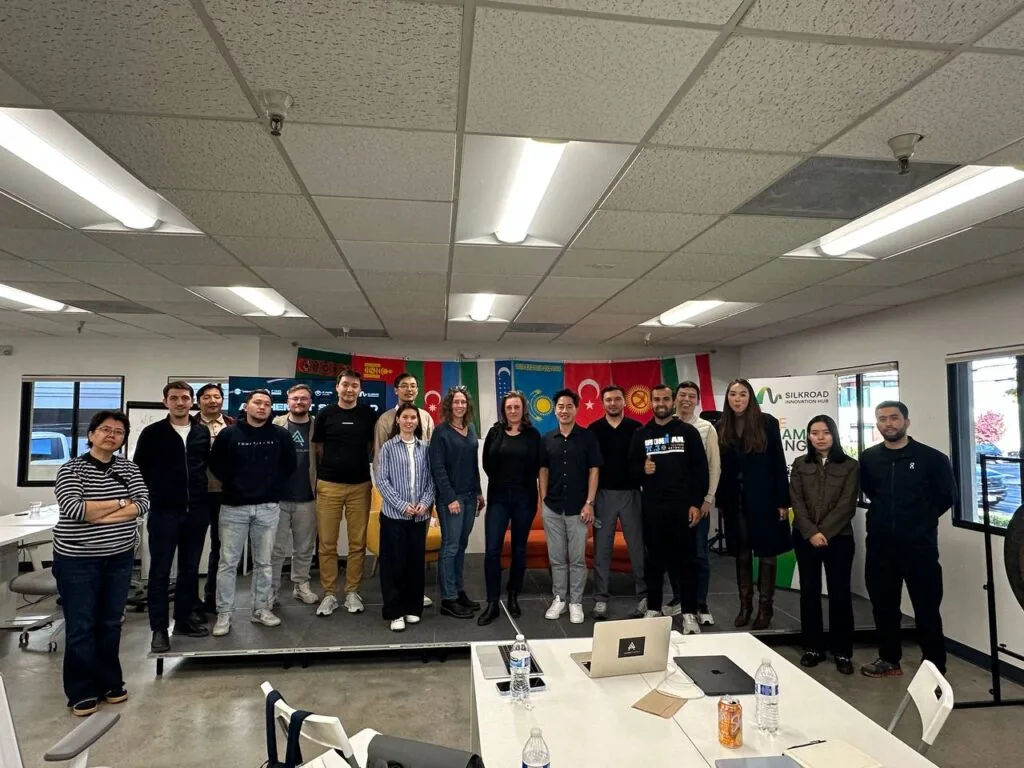
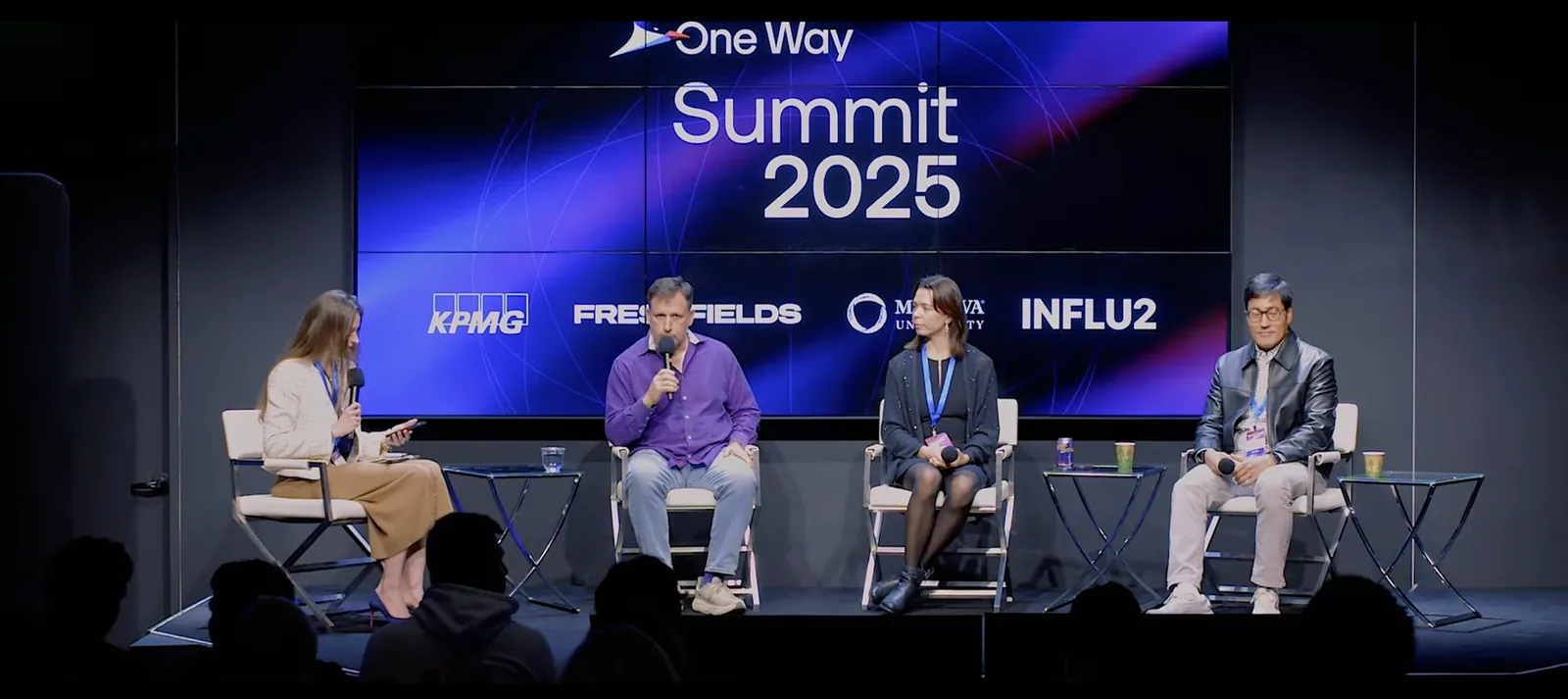
It is important for me to figure out how to sell in the US. You can assume a lot while sitting in Uzbekistan, but there is a different client and different conditions there. You need to go there, talk to people, and see how competitors work. From Alchemist, I expect help specifically in this: to better understand the market, find the right contacts, and check how our product will be bought there.
Also, at StartupFest, there was an opportunity to conduct a pilot with Hududgaz. If the trial is successful, we can move on to a contract worth up to $50,000. For now, this is an opportunity for further cooperation: first, we need to show results in practice.
Difficulties
Over all this time, I have tried launching about 20 startups. Many didn't work out. In some cases, the market wasn't ready yet; in others, the team didn't come together. There were projects I worked on for six months, and others that took two and a half years. When you invest so much and it doesn't work out in the end, it is, of course, hard. I can't say that I calmly accepted every failure.
One of the biggest lessons for me is working with people. At first, it seems: we are friends, we have known each other for a long time, so we will figure it out. But then it turns out that expectations are different. Therefore, now I try to discuss duties and responsibilities in advance. The point is not that an unfamiliar person necessarily works better than a friend. It is just that working relationships are sometimes easier to build when friendship doesn't interfere with discussing problems and making decisions.
I am also learning not to carry everything on my own. At the start, you sell yourself, deal with the product, and answer to clients. Then there are more clients, and out of habit, they continue to write to you. Even now, I sometimes get messages about technical issues at 12 or 1 at night. I understand that it will be difficult to continue like this: the team needs to be able to solve these issues without my constant involvement.
To those who are just starting, I would advise going out to people more often. Talk to a future client, find out how they currently solve their problem. Learn to explain your product and sell it. Even if you are a fairly strong programmer, as a founder, you will have to negotiate with people. My acquaintances helped me both assemble a team and find new opportunities.
And one more thing: after a failure, you need to figure out what happened. Sometimes I go for a walk by the water; I can walk several kilometers. I think about where I made a mistake, what I didn't take into account. This helps me recover and understand what to do next. I don't want to give up everything after another failure, but I also don't want to repeat the same mistake.
Achievements
For me, it is important that Camvi already has a product that businesses use. We have gone the path from idea to installation at client sites. Now we receive questions from people who need the system in their daily work. These questions clearly show what still needs to be improved.
Among the specific results are the $40,000 investment from Yoshlar Ventures and selection into Alchemist. For our team, these are serious steps. We have the opportunity to work on entering the US market, meeting people who already have such experience.
I would separately note the team itself. Once, I outsourced projects and waited for a ready-made solution to be brought to me. Now we have our own developers, people in sales, and specialists who install the system. It is pleasant to see that after all previous attempts, we managed to assemble people and bring the product to clients. But it is too early to say that we have achieved everything. I want us to cope with growth and for the client to be satisfied with what they pay for.
Plans
By the end of the year, I want to pay more attention to what is already working for us. We need to improve the product, keep up with installations, and strengthen support. I personally want to focus more on the development and growth of Camvi, so I continue to hand over daily tasks to the team.
In the US, we are studying logistics. Through acquaintances, we connected with a company that handles freight transportation. We are working on a solution that, using cameras, can notice if a driver is tired or distracted and warn them. We plan a device with multiple cameras, including inside the cabin. Here, we still need to pass tests and see how everything will work in real trips.
There are also ideas and developments for restaurants. For example, checking whether employees comply with dress code requirements, whether they use gloves and headgear. We are also working on checking food preparation according to recipes. But these are separate tasks that need to be tested in practice. For now, our main active areas are visitors and employees.
And I want to return to where Camvi started: to schools and kindergartens. We already have prepared modules and an app for parents. We want the parent to receive notifications when the child arrives or leaves and to learn about important events. We have talked with private schools; there is interest. In the future, we want to work with state institutions as well.
Right now, we don't have enough people and time for everything. Therefore, we need to gradually strengthen the team. Ultimately, I want a person to receive the necessary information in a timely manner and be able to react to it. The business owner — to understand what is happening in their company; the parent — to know what is happening with their child. That is why we are developing Camvi.
The Tech on Telegram Follow The Tech on Telegram
Keep up with the latest technology and startup news.
Related reading

More from this author

News IT
The launch of Global Tech Weekend 2027 will take place in Tbilisi.
The Tech
Article Useful
Business Cup, NASA Space Apps, and Startup Week: Opportunities for Startups in November 2026
The Tech

Article Useful
Free tickets to IT conferences in 2027: a list of international events
The Tech
Article Useful
10 platforms with free datasets for AI and machine learning
The Tech
News IT
Northwood Space has raised $375 million in investment to develop its satellite infrastructure.
The Tech
News IT
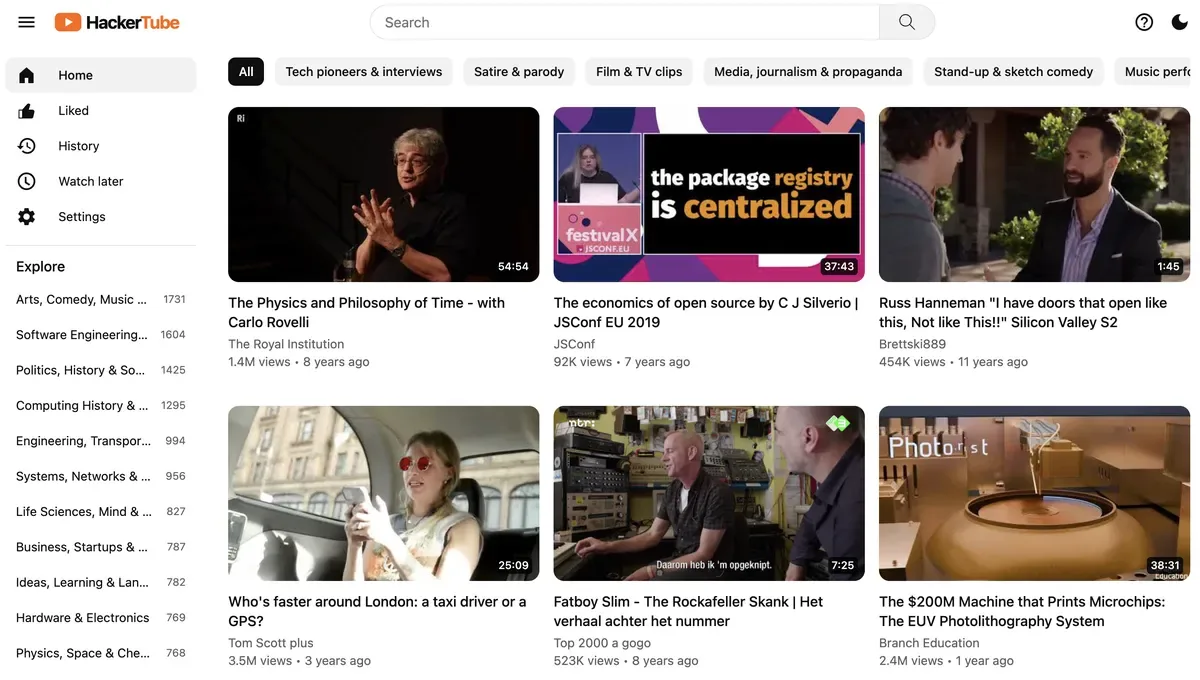
Co-founder of OpenAI created an alternative to YouTube using Claude in two hours
The Tech