How to find an investor. Talgat Kantayev on startup selection and investment strategies
Talgat Kantaev shared his experience in the venture capital sector, discussing key aspects of startup success.
The Tech AI
Get the key points in seconds - a short summary from The Tech AI.
Talgat Kantaev, co-founder of the startup Investbanq, manages offices in Singapore, Almaty, and Dubai. In 2019–2022, the Paladigm Ventures fund delivered an annualized return of approximately 15% on investments in Palantir, Airbnb, and Pinterest. The company is now focused on developing its digital platform and the Nomadiq Innovation Hub accelerator to support startups from Central Asia.
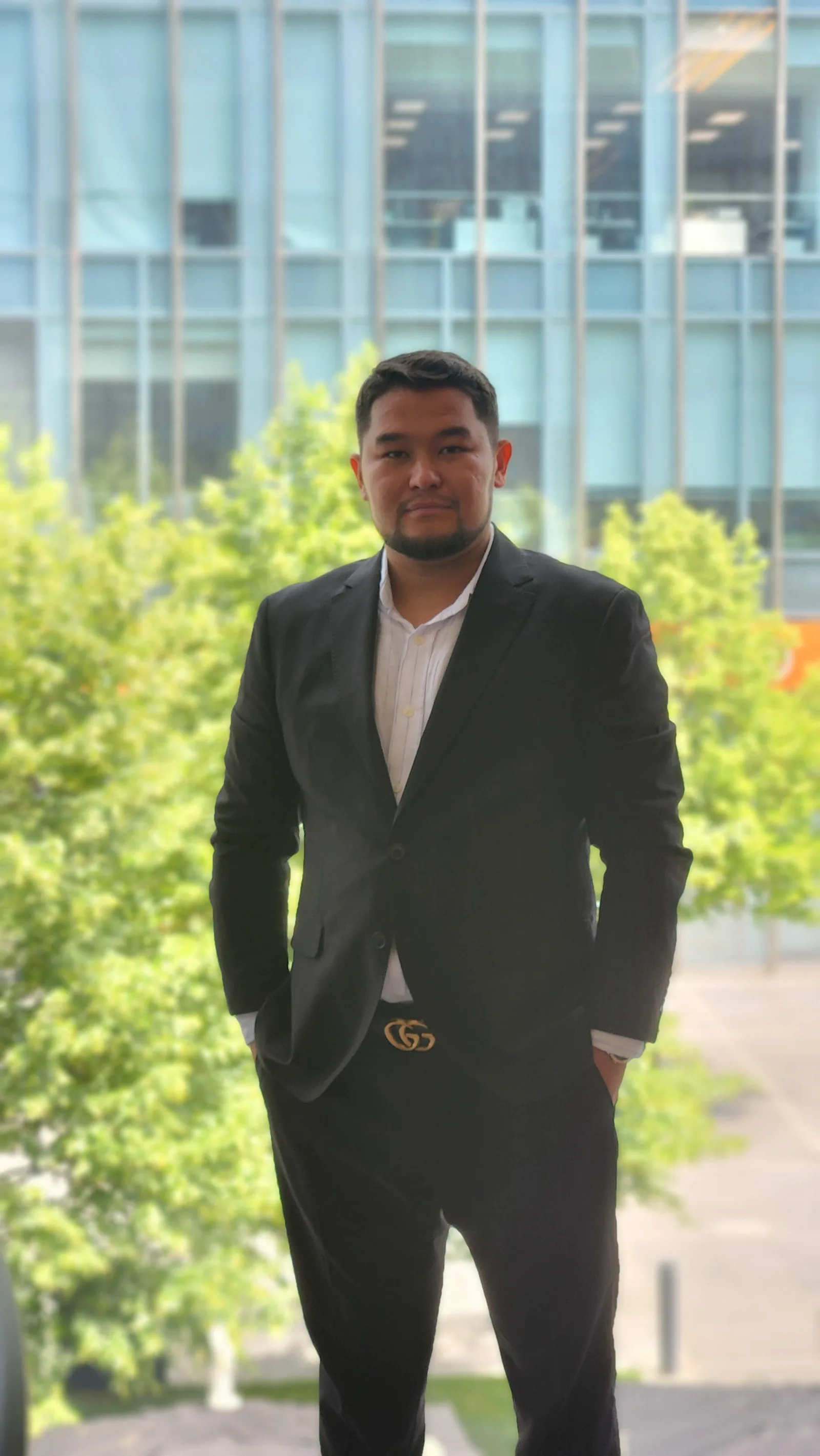
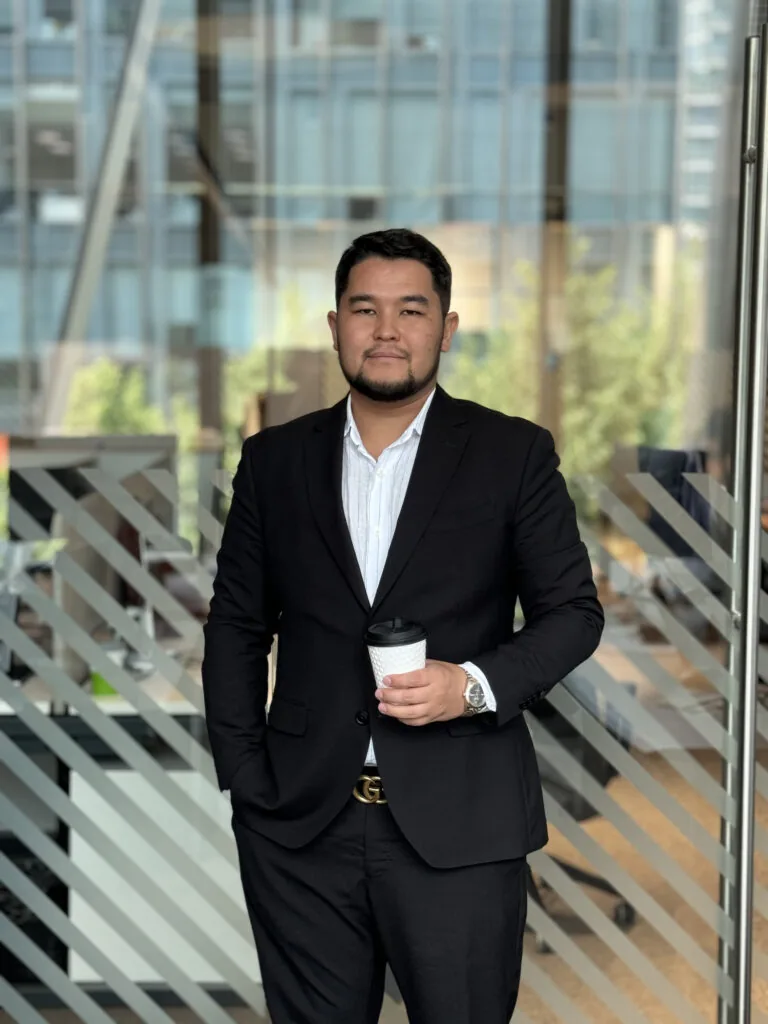
Talgat Kantayev, cities — Dubai, Almaty, Singapore, co-founder of a tech startup, Instagram
About Me
In 2013, I graduated from a university in the UK and returned to Kazakhstan. I began working in the consulting department of PwC, handling deals and M&A. In 2015, I was invited to join the Eurasia RED group of companies, where I worked on investment analytics and projects related to green energy investments.
I participated in a deal with an investor consortium, and later one of the representatives invited me to the position of Deputy Chairman of a company engaged in the production and maintenance of power generation facilities in Kazakhstan. In 2017, my current business partner invited me to join Paladigm Capital, which had just been established in Singapore at that time.
The first fund I managed at Paladigm Capital was called Paladigm Ventures. It was a late-stage fund that invested in large American technology companies that had not yet gone public, such as Palantir, Airbnb, and Pinterest.
Between 2019 and 2022, we successfully executed exits by selling all the companies either through IPOs or on the secondary market, and subsequently dissolved the fund. We achieved an annualized return of approximately 15%, which corresponds to the upper end of global statistics. Global statistics for late-stage funds indicate an annualized return of 12-15%.
In the same year, 2022, my partner Olzhas Zhiyenkul and I bought out our partner's stake. Afterward, we began developing the Investbanq platform—a digital investment bank. Since then, we have focused on developing this digital platform. Today, we have three offices: the headquarters in Singapore, a second one in Almaty, and the third one, which I am currently opening in Dubai.
We hold two licenses for asset management, brokerage services, and more. These are issued in Singapore, Kazakhstan, within the International Financial Center of Astana (IFCA), and in Dubai, within the Dubai International Financial Centre (DIFC). Currently, I am focused on developing our business in the Middle East region.
On Investing
For an investor, it is important to have experience that can only be gained through personal investments. Managing client funds is one aspect where it is crucial to demonstrate responsibility and strive to increase capital. However, when you start investing your own funds, you understand additional nuances that are not available in other cases. The most important quality is frugality and the understanding that investments are always associated with risks.
It is important to approach investments as if they were your own funds and to choose sectors that offer high potential returns with controlled risks. Having basic academic knowledge is also important.
The biggest difficulty is the lack of transparency in information. Often, startups, especially at early stages, do not possess sufficient volume and structure of information. The availability of high-quality data is a major issue in the field of private investments. It is also important to understand human psychology, as startups at early stages primarily consist of founders and their teams. There are cases where founders appear legitimate and passionate about their idea, but at a certain stage, it turns out that they are inefficiently spending funds or exceeding promises made to investors.
Based on our two funds, I can share several successful cases. Within the Paladigm Ventures fund, two companies showed results significantly above average. Palantir, a company specializing in analytics, grew by 450% over 4.5 years. Airbnb, already well-known and widely used at the time of purchase, grew by 300% over the same period.
In our early-stage fund, we have a unicorn valued at $2 billion. We invested in this company in its very first round, in 2017-2018. In 2022, the company raised a round led by Barclays, one of the largest banks in the UK. We made a profit of over 1000% on this investment. This company is still private, so this is unrealized income, but our track record is strong.
In our early-stage fund, we currently have around 15 portfolio startup companies, five or six of which are in Central Asia, four of which are Kazakhstani. In Kazakhstan, I often see good business ideas, but they do not always have a clear strategy for scaling into external markets.
Venture investors typically aim for exits through IPOs or M&As. Often, founders in Central Asia do not understand how and when they will be able to exit their investments. However, among Kazakhstani founders, there are many professionals who clearly see their plan. At the same time, the venture system in Singapore is developing but has not yet reached the level of the US, where this industry has existed for decades.
The situation in Singapore is different: initially, the main venture investor was the state through structures like Vertex Ventures. Startups appeared later, and now, despite the presence of major players, a problem has emerged: with the increase in venture capital, funds sometimes invest in startups that do not meet standard criteria to deploy funds and diversify portfolios.
I will share a personal experience: once I considered an HR startup that had only a website with salary statistics and competed with players like Glassdoor. I did not see value in it, but due to the large volume of capital in the market, they successfully raised $2 million. A similar story happened with the coffee shop chain Flash Coffee in Singapore. Despite the lack of technology and international potential, my acquaintances from another fund provided them with funding, wanting to enter a new sector for them. In the end, Flash Coffee went bankrupt after a year and a half to two years. A beautiful picture and large sums of money do not necessarily mean success.
Not long ago, we opened an acceleration hub in Singapore—the Nomadiq Innovation Hub. The opening took place on May 23 during the visit of the President of Kazakhstan, Kassym-Jomart Tokayev, to Singapore. The Minister of Digital Development, Innovation, and Aerospace Industry, Zhaslan Madiev, was present at the opening. We already have several companies that have started working through our accelerator.
One Singaporean startup is interested in entering the Central Asian market through us. We are creating a bridge between Kazakhstan, Central Asia, and Southeast Asia. Our hub selects startups, provides investments and services through the accelerator, helping them refine their product, enter the Southeast Asian market, build a network of contacts, and gain knowledge about the market. We not only finance but also actively support startups in entering new markets.
At the early stage, the average check of our fund ranges from $100,000 to $200,000.
I also have a personal portfolio of five to six startups—usually, I invest around $20,000-50,000 in one project.
Currently, all early-stage startups we have invested in have remained in our portfolio for five years. Of course, if an M&A or purchase of these startups had occurred, we would have already exited, but since that has not happened, we are waiting for an IPO. One of the startups is now closest to this stage, being in the Series C round with a valuation of $2 billion. Other companies, including Kazakhst ones, may be acquired by larger players in the Indonesian and Philippine markets. In the base scenario, we hold investments for more than five years and are likely to hold them until IPO.
Advice from an Investor
I often see founders' ambitions to immediately raise a round abroad. However, any startup must first realize itself in its home market. Therefore, I advise first raising pre-seed investments in Kazakhstan, realizing the product, starting to generate revenue, and only then going global. On foreign markets, it is not always possible to establish yourself immediately; it often takes time to acquire clients and develop.
Establishing yourself in the home market is a mandatory step before attracting international investors. It is important to correctly structure the legal entity from the start to avoid difficulties in the future. In Kazakhstan, startups that start as LLCs (TОО) face difficulties in attracting venture investments, as instruments like SAFE are easier to use in structures with Common Law jurisdiction, such as IFCA.
I strongly recommend that startups consolidate all assets in one legal entity. Separating assets into several legal entities can turn out to be inconvenient and costly in the future.
When assessing the opportunities for attracting investments, it is important to be realistic. The time of high valuations, as in 2021-2022, is over. Currently, it is difficult to even achieve a 10x multiple on revenue. Startups from developing countries, such as Kazakhstan, are often valued at a discount.
It is important to consider the difference in expenses between Kazakhstan and the US. In Kazakhstan, a startup with one million dollars can survive for up to two years, while in the US, this million might run out in one or two quarters due to high expenses. Startups planning to enter foreign markets need to take these differences into account when planning their budget to avoid rapid "burning" of funds.
Plans
We are actively working on creating a sustainable model for startups, striving to strengthen the positions of Kazakhstan's venture market on the international stage. In the coming years, we plan to support some innovative projects, especially focusing on startups from Kazakhstan. The main efforts will be directed towards developing sustainable business models, supporting investment attraction, and entering global markets.
We pay special attention to personalized mentoring, providing access to international partners and venture funds. As part of our mission, we strive to help startups overcome barriers, helping them successfully integrate into the global business community and attract the attention of venture investors.
Our venture direction will continue to expand its initiatives, creating conditions for the long-term growth and development of startups, which will make Central Asia an attractive platform for innovative companies and investors from around the world.
The Tech on Telegram Follow The Tech on Telegram
Keep up with the latest technology and startup news.
Related reading


More from this author

News IT
Google has solved one of the main problems in quantum computing
The Tech
News IT
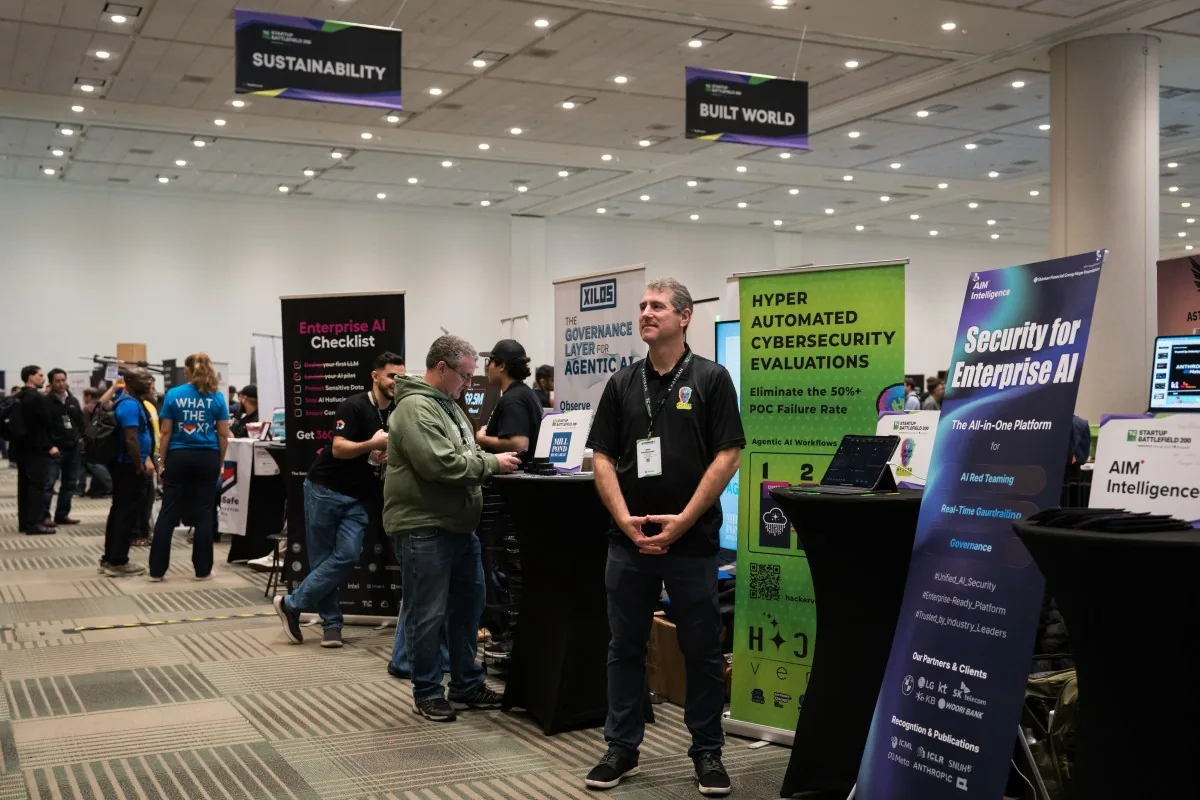
20 startups from Central Asia presented their projects at TechCrunch Disrupt 2026
The Tech
News IT
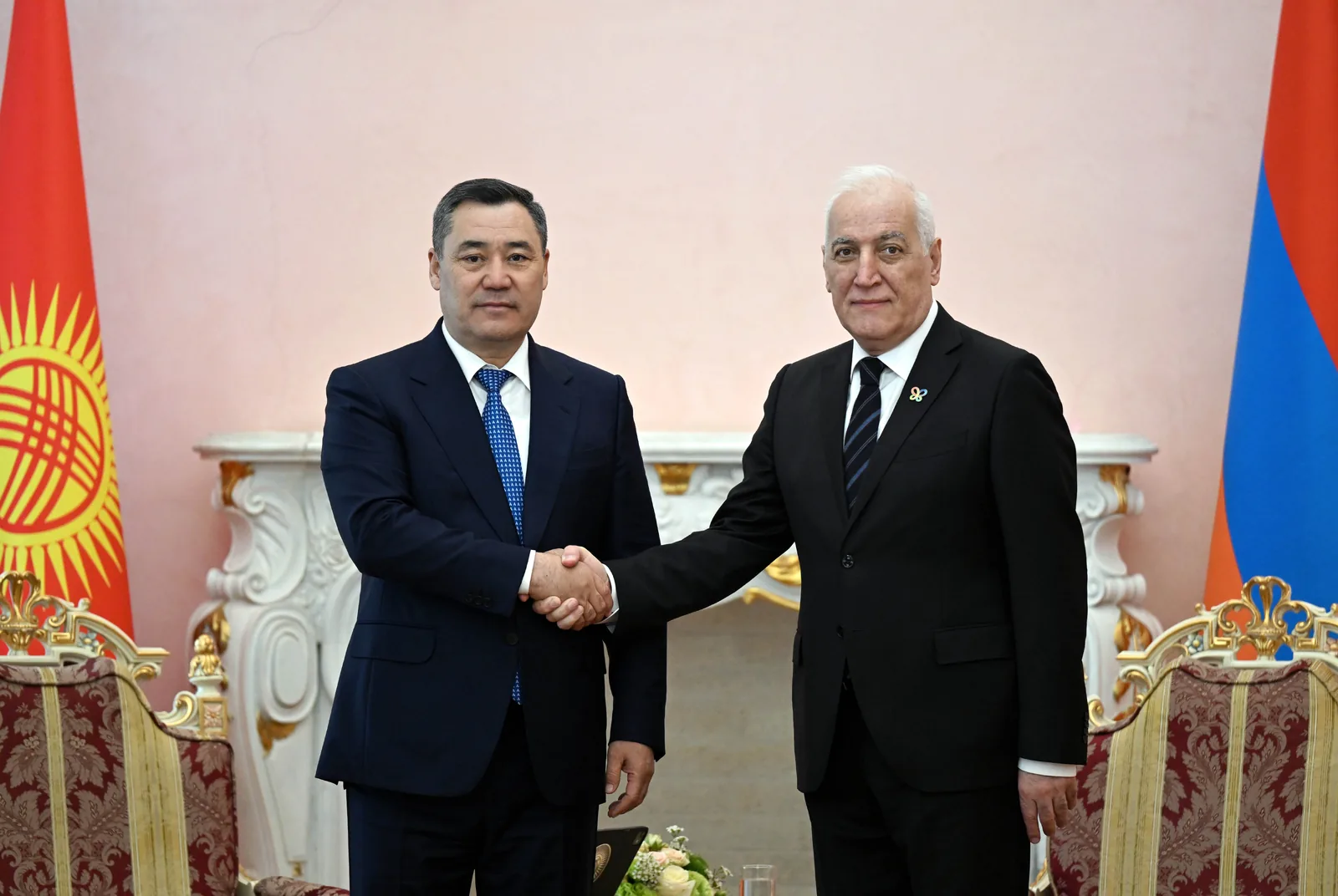
Kyrgyzstan and Armenia will consider the possibility of creating a joint AI enterprise
The Tech

News IT
Now on Kaspi.kz, you can trade in your old iPhone for a new one
The Tech
News IT
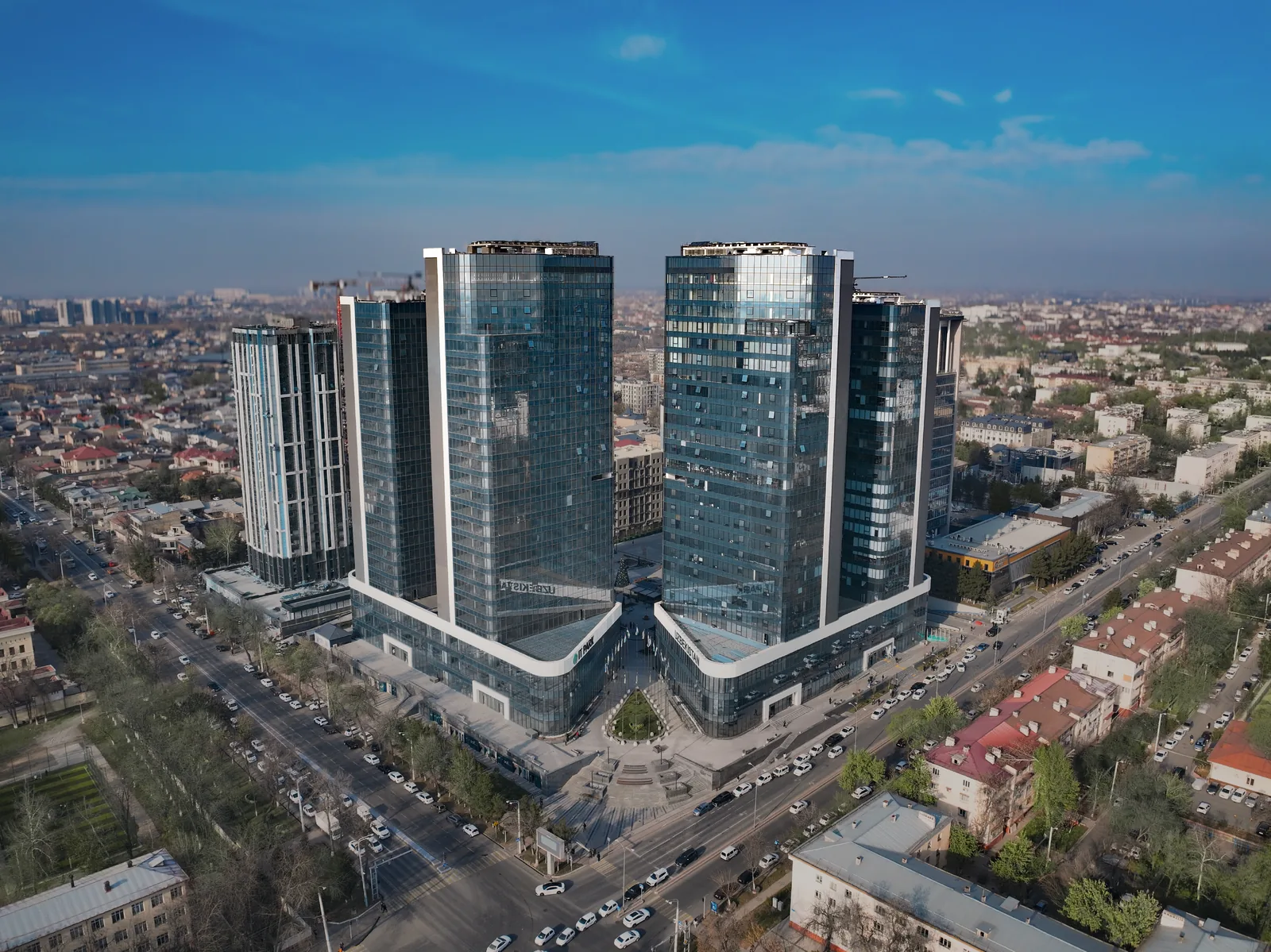
IT Park Uzbekistan became the best knowledge zone in the Asia-Pacific region
The Tech

Article Useful
How to protect your accounts from hacking: 8 settings you should check today
The Tech