How to Find an Investor. Aslan Sultanov on Venture Investments and Successful Projects
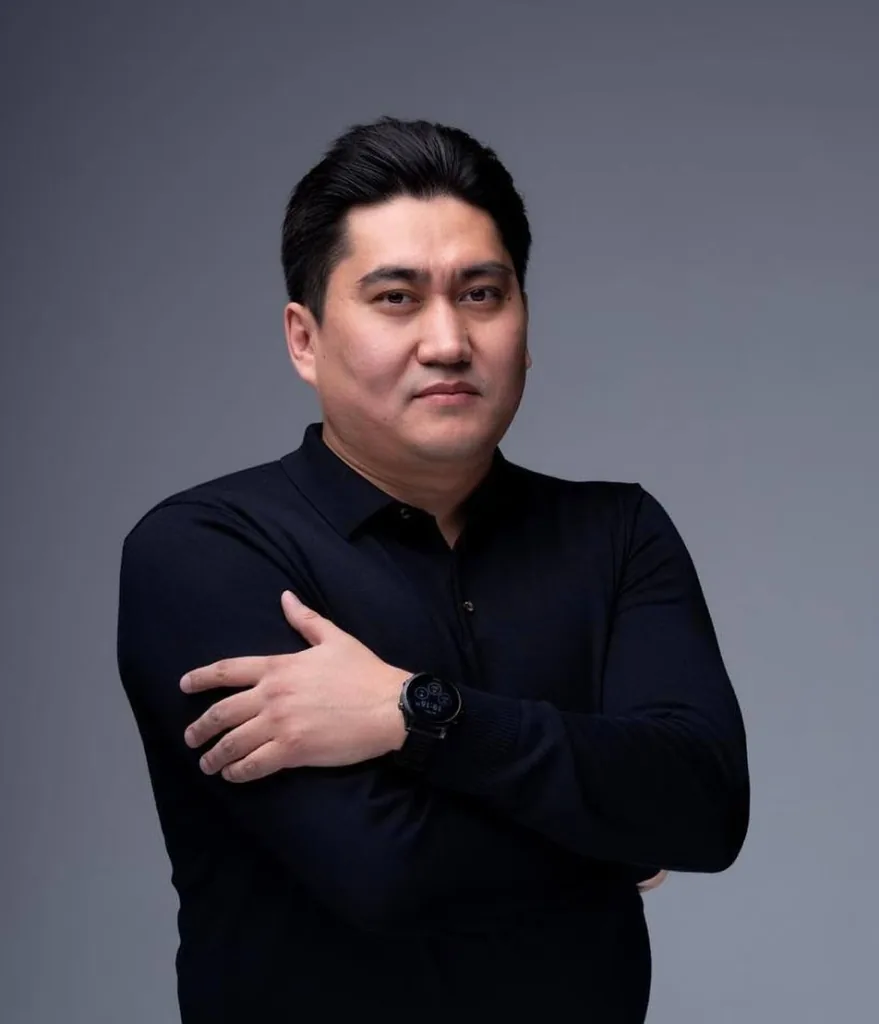
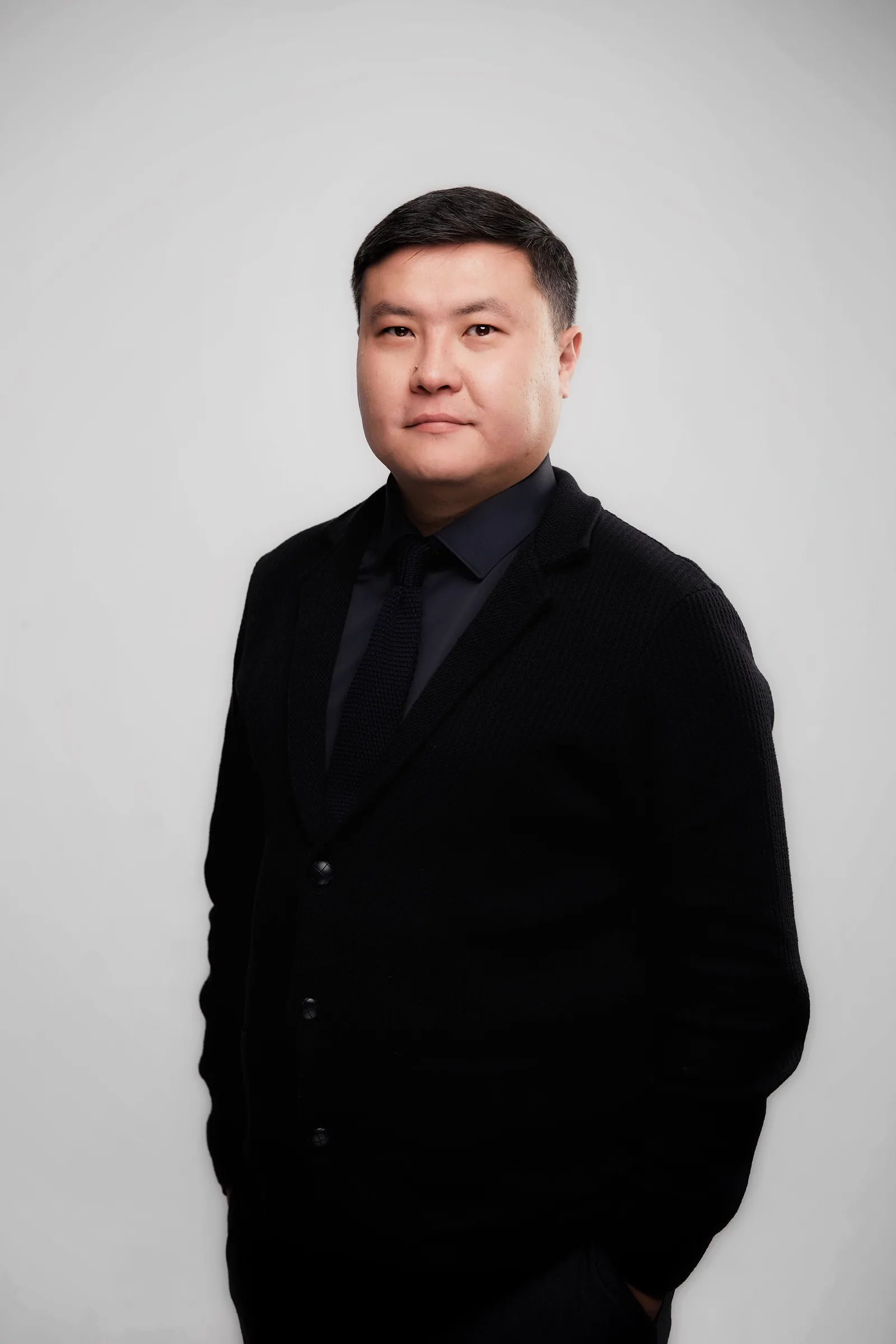
One of Kazakhstan's leading investors, Aslan Sultanov, shared important advice on attracting venture capital and discussed his experience with successful startups.
The Tech AI
Get the key points in seconds - a short summary from The Tech AI.
Aslan Sultanov, managing partner of White Hill Capital and the Tumar Venture Fund in Astana, invests in innovative startups with a focus on the MENA region. The fund has invested in more than 12 projects, including CodiPlay and zypl.ai, evaluating people, product, and timing. Investments start at $50,000 with an average holding period of three to five years.
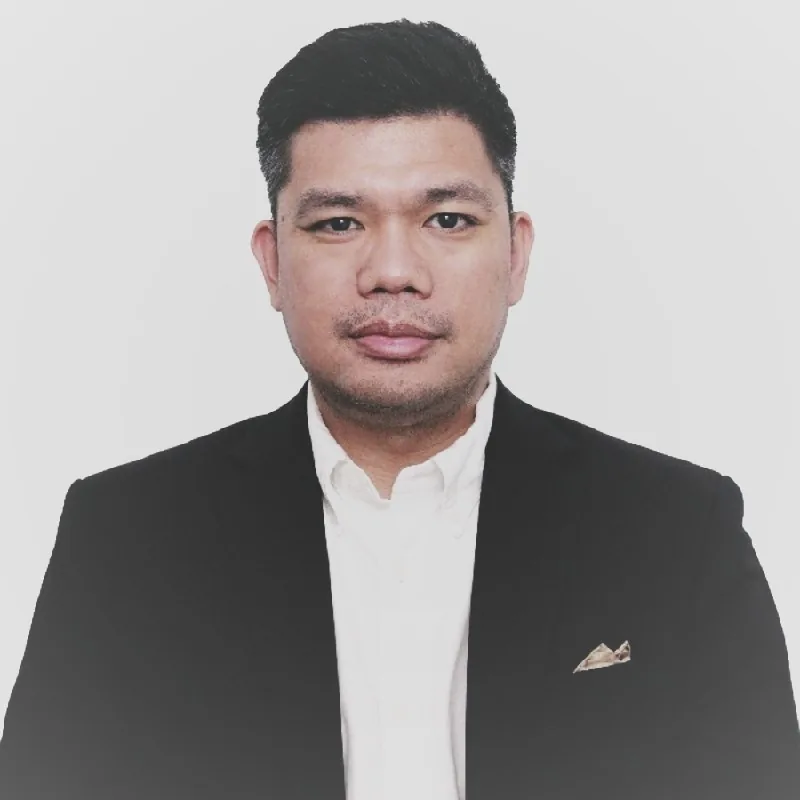
Aslan Sultanov, city — Astana, managing partner of the venture company White Hill Capital, @aslan_sultanovvv
About himself
I began my career in the banking and financial sector, where I held various leadership positions. At some point, a turning point arrived: I felt the need to seek something new. I chose the path of venture investing, which allowed me to work with new technologies and innovative companies.
I am the head of White Hill Capital, which manages the Tumar Venture Fund. We help innovative startups scale and develop by providing funding, mentorship, access to a network of contacts and resources, as well as support for entering global markets, with a focus on the MENA region.
I believe that high-tech businesses and entrepreneurs are the drivers of the economy and the well-being of Kazakhstani citizens. Therefore, my mission is to develop a culture of venture investing and startups so that every talented founder can find funding, mentors, a team, opportunities to test their ideas, and scale into other regions.
Working in the venture business offers the opportunity to be at the forefront of innovation and see how young teams create the future. One of the recent bright examples is CodiPlay, which was recognized as the best EdTech startup in the world by the British ranking PIEoneers in 2024. When I see recognition from such international experts, I understand that all our work is bringing benefits.
About investments
The work of a venture investor requires deep expertise, patience, and the ability to see potential. It is important to be able to understand people—to determine whether founders are ready to go to the end despite difficulties. Success often comes to those who are full of enthusiasm and, at the same time, ready to say “No” to what does not bring value.
Strategic thinking and the ability to work with uncertainty are crucial. Typically, only a few startups in the portfolio will generate significant profits, offsetting the failures of others. An investor must maintain a proper balance between risk and tolerance, as well as a drive to develop startups rather than simply waiting for profits.
The main problems I encounter are startups’ lack of a clear understanding of the market and a lack of ambition. I always say: “If your idea is limited to the borders of one city or country, it is not a startup on a global scale.” Sometimes the problem lies with the team—not all founders are ready to invest all their energy into business development. We solve such problems through deep work with the startup team.
Our fund, Tumar Venture Fund, has invested in more than 12 startups, including successful projects such as CodiPlay, zypl.ai, Jobescape, and Platma. One bright example is the zypl.ai project, which allows banks and microfinance organizations to accurately assess the creditworthiness of clients with limited credit history using artificial intelligence technology. The project grew rapidly, covering 6 regions and 23 financial institutions. I am confident that with each new step, zypl.ai will continue to expand its horizons, contributing to financial inclusion and opening up new opportunities for millions of people.
Venture investments require careful evaluation not only of the product but also of the people behind it. When we decide which startups to invest in, our strategy is built on three key aspects: people, project, and timing.
People are the most important factor. We look for founders with a clear understanding of the market and the skills necessary for success. For us, Founder-market fit is important—how deeply the founder is immersed in the market and understands its needs. We pay attention not only to the team’s professional skills but also to personal chemistry—it is important that we have a shared understanding of goals and values. We avoid founders with excessive ego, as well as those who lack sufficient technological expertise or whose teams suffer from high turnover and low morale.
The project must offer unique solutions that solve specific user problems. We look for startups with big ambitions, sustainable economic indicators, and a proven go-to-market strategy, at least in one country. Another important factor is business “stickiness”—how regularly customers use the product and are willing to pay for it. We avoid projects with copying solutions in saturated markets, with small ambitions, or with inefficient capital expenditure.
The right timing also plays an important role. We invest in startups that have already achieved Product-Market Fit and are ready to scale into new markets. We avoid startups with heavily diluted founder shares, legal or reputational issues, and those still searching for their business model through numerous pivots.
Our portfolio includes startups from different corners of the world—from Azerbaijan and Tajikistan to Ukraine. However, we strive to be leaders in supporting and developing technological entrepreneurship in the region, so it is important for us that Kazakhstan is present as one of the project’s markets or that a fellow countryman is part of the founding team.
Each region has its own characteristics. For example, we see significant potential in MENA countries and Central Asia, where the innovation ecosystem is actively developing. At the same time, we closely monitor startups from Europe, Southeast Asia, and other regions—their experience and technologies can create synergy with our approach and the markets we target.
Our approach to venture investments goes beyond simply providing capital. We work with each startup as a partner, paying attention to strategic development: we help with business scaling, building a strong brand, developing a sustainable business model, and establishing a long-term strategy. In addition, our startups gain access to an extensive global network of investors, partners, and experts.
Our philosophy is based on Smart Money—capital accompanied by knowledge, experience, and engagement. We provide expertise that helps teams correctly assess risks, make key decisions, and adapt faster to changing market conditions. We become allies of the startup, supporting it from the first steps to entering global markets.
Usually, we start with investments of $50,000 and above. The size of the investment depends on the startup’s development stage and its needs. We analyze how much funding the startup needs to achieve specific goals, whether it is entering a new market or developing a product. We approach this issue individually, considering growth potential and return on investment.
The average holding period for investments is three to five years, depending on the startup’s success and exit strategy. We prefer to wait until the startup shows significant results and is ready for a large-scale funding round or sale to a strategic investor.
Advice from an investor
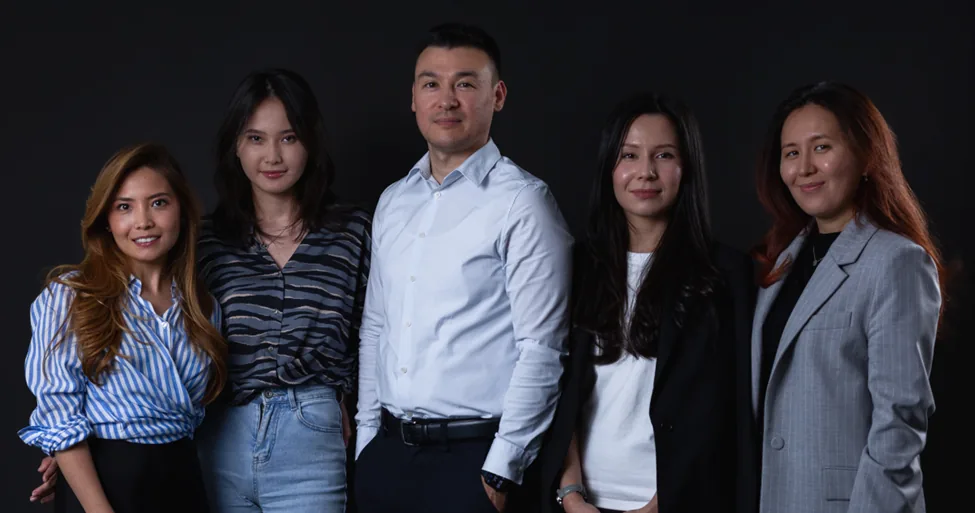
It is important to have a clear understanding of your business model, market, and the problem you are solving. Prepare a well-thought-out presentation and financial plan. Be sure to show how your startup can scale.
Where to find investors
It all depends on the stage of your startup’s development. If it is just an idea, investors are usually relatives, friends, and acquaintances. At the idea stage, there is no point in approaching angels and venture investors. Operating startups can contact venture funds. For example, on the Tumar Venture Fund website, any startup can submit an application with a detailed description.
In addition to VCs, startups always have access to such options as:
— business angels
— business incubators
— acceleration programs
— grants and competitions
— investor clubs
— crowdfunding platforms.
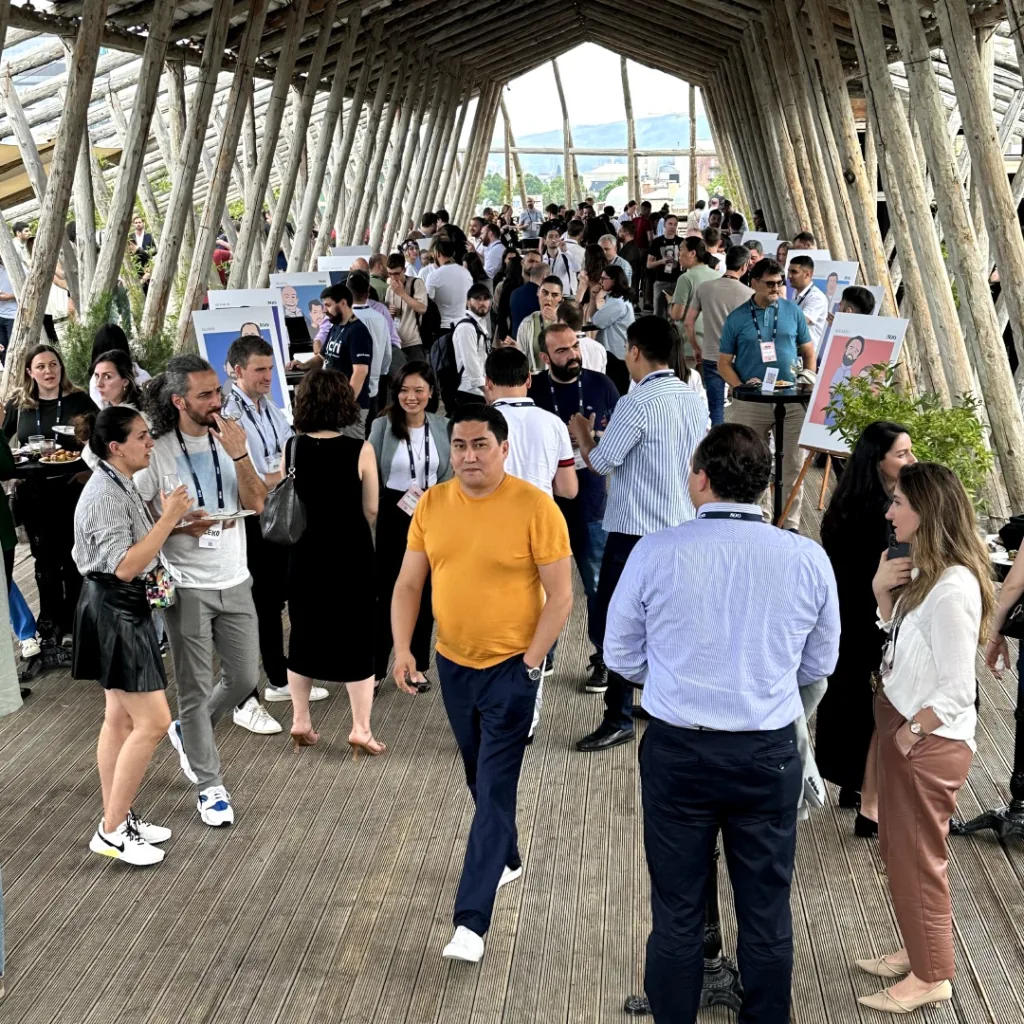
Also, participate in startup events such as Digital Almaty or Astana Finance Days, where you can meet potential investors.
Plans
I am interested in projects related to artificial intelligence and FinTech. We also consider startups related to green technologies and sustainable development.
We plan to expand the portfolio with startups focused on global markets and continue to develop projects that can scale in the MENA region and beyond.
The Tech on Telegram Follow The Tech on Telegram
Keep up with the latest technology and startup news.
Related reading
More from this author

News IT
Google has solved one of the main problems in quantum computing
The Tech
News IT
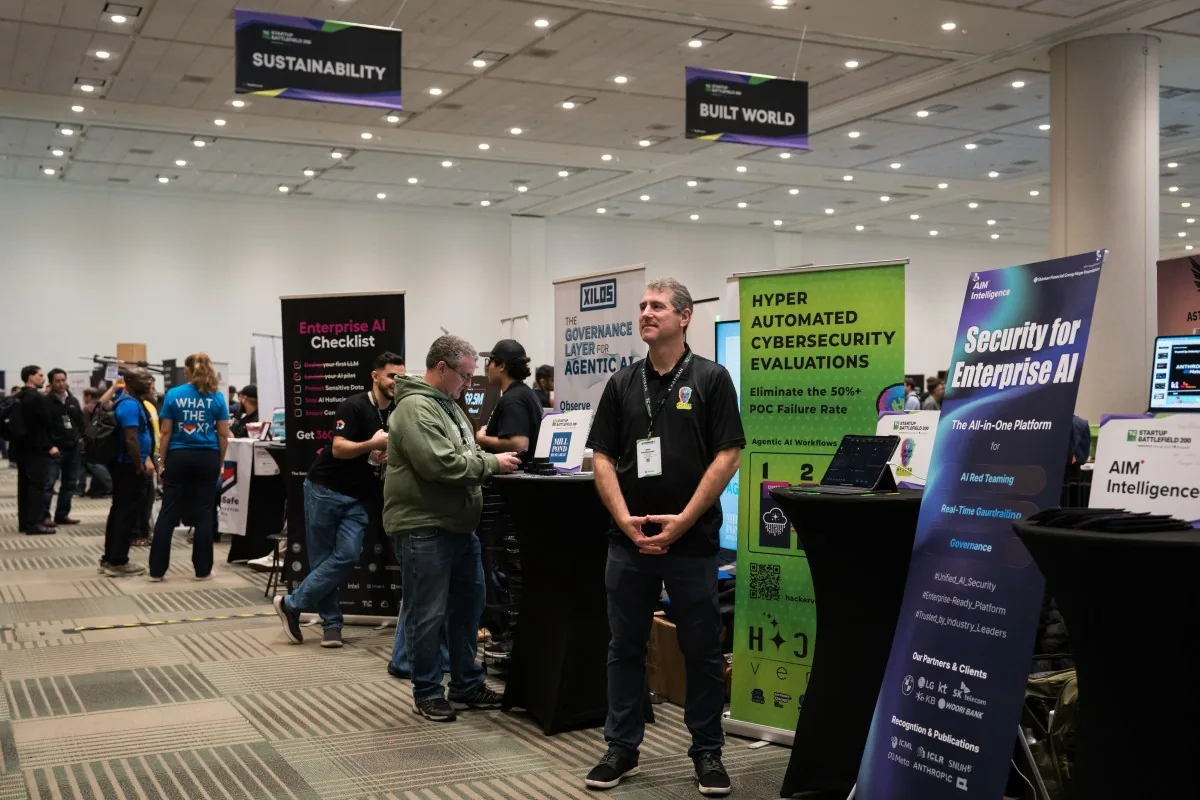
20 startups from Central Asia presented their projects at TechCrunch Disrupt 2026
The Tech
News IT
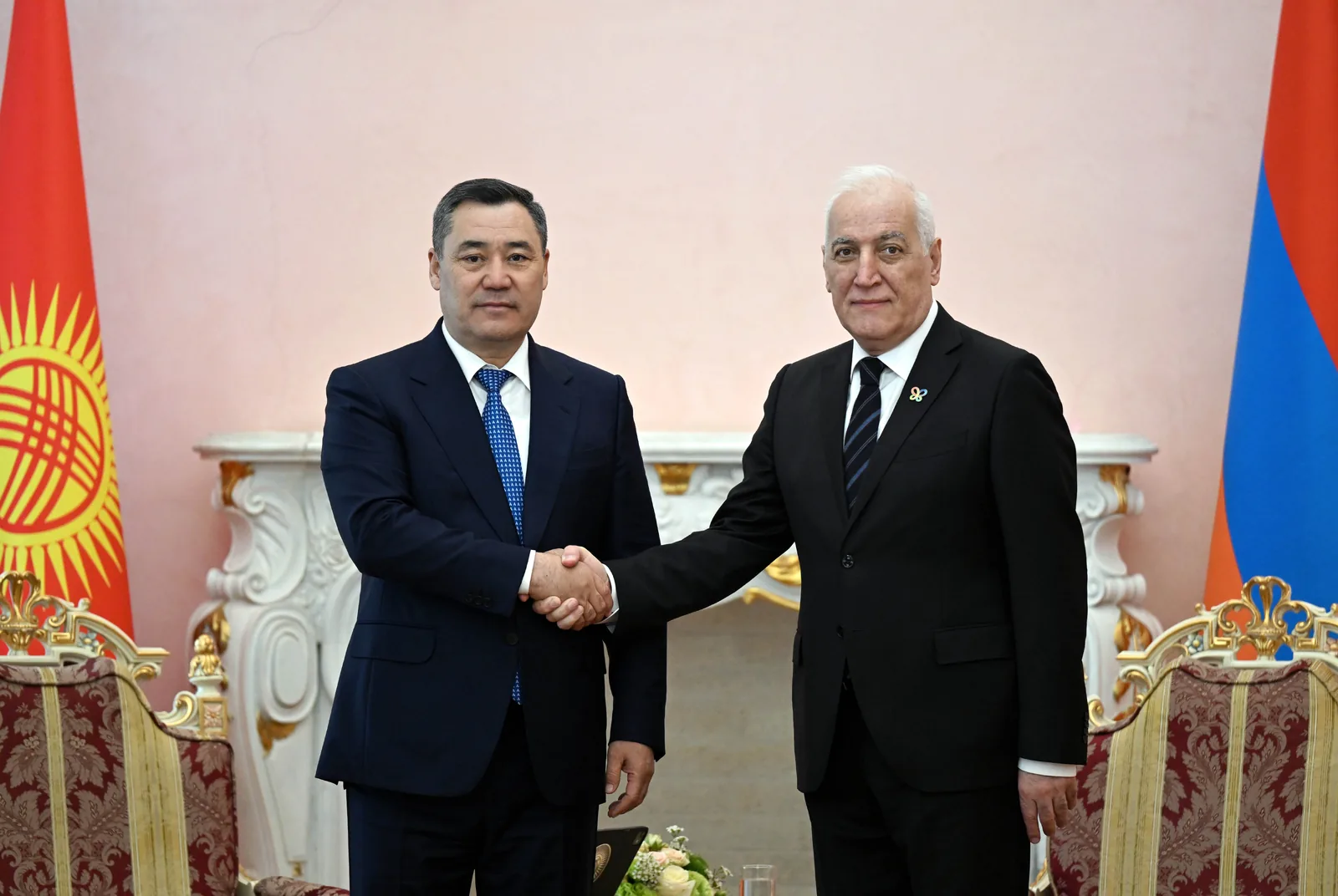
Kyrgyzstan and Armenia will consider the possibility of creating a joint AI enterprise
The Tech

News IT
Now on Kaspi.kz, you can trade in your old iPhone for a new one
The Tech
News IT
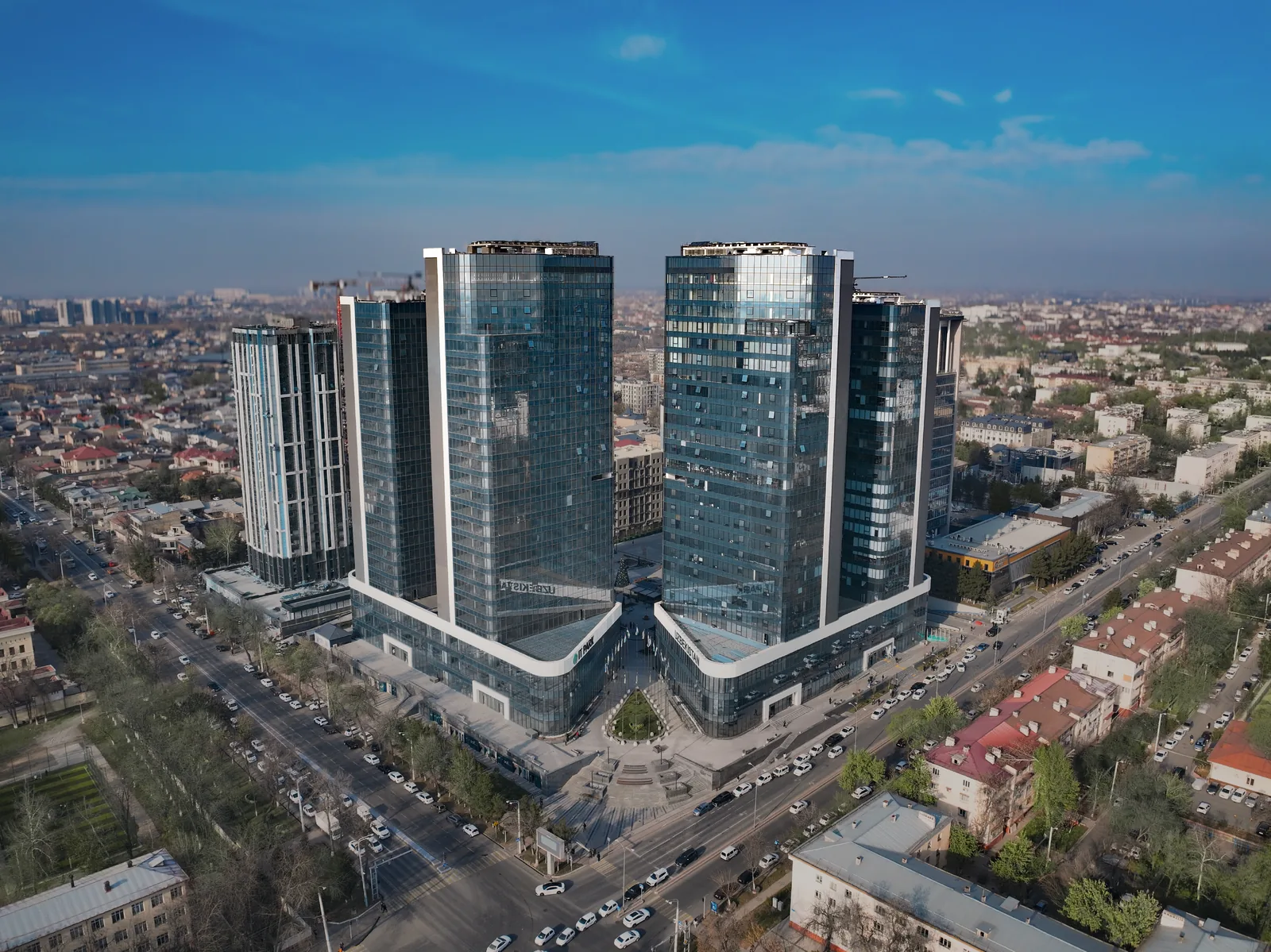
IT Park Uzbekistan became the best knowledge zone in the Asia-Pacific region
The Tech

Article Useful
How to protect your accounts from hacking: 8 settings you should check today
The Tech