How Kazakhstan can secure a place in the global semiconductor ecosystem through the startup TEXER.AI
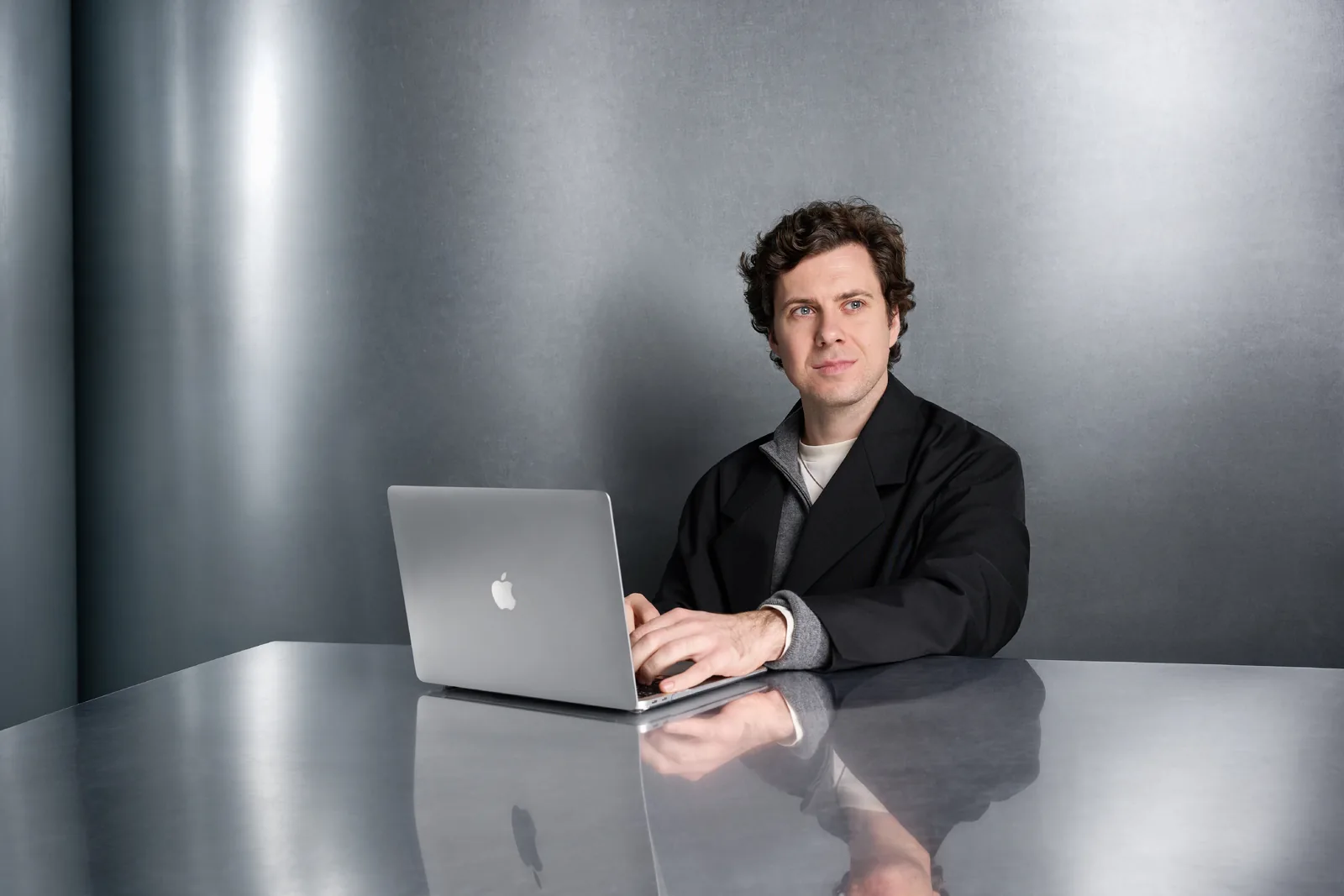
Nursultan Kabylkas, Founder/CEO TEXER.AI, Assistant Professor, Senior Software Engineer

The Tech AI
Get the key points in seconds - a short summary from The Tech AI.
Nursultan Kabylkas, Assistant Professor at NU SEDS, founded the startup TEXER.AI and the Maveric laboratory to advance microprocessor design in Kazakhstan. His goal is to bring the country into the global semiconductor market, focusing on chip verification, which does not require manufacturing. According to McKinsey forecasts, the market size will reach one trillion dollars by 2030, and according to Boston Consulting Group estimates, the US will face a shortage of 67,000 workers.
Nursultan Kabylkas, Assistant Professor at NU SEDS, has set an ambitious goal: to put Kazakhstan on the map of the global semiconductor industry. To achieve this, he founded the startup TEXER.AI, which focuses on developing advanced technologies for microprocessor design and verification. From an early age, Nursultan showed a deep interest in hardware architecture and design, striving to understand how processors work at a fundamental level. His professional journey began with earning a bachelor’s degree in computer engineering from Rochester Institute of Technology (RIT), where he laid a solid foundation in hardware development. After completing his studies, he continued his academic career at University of California, Santa Cruz (UCSC), where he defended his doctoral dissertation on creating more efficient and high-performance tools for microprocessor verification.
Today, his work is more relevant than ever. The COVID-19 pandemic highlighted the world economy's critical dependence on the semiconductor industry, prompting governments worldwide to invest billions of dollars in localizing microchip production. At the same time, the rapid growth of artificial intelligence and its ever-increasing demand for computing power have sparked unprecedented interest in developing high-performance processors.
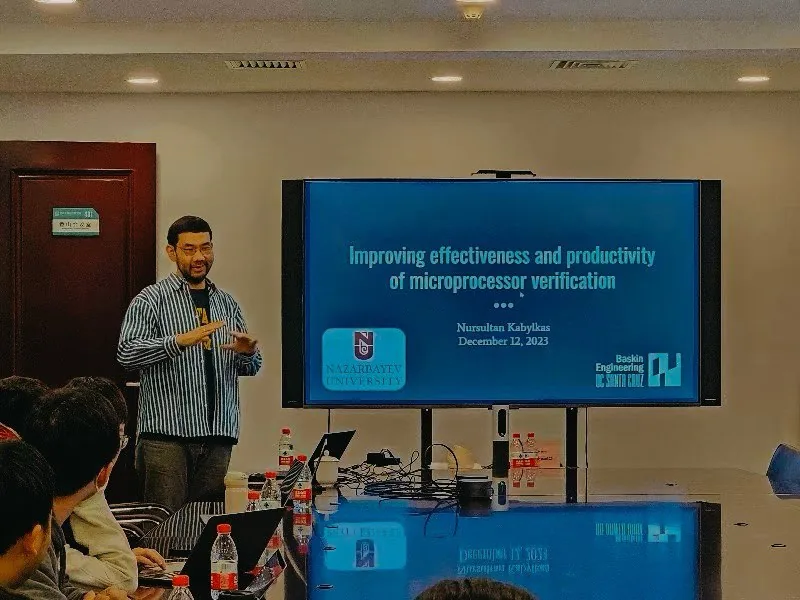
Creating chips is a complex process consisting of many isolated stages before the design goes into production. Design and verification are key steps in this process, and they do not require the presence of factories. All that is needed are computers, knowledge of how to do it, and a good reputation. We can work in Kazakhstan, attracting contracts from other countries. For example, in Armenia, thanks to the Soviet school of microelectronics established decades ago, they successfully attract foreign clients, and major companies establish laboratories there.
Focusing on design and verification is a promising direction that opens up global opportunities. According to analytical firms like Deloitte and McKinsey, this field suffers from a severe shortage of specialists. Training qualified personnel has become a key factor for success in this area.
If we can reach world-class levels in microprocessor design, Kazakhstan will not only make a significant contribution to the global industry but also attract leading market players as partners and clients.
To realize his goal, he created the Maveric (MicroArchitecture VERIfication Center) laboratory — a research group where scientists and engineers develop innovative solutions. However, Kabylkas understands that the future of the industry is impossible without training highly qualified specialists. He is developing unique educational programs aimed at preparing a new generation of engineers capable of solving complex problems and working with cutting-edge technologies. These courses are already attracting talented young people, laying a solid foundation for forming a professional community in this field.

Combining strategic vision, educational initiatives, and innovation support, TEXER.AI and Maveric are forming the basis for the growth of the semiconductor industry in Kazakhstan. Kabylkas is confident that developing this sector will not only strengthen the country's economy but also serve as a bridge to the global market, where Kazakhstan can occupy a worthy place.
Microelectronics: The Foundation of Modern Technologies
Microelectronics (chips) underpin all modern technologies, including artificial intelligence, data processing, and transmission. This industry is crucial for the development of sectors such as:
— industrial electronics
— automotive industry
— telecommunications
— defense sector
— healthcare.
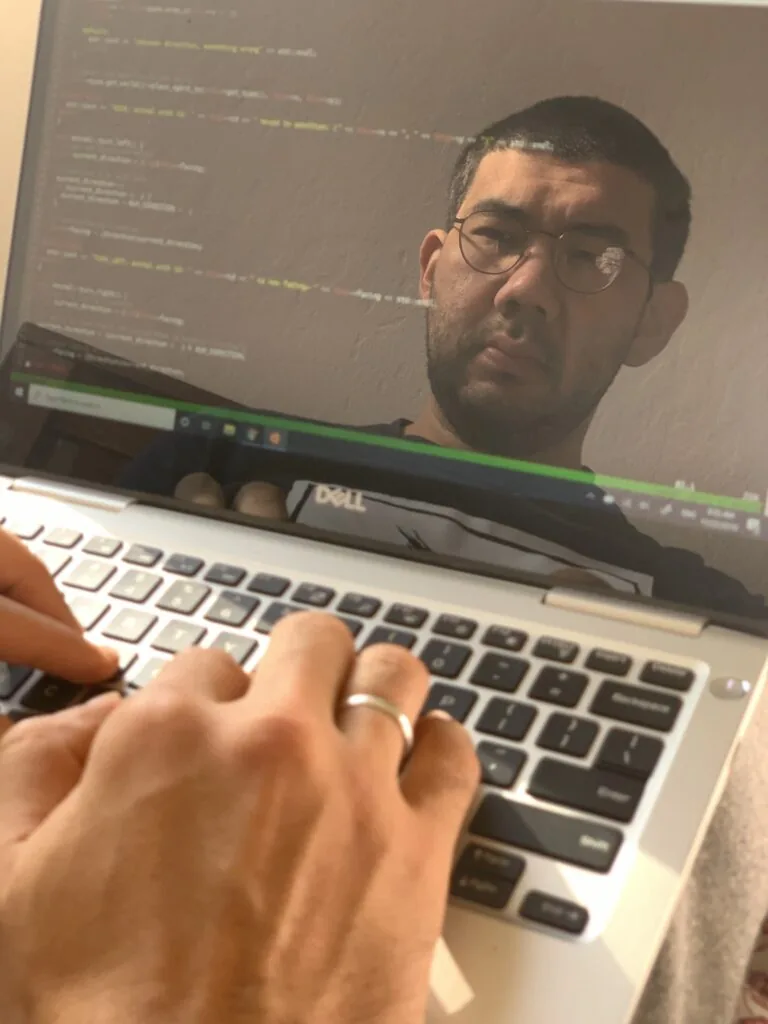
According to McKinsey forecasts, the global microelectronics market will reach one trillion US dollars by 2030. Innovations in this field are transforming people's daily lives and stimulating the development of national economies.
Market data confirms that chip design accounts for up to 40% of the value of a finished electronic product — more than materials, manufacturing, or testing. However, the chip design industry faces a serious challenge: a shortage of qualified specialists. Today, there are thousands of open positions on the global market, especially in critically important areas such as chip design and verification.
According to Boston Consulting Group estimates, the US alone will face a shortage of 67,000 specialists in this field by 2030.
This is why Kazakhstan should focus on developing chip design and verification to carve out its niche in this strategically important industry.
The Tech on Telegram Follow The Tech on Telegram
Keep up with the latest technology and startup news.
Related reading



More from this author

News IT
Google has solved one of the main problems in quantum computing
The Tech
News IT
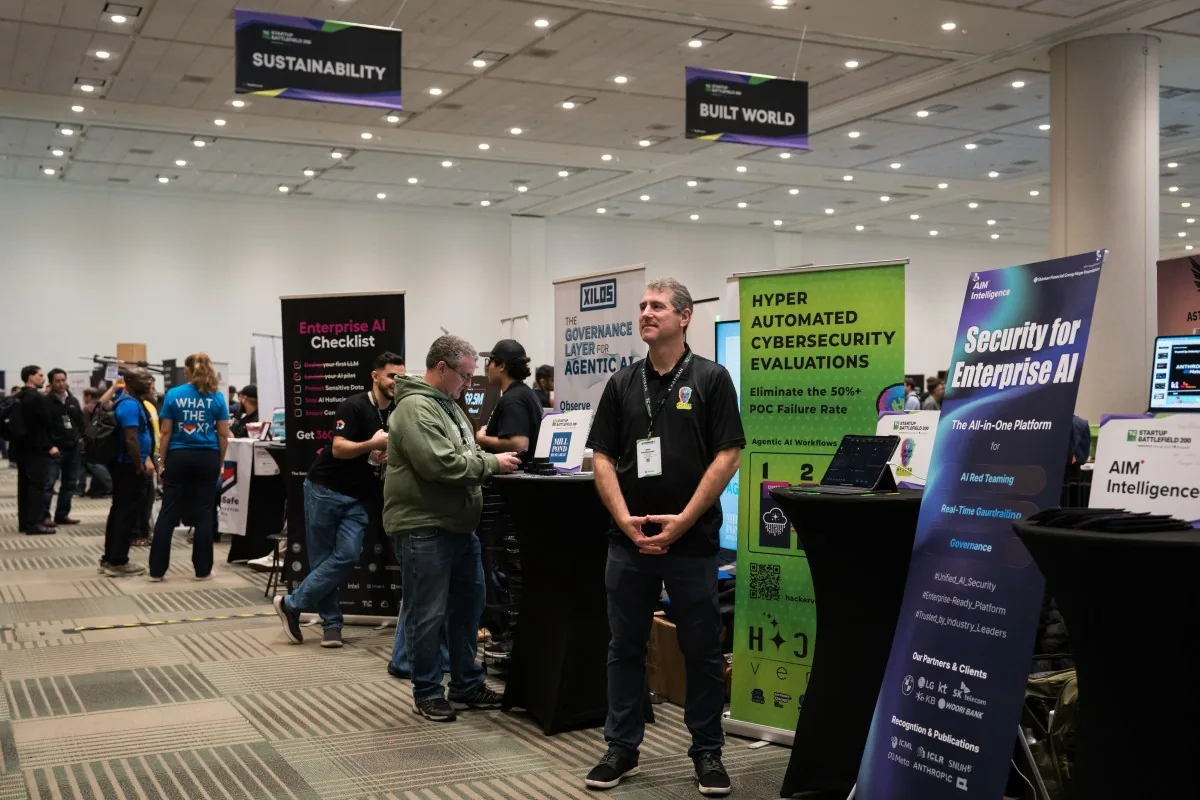
20 startups from Central Asia presented their projects at TechCrunch Disrupt 2026
The Tech

News IT
Kyrgyzstan and Armenia will consider the possibility of creating a joint AI enterprise
The Tech

News IT
Now on Kaspi.kz, you can trade in your old iPhone for a new one
The Tech

News IT
IT Park Uzbekistan became the best knowledge zone in the Asia-Pacific region
The Tech

Article Useful
How to protect your accounts from hacking: 8 settings you should check today
The Tech