How AI startup HiDoctor from Kyrgyzstan helps doctors identify HIV and other diseases
The founder of the HiDoctor startup, Nursultan Masalbekov, shared in an interview how a doctor's personal challenge and the lack of digital solutions in healthcare led to the creation of an AI product that assists doctors in Kyrgyzstan and Kazakhstan.
Author - Mansur Ismagulov
The Tech AI
Get the key points in seconds - a short summary from The Tech AI.
Nursultan Masalbekov, founder of Hi Doctor (Bishkek, Almaty), created an automation system for doctors in 2019; monetization began in 2024. The project integrates AI data analysis and a voice assistant, and is actively used in Kyrgyzstan and Kazakhstan. The company is self-funded, has completed acceleration programs at Unicorner and Astana Hub, and was selected for the Dive into Silicon Valley program. Plans include launching simulation trainers for medical professionals and expanding into the Central Asian market by the end of 2025.
Nursultan Masalbekov, cities — Bishkek, Almaty, diagnostician, founder and CEO of Hi Doctor, Twitter, Instagram
How It All Started
I am a doctor, and in 2019, while working in the medical field, I encountered a problem familiar to many specialists: the lack of automation and digitalization of clinical processes. I spent a huge amount of time on documentation and patient record management, which distracted me from my main work—diagnosis and treatment. Facing this issue, I realized that I needed to create a tool that would ease this routine and free up time for more accurate and rapid diagnosis. This became the beginning of HiDoctor.
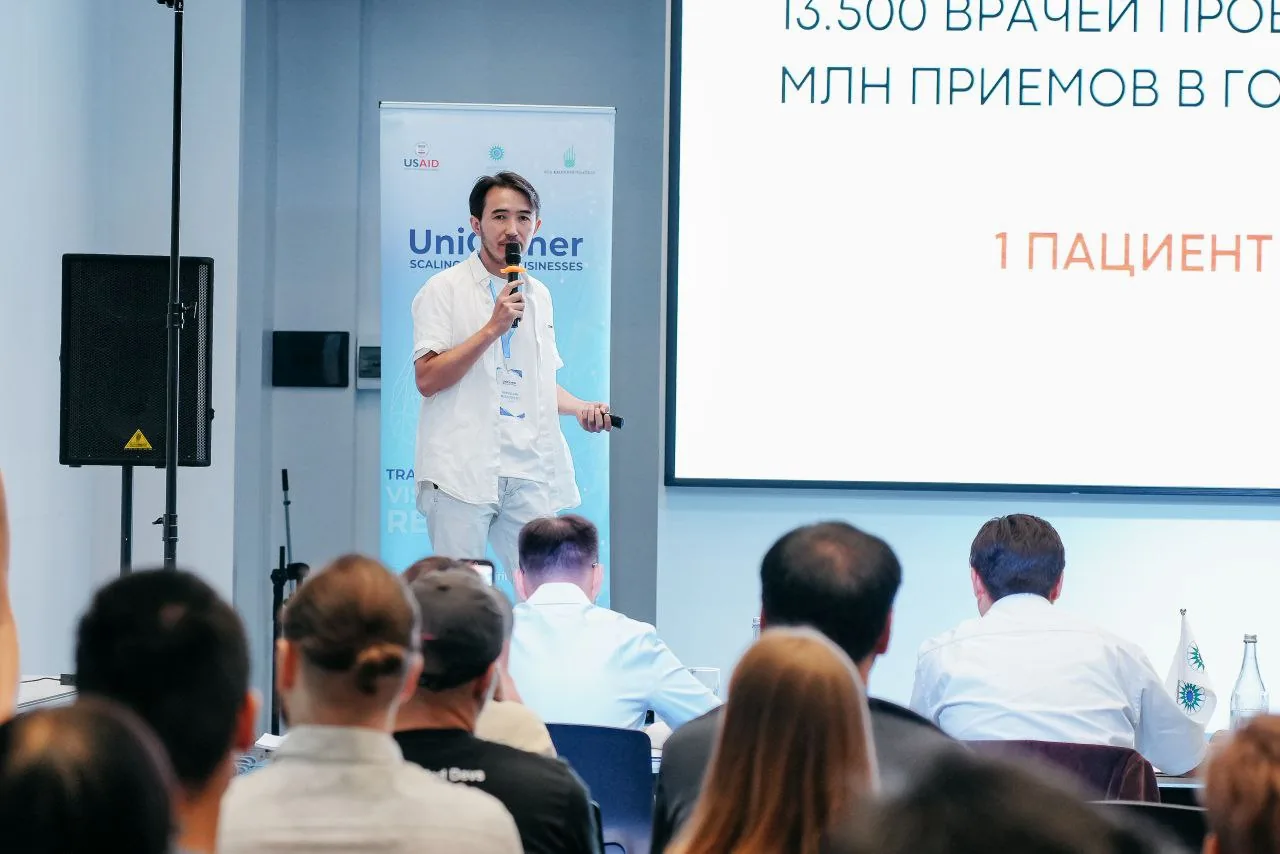
Initially, this was not a startup idea but merely a tool for personal use. However, over time, interest from my colleagues in the product grew, and I simply offered the system to my colleagues for convenience. Gradually, with feedback from users, the product began to improve, and we realized that we were creating a useful solution. The idea of monetization only emerged in 2024, when we decided to apply for the AP Kyrgyzstan Unicorner acceleration program.
Launching the Startup
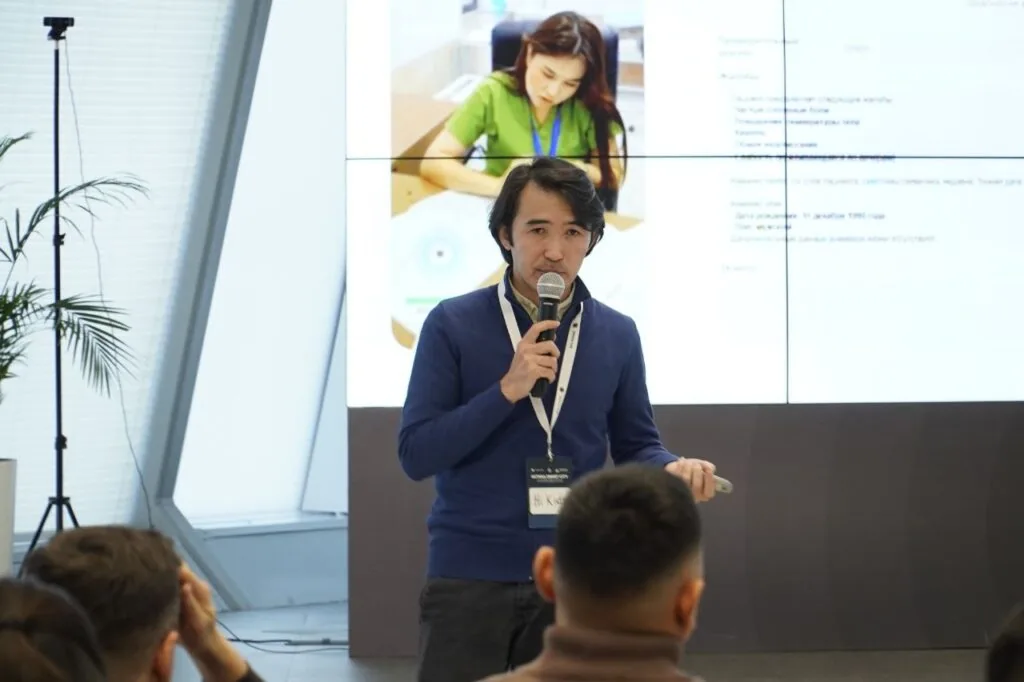
When I first started, I had no team, and I had to do much of the work myself. I immersed myself in IT, searching for solutions that could ease the workload not only for me but also for other doctors. Over time, processes became structured, and work became more efficient.
Later, the idea arose to integrate and train an AI model for analyzing clinical data. This allowed us to fully develop the product and work on its improvement. We enhanced the functionality and began developing new features, such as a voice assistant for doctors and telemedicine solutions.
Target Audience
Our clients are doctors, as well as clinics and medical institutions. We help doctors save time, improve diagnosis using AI, and automate routine processes. Patients also benefit—diagnosis becomes more accurate and timely, which helps identify potential problems faster. In one year, we were able to significantly increase the number of users and expand our presence in countries such as Kyrgyzstan and Kazakhstan. Our product is actively used in various fields of medicine—from general practice to cardiology and oncology.
Incubation Programs
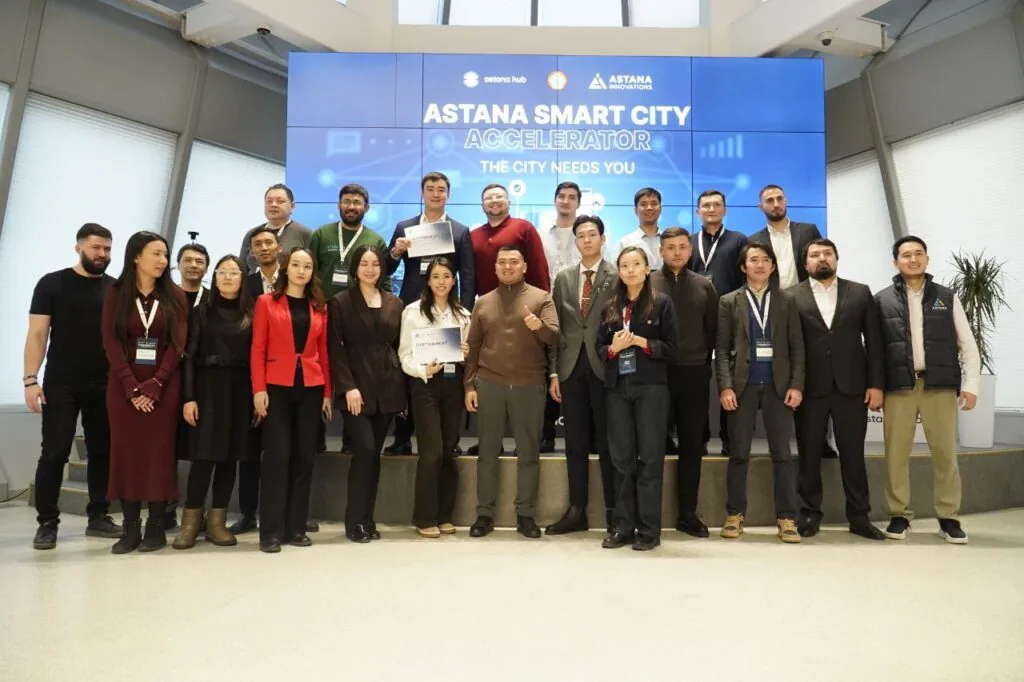
We fully fund the startup ourselves, as we currently do not see the need to attract external investments. However, we have actively participated in various acceleration programs. Our participation in the Unicorner program and Smart City from Astana Hub and Astana Innovations opened up new opportunities for us. We became one of the 10 pilot projects implemented within the city framework. We also applied for the international program Dive into Silicon Valley and successfully passed the selection.
All of this brought valuable experience and useful connections in just six to seven months. This is the beauty of working in a startup—everything develops rapidly, allowing for quick scaling of the project.
Challenges
The medical field is a conservative sector, and implementing new technologies takes time. Doctors are often cautious about innovations, as changes must comply with strict medical standards. The process of subscription and integrating the system into workflows takes considerable time, but with each successful implementation, we see increasing recognition of our system. A major difficulty was establishing interaction between different medical institutions and configuring the system to work with existing tools and standards.
One of the most interesting and emotional moments was when our product helped identify HIV in a patient based on their complaints. This was later confirmed by laboratory tests. Risks of cardiomyopathies, oncological diseases, and genetic disorders were also identified. Based on recommendations from our platform, heart defects and much more were detected. Each such case requires individual attention because it is not just about health, but about people's destinies and lives.
This became confirmation for us that technology can not only ease the doctor's work but also help save lives.
Achievements
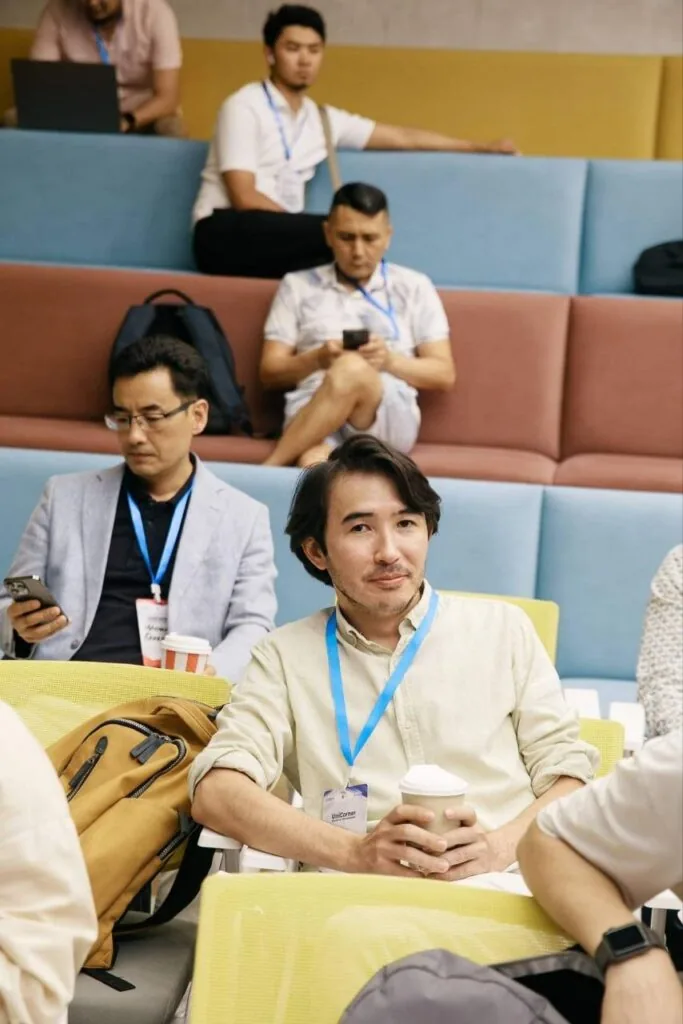
We are proud to have created a full-fledged ecosystem that unites key digital solutions in medicine. It includes: an automated doctor's workstation, an intelligent assistant for data analysis and clinical decision support, a voice assistant that generates medical documents based on the doctor's speech, and a telemedicine platform with NORAi—a system that analyzes patients' vital signs via video call.
Our product is actively used in two countries, and we continue to expand the market. Our cases have shown that the system helps not only reduce time spent on consultations but also improve diagnostic accuracy. We are confident that HiDoctor will continue to help doctors work more efficiently and patients receive high-quality medical care.
Plans
We are actively working on expanding functionality and deepening AI integration into medical practice. One of the key directions is education and training of medical personnel.
We are currently developing simulation trainers for students and residents, where they can safely practice on over 3,000 clinical cases. This tool will help improve the quality of specialist training and provide them with unique learning opportunities in conditions close to real practice. We have already tested this innovative approach to education and training at the simulation center of KGMA, and according to feedback, 97% of participants were delighted with our new educational solution.
By the end of 2025, we plan to launch several more pilot projects and continue expanding our ecosystem in other countries. Priority is currently given to Central Asian countries.
The Tech on Telegram Follow The Tech on Telegram
Keep up with the latest technology and startup news.
Related reading







More from this author

News
zypl.ai begins operations in Japan and focuses on next-generation risk models
Mansur Ismagulov

News
Elon Musk's net worth has exceeded $700 billion for the first time
Mansur Ismagulov

Article Interviews
"Central Asian countries should build a joint ecosystem," — Bekhzod Ismoilov on the development of AI in the region
Mansur Ismagulov

Article Interviews
Bloom's Taxonomy and Engineering Levels: A Practical Growth Model
Mansur Ismagulov

Article Useful
How the IT industry in Azerbaijan developed in 2025: key events
Mansur Ismagulov

News
Tajikistan has become a new member of the regional innovation alliance Central Asian Innovation Hubs
Mansur Ismagulov