How founders lose money: the most expensive mistakes of Enji, Deepen, and MoonAI
Startup failures rarely end with just lost money — sometimes they cost a stake in the company, months of work, or a failed pilot. We share which mistakes entrepreneurs consider the most costly and what rules they changed afterward.
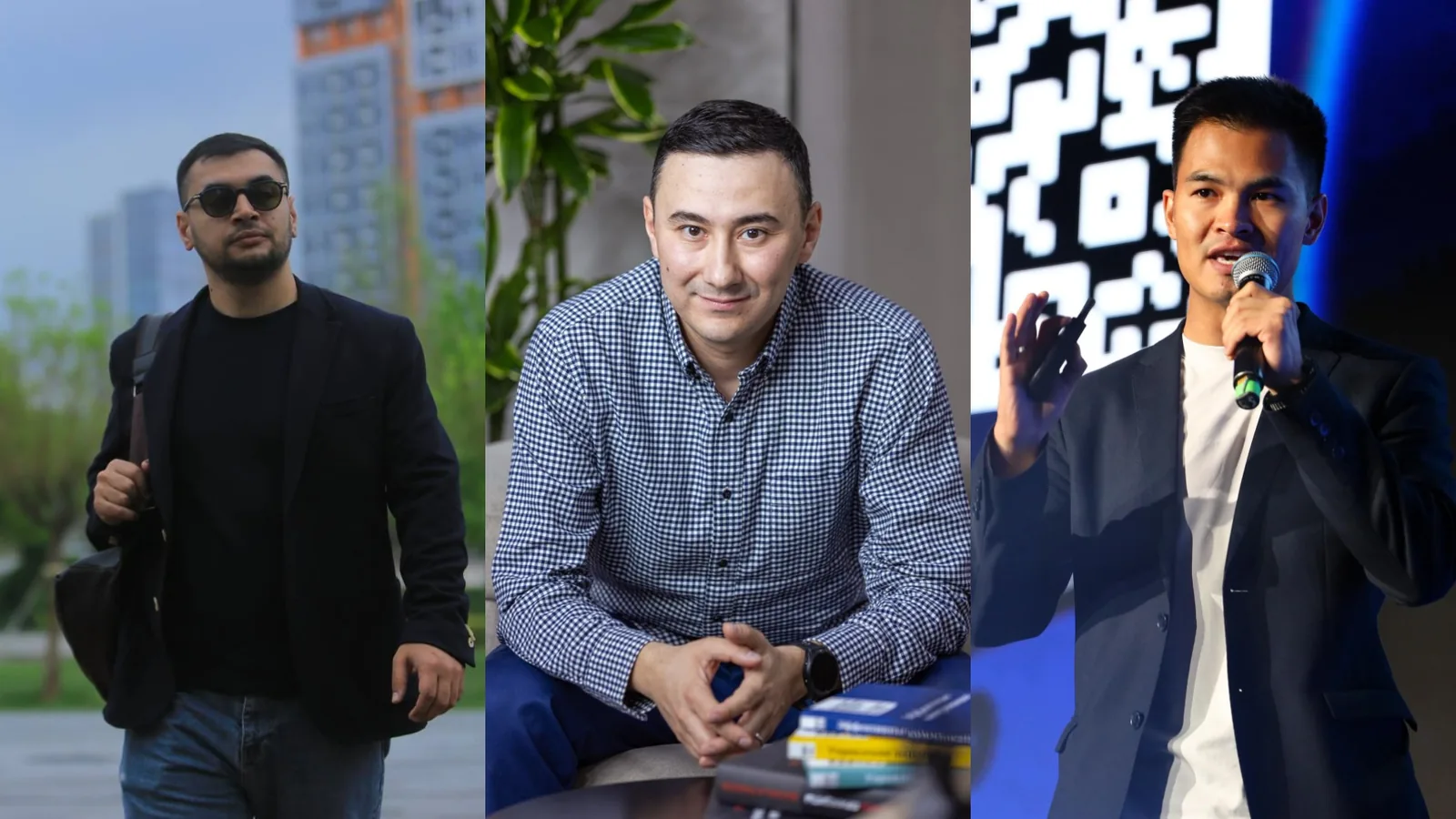
Abror Kholov, Regional Manager Enji, LinkedIn
The most expensive failure occurred in early 2026, when we began our expansion into Central Asia. A major client requested a pilot of Enji with a custom integration for a tool that was not on our list. They were willing to pay for the license but not for the development of the integration, arguing: “You do this for all your clients.”
We were ready to do anything just to secure a major name in the region. We didn’t even discuss the risks. At the time, I didn’t understand the main point: if a client asks to tailor the product to themselves before the start, their processes are non-standard, and the pilot will measure not our product but their uniqueness.
That’s exactly what happened. We built the integration, but the client’s internal processes turned out to be so unique that we had to bend the product further and further. Over three months, we burned about $15,000 in human resources. The pilot ended in rejection: the client was dissatisfied with the result because these processes became visible, but the problem lay within them, and the client decided to first build out their processes and then return to AI solutions.
The lesson that changed our rules: free custom development in a pilot is not an investment in the client; it is subsidizing their indecisiveness. Now, any non-standard integration in a pilot is paid. The paradox is that clients now take pilots more seriously: what you pay for, you implement for real.
Farhod Firkatov, CEO Deepen, LinkedIn
If I could go back now, I would have approached my first investment deal differently. Most likely, I would have raised less money and given up a smaller share of the company, and tried to stretch the funds over a longer period.
At that time, I had almost no experience in raising investments, and the venture market in Uzbekistan was just beginning to form. As a result, we agreed on a company valuation of $750,000 and raised $150,000 in exchange for a 20% stake.
Today, I understand that at that stage, we would have been fine with $75,000 for a 10% stake. After achieving more traction, we could have raised another $75,000, but under more favorable conditions and with less dilution.
So, at the start, I gave the investor a larger share than necessary. However, in the end, everything worked out well: when it came time for the second tranche, we revised the terms and agreed to keep the investor’s stake at 10%. Later, this allowed us to attract larger investments from a venture fund.
Therefore, my main conclusion is: don’t take too much money at the early stage. It’s better to take only as much as is truly needed for business development and try to retain a larger share of the company.
Askhat Adkhamov, CEO MoonAI, LinkedIn
My first failure was scaling too early, before we had clearly defined our Product-Market Fit. We tested many different hypotheses, and we ended up with directions that we probably wouldn’t pursue today. But since there is still a customer base there, they pay and generate profit, so we continue to support these directions.
For a startup, this is probably a minus. We developed some offshoots that now exist and operate independently. The startup is two years old, but we’ve only been growing actively in the last six months. The first year and a half were spent scaling unnecessary directions that today would bring us little to no benefit.
Today, I would do the opposite: focus on non-scalable things, but well, for a small, limited audience. Only when I realized that it worked so well for them that they were willing to recommend it to everyone and pay any amount for it, would I then proceed to scale.
Another mistake was that we didn’t develop with AI from the start. Now we encounter certain barriers when implementing AI in development. Our developers are hardcore coders who like to double-check everything themselves, release everything themselves, write code, and design architecture. Currently, my task is to properly integrate new technologies and stay on the cutting edge of those who test and implement everything first.
The Tech on Telegram Follow The Tech on Telegram
Keep up with the latest technology and startup news.
Related reading






More from this author

Article Useful
How to protect your accounts from hacking: 8 settings you should check today
The Tech

Article Useful
500 Global: How the Accelerator Works and Who Can Receive Investments
The Tech

Article Interviews
Game Development in Central Asia: Arkady Moldavski on Developing Reverb and the Growth of the Industry
The Tech

Article Useful
Google, Tesla, BlackRock, and the IMF: Where to Apply for an Internship in Fall 2026
The Tech

News IT
Tesla unveiled the flying electric car Roadster
The Tech

News IT
Intero Biosystems startup won the Startup Battlefield at TechCrunch Disrupt 2026
The Tech