How a girl from Uzbekistan created an EdTech startup for studying abroad and reached US schools
Along with IT Park Uzbekistan, we continue to introduce you to startups from Uzbekistan and their stories of entering international markets. Today, we tell you about TopCoach, an EdTech platform founded by Orzugul Goiybova, which began with her personal experience of studying abroad and, within a year, reached Silicon Valley and pilot programs in private schools in the United States. Read more in our article.

The Tech AI
Get the key points in seconds - a short summary from The Tech AI.
Orgul Goyibova founded TopCoach in August 2025. The platform unites over 20,000 users and around 50 mentors, collaborating with four schools in Uzbekistan. After participating in the Hero Training program in Silicon Valley, the startup adapts its product for the American B2B market.
Orzughul Goibova, city — Tashkent, founder of TopCoach
How it all began
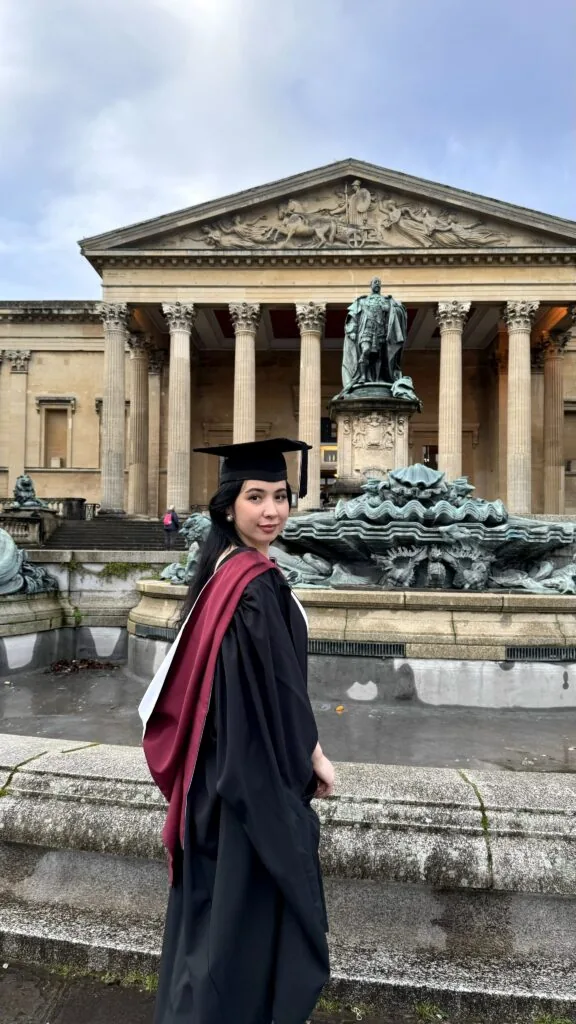
I personally went through the process of applying to a foreign university and saw how difficult this process can be. I lacked mentoring support, information was fragmented and not always reliable, and educational consulting was expensive.
The preparation took a lot of time and emotional resources. Later, I entered a university ranked in the top 50 global rankings, and I realized that my experience was not unique. Many strong students who want to receive an international education face similar problems.
Thus, the idea of TopCoach was born — to make studying abroad more understandable, systematic, and accessible.
Startup launch
TopCoach launched in August 2025. The first version of the product was quite simple: we connected applicants with students and graduates of leading foreign universities who had already gone through this path and could share their experience.
Over time, the product began to change. We added structured preparation programs, and then we started testing a B2B model together with schools.
At the moment, TopCoach works not only with individual students but also with educational institutions. Students receive individual support from students and graduates of foreign universities. Mentors help with choosing universities, documents, and essays, but do not do the work for the student. Their task is to guide them and help them independently build an application strategy.
At the same time, we work with schools and educational consultants. The platform allows you to connect students, track their progress, and control deadlines.
We cooperate with four private schools in Uzbekistan, and about 50 mentors work in the startup ecosystem. Since the launch, more than 20,000 people have used the platform.
Incubation program
The next important stage for us was Silicon Valley. We were looking for a program that would give not only mentoring but also the opportunity to better understand the American market, get acquainted with its entrepreneurial and investment environment, and test the product in an international context.
Thus, we ended up in Hero Training — a five-week acceleration program of Draper University of Heroes in San Mateo, California. For me, this was my first full-fledged experience of an international accelerator. Before participating in the program, I independently studied materials from YC Startup School and developed entrepreneurial skills through working on my own projects.
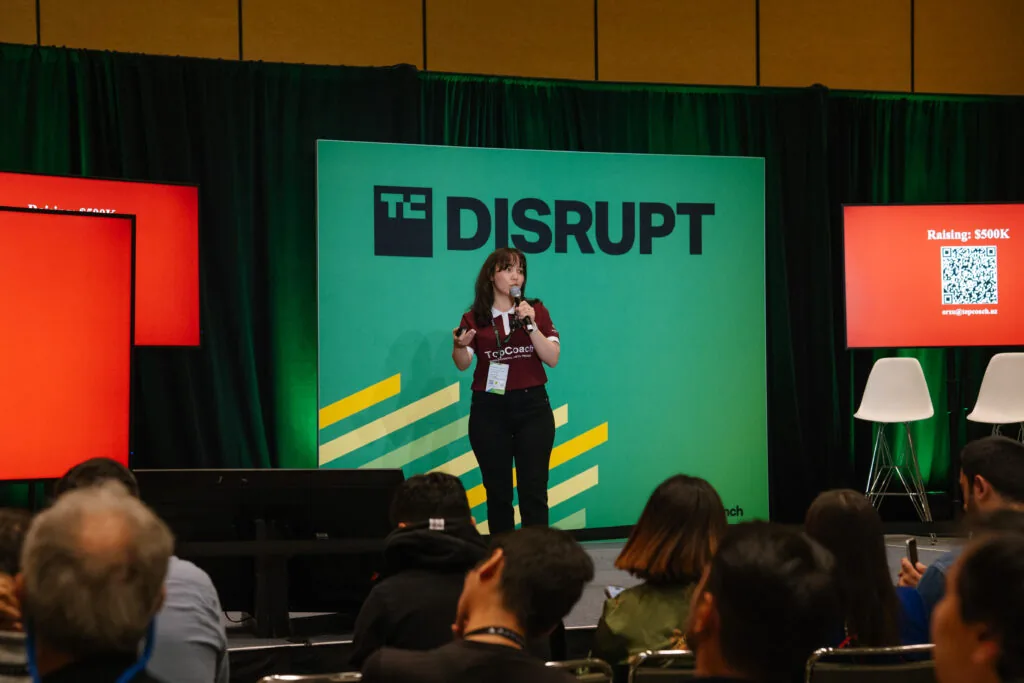
Within the framework of Hero Training, we worked on the product, sales, positioning, and attracting investments. We also had the opportunity to interact with entrepreneurs, venture capitalists, and product experts from Silicon Valley. Among the program experts were Tim Draper, Jason Calacanis, Charles Hudson, Troy Helming, and other specialists.
But one of the main results of the program for us was not the number of new contacts, but a rethinking of the business itself.
Difficulties
During the accelerator, we studied the American EdTech market in more depth and understood how working with schools differs from direct work with individual students. Schools have different decision-making processes, budgets, and requirements for the product. Therefore, we began to actively develop the B2B direction instead of focusing only on B2C.
For schools, we developed a separate product — an annual preparation program along with an AI dashboard for consultants and administration. With its help, you can track student progress, see risks in advance, and make decisions based on data.
After the program, two private schools in the US expressed readiness to test TopCoach. Currently, pilots are taking place in an informal format, without full integration of the product into the educational process.
For us, this is an opportunity not only to test the technology but also to understand how American schools make decisions about purchasing EdTech products, who participates in this process, and what is really important for administration and consultants.
Another important conclusion for me is that in a new market, you need to be ready to change the product and strategy. A good product is not enough. It is important to show real results, clearly explain the company's goals, and position the product clearly.
Achievements
After the accelerator, we received the first confirmations that the new B2B model works. Two private schools in the US are ready to test TopCoach. Currently, we continue to hold meetings with schools, discuss new pilots, and study the American market.
The accelerator also helped us show the updated product to international experts, receive direct feedback, and clarify the scaling strategy.
Important results were also new professional connections. Contacts we received during the program help us reach out to potential investors and partners.
Plans
Our main focus is the development of the product for schools and gradual expansion into foreign markets. We continue to look for schools to pilot the product in the US, hold meetings with potential partners, and conduct fundraising with venture funds.
For us, Silicon Valley became an opportunity to understand where to move next. Entering the international market does not necessarily begin with scaling. First, you need to come to a new market, talk to clients, understand how their needs differ from the usual ones, and be ready to change the initial model.
The Tech on Telegram Follow The Tech on Telegram
Keep up with the latest technology and startup news.
Related reading






More from this author

Article Useful
How to protect your accounts from hacking: 8 settings you should check today
The Tech

Article Useful
500 Global: How the Accelerator Works and Who Can Receive Investments
The Tech

Article Interviews
Game Development in Central Asia: Arkady Moldavski on Developing Reverb and the Growth of the Industry
The Tech

Article Useful
Google, Tesla, BlackRock, and the IMF: Where to Apply for an Internship in Fall 2026
The Tech

News IT
Tesla unveiled the flying electric car Roadster
The Tech

News IT
Intero Biosystems startup won the Startup Battlefield at TechCrunch Disrupt 2026
The Tech