How to grow quickly and effectively in IT and create solutions that are used at the Super Bowl and Spice Girls concerts
We also spoke with employees of Mercury Development to learn their opinions about working at the company.
Author - Mansur Ismagulov
The Tech AI
Get the key points in seconds - a short summary from The Tech AI.
Mercury Development is an international IT company that collaborates with Google, Fitbit, and Cisco. The company develops projects for FAANG corporations, including the AI trainer Tonal and the event-apps platform in the CIS region. The staff consists of international teams where employees can grow within the company without rigid career ladders.
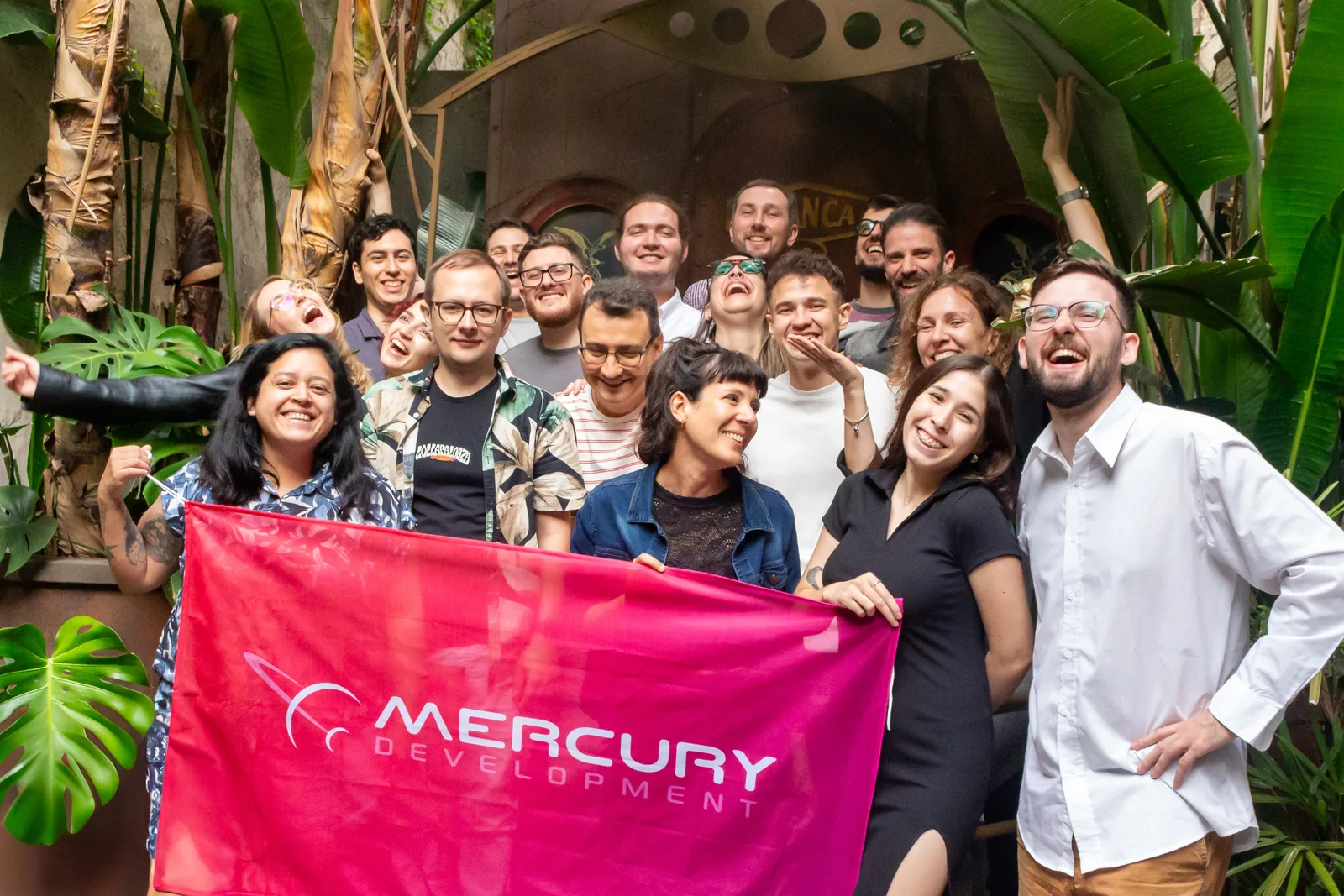
Mercury Development is an international IT company creating products used by millions every day. Their clients include Google, Fitbit, Monster Energy, Cisco, and hundreds of other companies around the world. But what’s even more interesting is how «Mercury» builds projects, and most importantly — who builds them.
We spoke with Evgeny Demyanenko, Chief Brand Officer at Mercury Development, and employees from various countries to understand: how to grow within an international company, advance internally without losing yourself — and why «Mercury» is paying particularly close attention to the Kazakhstan market today.
Evgeny Demyanenko, Chief Brand Officer at Mercury Development

Features of working at Mercury Development
Working on international IT projects significantly impacts the professional development of specialists. You’re not just writing code — you’re solving problems that affect the experience of millions of users, which quickly makes you more attentive, meticulous, and mature in your profession.
We had a project developing software for LED panels. A year later, we saw them at the Super Bowl, in a Coldplay music video, and at Spice Girls concerts. A pleasant surprise.
Or, for example, when we integrated Fitbit with Samsung Android smartphones. Android didn’t yet support Bluetooth 4.0, the SDK was closed, and there was no documentation — so the team performed reverse engineering to make everything work. And it did. And it worked for a long time.
And of course, almost all our teams are international. This immediately teaches people to be flexible, to listen to and understand people from different countries. In such a team, you’re not just writing code; you’re solving real-world problems at the level of FAANG corporations.
Today, we are developing an AI-based project for home fitness — a smart trainer that adapts the workload in real time. This is not a “concept”; it is production-ready. It is exactly such tasks that give the team a sense that they are building the technologies of tomorrow.
Our expertise goes far beyond standard application development. For example, we developed a mobile companion app and firmware for a home AI trainer before AI appeared in every iron. The trainer is called Tonal. It replaces an entire fitness club, but is located in your home and takes up no more space than a wall-mounted pull-up bar. Moreover, it independently calculates individual load progression for each user and generates detailed workout reports.
We also launched an event platform, which marked the beginning of the entire event-apps market in the CIS. Such projects help you understand how IT works in everyday life and real business.
We even joke internally that “we have one of the most expensive universities”: to join Mercury Development, you just need to be curious and not afraid of failing. Everything else comes through projects.
About career growth

We try not to build career ladders, but rather create an ecosystem where growth becomes a logical step.
We have Mercury PRO meetups, where you can share your experience or listen to colleagues. At some events, we even organize battles between our QA and frontend developers. There is mentoring, access to libraries, and the opportunity to participate in new projects. And most importantly — no one holds anyone back: if you want to grow, grow.
We are not afraid to reinvent ourselves. A few years ago, we moved from purely native development to cross-platform solutions — Flutter, React Native. This gave us flexibility, increased launch speed, and allowed us to attract more talent not tied to a single technology.
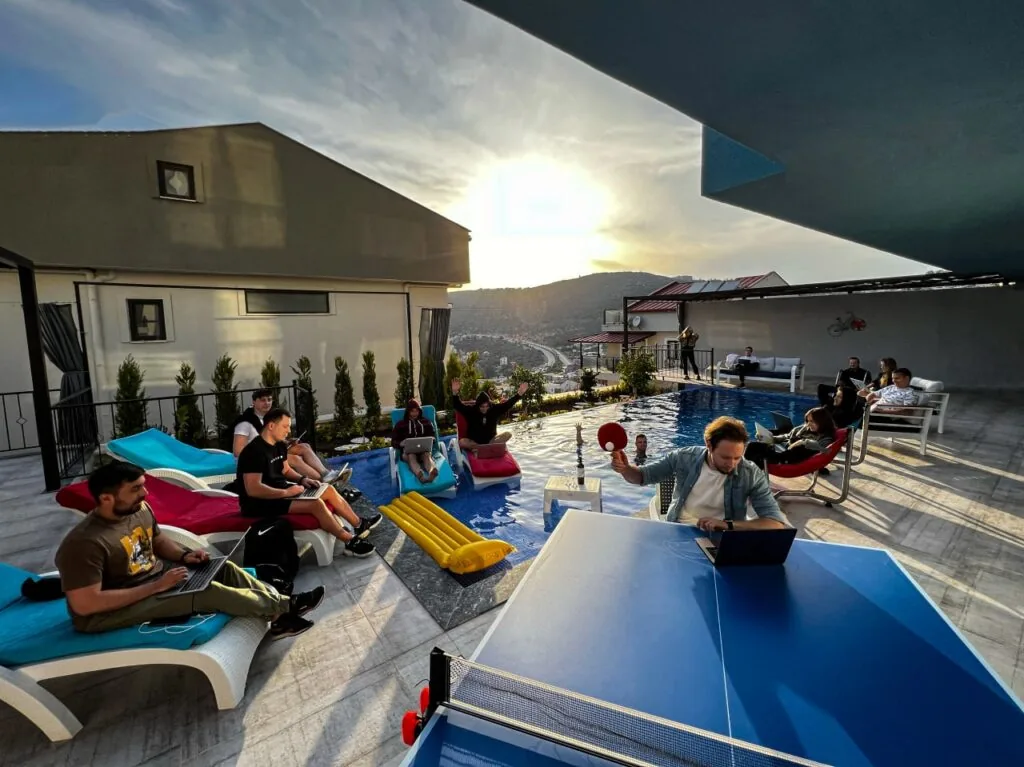
And of course, flexible schedules and remote work. We don’t just give the opportunity to work remotely — we ensure it. Equipment, infrastructure, onboarding, AI assistant — all of this allows people to be effective regardless of geography. We have team members who work with Western clients from small towns in Kazakhstan. Or, for example, people who have been working on major projects for many years while traveling the world from Asia to Europe.
We have no ceiling: if you want, you can grow from a junior to a team lead. If you want to change direction, you can move from business analysis to frontend, as Egor Denezhkin did, or go from QA to manager, as Zhenya Zhdanova did. And we have many such examples. You just need to be honest with yourself and not wait for someone else to build a path for you. The main thing is that you must want to develop yourself.
Key mistakes that hinder career growth
The main mistake is waiting. Waiting for someone to notice, offer, or push you. But in IT, and especially in an international environment, growth is an active action.
The second mistake is working on the principle of “it’s not my problem.” When a person looks at a project as if it belongs to someone else, they are perceived that way. But those who say, “Let me figure it out,” or “Maybe I’ll try taking this task?” — it is they who grow.
And third — underestimating communication. Sometimes people think: “I write great code, what else is there?” But it’s also about being able to explain your decision, listen to counterarguments, and reach an agreement. This is not an elective. It is a hard skill, just of a different type.
Everything else is a matter of technique. If you know how to listen, are not afraid to take a step forward, and feel responsible for the overall result — you will definitely grow at “Mercury.” And we will help you with that.
How the company helps adapt to global projects
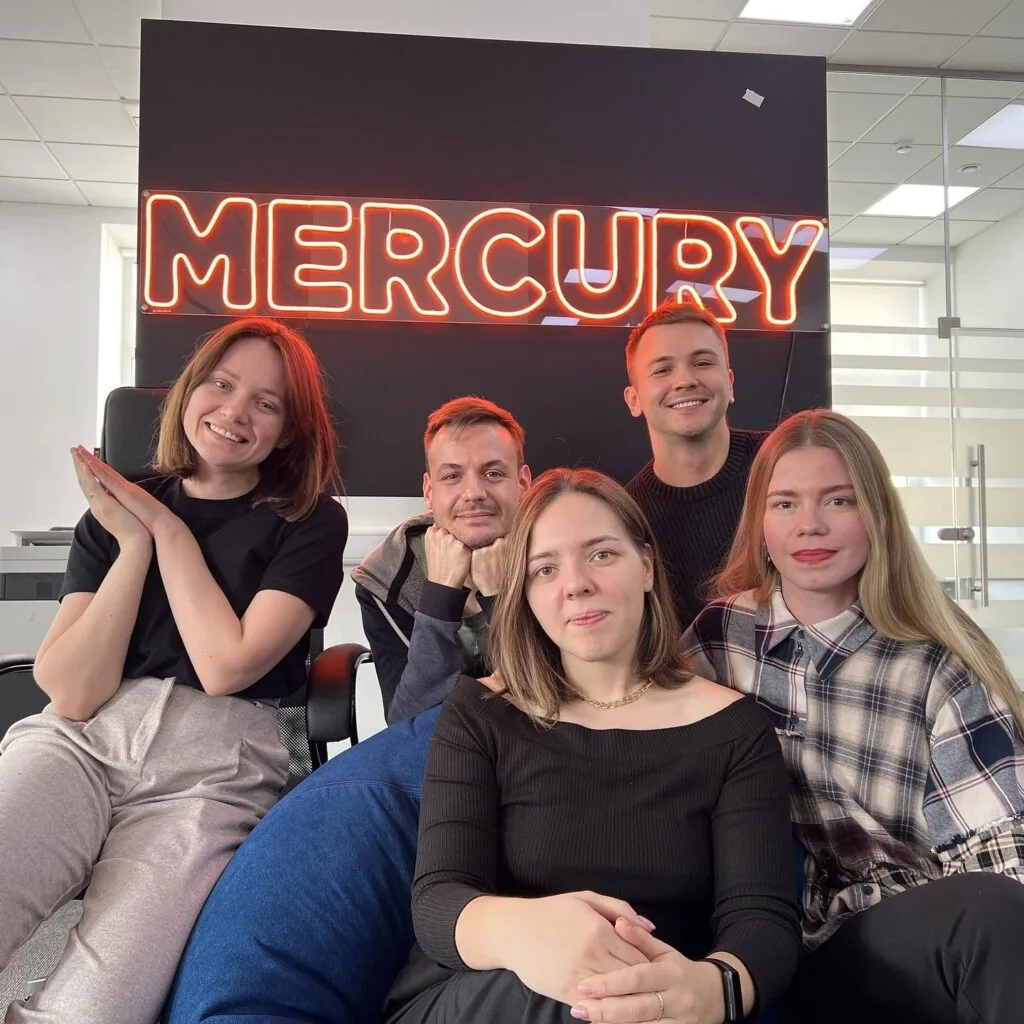
We understand that working in an international team can be intimidating at first. Especially if you haven’t communicated directly with clients or led calls in English before. Therefore, our task is to ensure that a person doesn’t feel like they are “alone in the deep.”
We developed our own platform that helps newcomers take their first steps — from getting to know the team to completing initial tasks. Inside our knowledge base, there is an AI assistant that will advise on everything: from “how to apply for sick leave” to “how to request feedback.”
Almost every team has a mentor, a person who will always be nearby. Not just a “team lead by role,” but someone who has already walked this path and can say: “I was confused at the beginning too — look, here’s how it’s simpler.”
Also, from day one, you work in an international environment. 85% of our teams are international. This might sound scary, but in reality, it is powerful growth. You learn to speak simply, listen carefully, and be flexible in communication.
We are building a culture where it is not scary to ask questions. Where mistakes are not failures, but growth points. We don’t judge for the first “I don’t know” — we help turn it into “now I know for sure.”
3 tips for career growth in IT
- Start, even if it seems like you’re not ready. At “Mercury,” no one waits for perfection. We believe the most important thing is the desire to grow. We have team members who started as juniors and today negotiate with clients from the US and manage development across multiple platforms. Because they weren’t afraid to take the first step and say: “I want to try.”
- Develop the skill of speaking. We often focus on technologies, frameworks, and stacks. But in an international environment, you need not only to create something cool but also to explain why you did it that way. This is about English, clear thinking, and the ability to listen. This is not just soft skills — it is a working tool without which you won’t get far.
- Don’t be afraid to change and find yourself. Within “Mercury,” people move from analytics to development, from QA to management, from content teams to business roles. And this is not “jumping around”; it is growth. If you feel like you want to try something different, we don’t perceive it as weakness. We perceive it as maturity.
If you want to grow — be alive, curious, and honest with yourself. We will teach you the rest.
How they joined Mercury Development
Evgenia Zhdanova

I’ve been in IT since university, and as soon as I realized I wanted to combine studies and development, I sent my resume to “Mercury.” I didn’t pass the first time — but I understood how the process works and what to focus on. A year later, I returned — and got in. I started as a QA junior, then became an analyst, and now I am a project manager. All of this wasn’t about “being noticed,” but rather “being ready to take responsibility when the opportunity arose.”
Egor Denezhkin

I joined “Mercury” as a Junior Business Analyst. Back then, it seemed like it would be hard for a humanities graduate to fit in, but I decided: “Why not?” and went into IT. I tried to get into an internship at Mercury Academy — it didn’t work out. A year later, I was finally hired as a Junior Business Analyst. Over time, I became interested in development — and the company gave me the opportunity to try. I started taking frontend tasks, passed the probation period, and now I am a full-fledged developer. I write code, show features to clients myself, and enjoy the feeling: “it works — and I made it.”
Sergey Ofitsierov
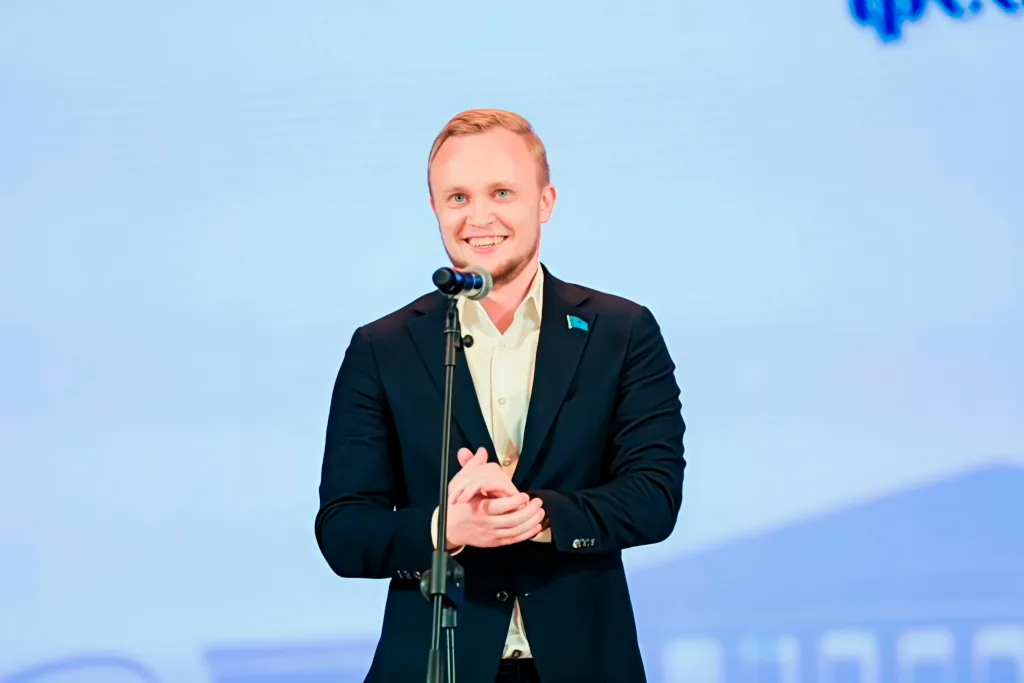
My path to “Mercury” started unusually: first, I helped launch the company’s office in Kazakhstan. At that time, IT in my hometown was just gaining momentum, and the opportunity to work in an international company seemed like something from a movie. But it turned out to be reality — and after launching the office, I decided not to limit myself to an administrative role and consciously moved into the technical side. I started learning testing, studying everything from scratch, while juggling multiple jobs. Today, I am a QA engineer and manage the Mercury hub in Kazakhstan.
Which skills or qualities helped advance in the company
Evgenia. Calmness. The ability not to take project chaos personally. The drive for development and willingness to take responsibility. And, perhaps, flexibility. Sometimes you are a QA, and six months later — a lead analyst. Our company values when you not only do your job well but also show interest in what’s next — what can be improved, where to grow. At first, this helped me become a QA lead, then move into analytics, and later manage projects.
Egor. Curiosity. I never stopped at one thing: if I see an interesting topic, I start digging. I was always more involved in processes than required. This was noticed, and when I wanted to move into development, I was given the opportunity. And, of course, empathy — you’re not just writing code; you’re solving someone’s problem.
Sergey. Consciousness and a systematic approach. From the very beginning, I understood that I didn’t just want to “work in IT,” but to truly become a specialist. Which meant I had to learn, delve into processes, and not be afraid to ask if I didn’t understand something. Also — initiative. When you don’t just do what you’re told, but propose improvements, and your team feels it — that’s when growth begins.
Features of working in an international team
Evgenia. The hardest part is the English language. Not academic, but live, conversational. Negotiations with clients are not about language level, but about confidence. The turning point for me was when I started “mirroring” colleagues — repeating their phrases and intonations. Gradually, this gave me confidence.
Egor. At first, it seemed like I wouldn’t be able to explain my ideas. But an international team is not an exam where you are evaluated. These are people who want to create a good product with you. Understanding this makes it easier.
Sergey. The biggest challenge is adapting to new standards. In an international team, everything must be clear: from documentation to communication. But at the same time — there is a supportive atmosphere where no one leaves you alone with a problem. We communicate with both clients and colleagues from other countries, and this experience teaches not just English, but the ability to be understood anywhere in the world. This significantly boosts your professionalism.
What has become the most valuable experience in your work
Evgenia. Realizing that it doesn’t matter where you sit — in Samara, Uralsk, New York, or on a kitchen in Lisbon. You influence a product used by millions. And that drives you.
Egor. Looking at a task from different perspectives. As a business person, as a developer, as a user. This helps you do not just “according to the spec,” but better than expected.
Sergey. The feeling that you are not working for a line in your resume, but for a real product used by people around the world. This forms a different level of responsibility. You see how your decisions affect product quality, how the entire system works, and gradually become part of this system — confident, reliable, and resilient.
Tips for those who want to develop in IT and reach an international level
Evgenia. Don’t be afraid to start — many people at Mercury started without much experience. Here, it’s not about knowing everything right away, but wanting to learn. The company will provide tasks, mentors, and teams where you can grow; the rest is up to you.
Egor. Be active and curious. You can calmly say here: “I want to develop in this direction” — and you will be heard. Here, conditions for growth are truly created, not just mentioned in job descriptions.
Sergey. Clearly understand why you came here. If you want to become a true expert, you need to know how to build a route: set goals, track progress, and not be afraid to change along the way. Also — work in the right environment. “Mercury” is exactly such an environment: here you get not just tasks, but support, mentoring, and a real opportunity to grow, step by step, without chaos and randomness.
Conclusion
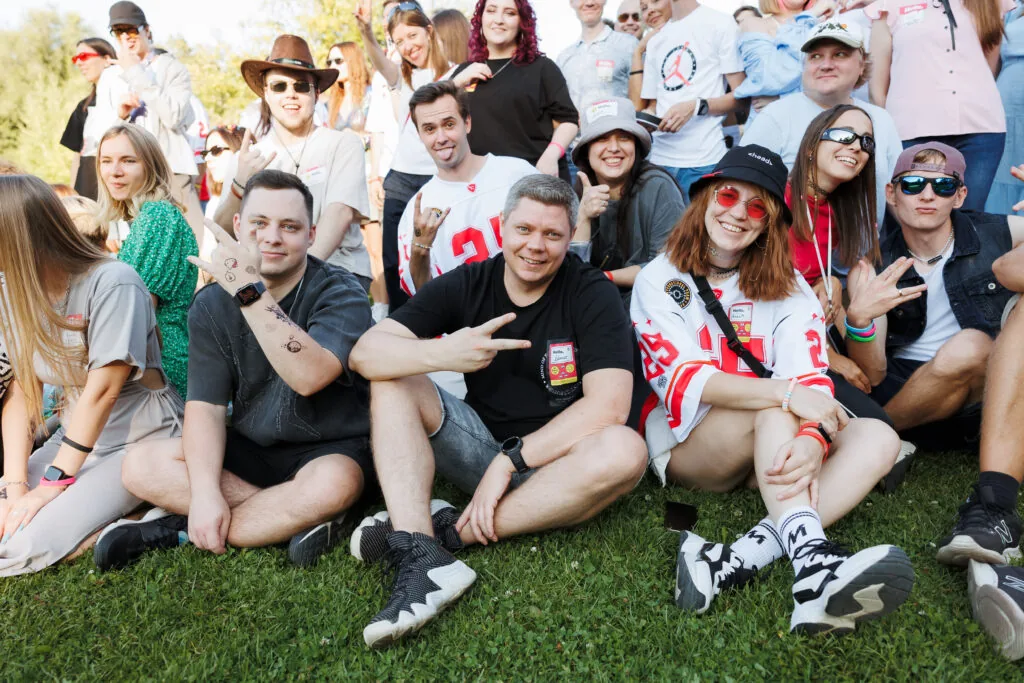
Mercury Development is not just an IT company, but a space for growth, experiments, and a genuine technological race. Here, ambition, curiosity, and the desire to create solutions used at the world’s largest events are valued.
You can learn more about the company on Telegram and Instagram.
The Tech on Telegram Follow The Tech on Telegram
Keep up with the latest technology and startup news.
Related reading







More from this author

News
zypl.ai begins operations in Japan and focuses on next-generation risk models
Mansur Ismagulov

News
Elon Musk's net worth has exceeded $700 billion for the first time
Mansur Ismagulov

Article Interviews
"Central Asian countries should build a joint ecosystem," — Bekhzod Ismoilov on the development of AI in the region
Mansur Ismagulov

Article Interviews
Bloom's Taxonomy and Engineering Levels: A Practical Growth Model
Mansur Ismagulov

Article Useful
How the IT industry in Azerbaijan developed in 2025: key events
Mansur Ismagulov

News
Tajikistan has become a new member of the regional innovation alliance Central Asian Innovation Hubs.
Mansur Ismagulov