How an Azerbaijani startup helps children become financially literate
KidFi — an educational platform from Azerbaijan that helps children learn the basics of financial literacy through animation and gamification. Co-founder Asif Ibrahimov shared insights into the startup's creation, its business model, and plans for expanding into international markets.
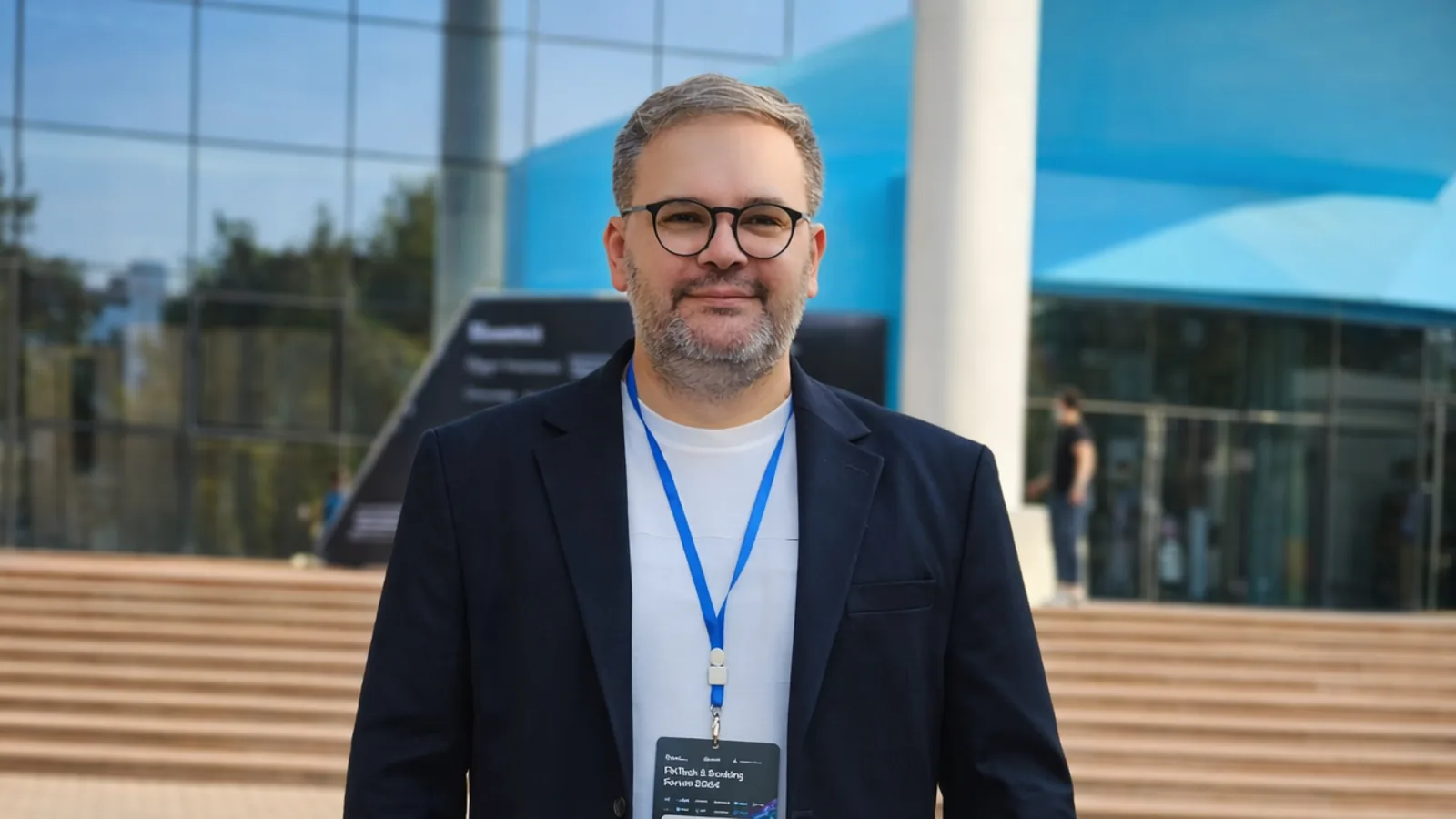
Asif Ibrahimov, city — Baku, CEO, Linkedln
About me
I have been involved with startups for about 15 years — roughly since 2010. I have had around 10 different projects, several of which ended in successful exits. I have sold some projects to government agencies.
At the same time, I am the official technical representative of Apple in Azerbaijan and work on high-value projects for the country.
How it all started
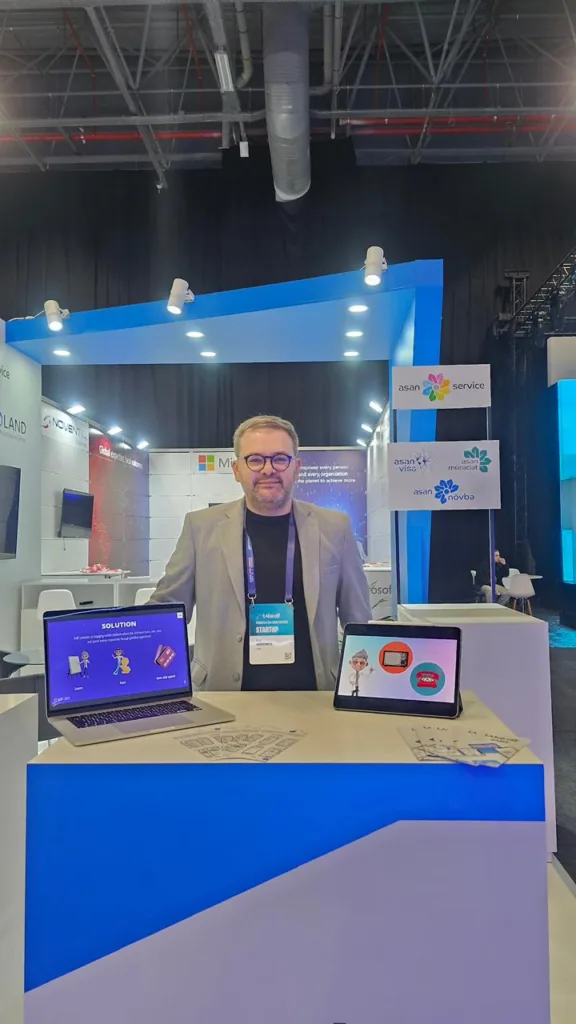
Currently, I am actively developing our startup, KidFi. Its idea emerged from observing the problem of financial literacy. This is particularly evident among people who grew up during the Soviet era: we were never taught how to handle money — what it is, how to manage it, and how to keep a budget.
In childhood, the most we did was ask our parents for money for certain purchases. They might give it to us, but no one explained how to manage it properly.
When a person grows up and becomes independent, they realize that there is no one else to ask for money — they need to earn it themselves. However, due to a lack of basic knowledge, many people simply start spending money, taking out loans, and closing one obligation with another month after month.
I saw a significant gap in this area. At the same time, we spoke with acquaintances, conducted small surveys, and noticed that their children faced the same problem — even though their parents often worked in the technology sector.
There is another side to this: we are constantly busy — we work all day, return home late, and simply do not have time to explain the basics of financial literacy to our children.
As a result, the situation repeats itself: a child asks for 10 manats or 10 dollars, parents give the money without discussing how to manage it. No one suggests, for example, distributing the amount over a week or saving some of it. Thus, the problem only becomes entrenched.
A third important aspect is that financial literacy is generally not taught in most schools, leaving children with a significant gap in this topic.
It was from this problem that our startup, KidFi, emerged — a platform where children learn financial literacy in a game and animation format.
How the platform works
The product concept is simple. A child registers on our platform and begins watching short animated videos related to financial literacy.
We start with the most basic things — for example, the history of money. Then the lessons become more detailed. We explain how to make savings, how to create a personal budget, what a bank card is and how to pay for purchases, and we also talk about cybersecurity.
Each lesson is an animated video lasting about two to three minutes. After watching the video, the child takes a short assessment — a few simple questions related to that lesson. Usually, there are three to four questions.
This is done to ensure that the child actually watched and understood the material. Because they might just skip forward in the video to unlock the next level. We do not allow this — it is important that children actually learn.
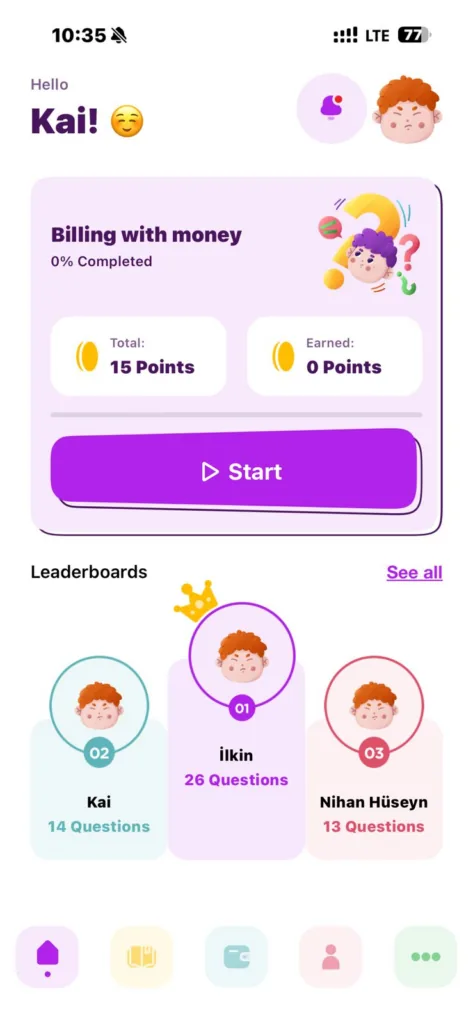
If the answers are correct, the next level opens. The platform uses gamification. As children complete lessons, they earn coins — virtual money within the app. These coins can be exchanged for in-game elements, such as different stickers for boys and girls.
Additionally, if we work with a specific bank, there is an additional opportunity. A child can send a request to their parents through the app and exchange coins for real money. For example, a child earns 50 coins, and the parent decides how much that will be in real money — one dollar, five, or ten. In this way, parents can reward children for learning.
Target audience
Our target audience is divided into two groups. The first is parents. It is they who should be interested in their children learning the basics of financial literacy. Parents install the app and subscribe.
At the same time, the actual users of the platform are school-age children. The main audience is between 7 and 15 years old.
Interestingly, according to our statistics, a significant portion of parents also use the app. This is because many adults themselves do not know basic things about finances. For example, if you ask where money came from and how it developed, many can no longer remember.
Approximately 70-80% of users are children, and 20-30% are parents who use the platform in parallel.
We have two business models: B2C and B2B.
In the B2C model, the user gets a seven-day free trial period. After that, they can subscribe monthly and get access to the entire platform.
However, our main model is B2B. We work with banks, insurance companies, and private schools: we sell them access to the platform in bulk and provide promo codes, which they then distribute among their clients.
Users get access for free, and companies pay for a certain number of accounts or promo codes. The number of active users can vary: at one point, we had about 5,000 active users.
Currently, we are in the process of negotiating with one of the largest banks in Azerbaijan, whose client base exceeds 1.2 million people. We are discussing an exclusive partnership, under which the bank will use our financial literacy content and provide it to all its clients.
Incubation programs
We went through incubation and acceleration programs at SabahHub. As part of this cooperation, they invested in our startup and received a 5% stake in the company.
At the same time, we also became participants in the incubation program at InnoLand Innovation Center.
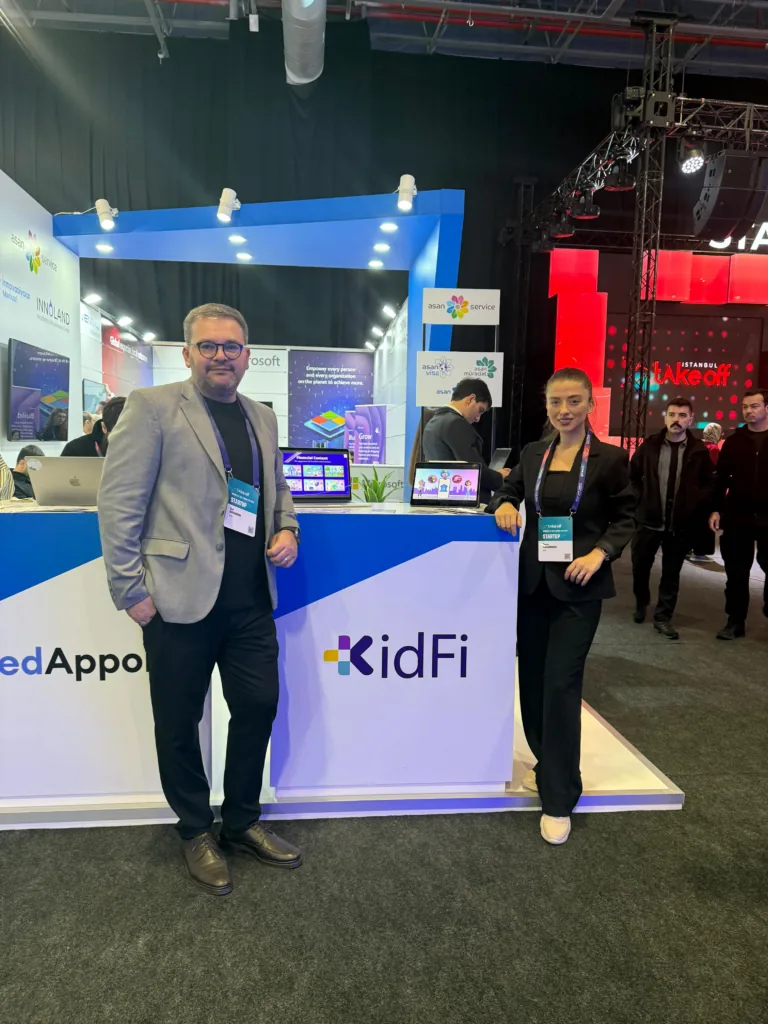
Furthermore, we have had many trips abroad, during which we represented Azerbaijan. In 2024, we participated in Mobile World Congress in Barcelona with our own booth — this was one of the first cases where a startup from Azerbaijan was presented at this exhibition in such a format.
We also participated in events in Turkey, attended Web Summit in Doha, and visited conferences in Tashkent. Overall, we regularly represent Azerbaijan on international platforms.
On difficulties
In Azerbaijan, the main difficulties are related to the specifics of the startup ecosystem.
Large companies and government structures are reluctant to work with startups. Often, they view them skeptically — this mindset has not yet formed. It is easier for them to buy a similar solution from a foreign vendor, even if it costs 30-50 times more than a local startup's product.
Meanwhile, the startup is within the country, accessible, and you can interact directly with the team and resolve issues promptly. But these advantages are often overlooked.
The second major problem is investment. In Azerbaijan, it is difficult to find real investors: there are practically no angel investors or funds willing to support startups at early stages. As a result, if you have a startup, you are largely on your own — you have to independently seek support, approach companies, negotiate, and build partnerships.
If we talk about foreign markets, the main difficulty there is high competition.
When we participated in Mobile World Congress in Barcelona, startup founders were often asked about their number of users. Many cited figures of 100,000, 150,000, 200,000, and even 300,000 users.
In Azerbaijan, gathering such an audience is practically impossible. Therefore, when you talk about 5,000 active users, while a nearby startup has an audience of 200,000-300,000, you are initially at a less advantageous position.
Because of this, startups from Azerbaijan find it harder to attract investors' attention in international markets. Even if the product is interesting, a relatively small audience reduces investor interest.
If we talk about launching a startup in Azerbaijan, there are several key takeaways:
- It is important to have your own budget. You should not count on being able to attract investments at an early stage. Unlike in some countries where you can create an MVP and receive support from incubators and accelerators, such an ecosystem is still weakly developed in Azerbaijan.
Therefore, it is important to have resources to bring the product to a working state and at least maintain it for a year — covering operating expenses and continuing development.
- Connections with large companies are important. It is desirable to have contacts in various industries so that you can present the product, receive feedback, and launch initial partnerships.
- You should immediately target foreign markets. Azerbaijan is a small market, and the ecosystem is not yet fully ready for the large-scale growth of startups. Therefore, it is important to look at countries where the product can scale and where there is a more developed environment for growth.
About investments
There was only one investment in KidFi — from SABAH.HUB. We have not attracted any other investments. Partly this is due to our position: I have about 15-16 years of experience in startups, and at this stage, I am not interested in investors who simply provide funding.
We need a strategic investor — someone who, along with investments, can help enter new markets or provide access to valuable contacts.
Even if such an investor invests several times less than others, they can provide much more through opportunities: for example, helping to open the Kazakhstan market or the MENA region, providing access to partnerships or the banking sector.
This could be an investor associated with a large holding that can open access to its ecosystem and help scale the product within it.
These are the active, engaged investors we are interested in. Therefore, despite the fact that we had offers — including to buy up to 50% of the company — we declined them. For us, it is important not only money but also opportunities for scaling and entering new markets.
Plans
Currently, we are working in the Azerbaijan market and providing the product locally. At the same time, we are actively looking at international expansion.
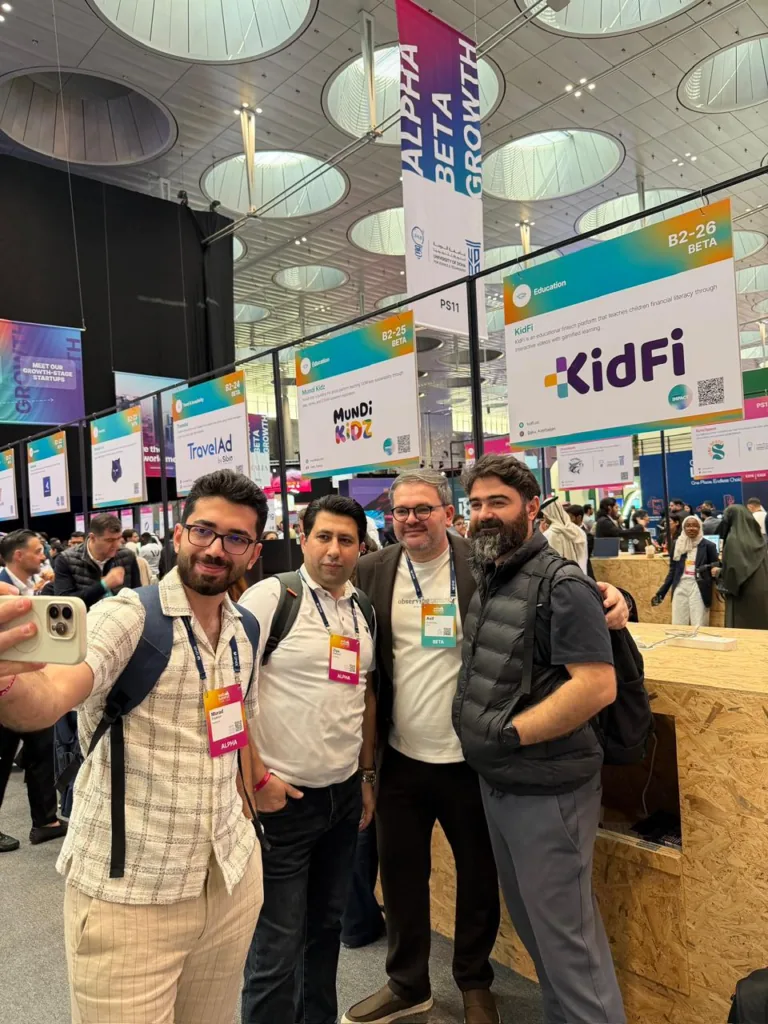
Recently, we participated in Web Summit in Qatar, as we plan to enter the MENA region and further develop there. We held a number of meetings, and the product generated interest — especially against the backdrop of high demand for educational solutions for children.
The potential in the region is large, however, in the current situation, negotiations have slowed down somewhat.
We are also considering the Uzbekistan market: we are currently conducting discussions and negotiations. There are no specific agreements yet, but we are actively looking for partners and cooperation opportunities.
Our key goal is regional scaling. Currently, we are waiting for the situation to stabilize so that we can return to an active phase of negotiations. This region is strategically important for us: we see high potential and significant interest in the product from clients.
The Tech on Telegram Follow The Tech on Telegram
Keep up with the latest technology and startup news.
Related reading






More from this author

Article Useful
How to protect your accounts from hacking: 8 settings you should check today
The Tech

Article Useful
500 Global: How the Accelerator Works and Who Can Receive Investments
The Tech

Article Interviews
Game Development in Central Asia: Arkady Moldavski on Developing Reverb and the Growth of the Industry
The Tech

Article Useful
Google, Tesla, BlackRock, and the IMF: Where to Apply for an Internship in Fall 2026
The Tech

News IT
Tesla unveiled the flying electric car Roadster
The Tech

News IT
Intero Biosystems startup won the Startup Battlefield at TechCrunch Disrupt 2026
The Tech