How Alina Iyigilova from Kyrgyzstan created Newnorm — modular headphones that attracted £100,000 in investments
Alina Iygilikova is the founder of a startup from Kyrgyzstan, who, together with her team, developed modular headphones that transform into speakers. The project has already attracted £100,000 in investments and completed accelerators from Google and Tech Nation.
The Tech AI
Get the key points in seconds - a short summary from The Tech AI.
Alina Iygilikova, co-founder and COO of the UK-based startup Newnorm, founded the Speaphone/The Audio Computer™ project to address the issue of planned obsolescence in electronics. The team raised over £100,000 in investments, including a round from Bethnal Green Ventures, and participated in the Tech Nation and Grow Music accelerators with support from Abbey Road. Plans include completing prototypes, launching a limited batch of devices, and securing funding to develop an open-hardware community.
Alina Iygilikova, cities — Manchester, London, co-founder and COO, LinkedIn
About me
I am from Kyrgyzstan. I studied and worked in seven different countries for many years. Currently, I am working on my startup Newnorm in the United Kingdom. At the same time, I serve as a mentor in British accelerators, supporting startup teams at various stages of their growth and development.
Before founding the startup, I worked in various industries, primarily in the business departments of industrial companies. This experience allowed me to gain a deeper understanding of how the real economy works and how technologies are integrated into traditional sectors.
How it all began
More than five years ago, my co-founder and I started working on our startup. It all began with a casual conversation — I shared a personal story: how I cracked my phone screen and couldn’t find a replacement in any repair shop in the region. I had a choice: order the part separately for an amount that could buy a new phone, or just throw the device away and buy a new one. This deeply upset me: the phone was still working perfectly fine, and its only problem was the screen.
At the same time, my future co-founder noticed that his new headphones emitted a loud sound if he hung them around his neck. He thought: “What if we make headphones with speaker functionality?” As an electronics engineer, he understood that with modern wireless technologies, this was possible. We discussed the challenges and began our research. We found that the problem was not just in the design, but in a system where devices are initially made to be short-lived.
It is not profitable for manufacturers to create universal and repairable devices. It is easier for them to sell everything separately and regularly release new models with minor changes. Planned obsolescence is used. All of this is done to force people to buy again.
Meanwhile, marketing turns gadgets into objects of desire, instilling the idea that without the latest model you are falling behind, and updated features are essential. All of this leads to a rise in electronic waste, accelerated consumption, and causes tangible harm to nature.
Thus, a conversation that started from personal experience became a catalyst. Instead of accepting the norms imposed by the industry, we began working on an alternative — one where technology is produced fairly, in accordance with ethical principles; lasts long, is repairable and adaptable, easily recyclable, and works not against, but together with the interests of people and the planet.
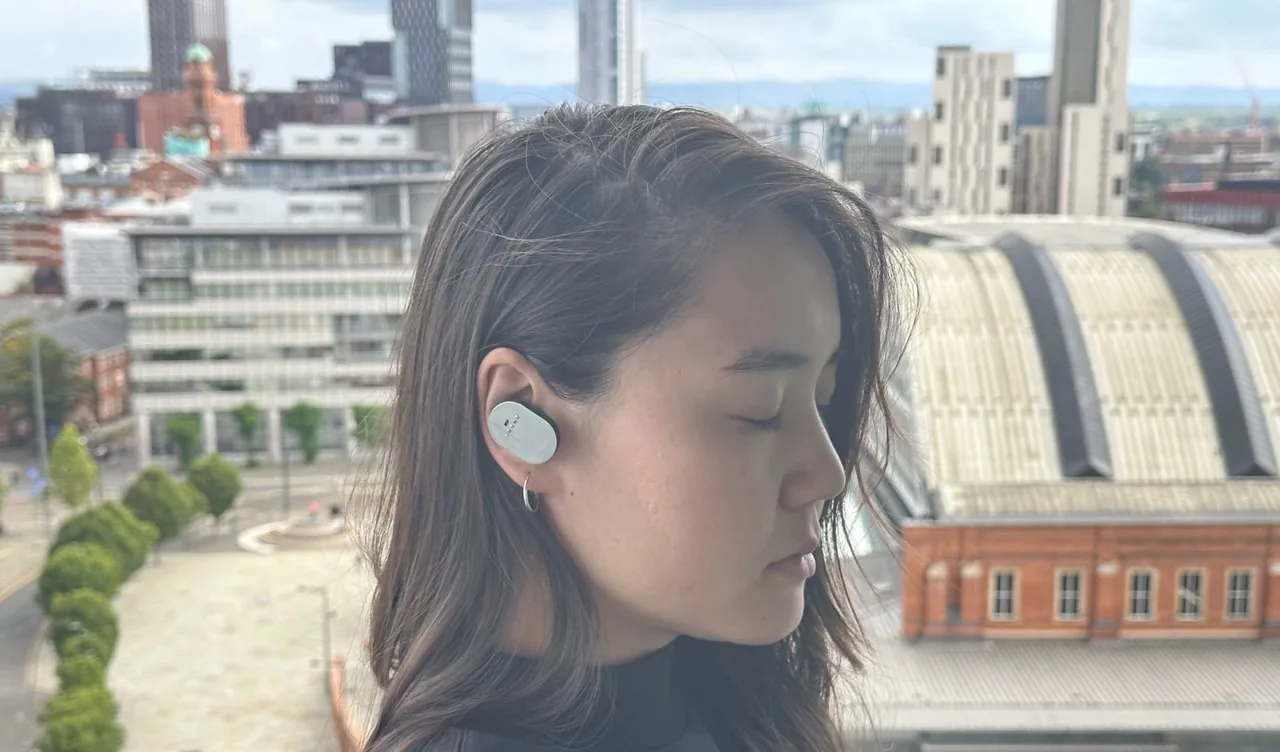
So we decided to bring my co-founder’s idea to life and began developing Speaphone — modular headphones that detach from the headband with the press of a button and turn into separate speakers. At that time, we had more questions than answers. We did not have a clear trajectory because the idea was born not from a business plan, but from a deep desire to solve a problem that almost everyone faces, but no one is willing to tackle.
Since then, we have been moving forward — with the goal of rethinking how technology is created and used, what happens to devices after their use, and to convey that sustainable development is not a trend, but a necessity. We want technology to serve people and the planet, not the other way around.
Launching the startup
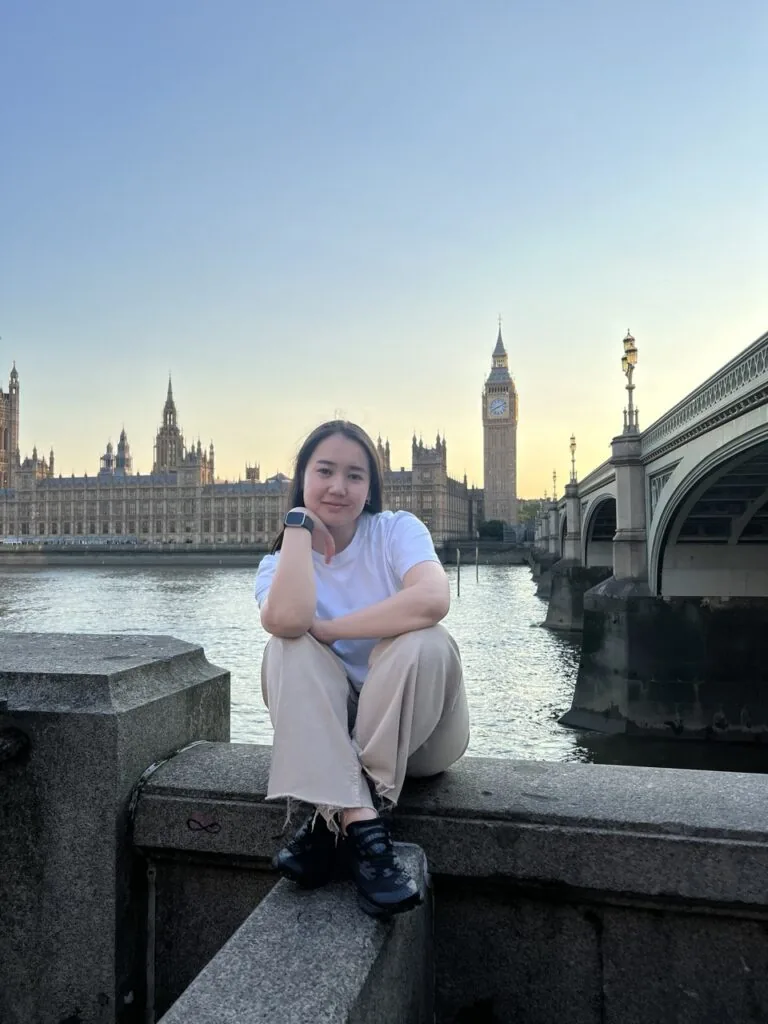
Launching our startup was not easy. At that moment, we were in Turkey and faced a choice: stay there or look for a place where our idea could get better conditions for growth and realization. The decision did not come immediately, but we started by developing the first prototype and looking for opportunities to bring our idea to life.
First, we paid attention to European countries. We applied to startup programs in Denmark, the Netherlands, Portugal, Estonia, Latvia, and Lithuania. After numerous interviews, we received invitations from all the countries we applied to, which was an important step forward for us. Each of these offers opened up great prospects for us. It was important for these countries that we build our startup in their country, and we found ourselves facing a difficult choice.
We did not have money to launch an expensive startup, but we understood — such an opportunity does not come every day, and we needed to act. Given that we had almost no budget, we accepted the offer from Startup Lithuania, quit our jobs, started processing visas, borrowed money, and in January 2020 moved to Lithuania to build the startup from scratch. We chose this country because it was one of the most financially accessible in Europe and provided access to the EU market.
A couple of weeks after moving, the pandemic began. Borders closed, travel stopped, and the world faced new difficulties. To survive, we took on any odd jobs and simultaneously studied the market and thought about how to move forward. We actively applied to European accelerators, but constantly received rejections — some didn’t even reply. It seemed like everything was going off plan.
One day, we received an invitation to a three-day bootcamp from Huge Thing x Google for Startups. After three intensive days, we made it into the list of 12 selected startups. This gave us access to mentors and important knowledge that helped us believe we were on the right track.
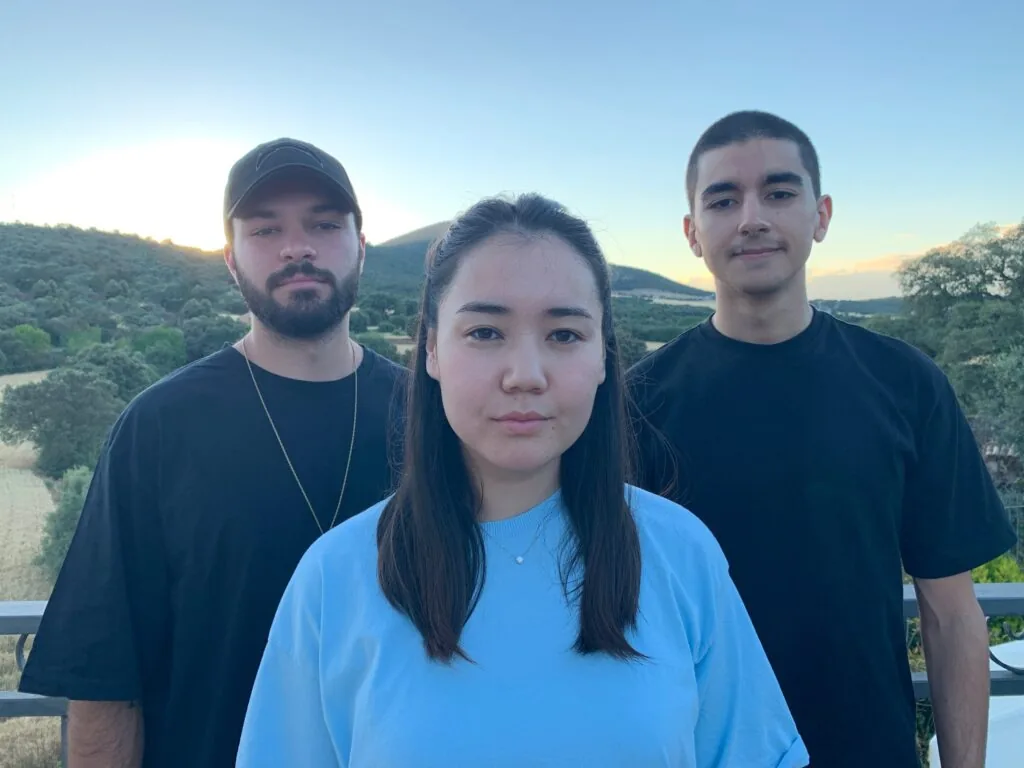
I am an operations specialist, and my co-founder is an electronics engineer. But in a startup at the initial stage, there is no clear division of roles — we did everything: from development to accounting, strategy, and design. Over time, we realized we were not coping with product design and decided to find a third co-founder — an industrial designer. We posted an ad on LinkedIn and received over 150 responses. We selected 10-15 candidates, conducted interviews, and gave five of them test assignments. In the end, we chose a designer from Spain who became our co-founder. We started working online: he was in Spain, and we were in Lithuania. It was a new experience, but we quickly got used to the remote format and continued developing the startup.
Target audience
Development, prototypes, user interviews, testing, and refinements of our first product — Speaphone — took a lot of time. This stage became a real school for us: from engineering to understanding user experience.
However, research showed that over-ear headphones are inconvenient for everyday use — most people prefer in-ear wireless models. We made a difficult but important decision: to rethink the idea and focus on The Audio Computer™ — a universal modular audio device that combines the functions of headphones, an assistant, and a headset. Everything is easy to disassemble, repair, and upgrade.
We are making a product that lasts long: with replaceable batteries, open-source software, and durable materials. This is an alternative to the “buy — throw away” culture that has become the norm in the industry. We are creating a device for conscious users who value control over their data, convenience, ethics, and sustainable development.
The current system offers an illusion of choice: either convenience — but without control over devices and data, or rejection of technology and isolation. We are forced into consumption patterns where speed wins over mindfulness. But we are not powerless. We are users ourselves, currently deprived of real choice. That is exactly why we are creating an alternative — not just in audio. Every conscious step, every refusal to follow imposed standards — is a contribution to a different, freer future.
Incubation programs
From the very beginning, we bootstrapped the startup, funding it ourselves, while simultaneously looking for investment. After participating in the Huge Thing x Google for Startups accelerator, we became more active in fundraising and received many rejections. After a year and a half of attempts and failures, Bethnal Green Ventures (BGV) — leading venture capitalists in the UK and Europe — contacted us. After negotiations, they decided to invest in our project. We moved to Spain to meet our co-founder in person and continue working on the product, and then settled in England. BGV’s support became a turning point, opening new opportunities for growth.
We also received support from business angels with experience as vice presidents in companies like Sonos, Microsoft, and BlackBerry. Their involvement allowed us to continue R&D and develop the product. At present, we have raised over £100,000 in investments.
Additionally, we participated in leading accelerators, including Tech Nation, and received support from the UK Department for International Trade (DIT), NatWest, and the Exchange program. These initiatives gave us access to a community of entrepreneurs and the startup ecosystem. Starting life abroad is easier when you are a student or working in a company — connections happen naturally. With a startup, it is different: to build a network, you need to intentionally step out of your comfort zone and actively seek out a community.
One of the key advantages of working in the UK was grants, which allowed us to start collaborating with scientists and university research centers. Thanks to this, we gained the opportunity to test new materials and incorporate them into prototypes, refining the product.
A key milestone was participating in the Grow Music accelerator — a program at the intersection of music and technology from the British Phonographic Industry in partnership with the legendary Abbey Road studio, known for recording The Beatles, Radiohead, Adele, and others. We gained not only valuable knowledge but also direct access to experts and partners from the audio industry, which was a truly invaluable experience.
Challenges
At the very beginning, we quit our jobs, moved to a foreign country without acquaintances — and at that moment, the pandemic began. Without start-up capital, in debt, and under constant stress, we tried to build a startup. Sometimes I am amazed at how I managed to move forward amidst such chaos. I was held up only by faith in the idea, and adaptability, flexibility, and determination also helped.
If I were to start again, I would advise myself to have a job, even part-time, or savings — this would provide stability and the ability to think strategically, rather than just surviving. A startup requires resources — not only financial, but also psychological.
It is important to understand: not everyone needs investment. If the task is capital-intensive or you have already found a profitable channel with a clear product-market fit — yes, investment can help. But organic growth is even better.
The most important thing is to define your values. They will be reflected in every decision you make and will become the foundation of your startup. It is through values that it is easier to find a team, clients, and investors. Without a clear “why,” it is easy to get lost in others’ expectations and the market race.
The hardest part is to maintain independent thinking in a world of quick fixes and templates. It is better to go at your own pace. Expand your network, build genuine connections — this will open access to knowledge, opportunities, and growth.
Be careful with others’ advice. Filter information from those who have not themselves gone through the path of launching a product, working with users, raising investment, and experiencing failures. In the startup world, there are plenty of “experts” who speak in templates but do not know what it means to live in uncertainty and invest everything in an idea that no one believes in.
Achievements
In 2022-2023, we attracted our first investments from venture funds, completed European accelerators, and launched a pre-order campaign, gathering a waitlist of thousands of users. We were invited to present the product at key industry events, including Wired Impact, and Prolific North included us in the list of 25 tech companies to watch in the north of England. A community forming around the product began to share our idea. Additionally, we had the honor of demonstrating The Audio Computer in the UK Parliament.
Plans
By the end of the year, we plan to complete work on new prototypes and simultaneously test the first limited batch of The Audio Computer™ with users from Europe and the US who have placed pre-orders. We are also focused on optimizing production processes, improving the product’s functional characteristics, and refining the materials used. Among our priority tasks are attracting investment, expanding the team, and building a developer community based on open hardware.
The Tech on Telegram Follow The Tech on Telegram
Keep up with the latest technology and startup news.
Related reading






More from this author

Article Useful
How to protect your accounts from hacking: 8 settings you should check today
The Tech

Article Useful
500 Global: How the Accelerator Works and Who Can Receive Investments
The Tech

Article Interviews
Game Development in Central Asia: Arkady Moldavski on Developing Reverb and the Growth of the Industry
The Tech

Article Useful
Google, Tesla, BlackRock, and the IMF: Where to Apply for an Internship in Fall 2026
The Tech

News IT
Tesla unveiled the flying electric car Roadster
The Tech

News IT
Intero Biosystems startup won the Startup Battlefield at TechCrunch Disrupt 2026
The Tech