How Alf built a fintech ecosystem from scratch in Tajikistan and expanded into the markets of Uzbekistan and Pakistan
The history of a FinTech company that started by solving local infrastructure problems, developed its own IT stack, and built an ecosystem of financial and non-financial services.
The Tech AI
Get the key points in seconds - a short summary from The Tech AI.
In 2014, Alif began developing its own IT solutions for the Tajikistan market. The educational "Alif Academy" was established, having trained over 3,000 people. A product ecosystem was formed, including Visa, Mastercard, and "Salom" cards. The Alif Business platform consolidates the financial tasks of entrepreneurs. The group's products are being developed in Uzbekistan and Pakistan, and the team consists of approximately 1,400 people.
More than 10 years ago, financial routine in Tajikistan looked completely different. To pay utility bills, people stood in long queues for hours. Salaries deposited into bank cards were withdrawn in cash from ATMs on the same day — cash seemed to be the only understandable and reliable tool.
Developing digital financial services under such conditions seemed like a risky challenge. There were not enough ready-made IT solutions that met the needs of the local market, and there were few specialists in development. It was at this point that the story of Alif began in 2014.
Software made in-house
At the start, the team faced a basic problem: standard banking systems from third-party developers did not fit the tasks of a flexible digital bank. Alif began developing its own technological solutions: an automated banking system, CRM, and other services from scratch.
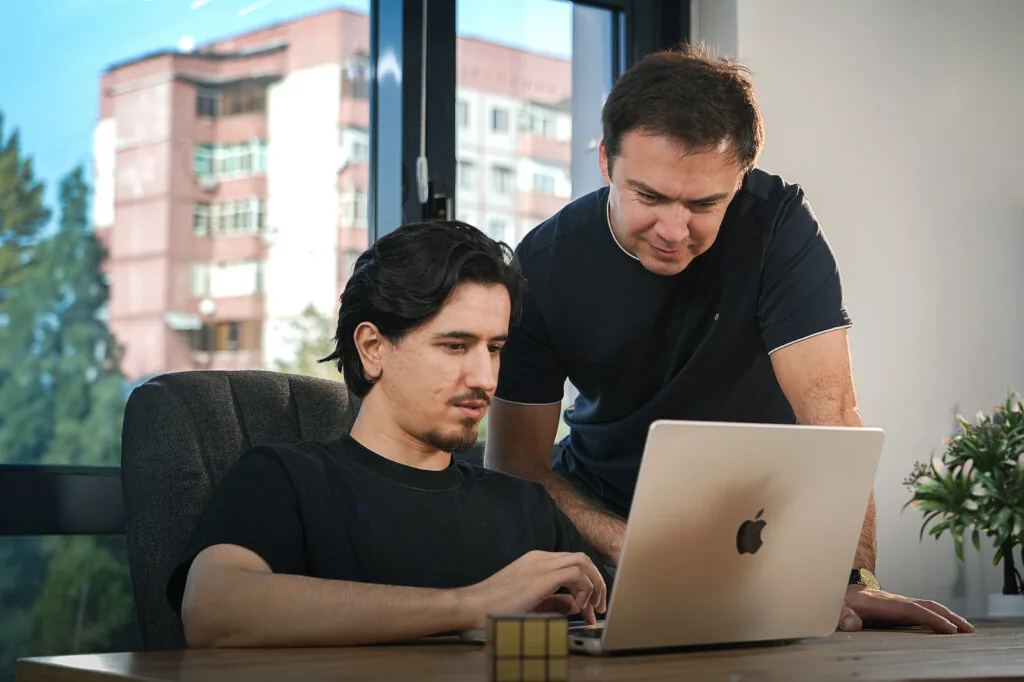
To address the need for engineers and support talented youth, an educational project — Alif Academy — was created. Over the course of its operation, more than 3,000 people have undergone training at the academy.
An alternative to habits instead of fighting cash
Instead of trying to change the familiar way of life, Alif offered convenient ways to pay for everyday purchases without cash. Users received national "Korti Milli" cards and international Visa and Mastercard debit cards, as well as the ability to pay for purchases via QR code in stores, cafes, gas stations, and other retail locations. Cards can also be added to Apple Pay and Google Pay.
A separate place was occupied by the installment card "Salom." It is accepted in more than 3,000 retail locations, so large and everyday purchases can be paid in installments without the need to pay the full amount immediately. This made installments more accessible and simplified people's purchase of necessary goods.
Over time, a whole ecosystem of products grew around everyday payments: from auto-financing programs and purchases on the Alif Shop marketplace to the Alif super app, where you can book tours and buy airline tickets, open deposits, exchange currency, and transfer money to more than 200 countries around the world.
Ecosystem for business
Alongside the B2C direction, Alif developed separate digital solutions for entrepreneurs. The Alif Business platform combines the main financial tasks of business in one internet bank: here you can open and manage accounts in different currencies, make internal and international payments, exchange currency, and pay taxes, customs, and other mandatory payments online, without visiting an office.
For daily business operations, salary projects, corporate cards, and payment acceptance services are available. Entrepreneurs can accept payments via a single QR code and bank cards, connect internet acquiring, or create payment links for clients. Through Alif Business, you can also sell goods and services on installment using "Salom" and list products on Alif Shop.
Alif Business also finances businesses and helps with the purchase of goods and equipment, production expansion, and the implementation of other business goals. Thus, Alif Business combines settlements, payments, financial management, sales, and financing in one digital environment.
Going beyond the country
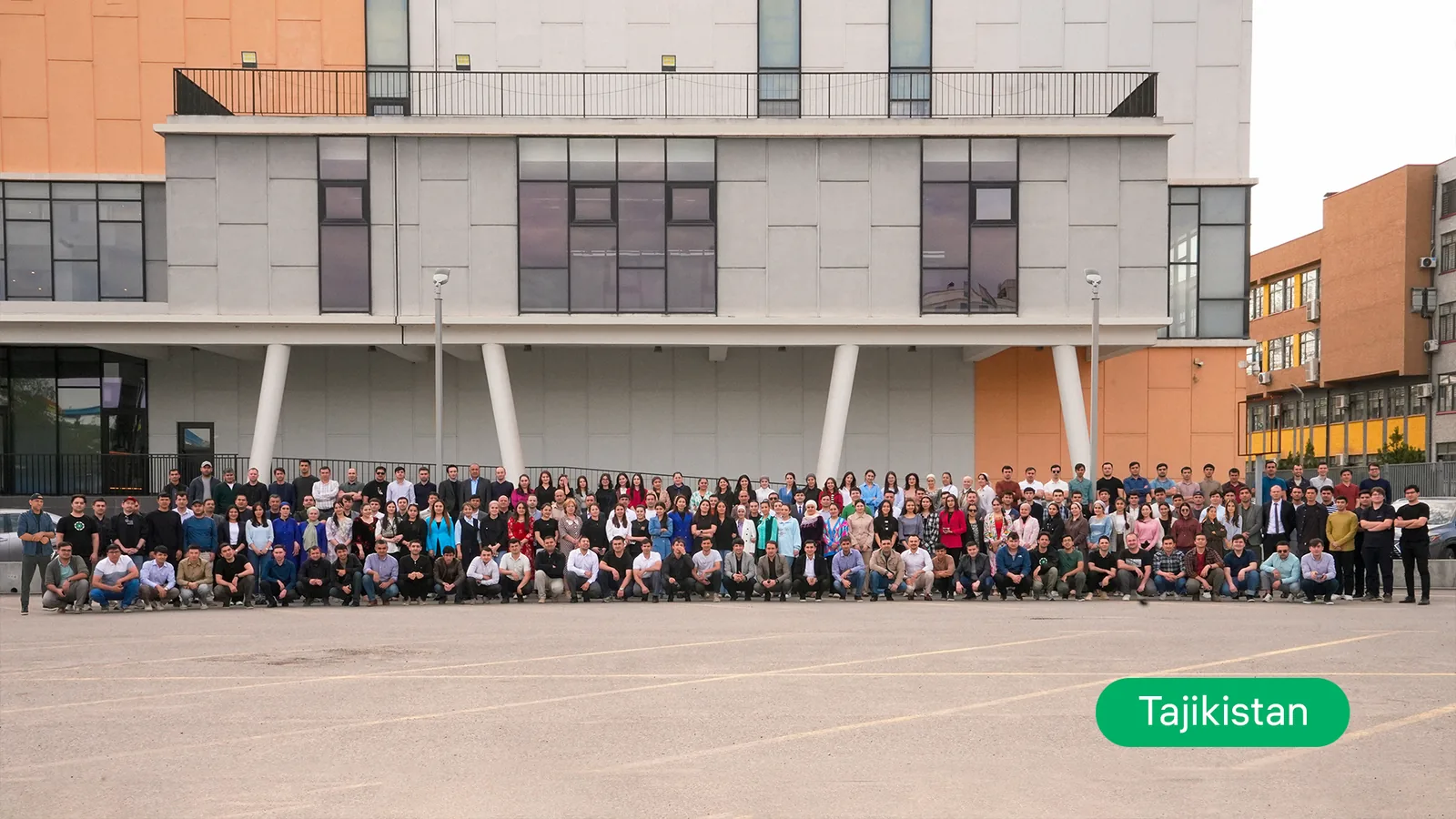
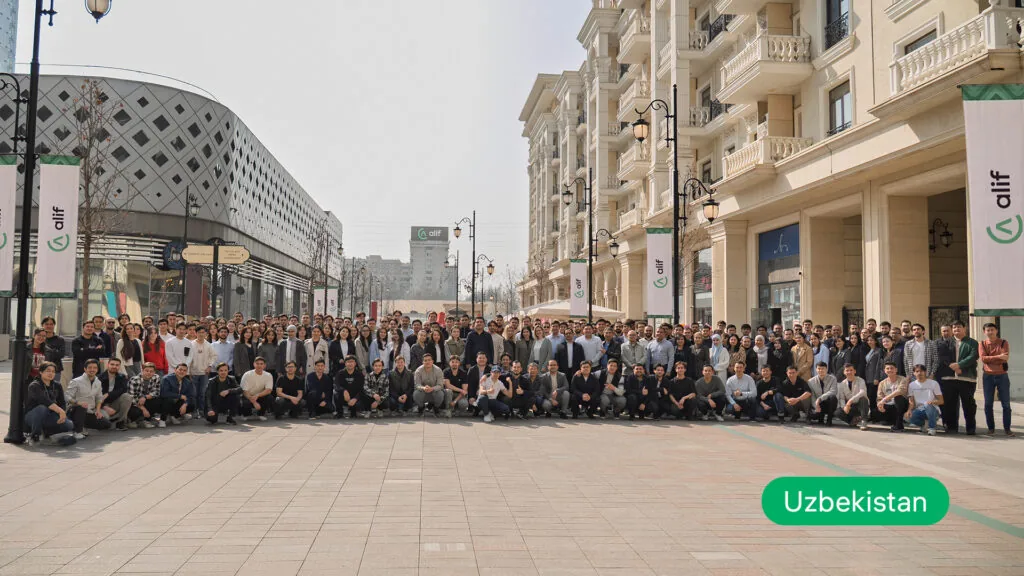
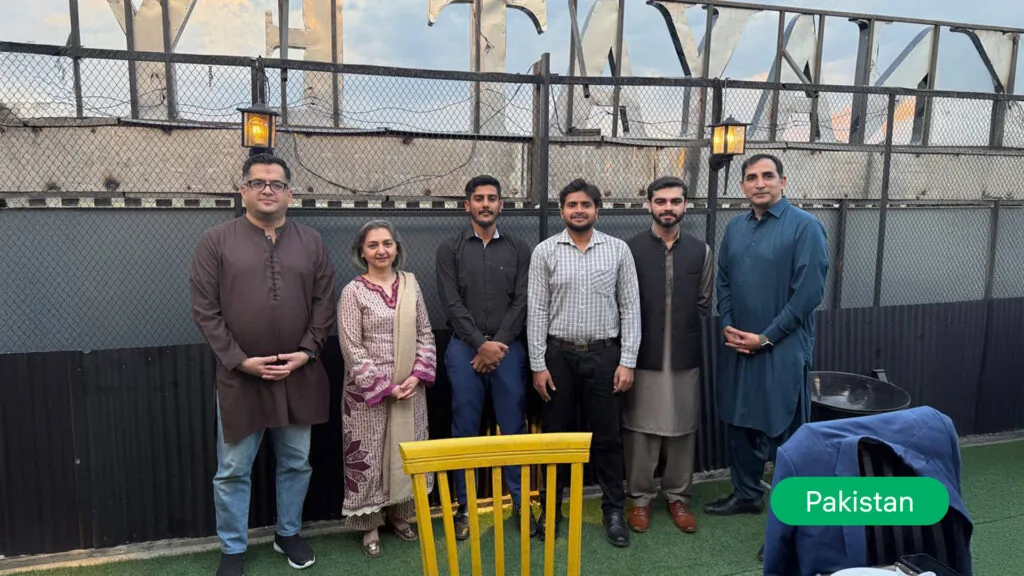
Having gone the path from local infrastructure challenges to international security standards, Alif has expanded beyond Tajikistan. Today, the group's products are being developed in Uzbekistan and Pakistan, and the team numbers about 1,400 people.
The Tech on Telegram Follow The Tech on Telegram
Keep up with the latest technology and startup news.
Related reading




More from this author

Article Useful
How to protect your accounts from hacking: 8 settings you should check today
The Tech

Article Useful
500 Global: How the Accelerator Works and Who Can Receive Investments
The Tech

Article Interviews
Game Development in Central Asia: Arkady Moldavski on Developing Reverb and the Growth of the Industry
The Tech

Article Useful
Google, Tesla, BlackRock, and the IMF: Where to Apply for an Internship in Fall 2026
The Tech

News IT
Tesla unveiled the flying electric car Roadster
The Tech

News IT
Intero Biosystems startup won the Startup Battlefield at TechCrunch Disrupt 2026
The Tech