From Karshi to the Shell headquarters: the story of Madina Berdieva
Author - Mansur Ismagulov
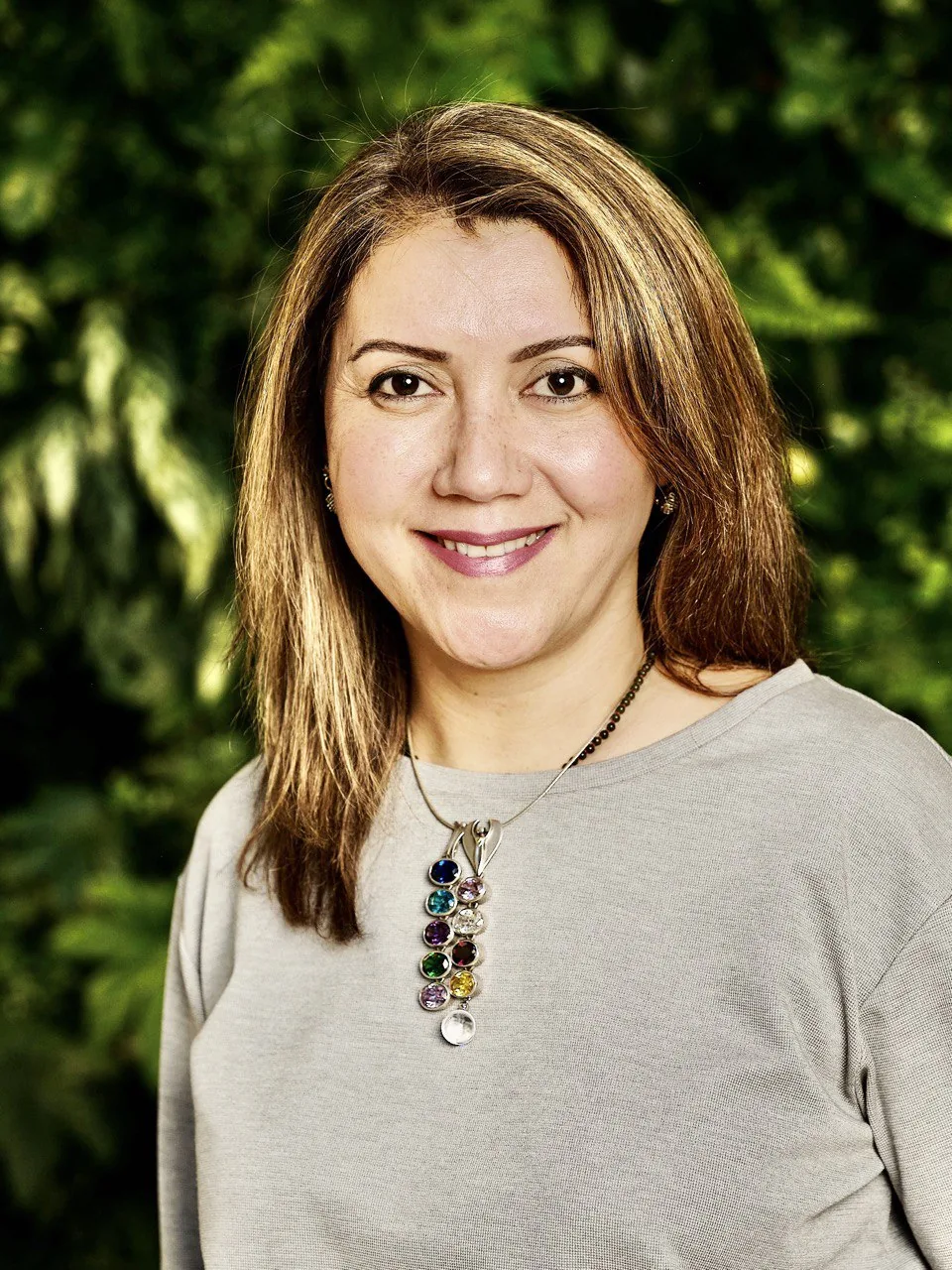
Our authors from IT Park Uzbekistan have prepared a material about the inspiring journey of Madina Berdieva — a specialist in digital strategies and artificial intelligence, who has come a long way from the ABB Lummus Global office in Uzbekistan to the Shell headquarters in the Netherlands.
Madina Berdieva, city — Karshi, Information and Digital Technology Manager, Shell, LinkedIn
About myself
I was born in Karshi. I received education in two fields — philology and economics, both with honors. Later, I obtained a master’s degree in the Netherlands and Belgium in Enterprise IT Architecture — again with honors.
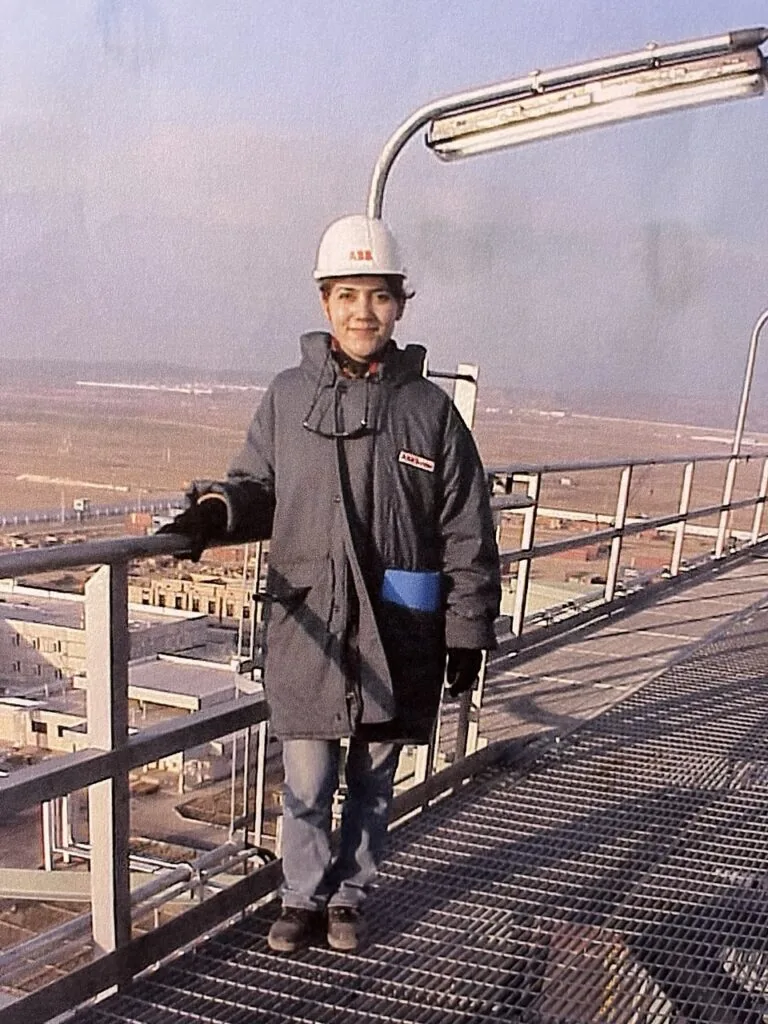
But if we talk about the real beginning — it was 1999. I had just graduated from university and joined ABB Lummus Global for the construction of the Shurtan gas chemical complex. Two years later, I was offered a job at the company’s headquarters in The Hague.
At that time, it was difficult to get hired by foreign companies, especially for women on a construction site, as there were about 4,000 male foreign workers, making it a completely male-dominated team.
Moreover, the work week was tough, from 7:00 AM to 6:00 PM, Monday through Saturday, with a 150-kilometer round trip on a shuttle bus. I woke up at 4:00 AM every morning. I brought my own lunch and breakfast, as there were no cafeterias at the workplace.
In April 1999, my classmate and I became among the first women hired. I spoke fluent English and had computer skills. There were no computers or internet at the time. So, during my studies, I took computer courses to learn how to use Windows, Excel, and Word. This was all new, and few people had these skills. I received my first salary in dollars — $118. At that time, it was a huge amount of money.
About implementing an ERP system and how it opened doors to Europe
When I was hired into the supply department, the condition was to implement a new ERP system. No one in the team knew how to work with it — it was a new development by German programmers. I was given stacks of complex technical documentation, and I decided to figure it out, because I always believed: if you immerse yourself in the topic, you can understand everything.
I studied manuals, worked with developers from Germany, asked questions to colleagues from the US and the Netherlands. Gradually, I mastered the system, while simultaneously developing new business processes for logistics, storage, and inventory management, as well as issuing and tracking supplies to subcontractors. I trained the team, implemented processes, and published a daily KPI summary on the board — effectively my first Dashboard.
Through the system, we managed 450,000 tons of pipeline materials. I introduced a test version of the ERP system for managing engineering, procurement, and construction — and it worked. This system was later purchased by the company for $6 million. I was just doing my job. And I didn’t know that I had become the only expert on this system. It was this that opened doors to Europe.
About professional path
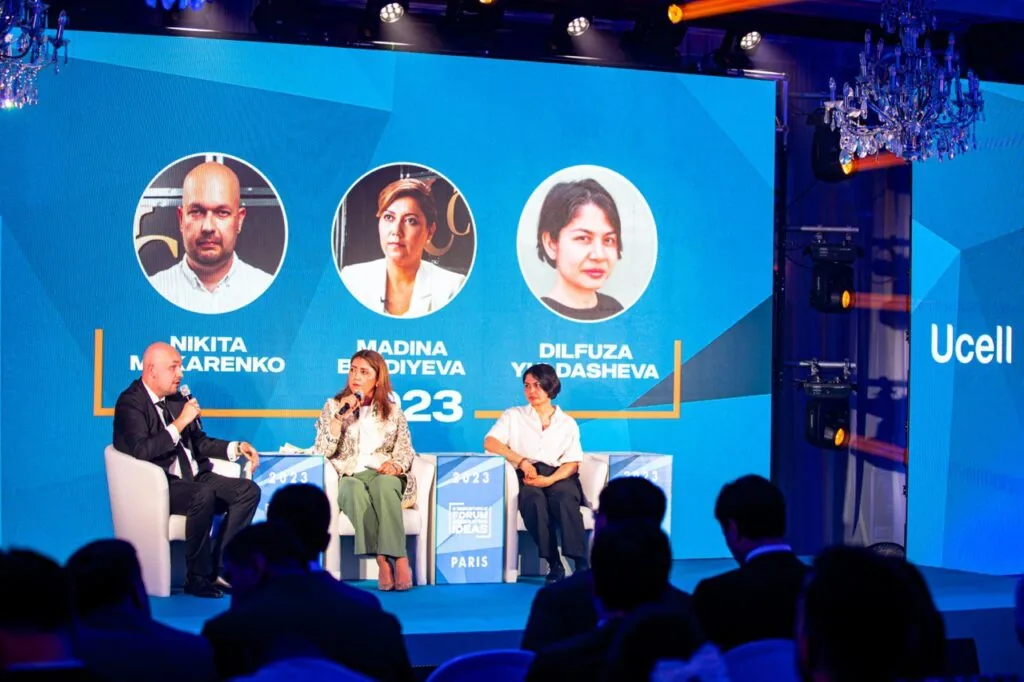
Since March this year, I have been working as a Data and Digital Technology Manager. Before that, for nearly seven years, I was a Lead IT Architect at Shell. This new stage in my career was a conscious choice — to move from IT architecture to the world of data, artificial intelligence, and innovation.
In this role, I work on key company tasks: data management and AI implementation. The position combines my experience as an IT architect and strategic thinking, allowing me to be a valuable expert for the business.
Aside from my master’s degree in Enterprise IT Architecture, I am a certified Master Solution Architect from The Open Group, level two — one of approximately 900 specialists in the world with this status.
I have a wonderful team of experts with whom we build a digital and AI strategy, apply it in the business of capital projects and engineering. We focus on improving and managing data quality, creating digital products, integration, defining the value and meaning of data, designing new processes and architectural solutions.
About life in the Netherlands
I have been living and working in the Netherlands for 24 years. I first came here in 2001, worked for a year, and then my international career began: projects in the UAE, France, Russia, after which I returned in 2006 and have lived here ever since.
At first, it was difficult to get used to the culture — the Dutch are more reserved than people in Uzbekistan, and I often felt lonely. Over time, I made friends, and working in different countries taught me to adapt quickly and achieve goals in any circumstances.
I have maintained ties with my homeland: I cook Uzbek dishes, passed on my love for Uzbekistan to my children, and my husband also fell in love with the country. I believe that everywhere has its advantages — the main thing is to know how to see them.
About competition in Europe
Competition is fierce. The strongest players are from India. But there is a nuance: in Europe and the US, the emphasis is on quality and efficiency, not just price. We, from Uzbekistan, know how to work with quality. We are polite, curious, easily adapt, and communicate well. This is valued.
About salaries in foreign companies
Salaries are generous. The main thing is to understand your value and niche in the market and know in advance what you want. It is important to know your competitors and act accordingly in salary negotiations.
About development in Uzbekistan
There is nothing better than the homeland. It is possible and necessary to develop in Uzbekistan. We live in an era of globalization. Uzbekistan has moved to a new level of economy, borders have blurred, especially in the world of information technology, where a huge ocean of opportunities is provided by the state and companies.
I left in 2001. At that time, it was not even possible to leave the country without going through a huge number of procedures: I had to pass through many obstacles. But now, after so many years, I still think about my homeland, and if there had been as many opportunities back then as there are now, I would never have left.
About necessary measures to create conditions for IT specialists
It is important to create jobs with decent pay, no lower than the global market level. There must be projects and long-term career growth plans for young specialists.
I believe that combining these efforts will lead to support for local IT specialists:
1. Education: the state updates curricula, and businesses offer internships.
2. Financial support: the state provides grants and tax breaks, businesses fund startups.
3. Ecosystem: the state creates technology parks, businesses form communities for sharing experience.
4. Legislation: the state develops laws to protect ideas, businesses participate in their creation.
5. Technology: the state funds research, businesses share resources.
About the development of the IT industry in Uzbekistan
Many things have changed — for the better. Today we see a real growth of the startup ecosystem: young IT companies are emerging, developing in various directions — from FinTech to agrotechnologies.
The state plays a huge role in this process. Technology parks are being created, tax incentives are introduced, initiatives are launched that make the market attractive — both for local specialists and for investors.
I would like to separately note progress in the field of education. The number of courses in programming, data science, and other IT fields has significantly increased. Young people have gained access to quality education, which gives a strong boost.
Plus, Uzbekistan has become visible on the international map: foreign companies are entering, opening offices, starting partnerships. This is an important signal — trust is growing.
And, of course, digitalization within the country. We see how digital solutions are being implemented in healthcare, education, and the banking sector. This affects the quality of life and makes IT part of everyday life.
About future plans
It all depends on what you want more: to work for someone or to create something of your own. The main thing is to follow your desires! For now, I am satisfied with my lifestyle and prefer not to change anything.
Advice for young IT specialists
1. Learn: study new technologies and programming languages through online courses.
2. Communicate: join online groups and forums to make useful connections.
3. Create a portfolio: work on projects and showcase your skills.
4. Look for remote jobs: many international companies offer remote work.
5. Improve your English: knowing the language will help you communicate with colleagues from other countries.
6. Don’t give up: submit resumes and try again, even if you don’t succeed on the first attempt.
The Tech on Telegram Follow The Tech on Telegram
Keep up with the latest technology and startup news.
Related reading







More from this author

News
zypl.ai begins operations in Japan and focuses on next-generation risk models
Mansur Ismagulov

News
Elon Musk's net worth has exceeded $700 billion for the first time
Mansur Ismagulov

Article Interviews
"Central Asian countries should build a joint ecosystem," — Bekhzod Ismoilov on the development of AI in the region
Mansur Ismagulov

Article Interviews
Bloom's Taxonomy and Engineering Levels: A Practical Growth Model
Mansur Ismagulov

Article Useful
How the IT industry in Azerbaijan developed in 2025: key events
Mansur Ismagulov

News
Tajikistan has become a new member of the regional innovation alliance Central Asian Innovation Hubs.
Mansur Ismagulov