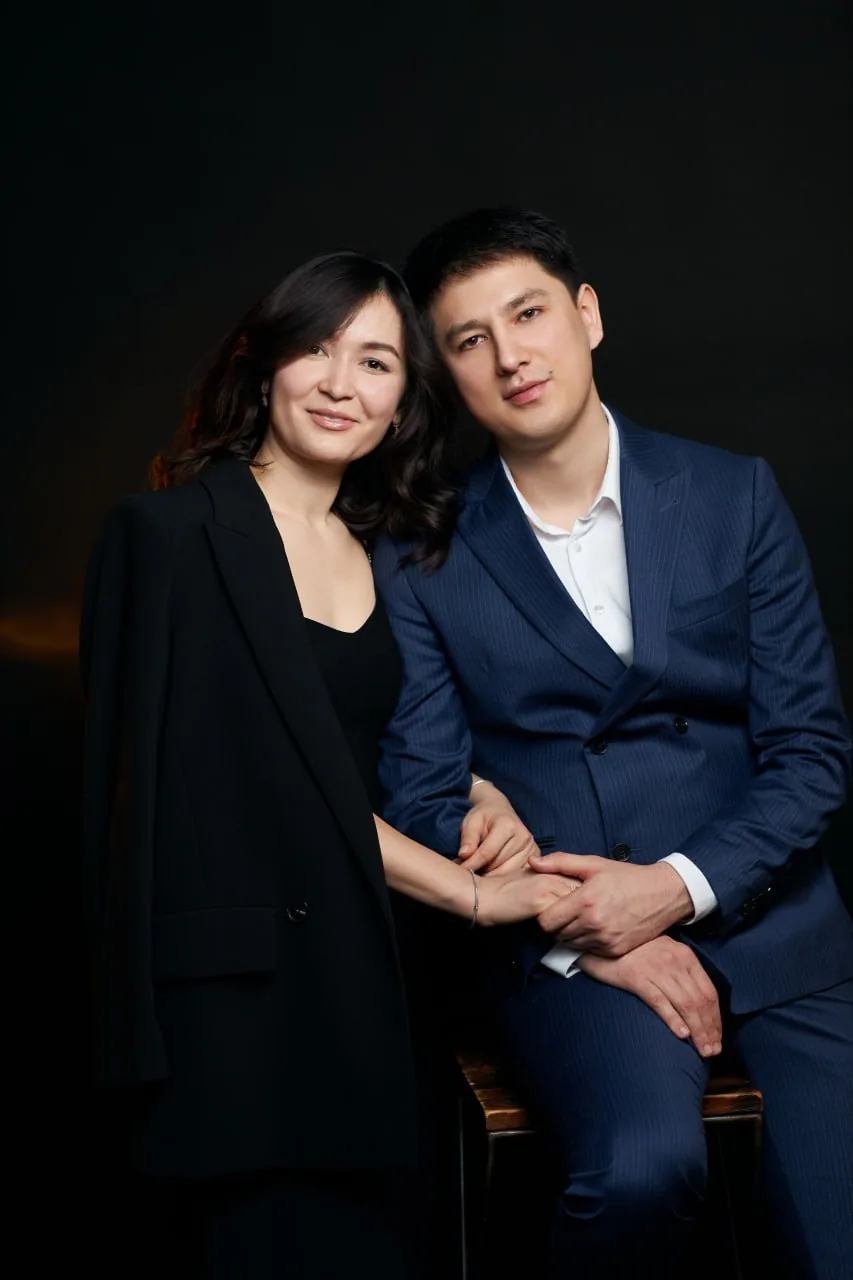
IT families: Temur and Dilbar Umarov
An IT family from Uzbekistan shares how they met and how they balance home life and work.
Author - Mansur Ismagulov
The Tech AI
Get the key points in seconds - a short summary from The Tech AI.
Temur Umarov (a frontend developer at Ipoteka Bank) and Dilbar Umarova (a data analyst at Uzum Market) met in 2014 in Tashkent. They studied together in the UK and Germany, then transitioned into the IT industry. The couple shares household responsibilities, sets common goals, including exploring 100 countries, and supports each other's career growth while maintaining personal space and mutual respect.
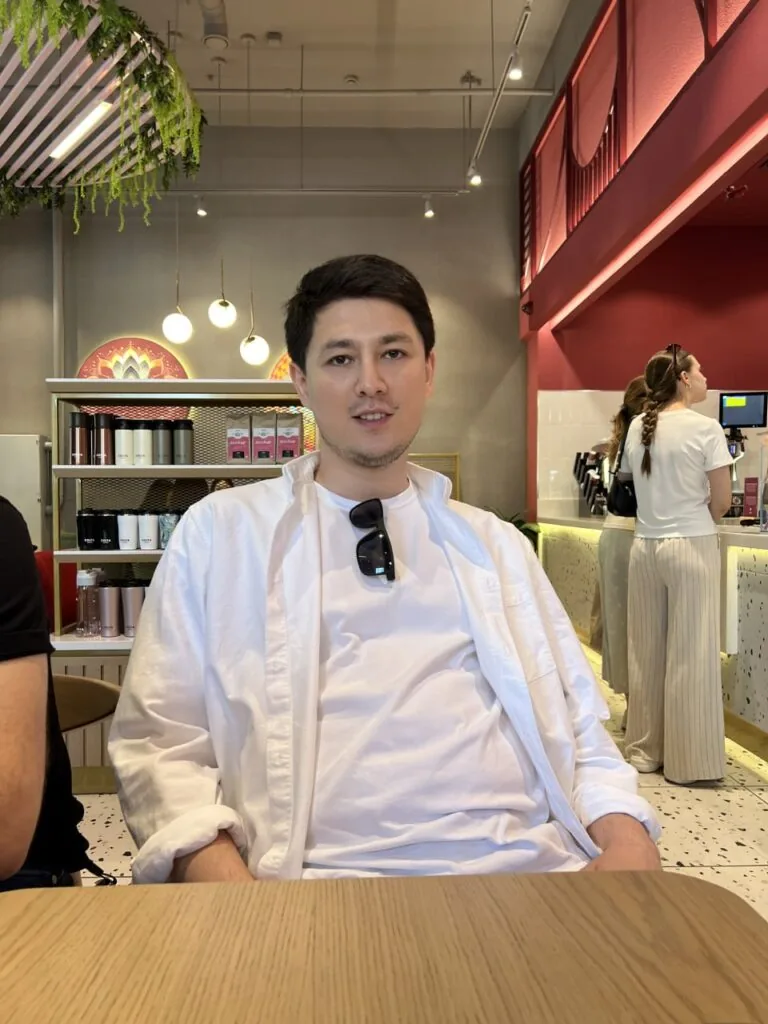
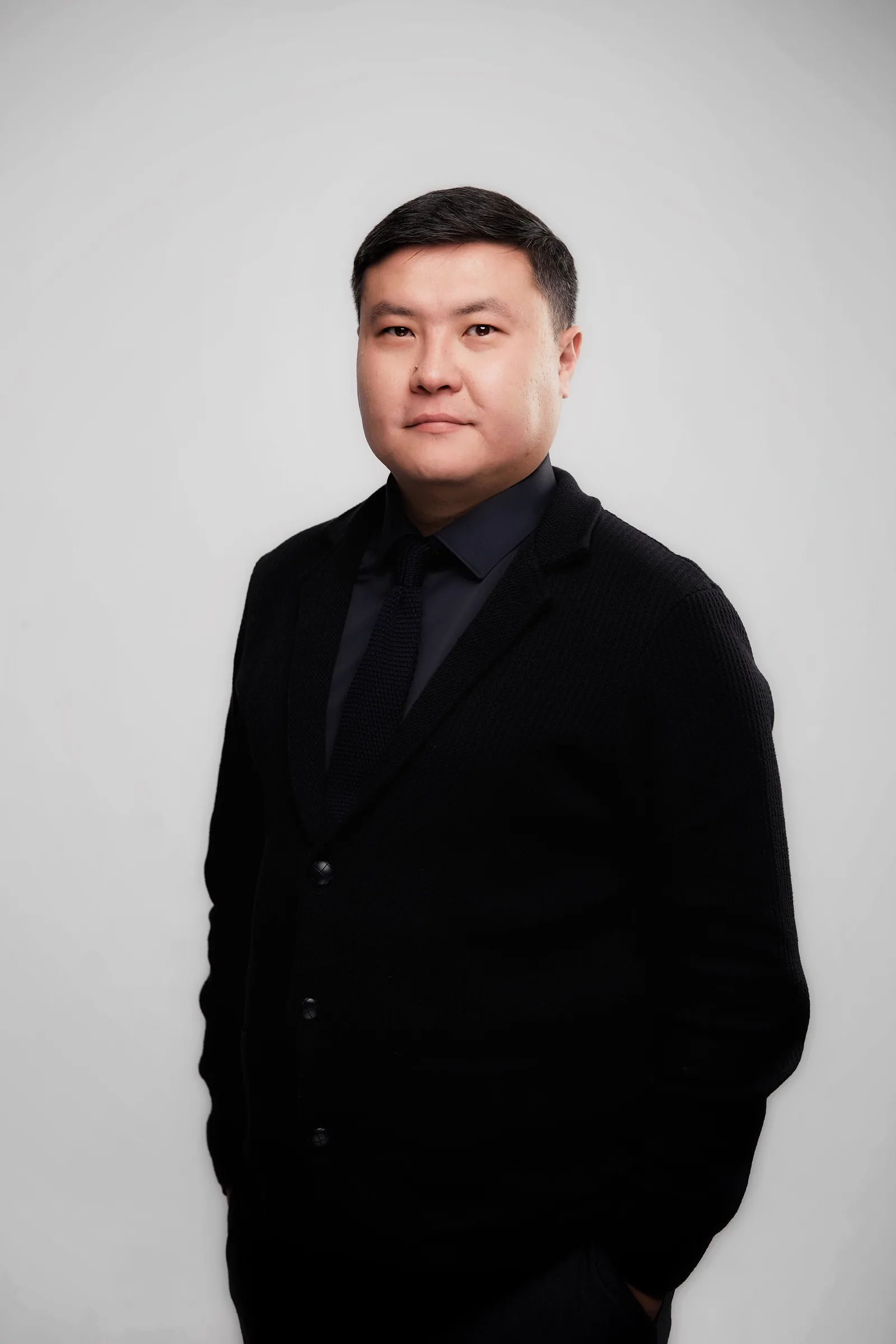
Temur Umarov, city — Tashkent, frontend developer at Ipoteka bank, Instagram
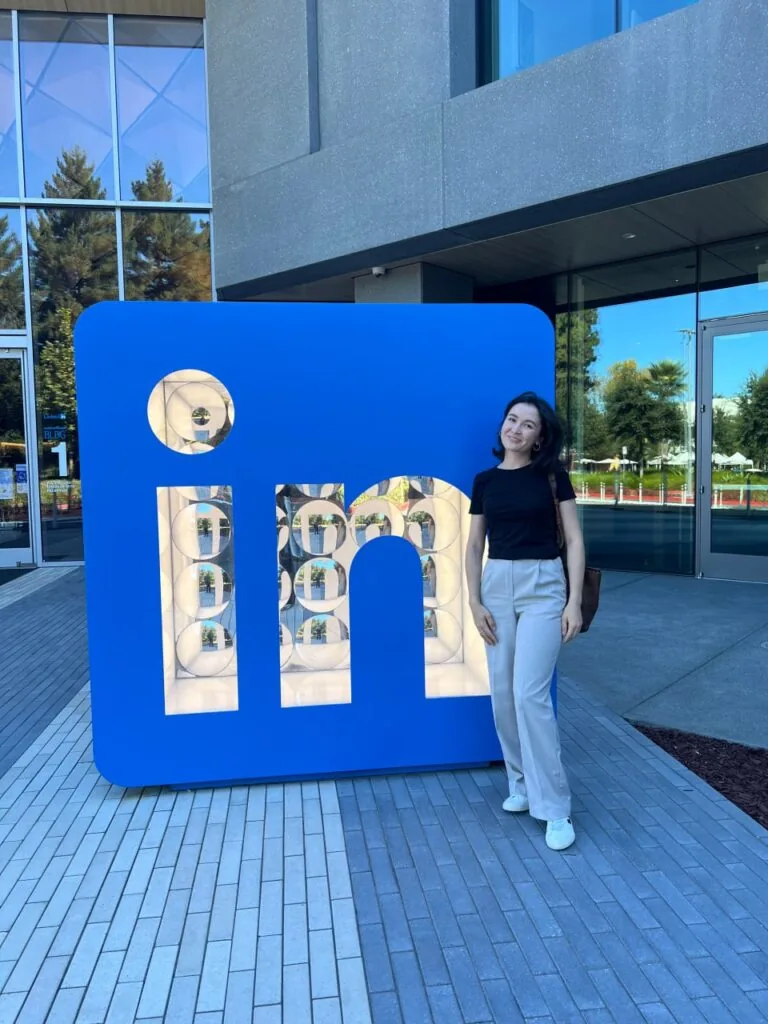
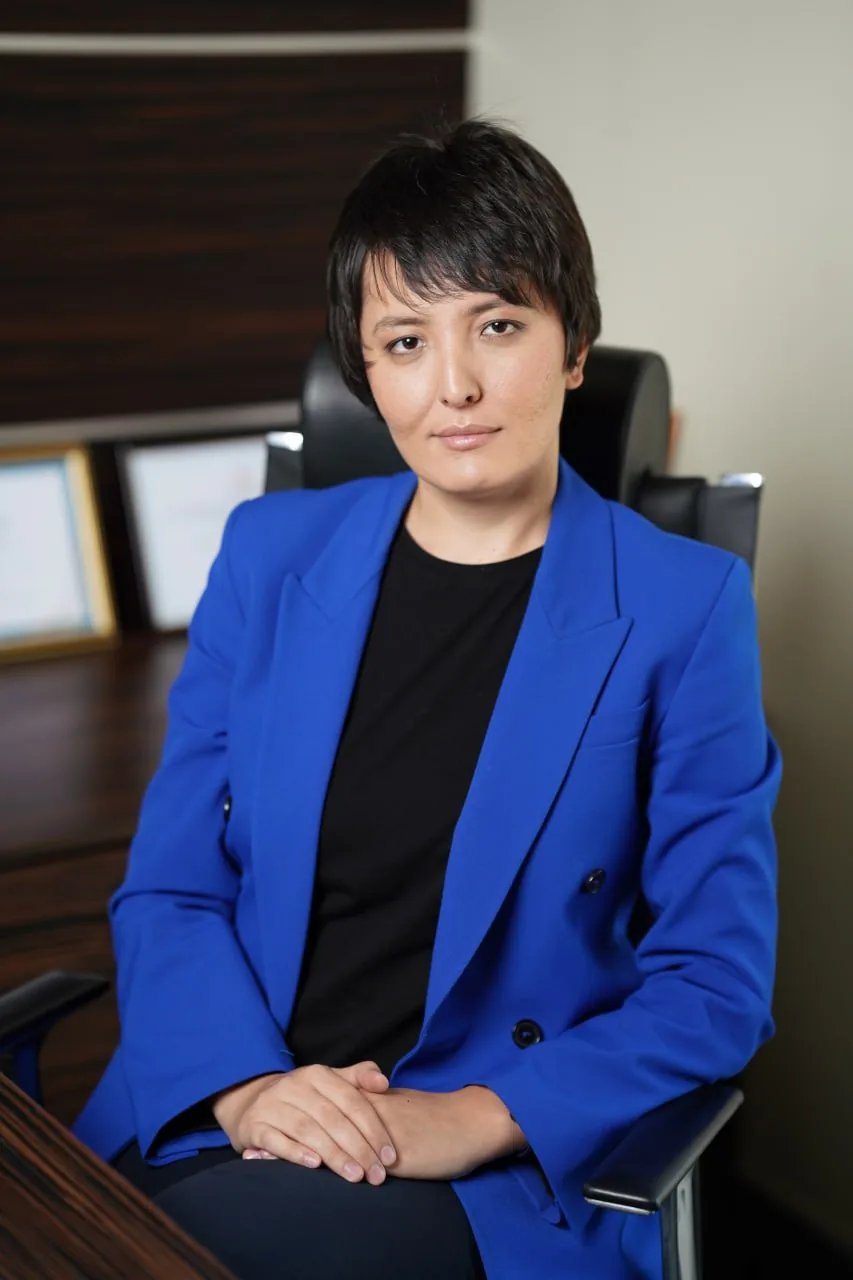
Dilbar Umarova, city — Tashkent, data analyst at Uzum Market, Instagram, LinkedIn
About Us
Dilbar. We met in 2014 at the National Library in a free debate club, where I came to improve my conversational English and prepare for the IELTS exam to apply to the University of Westminster. Temur had already received a scholarship to this university, and I decided to get to know him to learn more about the admission process.
We studied together for our bachelor’s degrees, although Temur was a year ahead of me. Later, we won a DAAD scholarship and moved to Germany for our master’s degrees. And since then, we have done everything together.

How We Entered the IT Field
Dilbar. When I was studying and living in Berlin, I wanted to try new apps and services because this city is, in a way, an IT hub for Europe. There are many IT companies and startups here that launch fresh, unconventional services, and as a user, I was interested in testing something new.
For example, I often used the TooGoodToGo service — a platform for cafes, restaurants, and shops that sold leftover fresh products at a small price at the end of the day. As a student, I found great value in this: I saved money on groceries, while businesses increased their revenue and didn’t throw good food into the trash.
I also actively used electric scooter rental services, various online shopping platforms, travel booking services, and so on. At that time, I realized how much technology could make users' lives easier and decided to connect my future career with IT.
Currently, I work as a data analyst at the national marketplace Uzum Market. We make online shopping simpler and more convenient. But I entered this field relatively recently and can say that I am taking my first steps in analytics.
Temur. IT was a perfect fit for me. I studied finance and did my master’s in e-business, but there was no development involved. Once I ended up in Berlin and fell in love with it, I decided to live there and noticed that 9 out of 10 people in my circle were developers. Moreover, as a young guy, I finally started using online delivery and payments at the age of 23, and I understood the value that technology brings. Feeling this, I realized that I wanted to connect my life with technology. They say Picasso couldn’t see white space; he wanted to draw something. Of course, I didn’t have a medical need to write code, but I definitely felt a strong desire to be like them: to do something useful, to be myself, to travel, and to be free!
Returning to Tashkent, I tried entrepreneurship but realized I couldn’t handle the load. My passion for technology grew, and thanks to acquaintances, I landed an unpaid internship. I worked on myself, found mentors, and after three months, I started earning $200 and getting free lunches. Then came two incredibly difficult years, with ups and downs, moments of doubt, and the desire to change direction, but I am glad that I survived and gained confidence. The main thing is to reach a level where you can confidently answer questions in your domain. Having achieved this, I found a good job as a frontend developer at Ipoteka bank OTP Group, where I still work today. Looking back, I smile at my journey, although I sometimes experienced disappointment and apathy. It is important to know how to get up after failures and move forward, even if it is in small steps! And also believe in something bright — a mission helps carry the weight of failures.
Distribution of Responsibilities
Dilbar. My husband and I strive for balance and try to distribute household responsibilities. He is responsible for technical issues and repairs, and I am responsible for cooking and cleanliness. At the same time, I don’t like cleaning, so we agreed that we would be helped by a helper — this frees up time for rest and development. For example, going to pilates, meeting with friends, studying and solving Python problems, or simply getting enough sleep on weekends.
We spend our free time watching movies or series, cooking delicious food, going to workouts, or simply walking around the city.
Temur. My day is scheduled down to the smallest detail: three main priorities — career through work and self-development, health through sports, check-ups, and braces, and moving to Germany through learning the German language. I spend 80% of my time on this. The rest of the time is dedicated to family and loved ones. I often say “no” and only engage in those offers that bring me closer to my goals. Everyone around wants to involve us in various activities, and it is important to filter: is this really necessary and important for me?
We have chosen European values, so we freely share both rights and responsibilities. We openly discuss every detail to avoid offense, misunderstanding, and so on.
Family Traditions
Dilbar. One of our traditions is having dinner together, discussing the day that has passed, interesting news, and thoughts. On Saturdays, we go to pilates, and traveling has become an important part of our lives — every year we try to discover a new country. We have a common goal — to explore 100 countries, and each of us has already visited 23+. Slowly but surely, we are moving toward our big dream.
Temur. We often watch series together, travel at least once a year as a couple, and once separately with friends.
During arguments, we give each other time to calm down. The cornerstone of our relationship is respect and support. And, of course, humor, without which nowhere.
How to endure the hardships of life without humor. She has learned to joke quite well and makes up 20% of my competition.
When I decided to become a developer, Dilbar supported me both morally and materially. Likewise, I supported her when she decided to become a data analyst.
Combining Household and Work
Dilbar. Combining IT work and family can be difficult, especially when you are just taking your first steps in this field, when a lot of time is spent on learning, and this is associated with a lot of anxiety and stress. But we support each other: if I am busy, Temur takes over cooking, and in return, I can help him with something else. The main thing is mutual understanding and flexibility.
Temur. Combining IT work with managing the household and family is not difficult; on the contrary, systematic thinking in IT helped us set up and perfect every process. We outsource everything we can, and what needs to be done, we do together.
Recommendations for a Happy Family Life
Dilbar. It is important to openly talk about your expectations in a relationship and discuss any problems that arise to find compromises. At the same time, it is important for each person to have personal space, friends, and hobbies — this helps maintain harmony and appreciate the time spent together.
Temur. Lower your expectations, respect each other, yield, and appreciate. Do not forget those who were with you when you were nobody!
How IT Families Differ from Others
Temur. We understand and accept the fact that we will leave some people dissatisfied. In other words, we are normal about the fact that we are not in a hurry to have a child to take important steps in our careers, and this conscious decision causes dissatisfaction and becomes an object for gossip among acquaintances and relatives.
We do not strive to be normal from society’s point of view, but we build our own norms that suit us both. We have agreed on a common mission — to explore 100 countries and live in 10 of them, and regardless of the opinions of others, we take step by step in this direction, including changing professions to more flexible ones. And then, as the cards fall.
Dilbar. We are both passionate about technology, self-development, and new opportunities, so we support each other not only in the family but also in our careers. IT teaches us logic, analysis, and problem-solving — and these skills help in family life as well. Each of us has gone or is going through the path of a junior specialist, which is not so easy. We understand that there are many difficulties, stress, and doubts at the beginning of a career, so we try to support each other, share knowledge, and motivate each other to move forward. This makes us not just spouses, but also allies in professional growth.
The Tech on Telegram Follow The Tech on Telegram
Keep up with the latest technology and startup news.
Related reading
More from this author
News
zypl.ai begins operations in Japan and focuses on next-generation risk models
Mansur Ismagulov

News
Elon Musk's net worth has exceeded $700 billion for the first time
Mansur Ismagulov
Article Interviews
"Central Asian countries should build a joint ecosystem," — Bekhzod Ismoilov on the development of AI in the region
Mansur Ismagulov
Article Interviews
Bloom's Taxonomy and Engineering Levels: A Practical Growth Model
Mansur Ismagulov
Article Useful
How the IT industry in Azerbaijan developed in 2025: key events
Mansur Ismagulov
News
Tajikistan has become a new member of the regional innovation alliance Central Asian Innovation Hubs
Mansur Ismagulov