#IAmRemarkable or the first step to overcoming imposter syndrome
If you’ve ever caught yourself thinking, “I have imposter syndrome,” and want to get rid of this feeling, then this article is for you.
Author - Mansur Ismagulov
The Tech AI
Get the key points in seconds - a short summary from The Tech AI.
Natalya Ni (EPAM Systems, Tashkent) describes her struggle with imposter syndrome, which emerged after criticism in 2022. She became a facilitator for the #IAmRemarkable workshop, launched by Google in 2016 by Anna Wainer. The program helps people recognize their achievements; as of January 2024, it includes more than 5,000 facilitators from 180 countries and 600,000 participants. In Uzbekistan, the Women in Tech community conducts training sessions and plans to train 20 local facilitators.
Natalia Ni, city — Tashkent, project manager at EPAM Systems, LinkedIn
The phenomenon of imposter syndrome was first described in the late 1970s by Pauline Clance and Suzanne Imes, during the height of the "second wave" of feminism, when women sought not only legal equality but also full participation in politics, education, and professional growth. Women often did not feel competent enough and downplayed their achievements. However, today we will discuss not the origin of the syndrome, but its impact on professional development and how to cope with it.
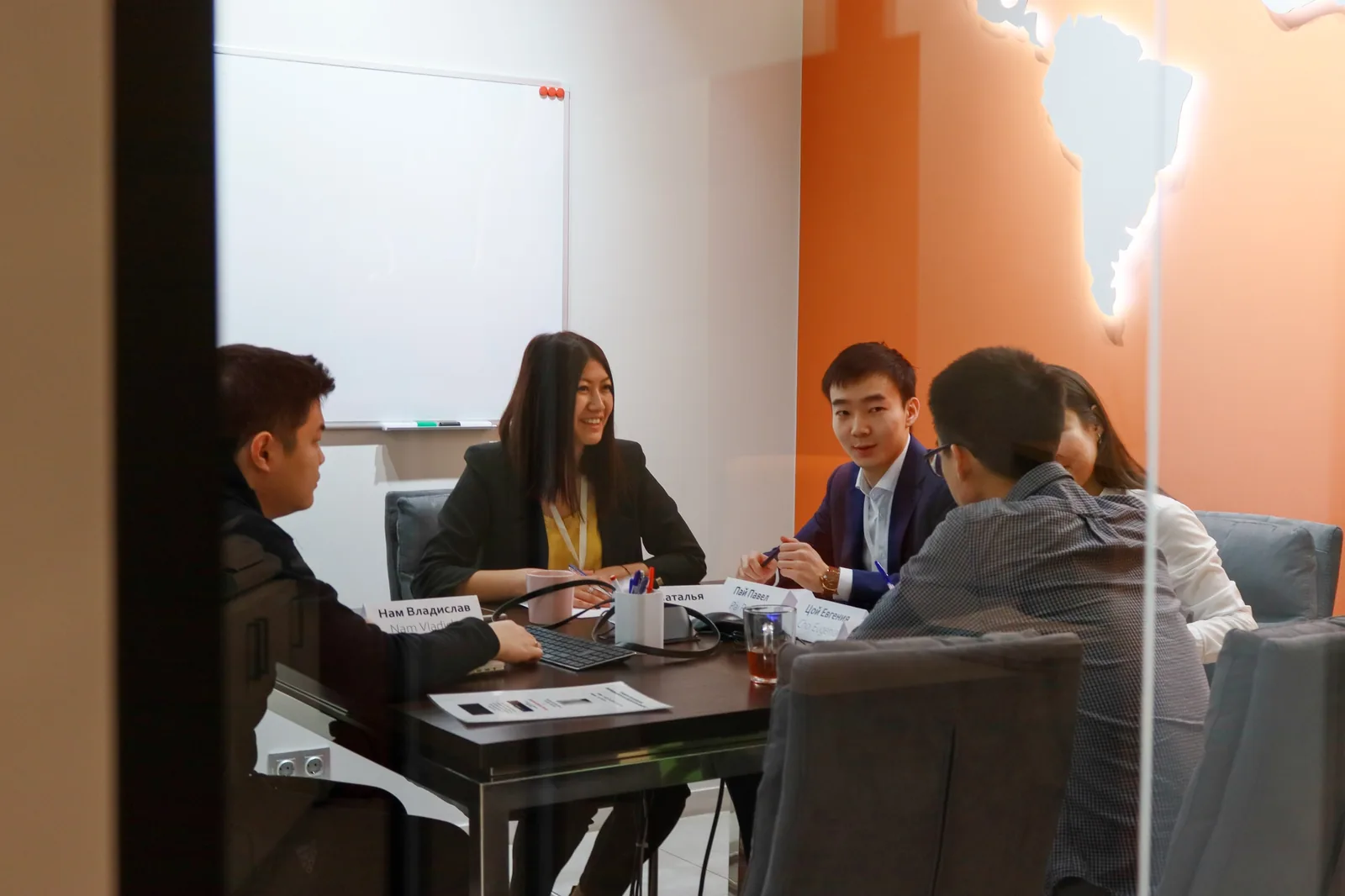
For nearly two years, I was haunted by imposter syndrome: I did not highlight my achievements, my self-confidence decreased, while feedback on my project work was better than just "excellent." "She is a star" — these comments gave me confidence.
Until 2022, I did not experience feelings of insecurity or anything similar. I published my speeches everywhere, shared links to podcasts or interviews with me. I wanted to share my achievements because I believed that people, having read about them, would be inspired to engage in various activities. By the summer of 2022, comments began to arrive at my address saying that this was all boasting. This led to the fact that I stopped sharing achievements and successes. Earlier that same year, I successfully failed a startup. A series of different events pushed me to stop publishing personal or professional achievements.
By the end of 2023, I stopped noticing my achievements because I did not attach importance to them, not only professional but also personal. I noticed that my confidence had decreased. For the first time in a long time, I gave a speech — I felt my voice trembling, that I could not control it and engage the audience. This added to the lump of insecurity.
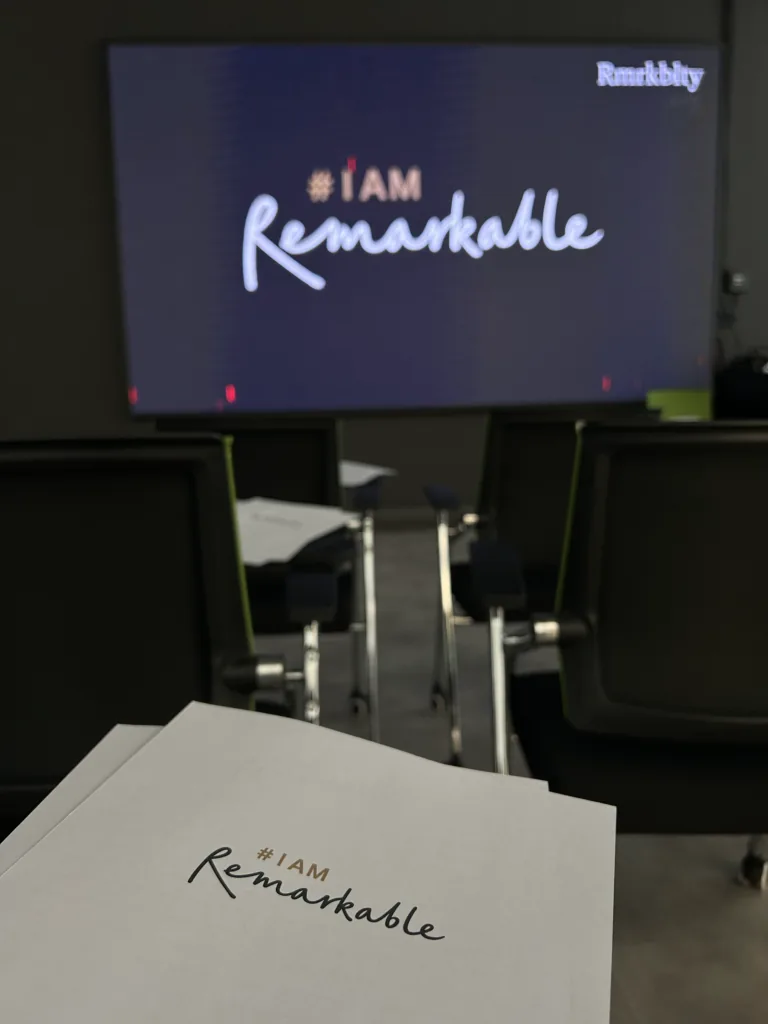
In 2024, I participated in the #IAmRemarkable workshop, which is aimed at helping participants recognize and highlight their achievements. It did not just catch my attention; it inspired me to become an official facilitator of this workshop.
The #IAmRemarkable initiative was launched by Google in 2016 by Anna Weiner as an internal training program for women to help them combat imposter syndrome and learn to emphasize their successes. But the workshop team quickly adapted the material and target audience, as imposter syndrome is faced not only by women. Now this training is considered a separate Rmrkblty program and is available to everyone.
According to Psychology Today and Lean In:
— only every second employee believes that their work receives due recognition from management
— 39% of women and 28% of men have encountered situations where their competence was questioned. Among Black women, this figure reaches 55%
— every second worker was subjected to mockery because of their accent.
These factors can contribute to the development of imposter syndrome, which hinders professional growth and causes insecurity and anxiety at work. However, it has been proven that recognizing and emphasizing one's achievements helps increase confidence and motivates to achieve more.
The #IAmRemarkable workshop is not considered a panacea, but it is an important first step in combating imposter syndrome and self-doubt. During 90 minutes, participants reflect, think, and remember their successes and achievements. This initiative helps open up to colleagues or strangers and stimulates further development of self-promotion skills. One of the important phrases of the workshop is "Stating facts is not boasting."
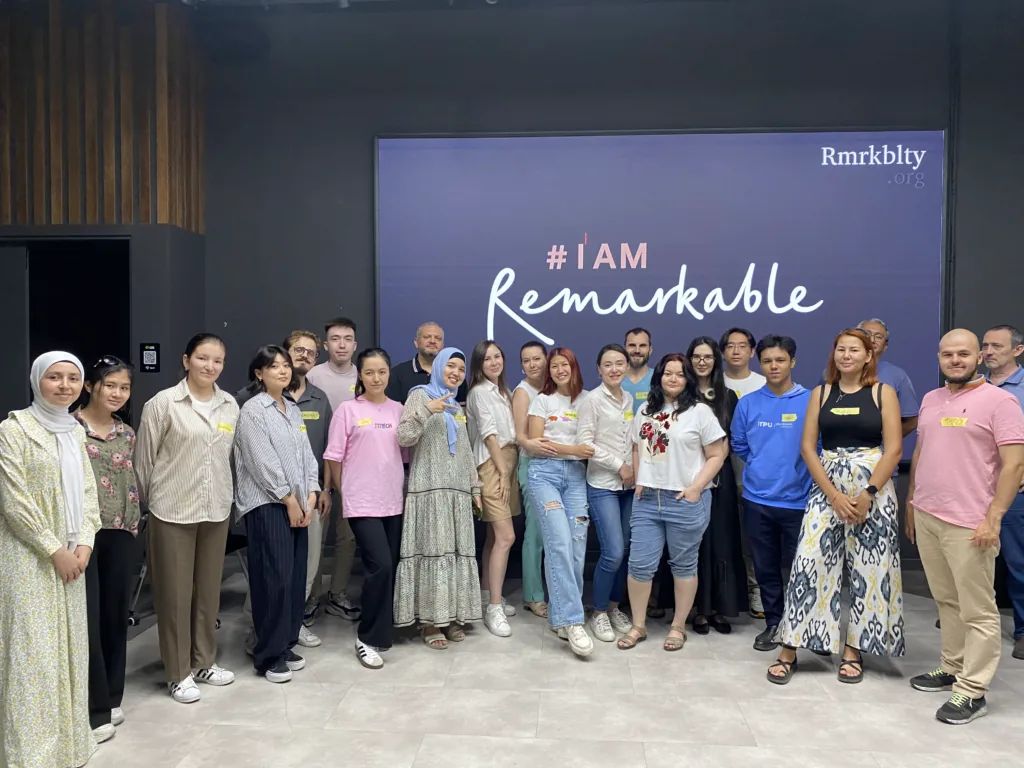
As of January 2024, the #IAmRemarkable initiative covers more than 5,000 facilitators from 180 countries and more than 600,000 participants. In Central Asia, including Uzbekistan, workshops are also gaining popularity. In particular, the Women in Tech Uzbekistan community conducts these trainings several times a month both online and offline.
We are negotiating with partners to help 20 girls from Uzbekistan become official facilitators and conduct workshops in the Uzbek language. Participation is free, and their main goal is to help participants not only overcome imposter syndrome but also learn to emphasize their achievements, motivating others.
The Tech on Telegram Follow The Tech on Telegram
Keep up with the latest technology and startup news.
Related reading







More from this author

News
zypl.ai begins operations in Japan and focuses on next-generation risk models
Mansur Ismagulov

News
Elon Musk's net worth has exceeded $700 billion for the first time
Mansur Ismagulov

Article Interviews
"Central Asian countries should build a joint ecosystem," — Bekhzod Ismoilov on the development of AI in the region
Mansur Ismagulov

Article Interviews
Bloom's Taxonomy and Engineering Levels: A Practical Growth Model
Mansur Ismagulov

Article Useful
How the IT industry in Azerbaijan developed in 2025: key events
Mansur Ismagulov

News
Tajikistan has become a new member of the regional innovation alliance Central Asian Innovation Hubs.
Mansur Ismagulov