Yandex Kyrgyzstan CEO Tylek Suleimanov on the role of technology in market transformation
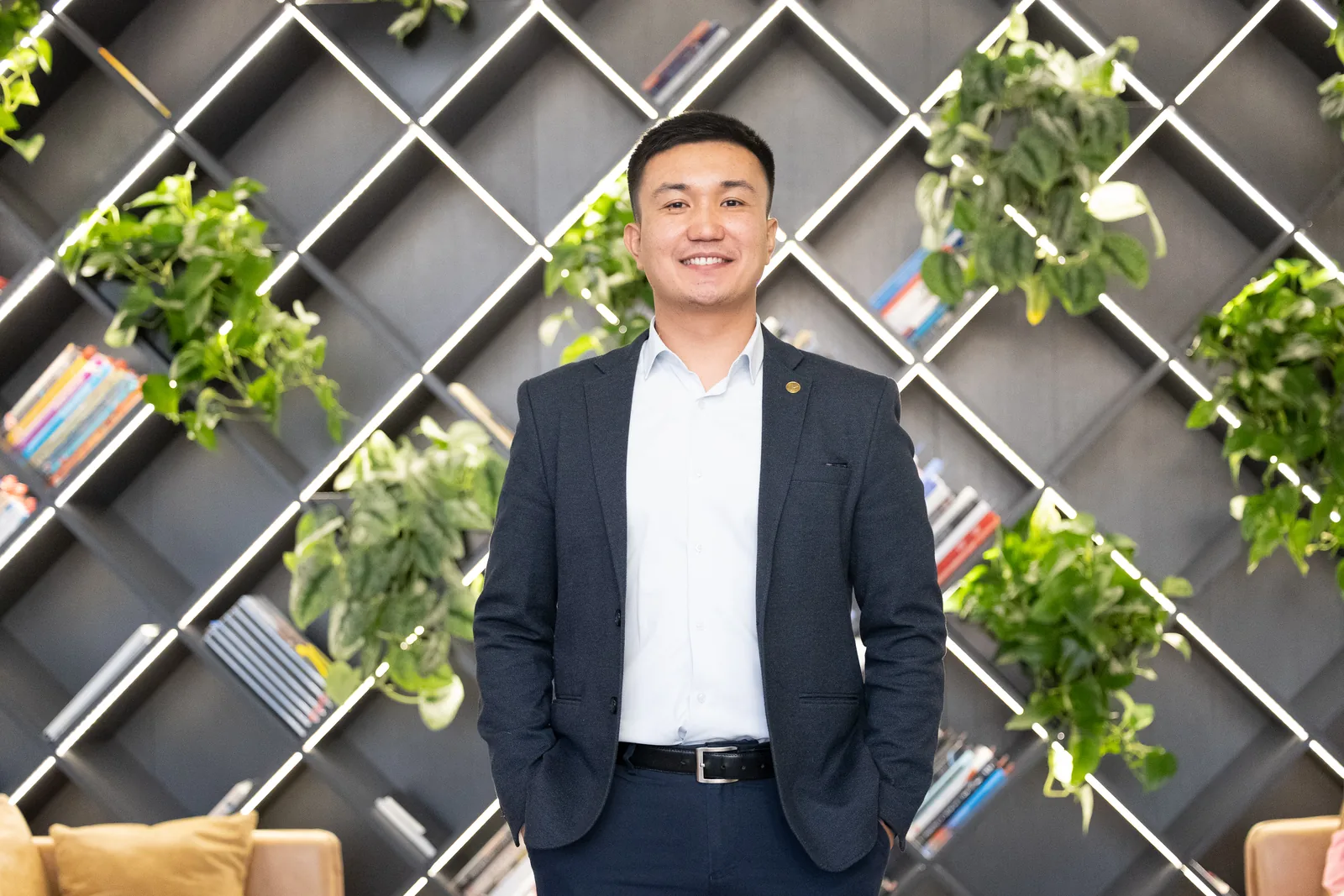
Tilek Suleymanov, General Director of Yandex Kyrgyzstan, on how the country’s IT ecosystem is developing, why market flexibility has become a key advantage, and how technologies, including AI, are changing the approach to work, products, and leadership.
Tilek Suleymanov, city — Bishkek, General Director of Yandex Kyrgyzstan, Instagram
About Me
I was born in Kyrgyzstan, grew up in Bishkek, and spent my childhood in the settlement of Gidrostroitel near the city. I studied in Bishkek and graduated from the Faculty of Law at Kyrgyz National University.
At some point, I decided to completely change my career path—from law to business—because I realized it was a better fit for me. That’s how I ended up working for one of the mobile operators.
Personal Journey and Leadership
There have been many twists and turns in my life—both good and bad. One of those “failures” that taught me a lot was my attempt to relocate to Astana.
In 2017, I was invited to work for one of the mobile operators with a relocation. I moved with my family, but ultimately didn’t stay—the climate wasn’t right, and there were personal reasons. After some time, I returned to Bishkek.
And it was this experience that eventually led me to Yandex Kyrgyzstan. While I was in Astana, I posted my resume on one of the job portals—that’s how I was found.
I’ve been with Yandex Kyrgyzstan since 2018. We started with a small office and a team of three people, and at that time, we only had the taxi service. I worked with partners, and then my area of responsibility gradually expanded—from operational tasks to managing processes and people. Now, for the eighth year, I oversee the entire ecosystem of Yandex products in Kyrgyzstan.
For me, leadership is about people: creating conditions where the team feels comfortable working, developing, and achieving results. It’s about support, speed of decision-making, and flexibility.
And a successful result is a product that you yourself use and that also generates revenue for the business.
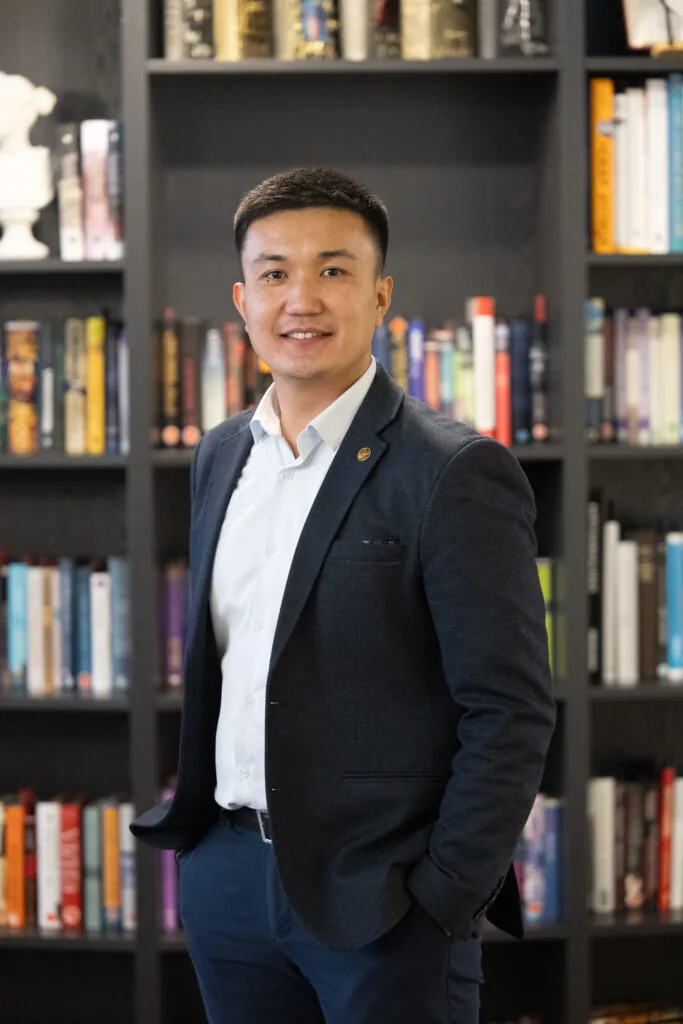
About Kyrgyzstan’s IT Ecosystem
Kyrgyzstan’s IT ecosystem is currently growing actively. At the same time, there are sectors that are already well developed—for example, FinTech. Almost every bank has its own app, and the unified national QR code has been in use for about five years.
Another notable point is the High Technologies Park—a strong hub with the best IT companies that operate not only in Kyrgyzstan but also on the global market. This gives developers the opportunity to grow and participate in international projects.
However, this industry always needs investment—the potential of Kyrgyz developers is significant, and it can be further unlocked.
There is also a talent challenge: some specialists leave abroad because they are in demand in the international market.
But there is a positive trend as well: many Kyrgyz citizens who went abroad to work eventually return and continue to develop IT in the country, sharing their experience with young specialists.
With the advent of AI, it is important for modern teams to keep pace with the times and quickly adapt to changes. It is not enough to simply know about new technologies—you need to know how to use them. Today, for example, working with AI agents is already a must-have.
I myself use various AI tools daily and am learning to work with them more effectively. There is no single “textbook” yet, because everything changes quickly and new solutions are constantly appearing.
But one thing is clear: such tools greatly simplify work—for both developers and those running businesses. Without the ability to adapt to these changes, it will be difficult today.
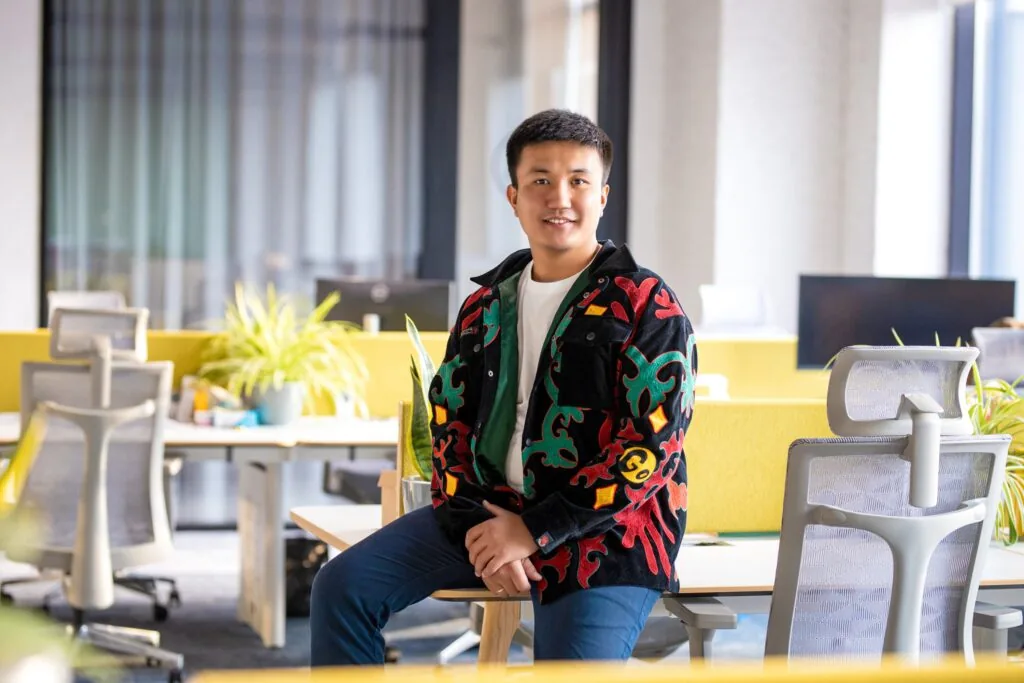
Yandex Kyrgyzstan and the Company’s Role
Large technology companies are drivers of growth and change. For example, Yandex Kyrgyzstan brings global technologies, sets the pace and a high bar for the market, helps solve everyday tasks, and makes people’s lives more comfortable.
This sets an example for the market: how to create products and what approaches to apply. We share international experience and help develop specific sectors and approaches to solving problems.
An important part of our work is social responsibility. We have a programming school in Kyrgyzstan that is already in its third season. We introduce school students in grades 8–11 to IT and help them understand whether they want to develop in this field.
It is important to note that for Kyrgyzstan, the key direction right now is transactional services. This is one of the most developed and largest parts of the market. Over the past couple of years, we have significantly expanded the ecosystem and launched about 13 services. The most popular is taxi. We are developing not only transactional services but also looking into other directions.
I would like to separately note that people in Kyrgyzstan adapt well to changes. They quickly try new products, find value in them, and start using them in their daily lives.
A good example is QR payments, which became mass-market in a short time and have already surpassed card payments in share.
If we talk about Yandex’s experience, Bishkek became the first city where the “Together” tariff was tested. It quickly became popular, and now it is one of the most used tariffs in the country. Interestingly, it developed without a large advertising campaign—people started using it on their own, and it scaled further across the country.
So sometimes we bring global technologies to the country, and sometimes, conversely, local solutions go on a wider scale.
Kyrgyzstan is a flexible market where you can get strong and fast feedback. For example, when launching the “Together” tariff, users themselves explained how it worked: how to order, how to use it correctly, that there should be only one passenger in the car. I haven’t encountered this in any other market.
Over the past year, the local team has grown significantly—many new people and functions have appeared because the ecosystem of services is expanding. Now all products on the market are created by our team in Kyrgyzstan—about 200 people.
I am very proud of the team and what they do. I myself use our products daily—they really solve everyday tasks. For all these eight years, the result is the achievement of our team in Kyrgyzstan.

Leadership and the Future
It is important to be able to learn quickly and adapt—these are key skills for the next 10 years. You also need to know how to work with AI, because we are now in the era of AI agents. If you don’t use these tools, you can quickly fall behind. At least at a basic level, this is already necessary.
At the same time, classic skills are always important—the ability to negotiate and communicate. Without this, it will be difficult for a leader in any field. If you don’t understand people and can’t work with a team, adapting and developing will be harder.
If I could give one piece of advice to young specialists in Kyrgyzstan who want to build a career in technology, I would say this:
You need to be as hungry for knowledge as possible and constantly learn—there is no other way. Try new things, don’t be afraid of mistakes, and constantly ask questions.
It is important to know how to ask the right questions and develop critical thinking. Don’t be afraid to clarify what is unclear—it is normal and correct.
At Yandex, for example, we have a culture where asking questions is encouraged. In general, the main thing is to be open to new things and constantly learn.
The Tech on Telegram Follow The Tech on Telegram
Keep up with the latest technology and startup news.
Related reading






More from this author

Article Useful
How to protect your accounts from hacking: 8 settings you should check today
The Tech

Article Useful
500 Global: How the Accelerator Works and Who Can Receive Investments
The Tech

Article Interviews
Game Development in Central Asia: Arkady Moldavski on Developing Reverb and the Growth of the Industry
The Tech

Article Useful
Google, Tesla, BlackRock, and the IMF: Where to Apply for an Internship in Fall 2026
The Tech

News IT
Tesla unveiled the flying electric car Roadster
The Tech

News IT
Intero Biosystems startup won the Startup Battlefield at TechCrunch Disrupt 2026
The Tech