Unicorns, investments, and the global market: what Central Asia needs for venture capital growth
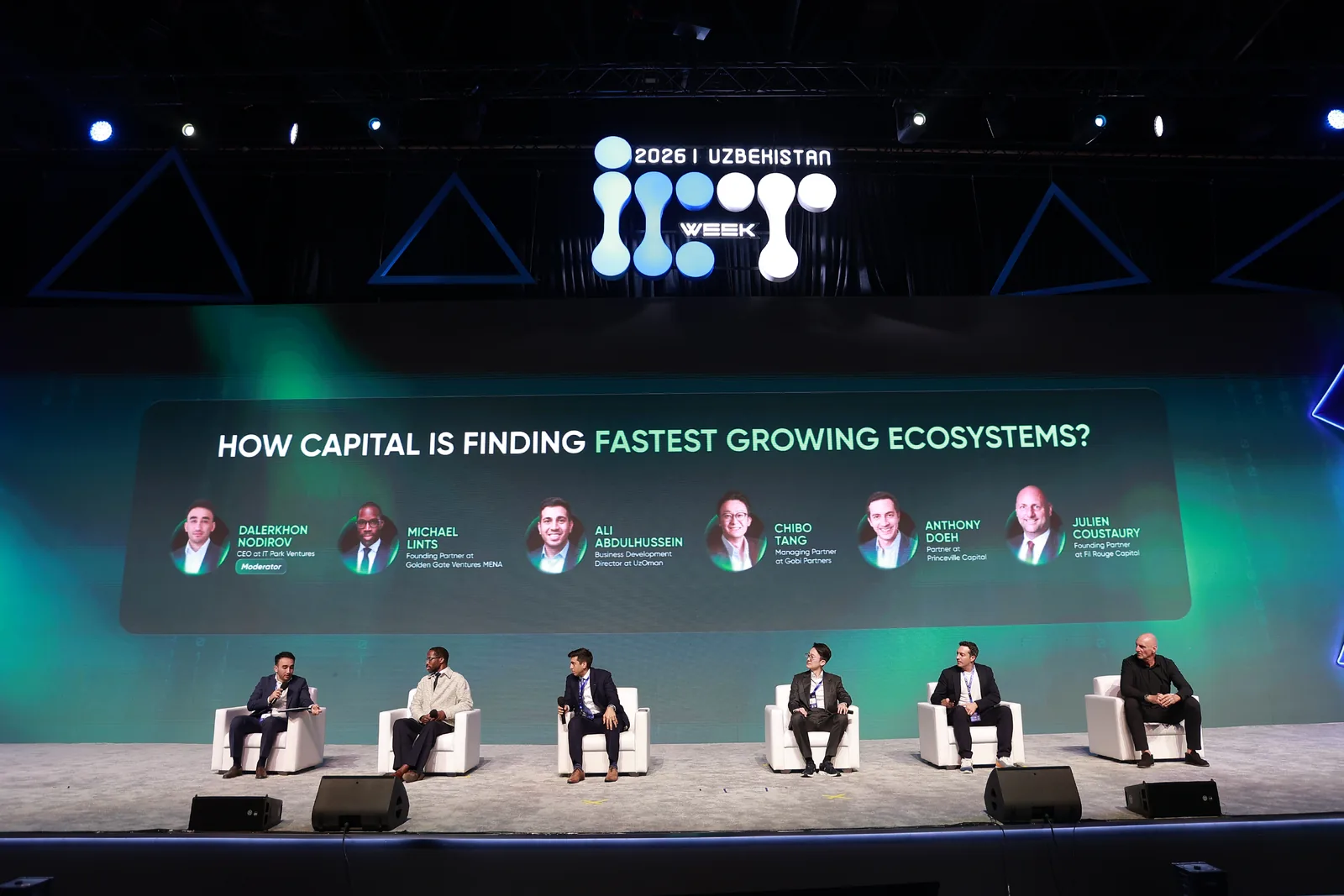
Central Asia is increasingly attracting the attention of international investors and venture capital funds. They are looking at the development of local startups, their potential to enter international markets, and the region's potential to attract new capital. During the ICT WEEK Uzbekistan 2026 session, participants discussed what could attract investments to Uzbekistan and Central Asia, why early-stage investments are important, and what is needed to develop a strong startup ecosystem.
The Tech AI
Get the key points in seconds - a short summary from The Tech AI.
Experts from Golden Gate Ventures, UzOman, Fil Rouge Capital, Gobi Partners, and Princeville Capital highlight the early stage of venture ecosystems in Central Asia, MENA, and other regions. Investors emphasize the importance of early-stage investments, government support programs, and identifying strong founders to build a sustainable market. Success is seen in creating globally scalable companies like Higgsfield and Uzum, which can attract international capital and access major stock markets.
Michael Lints, Managing Partner for the MENA region, Golden Gate Ventures
Our company has been investing in markets for about 15 years. We have worked in Southeast Asia, the MENA region, and now in Central Asia.
When we started working in Singapore in 2011, there was virtually no venture ecosystem there. It was the earliest stage, with only a few private funds on the market. We decided to enter the market early and started with small funds of less than $10 million. Thus, we wanted to show the local ecosystem that investing in Singapore and Southeast Asia makes sense: there are enough talents and a sufficiently large market.
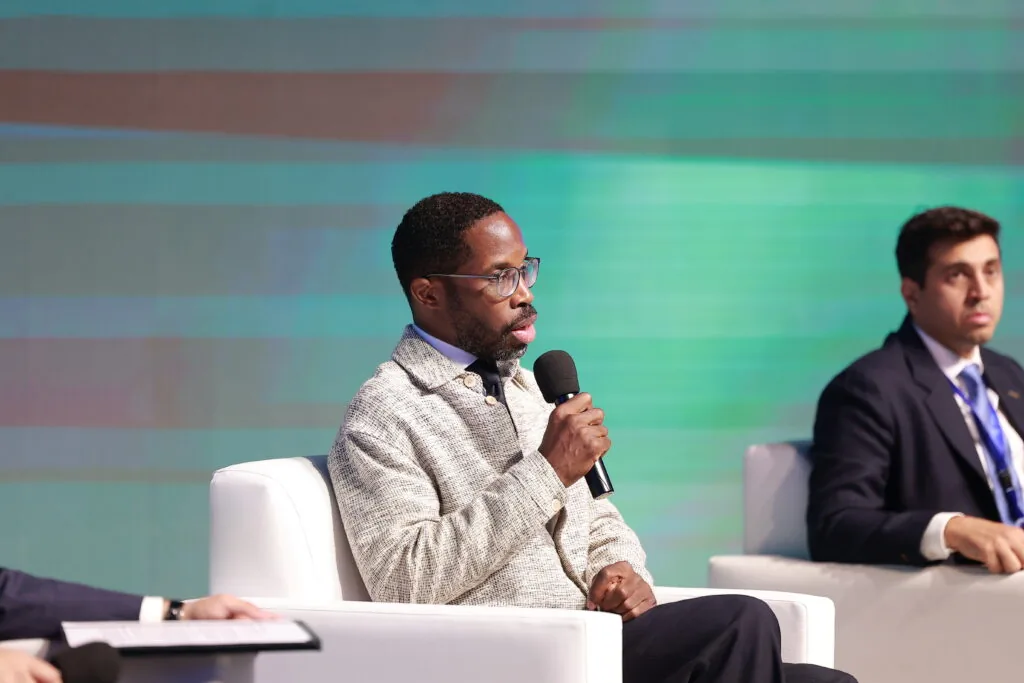
Four years ago, we applied a similar approach in the MENA region, and now we are doing the same here.
One of the most important signals for us is the quality of opportunities. One can talk about the fact that there are not enough deals, companies, or exits yet. But for an early-stage venture fund, entering early is important to understand the ecosystem, find the right partners, and, most importantly, find suitable founders for early-stage investments.
We see the necessary signals here: companies are already raising capital, strong investors are appearing in their rounds, the ecosystem is developing, and interest in the region is growing.
Ali Abdulhussein, Deputy General Director Uzbek-Oman Investment Company, UzOman
UzOman has been working in Uzbekistan for 16 years. We understand the challenges investors face when starting to work with venture capital in a new market.
Working with other private and venture funds is a way to attract institutional capital, reduce risks, and gradually increase our presence in the venture segment.

One of the risks in an early market is related to a limited understanding of the venture capital structure, as well as how to find founders and make investment decisions. This risk can be reduced by finding the right founders and working with funds that have already gone through this path and can help institutional investors navigate the market.
In venture capital, investors primarily look at leading indicators, not historical data. This gives strong founders the opportunity to create breakthrough technologies, enter large markets, and attract venture capital. Therefore, now is the right time to invest in emerging markets.
In order for more capital to flow into the ecosystem, initial investors must act as leaders and set the direction for subsequent investments.
The first wave of capital can be a symptom of a new market's development. But the risk arises when investors start reducing their investments. For a sustainable market, it is important to plan the sequence of capital inflow in advance.
Not all capital should be directed into the first fund. It is necessary to plan investments for five to eight years so that a second and third fund appear after the first one. Each new fund can take into account the experience and problems of the previous one.
Julien Custori, Managing Partner and Co-founder of Fil Rouge Capital
Both ecosystems can be called young, although Central Asia is already gradually emerging from the earliest stage. In both places, there is a need for capital at the earliest stages.
In some European countries, this problem has been solved thanks to state funds that helped launch Pre-Seed investments. This could be useful here as well.
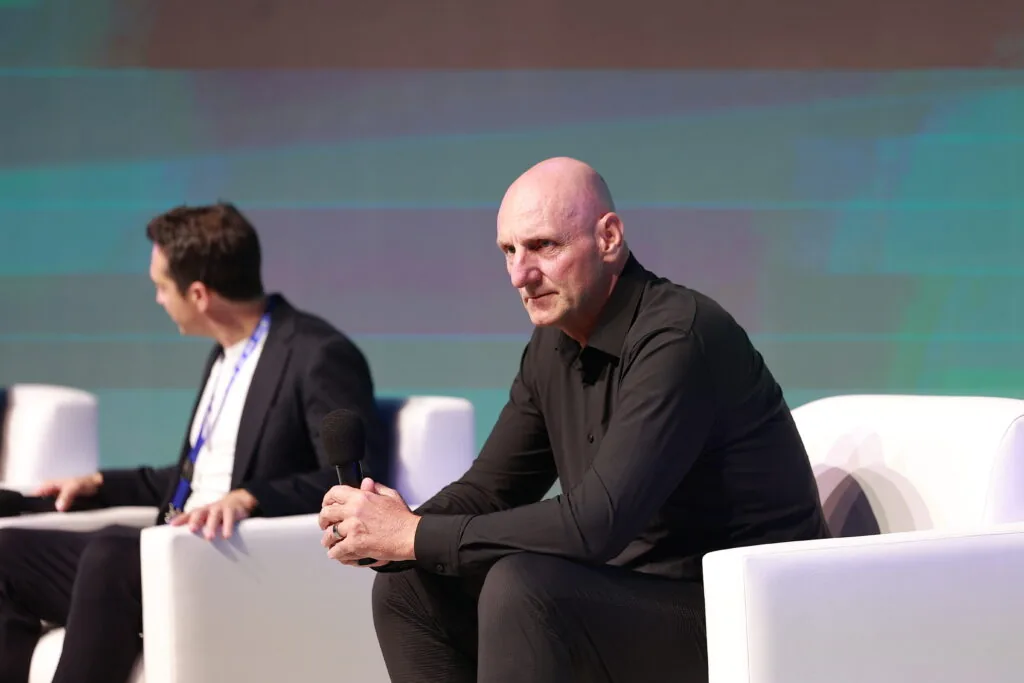
We used a similar model. We had two funds: one was a riskier early-stage fund funded by state funds, and then we attracted a more traditional venture fund with private capital. This became a strong catalyst for the ecosystem, which is now actively developing.
It is important to first create a foundation for early investments, and only then scale the capital. Without investments at the idea stage, there will be no companies that can subsequently attract capital at later stages.
I am a strong supporter of idea-stage investments. Without them, it is impossible to form the next level of the venture market. All initiatives I have seen, including Plug and Play and Justart, are moving in the right direction. Such programs are necessary for the development of the ecosystem.
In Central and Eastern Europe, 10–15 years ago, there were almost no large startups. Then UiPath appeared, which grew from scratch and went public on the NYSE. This changed investors' attitude towards Romania: they came to know the country precisely because of the company.
Therefore, one of the factors for the development of the ecosystem would be the appearance of unicorns. In Central Asia, one can recall Uzum and Higgsfield. Large investors perceive the region as a single market, so growth in interest in one country can attract attention to others as well.
Chibo Tang, Managing Partner at Gobi Partners
Gobi Partners has been operating since 2002, and next year the fund will turn 25 years old. Throughout its history, we have entered ecosystems at early stages and become active participants.
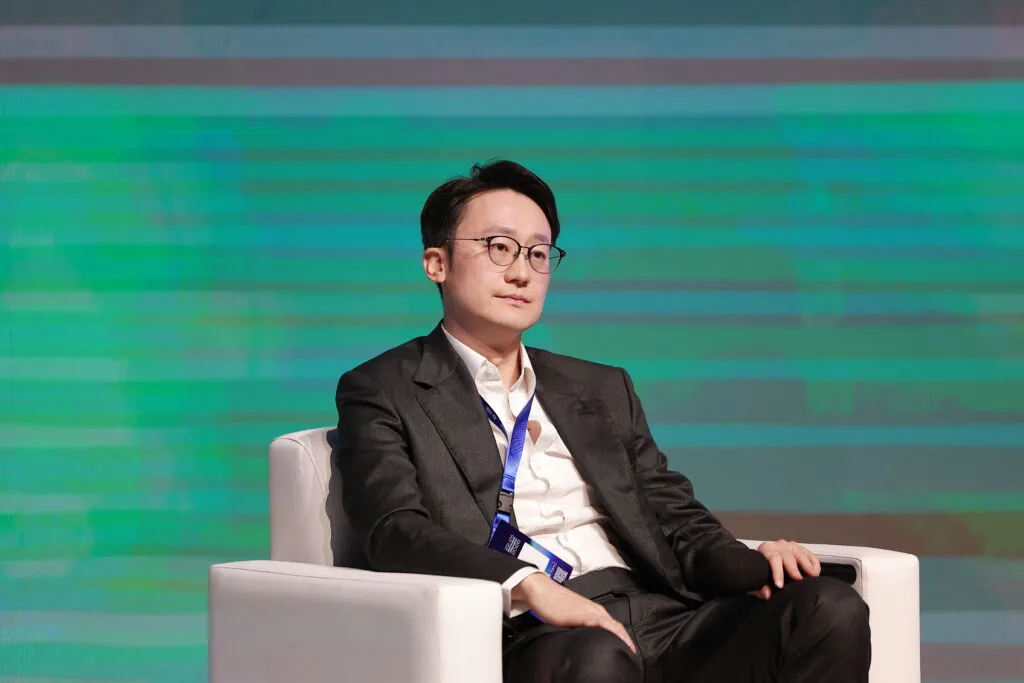
Gobi Partners entered the Pakistan market early; we started working there four or five years ago. At that time, there were virtually no foreign venture funds, and we were probably the first foreign VC to establish a presence there. This year, just a few months ago, one of our portfolio companies in Pakistan became a unicorn. In four to five years, the ecosystem can go from virtually no foreign capital to the appearance of its own unicorns.
At the moment, we consider Central Asia as one of the new promising regions. Over the past 12 months, my team and I have visited here several times. We also brought portfolio companies from China, Southeast Asia, and the MENA region so they could get to know this market better.
Currently, the main barrier is rather a lack of information. People need to know more about what the region offers, what resources and investors are here. As more people come to Central Asia and learn about the region, I think much more activity will appear here.
If startups here are able to create world-class technologies and take them to foreign markets, it is not so important how much time it will take for commercialization. We are ready to look at opportunities in the medium and long term.
Anthony Do, Partner at Princeville Capital
Princeville Capital is a global growth equity investment company. The company manages about $3 billion. We have offices in San Francisco, Berlin, Abu Dhabi, and Hong Kong. We focus on companies that operate globally. Historically, we have invested in Russia, Turkey, China, Singapore, and other countries. Although our investment teams are mainly located in San Francisco and Berlin and a significant part of the activity is focused on Western markets, we consider opportunities worldwide.
Our experience shows that the most successful companies are those that become global businesses or regional leaders and gain the opportunity to enter the largest global stock markets.
For example, Ozon was a Russian company, but eventually listed on Nasdaq. DayOne is also preparing for listing and has confidentially filed an S-1 application. This could become the largest IPO of an Asian company in the US since Alibaba.
If we talk about Uzbekistan, the key question is what a company needs to attract capital from global markets.
In the era of AI-native companies, there are more opportunities for rapid international scaling. We have already seen examples of such companies from Central Asia. Higgsfield is a good recent example. The company is rapidly scaling in international markets and may appear American, although its R&D is located here, in Central Asia.
This is exactly the opportunity for the region now. There is a young digital population, as well as a strong talent base.
For success, you need a strong team, just like in Silicon Valley or leading European tech hubs, a unique and differentiated offering, a strong product or technology, and the ability to quickly enter markets. If a company can rapidly scale its business and enter international markets, such companies are interesting to international investors.
As for growth capital, we primarily look at revenue growth and commercial dynamics. The capital that a company raises and invests in business development should lead to rapid revenue growth along with sustainable unit economics.
Ultimately, the business must move towards profitability. This sounds simple, but not all companies manage to achieve it.
At the growth stage, many companies face constraints. They can reach a certain level of product-market fit and scale rapidly up to a certain point. But then the question arises: how to go from $50–100 million in revenue to $1 billion.
In AI-native businesses, it is quite possible to scale revenue so quickly, but few manage to do it.
Therefore, we look at sustainable revenue growth, a strong team that combines product and effective go-to-market, the ability to acquire customers, and scale in local or international markets.
Such cumulative growth stories allow investors to support companies from round to round, providing capital until the moment of going public or another exit method.
The Tech on Telegram Follow The Tech on Telegram
Keep up with the latest technology and startup news.
Related reading



More from this author

Article Useful
How to protect your accounts from hacking: 8 settings you should check today
The Tech

Article Useful
500 Global: How the Accelerator Works and Who Can Receive Investments
The Tech

Article Interviews
Game Development in Central Asia: Arkady Moldavski on Developing Reverb and the Growth of the Industry
The Tech

Article Useful
Google, Tesla, BlackRock, and the IMF: Where to Apply for an Internship in Fall 2026
The Tech

News IT
Tesla unveiled the flying electric car Roadster
The Tech

News IT
Intero Biosystems startup won the Startup Battlefield at TechCrunch Disrupt 2026
The Tech