"Two months of free work required significant sacrifices," — Alexander Svetlakov on the beginning of his career in IT
The QA Manager at "Bereke Bank" shared their story — from the first steps to current achievements.
Author - Mansur Ismagulov
The Tech AI
Get the key points in seconds - a short summary from The Tech AI.
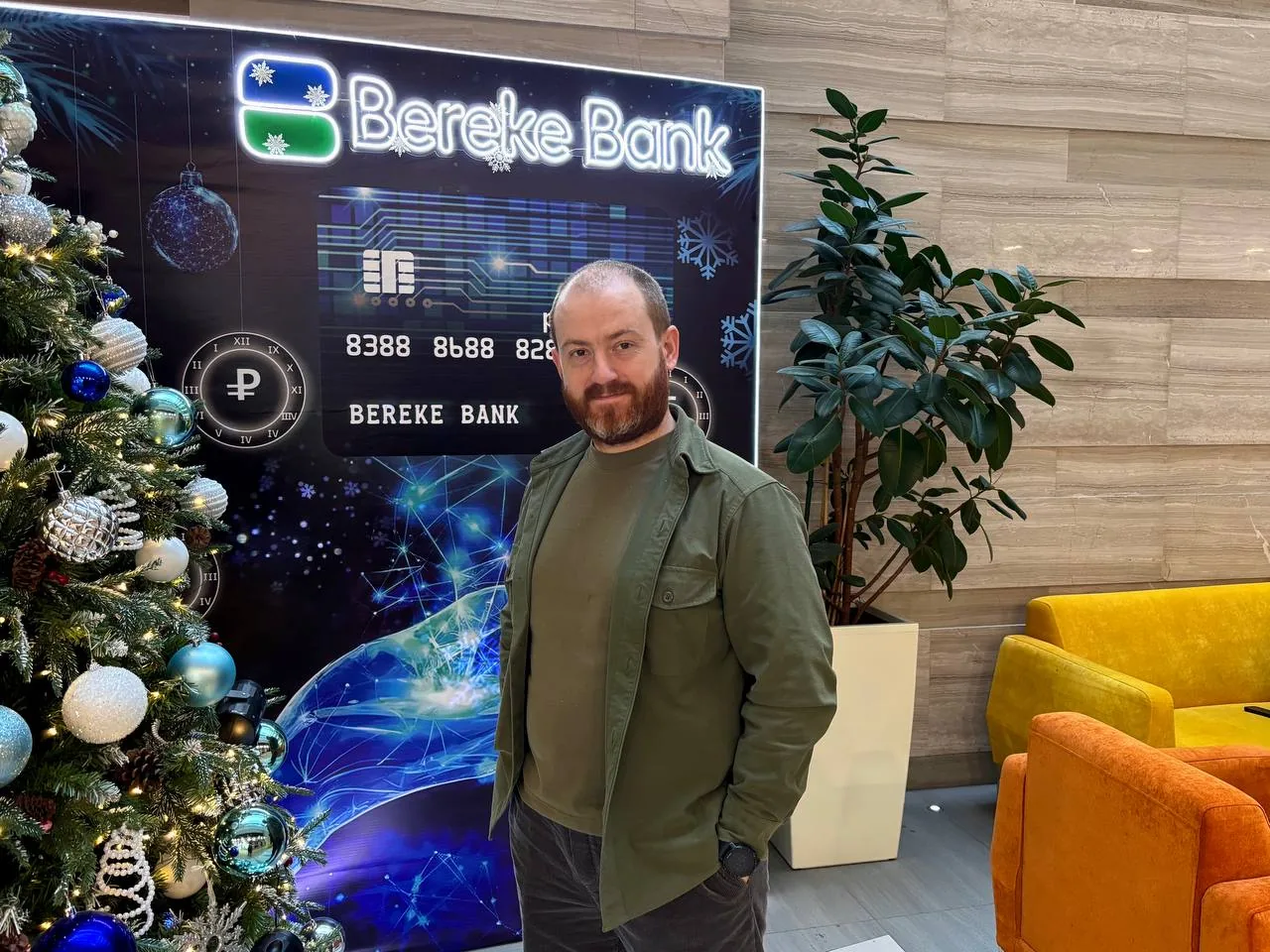
Alexander Svetlakov, 37 years old, from Almaty, heads the QA department at JSC "Bereke Bank" and manages a team of 80 testers. Five years ago, he began his career with a free internship after completing courses at "Yandex Practicum," then moved to Kazakhstan and progressed from team lead to Head of QA. Currently, he is also developing the Bank's Competence Center.
Alexander Svetlakov, 37 years old, city — Almaty, Head of QA at AO "Bereke Bank", Linkedin
About Me
I have been working in the IT field for five years. During this time, I have progressed from an intern to the Head of QA. Currently, I lead a team of 80 testers and have been developing the Competency Center at AO "Bereke Bank" for the past two years.
My journey into IT began relatively late, but I have always believed that if you set goals and act with enthusiasm, you can achieve anything.
About My First IT Job
By the time I first considered a career in IT, I already had substantial experience in various fields. I was tired of searching for myself and wanted to find a profession that was both interesting and stable. That was when I came across QA courses from "Yandex Practicum." Even in the introductory part, I was captivated: everything was logical, structured, and most importantly, I felt that this was my path. Without much hesitation, I enrolled.
Even before the training began, I realized that theory alone would not be enough. Taking my past mistakes into account, I decided to act differently: I needed to find practical experience. I wrote letters to employers explaining that I was still studying and needed experience, so I was willing to work for coffee and cookies.
I sent these letters to more than 30 companies via HeadHunter, but most employers ignored them. Only one company responded and invited me for an interview.
The interview lasted only 20 minutes. They asked the main question: "Are you willing to work for free for two months?" I was not confident about my chances, but I agreed.
The work turned out to be so interesting that I dropped the course when only two months remained until its completion. The practice and tasks I performed every day gave me much more than the training did.
Within a year, I mastered the basics of automation, completed penetration testing, and gained a deep understanding of the complex technical aspects of the profession. But at some point, I realized that I needed to move forward.
I was not afraid of job hunting, and this time I knew exactly what I wanted. With a small number of applications, I landed an interview at "Bereke Bank." It was not easy: high requirements, strict interviews, and I was still unsure about what salary to ask for. However, I received an offer that included a relocation to Almaty.
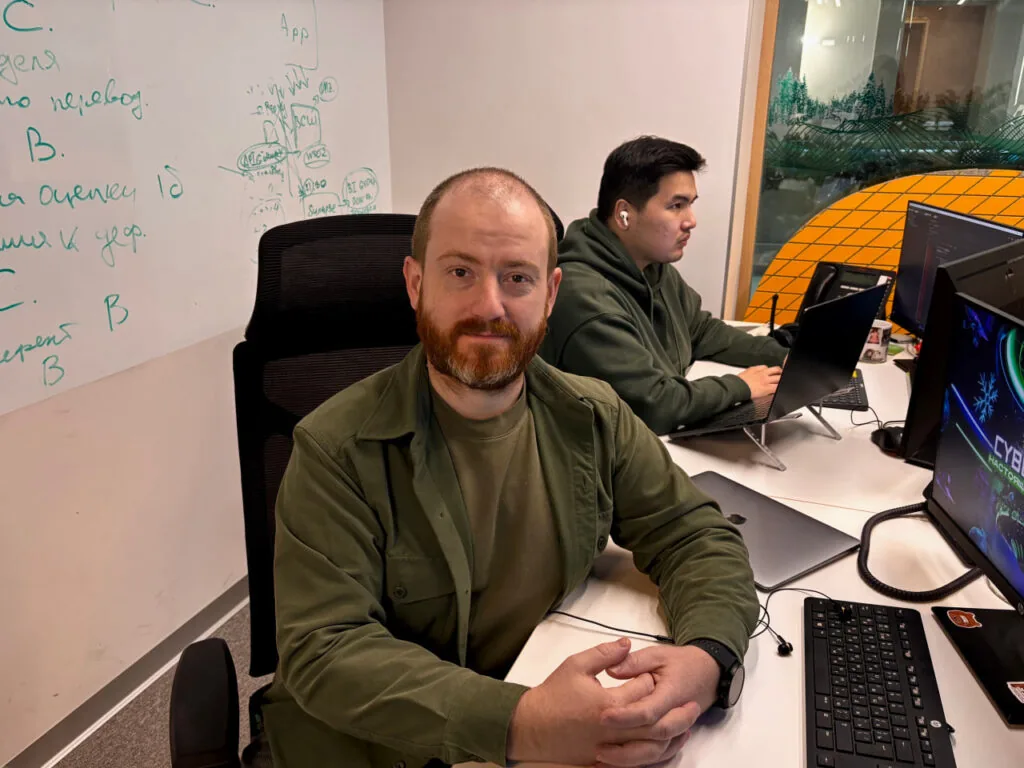
My family embraced this step with enthusiasm: my wife, two daughters, a dog, and a parrot packed their bags and set off for a new life. This move marked the beginning of a new chapter.
My initial tasks involved refactoring automated tests in Java. I was drawn to understanding other people's code, improving it, and standardizing it. The next challenge was working in a team responsible for automating tests for a desktop application. There, I mastered Ranorex—a tool that proved to be more intuitive than programming languages, yet still required a thoughtful approach.
A real turning point occurred when I unexpectedly became a team lead. This role did not officially exist at first, but it was entrusted to me after the departure of the previous team leader. At that time, the team consisted of only two people, and there was barely enough time to support the regression test suite. However, within a month, a new specialist joined us, making the work not only easier but also more engaging.
The role of team lead taught me important skills: planning, task decomposition, and their proper formulation. I began actively using the SMART technique and reading literature such as "Jedi Techniques." These skills not only improved the team's efficiency but also helped me handle unexpected challenges.
A year later, I was offered the position of Head of QA. This was the pinnacle I had been striving for since my first days in IT.
About Difficulties
Every transitional moment was filled with challenges:
1. Financial instability. Two months of unpaid work required significant sacrifices. My financial cushion was barely sufficient. My family was worried, but I believed in myself.
2. Self-doubt. Without a technical education or substantial IT experience, I felt like an outsider. But the more I worked, the more I realized: the key is the willingness to learn and work hard.
3. Continuous development. Courses and practical work went hand in hand. I regularly encountered tasks that were not covered in my training, which forced me to find solutions, experiment, and push beyond my comfort zone.
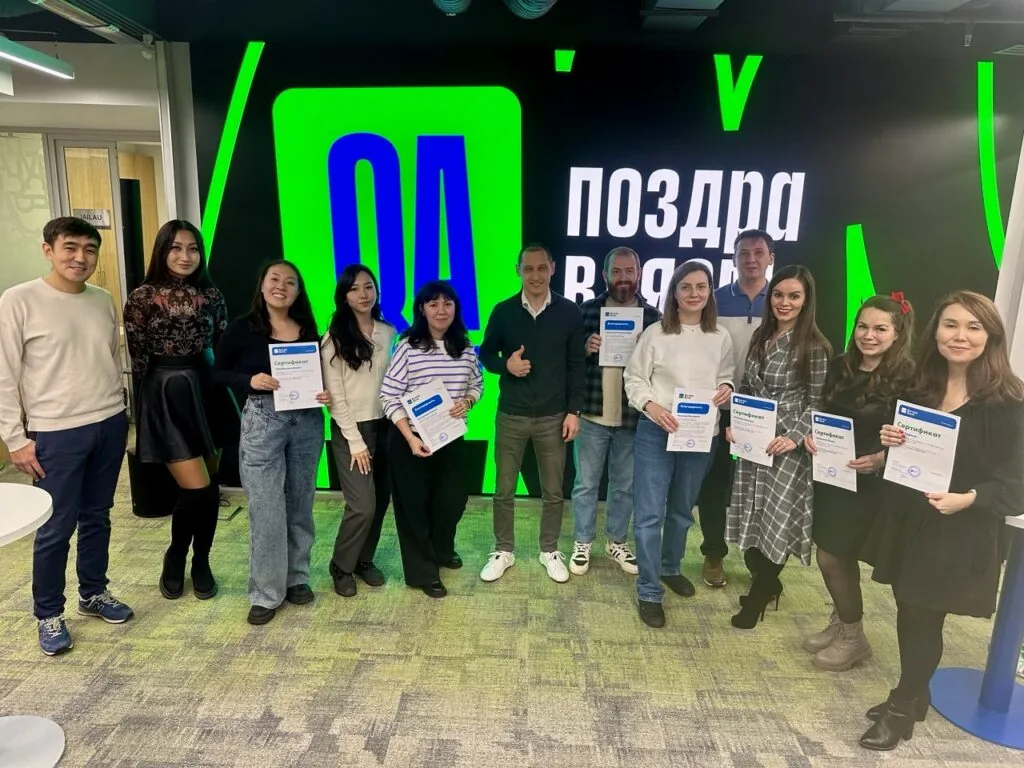
3 Tips to Help You Find a Job in IT
1. Prepare in advance. Start looking for vacancies even before completing your training. Be ready to take on internships or unpaid projects to gain experience.
2. Learn from everything around you. In IT, technical knowledge is important, but so are skills you may have acquired in other fields. For example, marketing or analytics can be excellent additions.
3. Act with enthusiasm. Employers always value people who want to learn and solve problems with burning eyes. The ability to show genuine interest is half the success.
The path into IT can be difficult, but if you believe in yourself, are willing to work on yourself, and are open to new knowledge, success will surely come.
The Tech on Telegram Follow The Tech on Telegram
Keep up with the latest technology and startup news.
Related reading




More from this author

News
zypl.ai begins operations in Japan and focuses on next-generation risk models
Mansur Ismagulov

News
Elon Musk's net worth has exceeded $700 billion for the first time
Mansur Ismagulov

Article Interviews
"Central Asian countries should build a joint ecosystem," — Bekhzod Ismoilov on the development of AI in the region
Mansur Ismagulov
Article Interviews
Bloom's Taxonomy and Engineering Levels: A Practical Growth Model
Mansur Ismagulov

Article Useful
How the IT industry in Azerbaijan developed in 2025: key events
Mansur Ismagulov
News
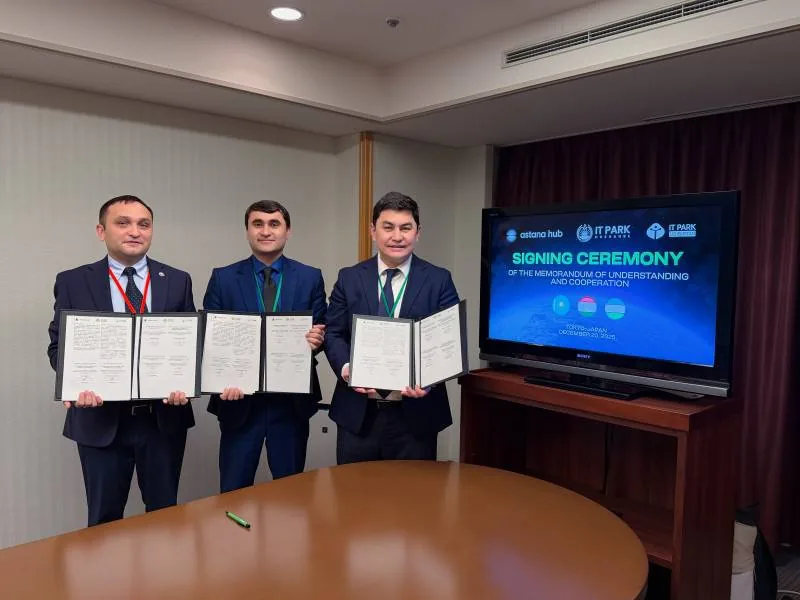
Tajikistan has become a new member of the regional innovation alliance Central Asian Innovation Hubs
Mansur Ismagulov