A girl from Baku created a platform where lessons come alive with VR and AR
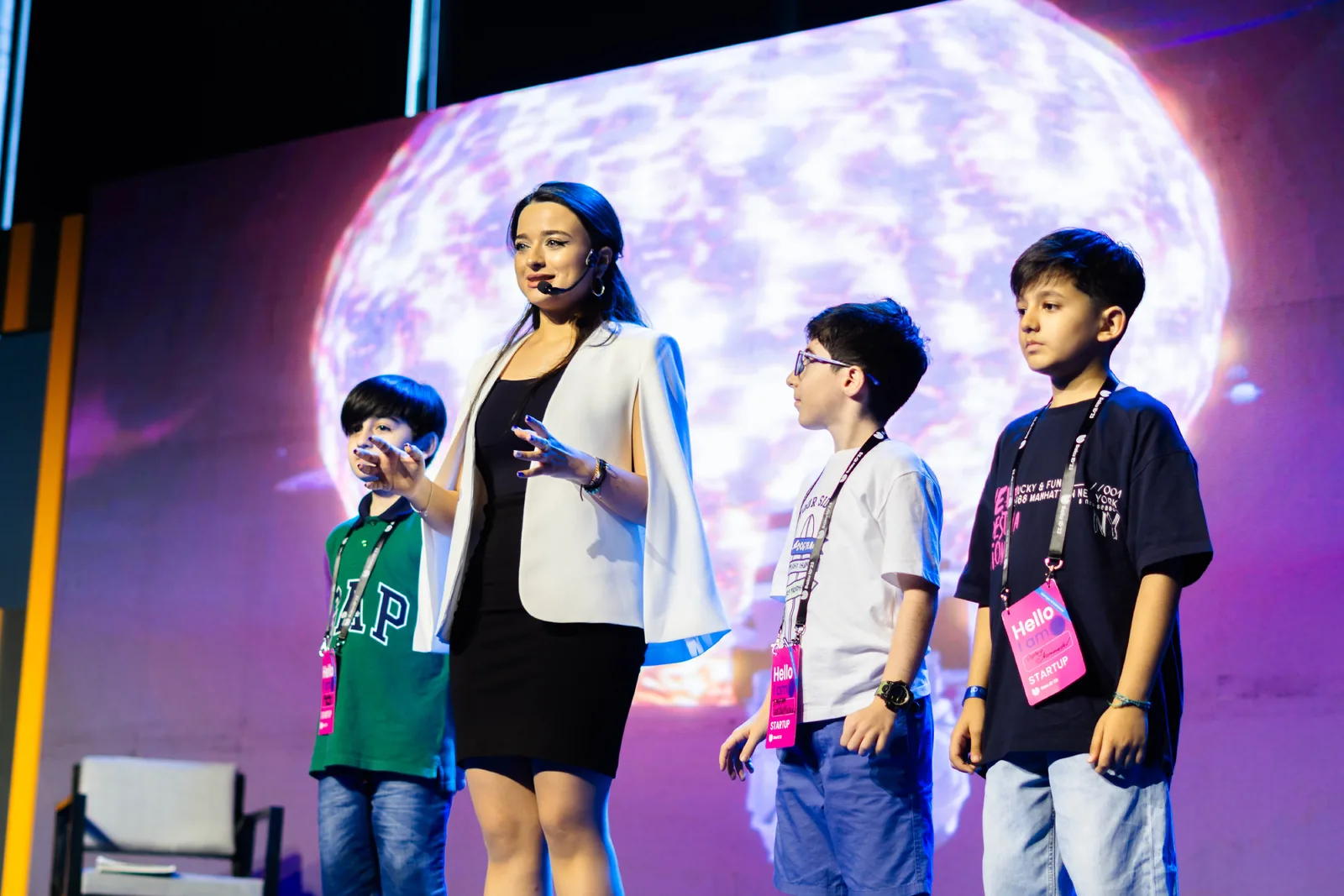
An entrepreneur from Baku and the founder of a startup shared insights on how immersive technologies can make learning engaging and effective. Read the details in our article below.
Gyunay Imanzade, City — Baku, CEO of Metatesk, LinkedIn, Instagram, Facebook
How It All Started
I am an entrepreneur from Azerbaijan, and I have a deep personal connection to the field of education. I began my career at the Ministry of Education and Science of the Republic of Azerbaijan, and later continued working in the educational sector abroad—first in Switzerland, at the university where I studied, and then in China, where I closely interacted with students and gained firsthand experience with different educational systems.
This experience led me to one obvious conclusion: the world has changed drastically, yet education in many countries continues to lag behind. We live in an era of rapid change—communications, technologies, ways of working, and information consumption—yet the educational process has often remained almost unchanged for decades. The same classrooms, the same desks, the same “sit and listen” model, while a new generation grows up in a completely different world—one that is faster, more visual, more technological, and oriented toward active interaction with information.
Because of this mismatch, I repeatedly encountered the same problem: young people are curious and capable, but the learning process often makes them passive. The reason is not that students “can’t learn,” but rather that many subjects are taught abstractly, detached from real life, and lacking emotional engagement. This gap became my primary motivation.
The idea for Metatesk was born from a simple question I constantly asked myself while working with students: “What if learning felt like an action rather than memorization? What if a student could ‘immerse’ themselves in a topic and experience it, rather than just hearing about it?” Thus, Metatesk was created—a desire to make education more visual, effective, and aligned with the potential of our students.
Launching the Startup
Metatesk was not initially conceived by me as a “startup”—it began as an experiment and a prototype. The turning point was the pandemic: I was teaching natural sciences online and frankly felt that many lessons had turned into a format of “watching YouTube together.” Students were formally present, but not truly engaged. This was ineffective, non-interactive, and far from real learning, especially for a generation that needs to experience and feel concepts, not just hear about them.
During that period, I began discussing this problem with friends working in software development. The world was just starting to have active conversations about the metaverse, and we wondered: what if we used these immersive technologies for something truly meaningful—such as education? After these discussions, I immersed myself in deep research on the topic, learned a great deal myself, and created the first simple environment—an early prototype.
When we tested it with children, their reaction became the most important validation for me: they were genuinely interested, focused, engaged, and truly wanted to learn within this experience. At that moment, it became clear: this was not a random experiment, but a real direction for development.
The Team
The team was formed gradually. In the early stages, I funded development from my own savings because I believed in the idea and wanted to move quickly, without waiting for ideal conditions. Over time, as the product vision became clearer and initial validated results appeared, we began building the team, hiring specialists, and shaping a culture around shared values—people for whom real impact matters, who are willing to work in uncertain conditions, and who maintain resilience even during non-linear progress.
In the early stages, I was involved in everything: shaping the learning experience, testing with users, building partnerships, and communicating the vision. For me, “perfect resumes” were less important than people who create—those who learn quickly, take responsibility, and drive real progress.
Target Audience
Metatesk was initially created with a clear focus on young learners—we wanted to make education more understandable, engaging, and memorable for the new generation. However, as the project developed, it became obvious that the demand was significantly broader. Today, Metatesk is used not only by students but also by teachers, educational centers, and institutions, and in many cases—for adult training and corporate learning. Immersive learning is not just about school; it is about understanding and experiencing complex concepts in the way people naturally absorb information.
Our goal is to make complex topics tangible, turning learning from a passive process into an active experience.
Over time, we moved beyond ready-made educational content. Currently, we are developing customized VR/AR products and interactive environments for partners, tailored to their specific tasks—whether it is an educational module, a training environment, or a branded educational experience.
In terms of business model, China is currently our main source of revenue, having become an important market with steady demand. Simultaneously, we are building partnerships with organizations to make modern educational tools more accessible, including initiatives to enter African markets through NGOs and international partners. We grew through pilot projects and long-term collaborations and continue to scale step by step, focusing on quality, trust, and substantive partnerships.
Incubation Programs
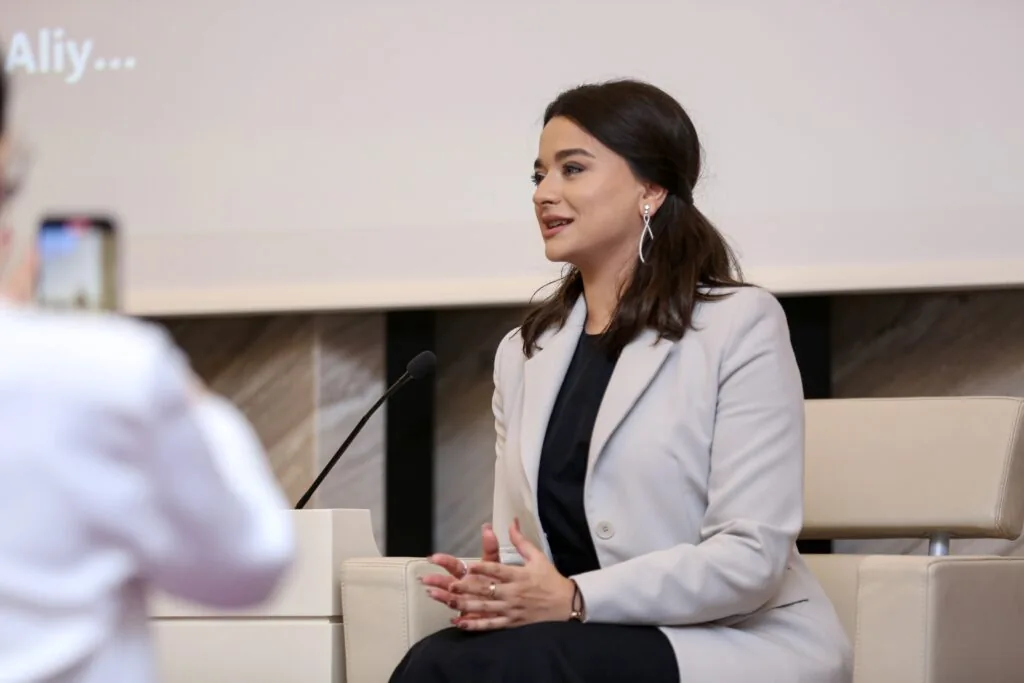
We participated in many ecosystem programs and competitions, and I value them not for “beautiful logos,” but because that is where a startup undergoes a true stress test. The most significant experience for us was the Silkway Accelerator by Astana Hub, implemented in collaboration with Google for Startups. Without exaggeration, this was the most structured program we have gone through: the combination of strong mentoring, founder community support, and practical work on strategy and scaling gave us immense experience.
We also participated in other significant initiatives, including HERO Training—an educational program by Draper University in collaboration with Astana Hub, as well as Star Venture by the European Bank for Reconstruction and Development. Additionally, we were involved in several local and regional projects that helped improve operational execution, expand our professional network, and build growth step by step.
Regarding funding, like many early-stage startups, we started with bootstrapping. I personally funded the initial development stages from my own funds, and subsequent revenues were consistently reinvested into project development. Over time, ecosystem support played a significant role—various programs, opportunities, and grants. We also received an official Startup Certificate from the State Agency for the Development of Small and Medium Businesses, which provides tax benefits and allows us to allocate more resources to product development and scaling.
Challenges
The most difficult challenges were not so much technical. In education, the key barrier is trust: people need to understand whether a solution truly works in real classrooms, whether it is sustainable, and whether it delivers measurable results. Gaining this trust requires patience and real results, not just a strong vision.
Another challenge is the speed of adoption. Education evolves more slowly than consumer technologies, so it is necessary to build long-term relationships and design products with real operational constraints in mind, not just an “ideal demo.” And, of course, content quality is an absolute priority: even the best technology loses its meaning if the educational methodology and content are not up to par.
Achievements
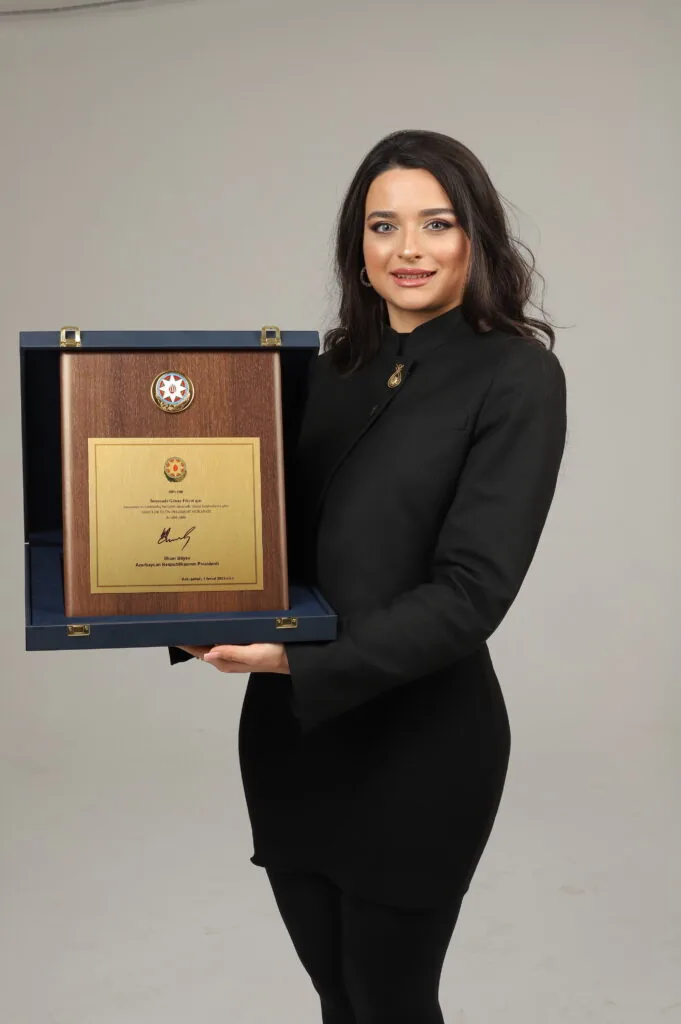
In terms of recognition, the most significant for me was receiving the Presidential Award for Youth of the Republic of Azerbaijan in the “Innovation and Entrepreneurship” category. This award confirmed that long-term, complex, and often invisible work in the field of innovation has real value. Beyond the mere fact of recognition, it sent a powerful signal that serious and consistent effort can be noticed and appreciated at the highest level, and for me personally, it marked a new level of responsibility.
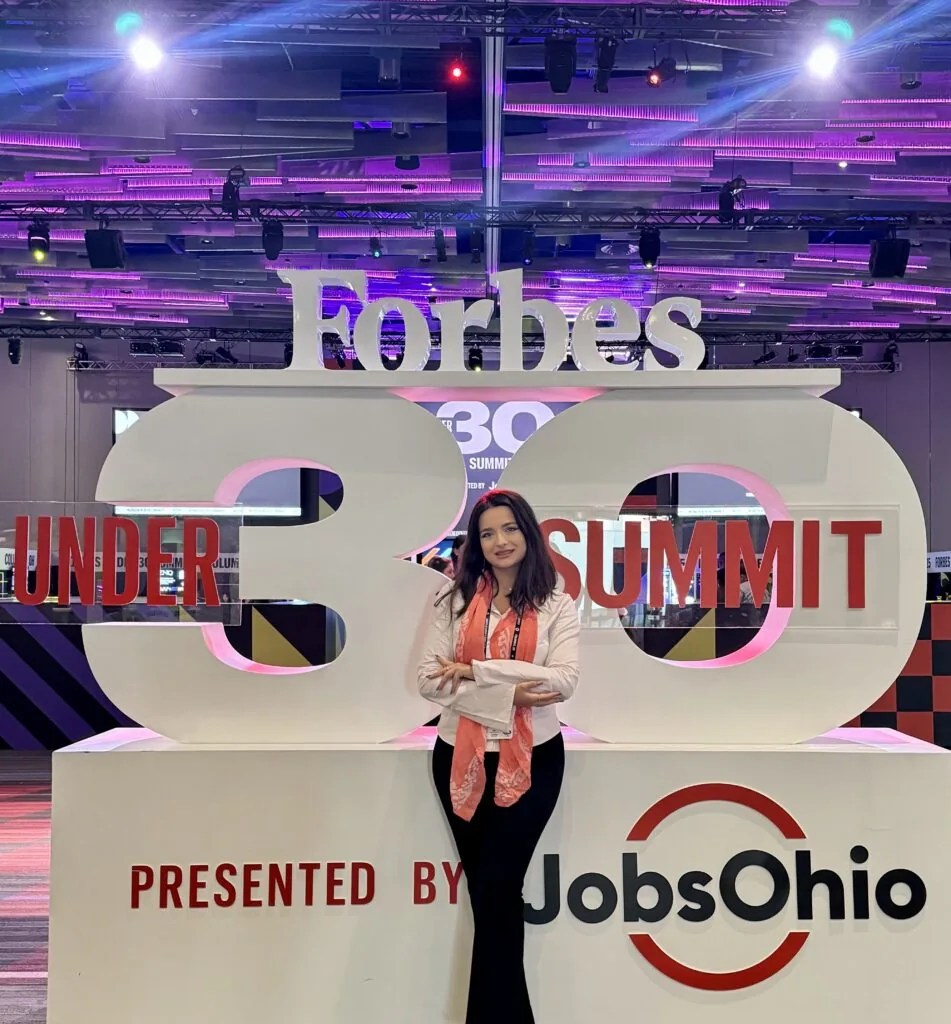
Another important milestone was being included in the Forbes 30 Under 30 Europe list in the Social Impact category. This was a moment that allowed me to pause and realize that your work is visible far beyond your home country and receives international recognition. I also particularly value the recognition in the “Technology Entrepreneur of the Year” nomination at the IDDA Awards, established by the State Agency for Innovations and Digital Development. Given that this nomination was presented for the first time, for me, as a female founder, this award had not only professional but also symbolic significance.
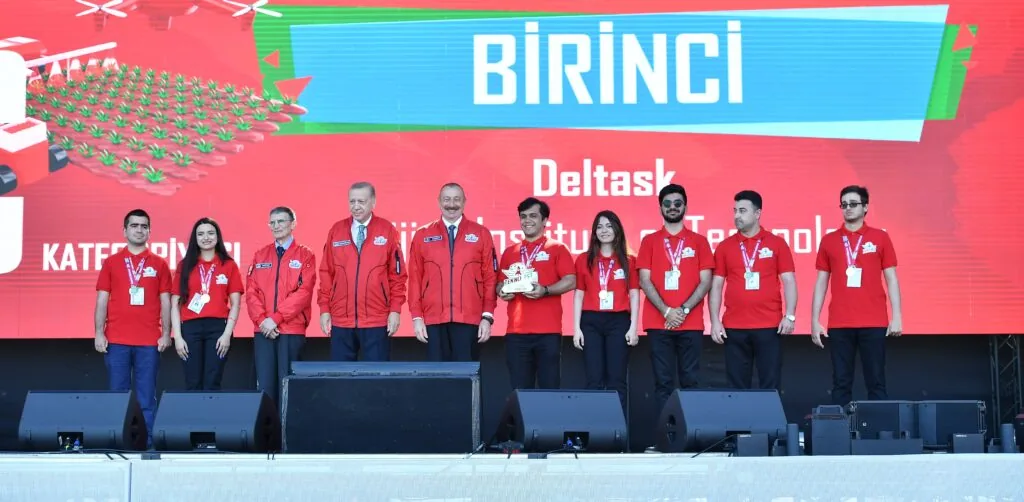
One of the brightest moments for our young team was winning at the TEKNOFEST festival and the honor of receiving the award from the President of the Republic of Azerbaijan, Ilham Aliyev, the President of the Republic of Turkey, Recep Tayyip Erdoğan, and Nobel Prize laureate Professor Aziz Sancar.
Recommendations
My advice to early-stage founders is to remain as grounded as possible: be obsessed with the problem, validate it as early as possible, and let facts, not emotions, dictate the next steps. One of the most common mistakes is when founders fall in love with the solution first, create a product, and then try to “fit” the problem to it. In practice, it should be the opposite: first, a deep understanding and validation of the problem, and only then—developing the solution.
Formulate the problem in one sentence, validate it with real users, create a minimum viable product that proves value, and iteratively improve it based on reality. And finally, persistence is a key factor. The market tests you long before it rewards you, and only consistent, disciplined execution turns a good idea into something that truly works.
Plans
By the end of this year, my main goal is to strengthen Metatesk so that we can simultaneously increase scale and impact without sacrificing quality. This includes deepening the educational value of the product, improving the learning experience, and achieving measurable results, as well as structured expansion of modules and strengthening the system for use in real-world conditions.
An important part of this is working with artificial intelligence, which helps personalize learning—adapting explanations, pace, and support to the speed of absorption and needs of each student, making education more effective for different types of learners.
Another key priority for us is integrating these modern educational solutions into public schools. I sincerely believe that innovations bring the greatest effect when they become accessible not to a narrow circle, but to society as a whole. This requires trust, institutional partnerships, and long-term work—and we are moving toward this step by step.
Beyond Metatesk itself, I view our broader mission as supporting an innovative culture around us. We actively help teenagers and young people develop in the field of technology and innovation, accompanying their projects on the path to becoming real, profitable startups, not just ideas. We plan to continue mentoring and support because a strong innovation ecosystem is created not by one company, but by people who constantly create, share knowledge, and raise standards for a sustainable future.
The Tech on Telegram Follow The Tech on Telegram
Keep up with the latest technology and startup news.
Related reading






More from this author

Article Useful
How to protect your accounts from hacking: 8 settings you should check today
The Tech

Article Useful
500 Global: How the Accelerator Works and Who Can Receive Investments
The Tech

Article Interviews
Game Development in Central Asia: Arkady Moldavski on Developing Reverb and the Growth of the Industry
The Tech

Article Useful
Google, Tesla, BlackRock, and the IMF: Where to Apply for an Internship in Fall 2026
The Tech

News IT
Tesla unveiled the flying electric car Roadster
The Tech

News IT
Intero Biosystems startup won the Startup Battlefield at TechCrunch Disrupt 2026
The Tech