What happened to the ZebraEye startup: Yana Ten on the crisis and a new beginning
ZebraEye has gone from pilots in Kazakhstan and international accelerators to entering the Chinese market, after which the project was paused. In an interview, the founder explains the reasons for the pause, the current status of the startup, and the launch of a new AI project in the field of mental health.
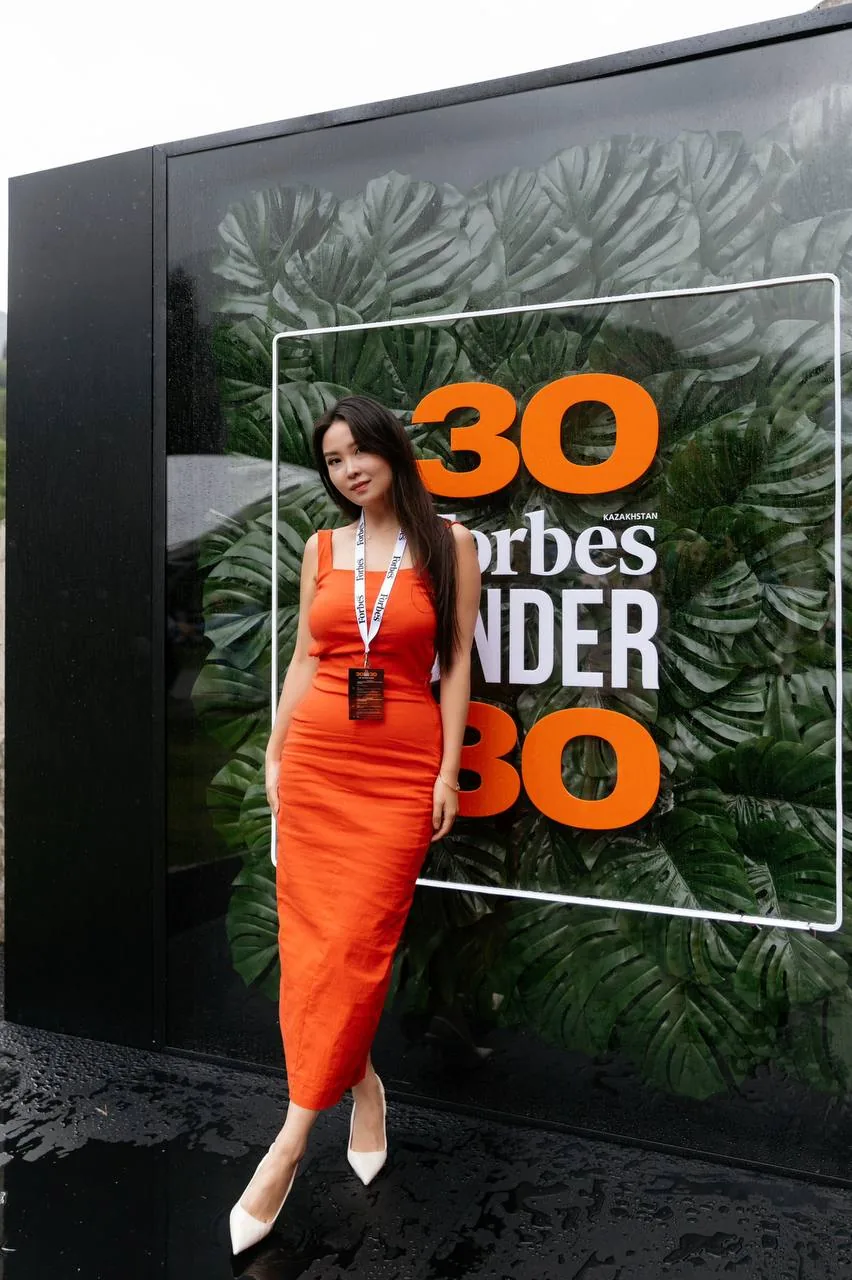
Yana Ten, city — Almaty, serial entrepreneur, Instagram
About ZebraEye
We launched the project in May 2023. We developed a platform — software that analyzes images and immediately checks them for five diagnoses of eye diseases.
We were well received in Kazakhstan. The state helped us significantly; the Astana Health Department supported us. Overall, there were no problems — we also built good relationships with investors.
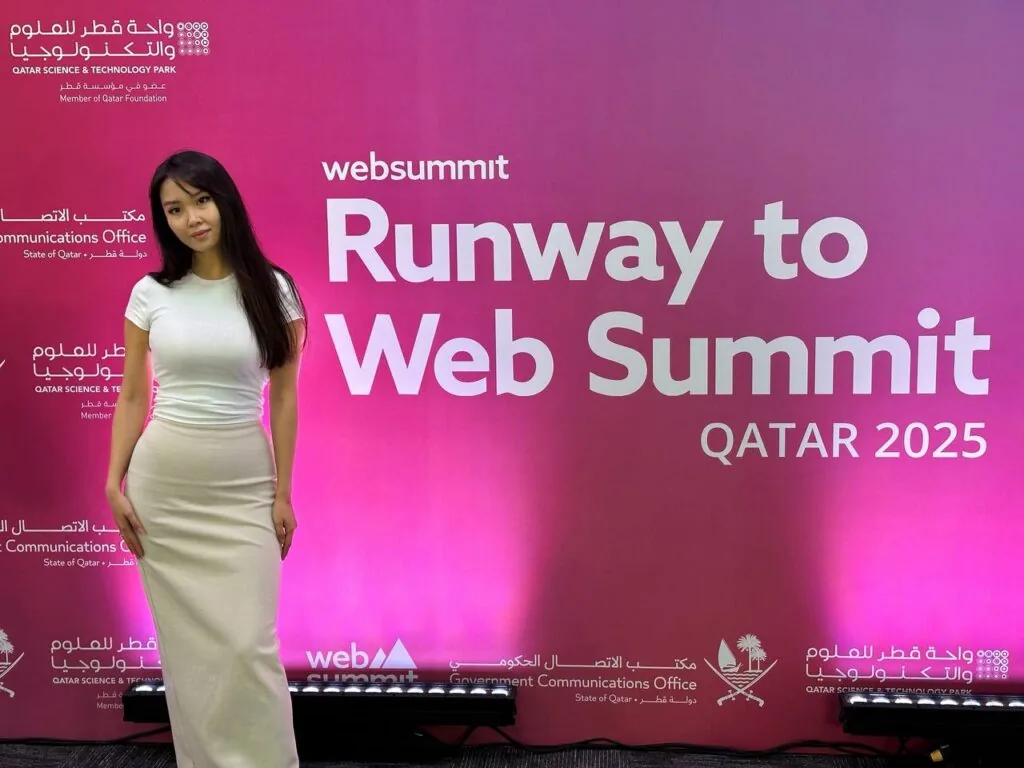
We launched pilots in state hospitals and established good relations with the Ministry of Health. This was a major undertaking, as B2G is generally the most complex sector. We also participated in accelerator programs by Google for Startups, Plug and Play, and Qatar Science & Technology Park. We were invited to these programs and even received payments for our participation.
Reasons for suspending the project
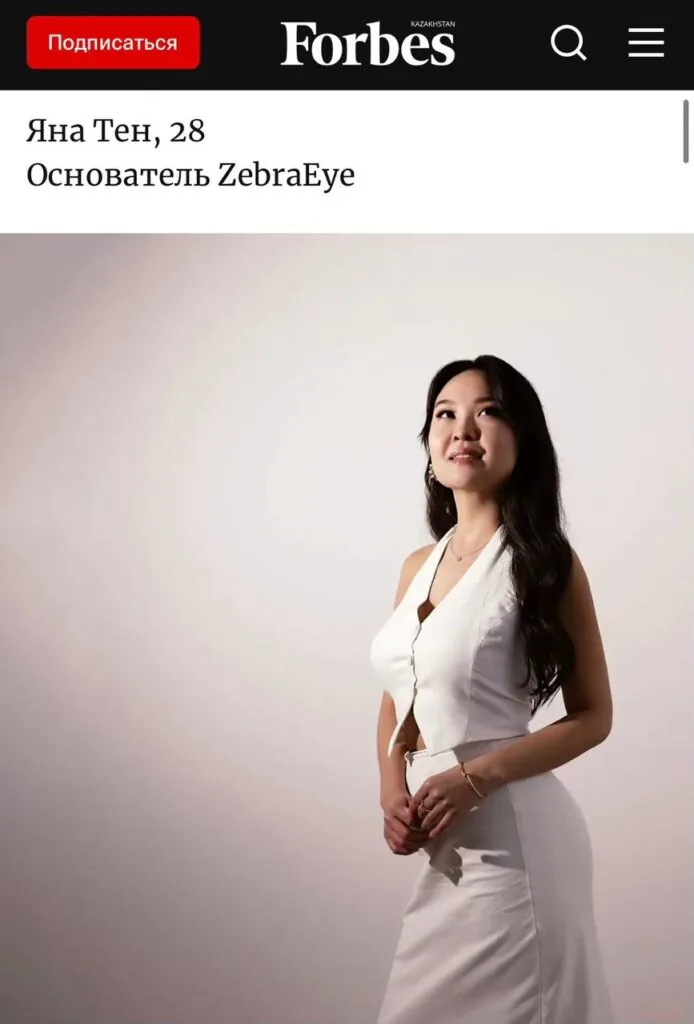
About a year after the launch, we reached a peak: I was included in the Forbes list, investors were ready to invest, we launched pilots, received state support, and won grants.
But at that moment, I faced serious personal problems. I experienced physical and psychological abuse and remained in that state for about a year. This had a significant impact on all areas of my life.
Current stage of ZebraEye development
The ZebraEye project was suspended, but we received a large demand from China, so I am practically forced to resume work on it. Currently, we are going through the Khan Tengri Innovation Hub program in Shanghai.
The Chinese venture capital and technology market is strongly tied to the state. The government is advanced; every five years, a national development plan is formed, and all market participants adjust to it. Currently, there is a strong focus on AI, machine learning, and medicine, so our project fits perfectly into this agenda.
Most venture capital investments here also come from the state: the fund of funds distributes resources to private funds, which are interested in projects aligned with state strategy. That is why we are currently in Shanghai. Demand is high, but entering the market is difficult for foreigners. Moreover, intellectual property protection in Kazakhstan is weak, so negotiations must be handled carefully.
About launching a new project
I am currently in Shanghai and simultaneously developing a second startup, Aneesa, which grew out of my personal experience. It is an AI mental health support tool for people in relationships or those seeking them. The project was launched together with co-founders and developers Bijan Nauryzbay, Shamil Akhmedov, and Zhalgas Saparov.
I view this product from the perspective of someone who has been in toxic relationships. In such situations, people often cannot recognize the problem, do not share it with loved ones, or end up isolated. Even if they are told that this is abnormal, they continue to believe that “our situation is different.”
Therefore, we are creating a solution without a “face” — a tool that can be accessed without embarrassment or fear of judgment. This is a chat assistant trained on books about relationship psychology.
The release on the App Store happened just recently. We began development about a month ago.
There are already initial results: the MVP in the form of a mini-app collected 1,000 downloads within 12 hours after a single post on Instagram, and paying users have appeared. We are now preparing for a full release and marketing strategy.
We plan to attract investments in a few months, based on traction. However, we already have investors, so we are not actively searching.
What’s next for ZebraEye
It is clear that a CEO cannot manage multiple directions simultaneously, and currently, this is difficult for me. Therefore, within the team, we are discussing who will take over the management of the project.
Given the focus on the Chinese market, we may hire a local CEO. There are already several candidates. Within the next three months, I plan to step out of operational management.
Main takeaways
It is important to have a strong partner nearby. A startup is an unstable environment, and at some point, anyone may struggle. Crises can happen to everyone, and then the second partner must pick up the slack and get through that stage.
Find a partner you trust. Ideally, someone you have known for many years.
Anything can throw you off balance in startups: money, investments, attention. And in such moments, a reliable person should be by your side.
The Tech on Telegram Follow The Tech on Telegram
Keep up with the latest technology and startup news.
Related reading






More from this author

Article Useful
How to protect your accounts from hacking: 8 settings you should check today
The Tech

Article Useful
500 Global: How the Accelerator Works and Who Can Receive Investments
The Tech

Article Interviews
Game Development in Central Asia: Arkady Moldavski on Developing Reverb and the Growth of the Industry
The Tech

Article Useful
Google, Tesla, BlackRock, and the IMF: Where to Apply for an Internship in Fall 2026
The Tech

News IT
Tesla unveiled the flying electric car Roadster
The Tech

News IT
Intero Biosystems startup won the Startup Battlefield at TechCrunch Disrupt 2026
The Tech