What's happening in Silicon Valley and what founders are expected to do: Darsh Singh Mann from StartX on entering the US market
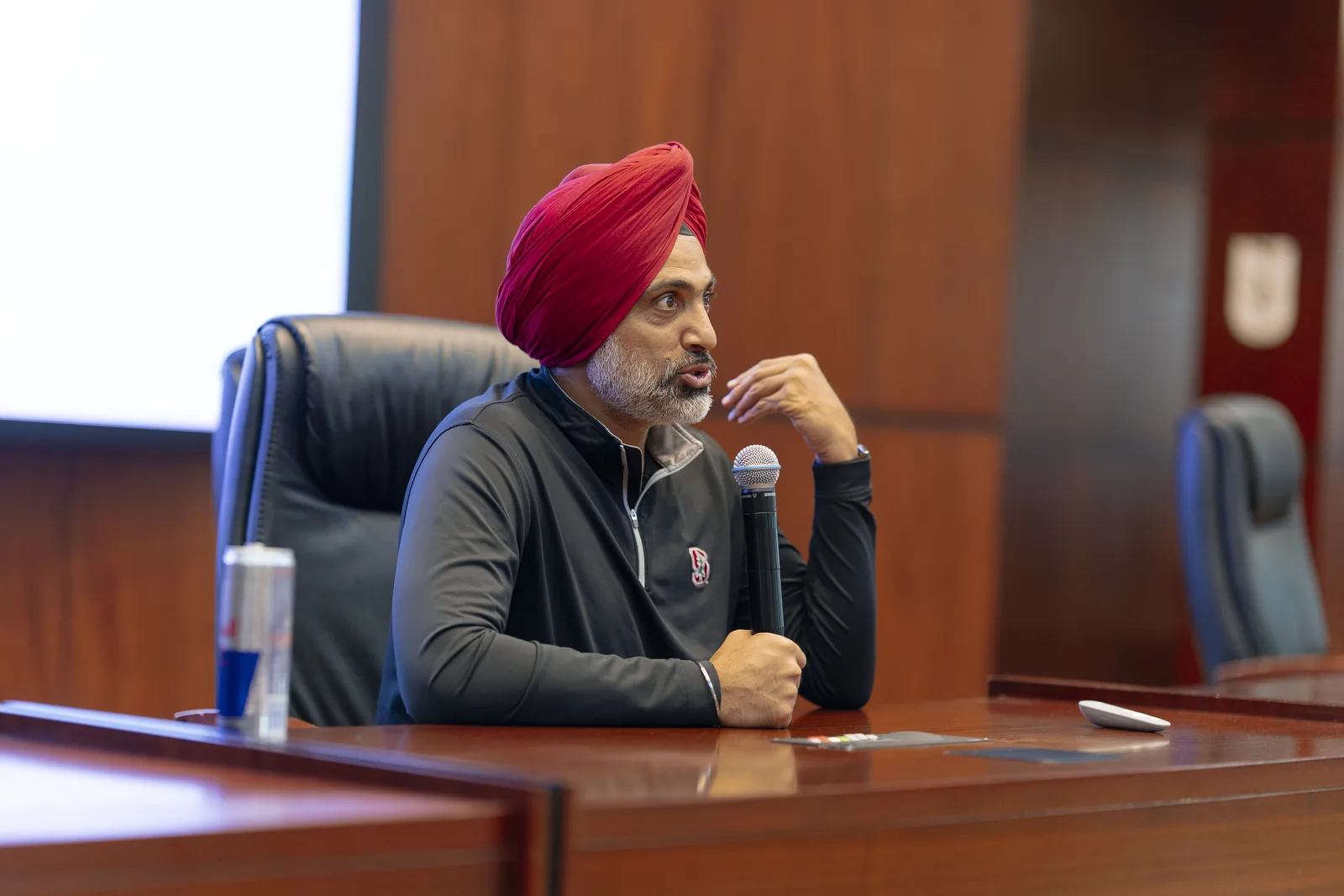
Silicon Valley remains one of the main centers of the global technology industry, and artificial intelligence is driving a new wave of startups and investments. Darsh Singh Mann, Head of Business Development and Partnerships at StartX, told The Tech about what is currently happening in Silicon Valley, which projects are attracting attention, and what founders from Kazakhstan need to enter the US market.
The Tech AI
Get the key points in seconds - a short summary from The Tech AI.
Darsh Singh Mann from StartX advises AI startup founders to relocate to Silicon Valley, where Anthropic and OpenAI are concentrated. The accelerator evaluates the founder's commitment, their experience of more than a year working on the project, and their ability to scale the business. For Kazakhstani entrepreneurs, the partnership between StartX and Nazarbayev University Science & Technology Park opens access to mentors, investors, and networking opportunities for entering the US market.
Darsh Singh Mann, Head of Business Development and Partnerships at StartX, LinkedIn
What is happening in Silicon ValleySilicon Valley has always been the center of the most groundbreaking startups, and right now we are at the epicenter of a new wave—the wave of artificial intelligence, which is fully developing right here. If you are a founder building an AI startup, I think the natural next step for you is to be in Silicon Valley.
Major language model developers like Anthropic and OpenAI are based here. Other companies creating AI infrastructure are also located here. This entire AI ecosystem is currently forming in Silicon Valley. So yes, if you are building a company in the AI space, I would advise coming here.
At the same time, when we talk about the current AI wave, it is important to remember that hype cycles come and go. I recently reviewed my presentation from after my first four years here. Back then, blockchain was number one in terms of hype, followed by FinTech, then HealthTech, while AI occupied a small niche. Today, AI is likely bigger than all three combined.
The area that is probably at the center of the new hype cycle is Physical AI, or physical artificial intelligence. AI has already reached a high level of cognitive capabilities, and the next stage of its development is understanding how it will interact with the physical world: how it will be able to work in our environment, interact with people, and take on some of the tasks that humans perform today. This, I believe, is what we will see in the next stage of AI development. And Physical AI is definitely one of the areas around which a lot of hype is currently forming.
On the other hand, there are sectors that are talked about much less today. For example, biotechnology—a sector that is likely receiving less funding today than its founders need. For them, there is truly an investment winter right now.
How startups are evaluated
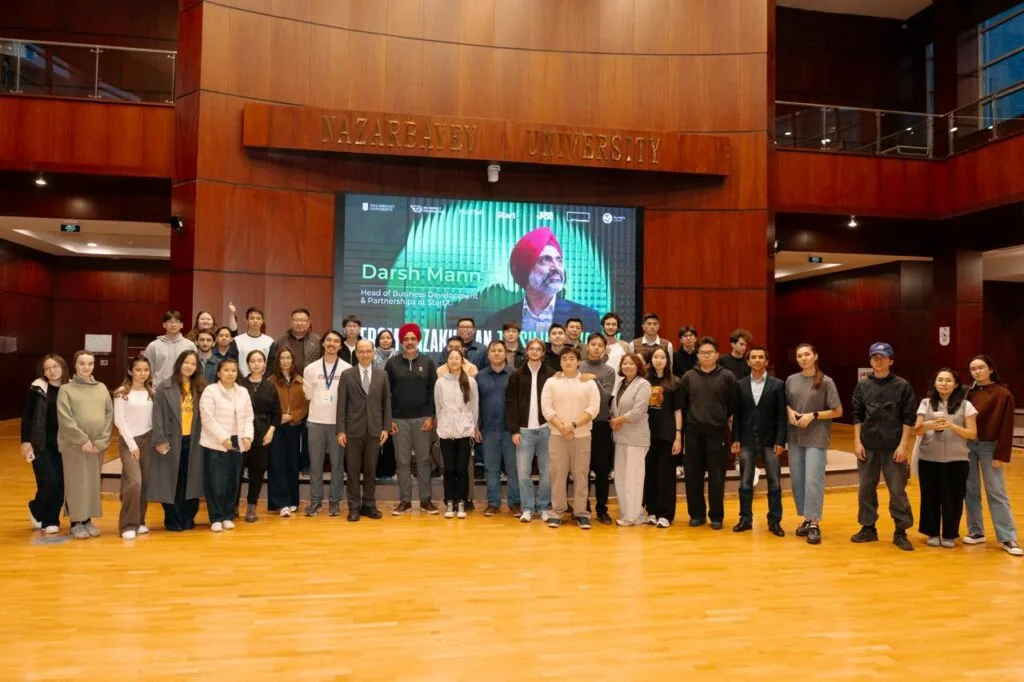
When we look at a startup, we are actually not looking at the startup itself—we are looking at the founder.
It is important for us to understand the founder themselves: what drives them, how passionate they are about their work, and how seriously they take it. Why are they doing this? How long have they been working on the project? Are they doing it full-time?
First, we want to understand whether the founder is prepared to engage in this long-term or simply views the project as a temporary story.
Second, it is about how they think about building a team and attracting people with additional competencies that will help the company grow. A startup must be able to attract the right specialists to achieve success.
The third factor is the ability to execute ideas. We want to see that the founder knows how to act in the market. This could be a proof of concept, market entry, raising investment, or the ability to generate revenue.
We want to see more than just an idea. We need something scalable that is already developing and growing. This is also related to which founders remain in our field of view. During the selection process for the startup program, we want to see that the founder has already been working on their idea for, say, more than a year.
If you have just come up with an idea and you come to me with it, I will say: "Okay, come back and work on it some more." Continue developing the project and come back later. This is the kind of work and progress we want to see.
Sometimes a founder may come to you who is at the very earliest stage. This does not mean they are a bad entrepreneur. They are simply at a different stage of development. For such people, I would give feedback and continue to support them. I would say: "Do this work and come back to me," rather than simply giving a categorical "yes" or "no."
Kazakhstan and the global market
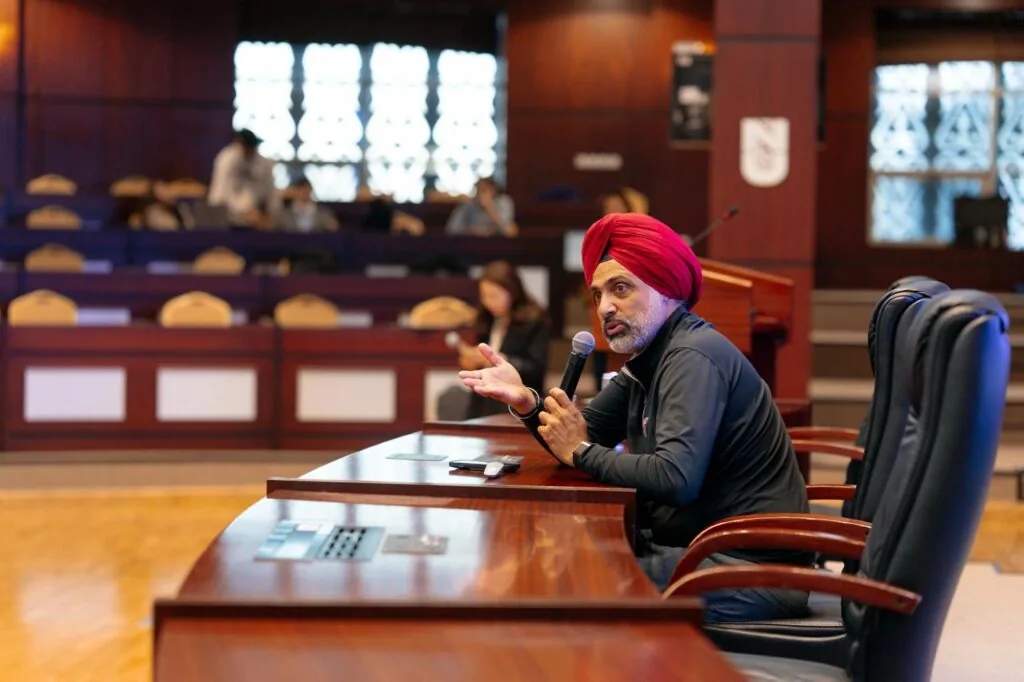
The biggest challenge for Kazakh founders is that when they come to us, they lack a network of contacts. They do not know anyone here, and most relationships and opportunities in the US are built precisely through personal connections and professional networks.
This is where the role of StartX comes in. We create a community for them where they can communicate and establish connections with founders who have already built successful companies in the San Francisco Bay Area. These people then introduce them to other important contacts. These can be investors, partners, or potential customers.
This is the true value of what happens when founders come to us. We help them build these connections.
At the same time, when it comes to competing in the global market, founders must clearly understand what value they are creating. They need to clearly show what results they have achieved and at what stage of funding they are. If they can demonstrate this, they have the opportunity to attract investment.
I also tell founders who come here: you do not need to be overly polite with investors or anyone else. Be clear. An investor may ask you for many things that actually have nothing to do with your project. You must clearly understand what hypothesis you are testing and what specific results you have already achieved to reasonably request the next round of funding.
To a large extent, it all comes down to how clearly you have formulated in your mind what the value of your project is. Chasing investors who react to you with only moderate interest is not creating value.
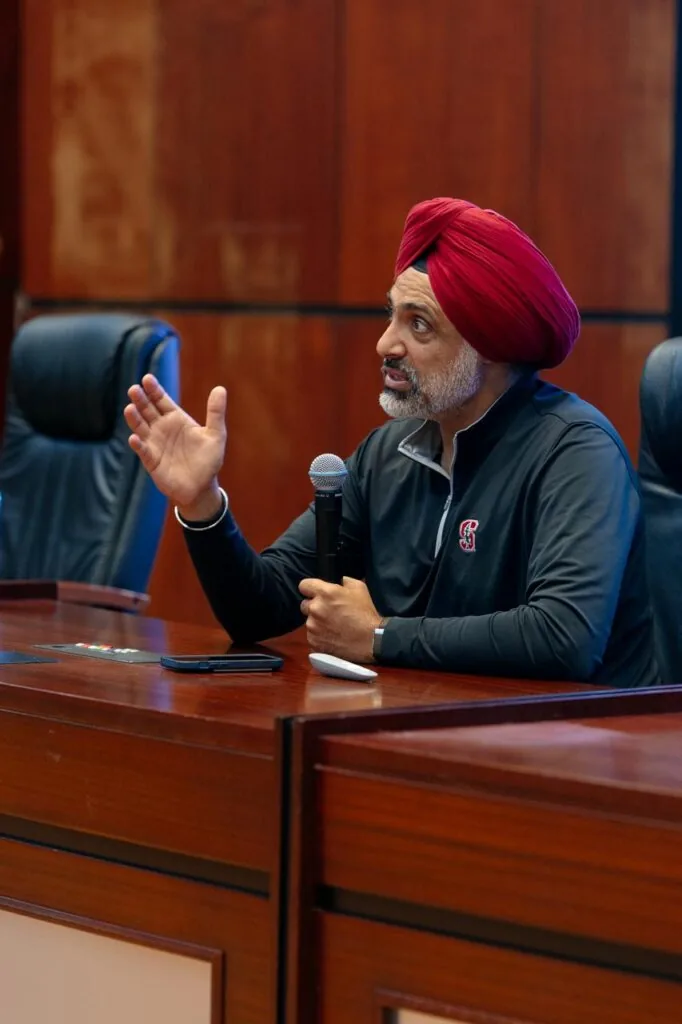
When a founder is ready to enter the US market, I would definitely advise them to first study the investor and understand which companies and projects they usually invest in. Many founders approach this conversation as: "The investor must give me money, so they are in a higher position." I think founders should look at this differently: they are also choosing who to take money from.
You need to ask the investor questions: "Which other companies have you invested in? What was your investment strategy? What constitutes a good investment for you?"
Instead of simply looking for money, founders should strive for more balanced relationships with investors. Today, such balance is often lacking in the relationship between investors and founders.
For Kazakh founders, access to the StartX community opens up a platinum agreement between StartX and Nazarbayev University Science & Technology Park, part of the NU Impact Foundation ecosystem. The partnership gives startups from Kazakhstan and Central Asia the opportunity to be selected for the StartX acceleration program, work with international mentors, and build connections with investors, partners, and potential customers in Silicon Valley. This helps teams prepare for entering the US market and form a professional network for further growth.
The Tech on Telegram Follow The Tech on Telegram
Keep up with the latest technology and startup news.
Related reading






More from this author

Article Useful
How to protect your accounts from hacking: 8 settings you should check today
The Tech

Article Useful
500 Global: How the Accelerator Works and Who Can Receive Investments
The Tech

Article Interviews
Game Development in Central Asia: Arkady Moldavski on Developing Reverb and the Growth of the Industry
The Tech

Article Useful
Google, Tesla, BlackRock, and the IMF: Where to Apply for an Internship in Fall 2026
The Tech

News IT
Tesla unveiled the flying electric car Roadster
The Tech

News IT
Intero Biosystems startup won the Startup Battlefield at TechCrunch Disrupt 2026
The Tech