BILLZ — a startup focused on automating sales
Rustam Hamdamov, co-founder of the BILLZ startup project, shared the history of his project's creation, the challenges and achievements in implementing it.
The Tech AI
Get the key points in seconds - a short summary from The Tech AI.
In 2017, Rustam Hamdamov founded the startup BILLZ for small and medium-sized businesses. By 2023, the platform connects over 2,500 stores across four countries with an audience of more than 15,000 users. The project received investments from Quest Ventures ($500,000) and Sturgeon Capital ($150,000), and completed acceleration programs at Y-Combinator and Astana Hub. Plans include expanding into the markets of Georgia, Azerbaijan, and Saudi Arabia, with a fourfold growth in current regions.
Rustam Hamdamov, Tashkent, BILLZ startup project leader and co-founder, @rustamkhamdamov
How It All Began
The startup idea emerged in 2017. At that time, we were working at Ucell, a telecommunications operator. By then, I had over eight years of experience in product development. The second co-founder, Vadim, worked on the technical side of the project. The third co-founder also worked at Ucell but later left the company to open his own chain of retail stores. He faced issues related to product inventory management. At the same time, we had started developing an internal CRM system. Therefore, we invited him and other retailers to a focus group for research.
After conducting over 20 CustDev interviews with potential customers, we realized they had similar problems. It became evident that they were not satisfied with the services offered in the market. Many retailers still kept reports on paper. We worked on this project part-time for about two years and then dedicated ourselves fully to it in 2019.
The Team
We assembled our first team from acquaintances we had worked with at Ucell. The product was written by people we knew personally or met through other employees. As the project grew, we began hiring additional staff.
Target Audience
Our target audience is small and medium-sized businesses in the retail sector. These are stores selling footwear, clothing, accessories, electronics, and similar products. The solution we offer allows for full control over products, customers, and services within the store and helps them transition to online sales through websites, bots, and marketplaces.
By using our product, customers can save up to 30% by optimizing product inventory, as our solution enables them to purchase necessary goods correctly and engage and retain customers more effectively.
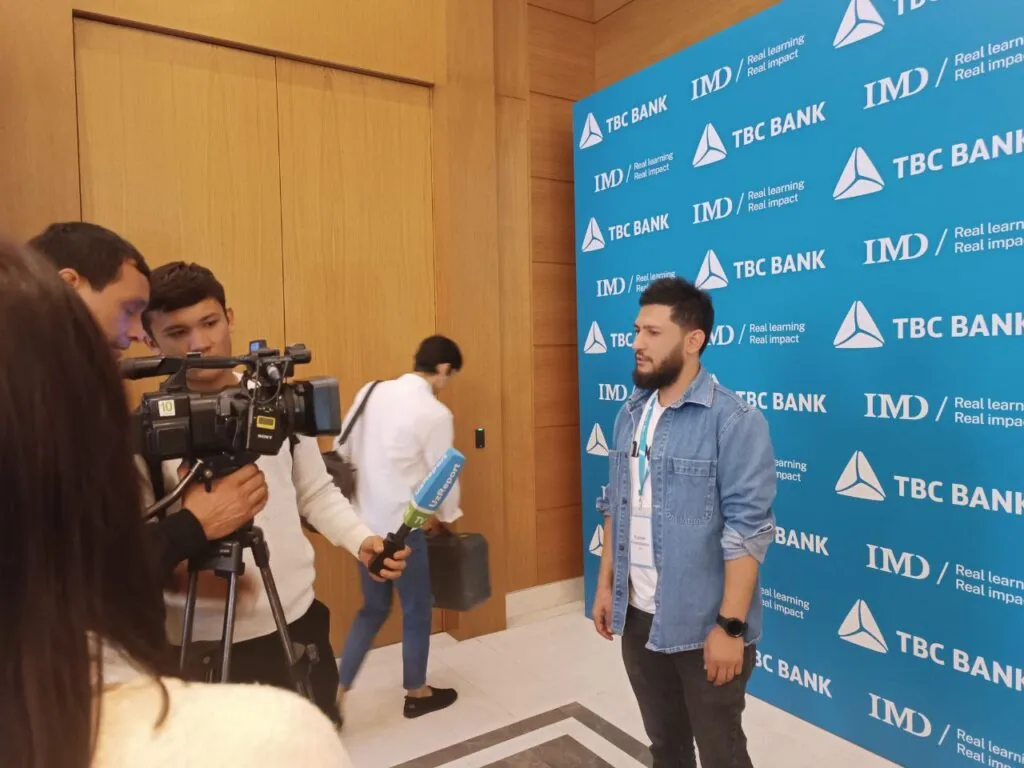
We also help train employees. Most importantly, we do this for free. We visit the store, show everything, and continue to provide remote support afterward. Many retailers are switching from paper or Excel to our product because it is easier and more convenient for them.
We are actively operating in four countries: Uzbekistan, Kazakhstan, Kyrgyzstan, and Tajikistan. At the same time, we are currently working on launching the project in two more countries.
Over 2,500 stores with a total user base of more than 15,000 use our service.
Acceleration Programs
Our first program was the Y-Combinator online accelerator. It is free and open to everyone.
In 2023, we completed the second acceleration program by Astana Hub and Google for Startups. We moved to Astana for three months, conducting weekly tracking and training sessions. We learned a lot of new things and met interesting people.
We participated in various competitions three to four times and won twice. We took first place in the Global Entrepreneurship Award competition.
Challenges
Challenges arise every year and every day. The main difficulties were in the initial stages—creating the first version and starting sales. We idealized product creation too much; we spent nine months writing it and another six months refining it. Only after that did we present the technology to customers, and that’s when many errors began to surface.
As soon as customers started using our product, we began receiving feedback. Based on this, we were able to determine the correct direction for development.
The second problem was rapid product expansion. We created a system for Uzbekistan and planned to expand it to other countries. Then we realized that something created for a specific market does not always work well for others. Therefore, we wrote a new version of the product, which took another two years and a lot of funding.
The third issue was attracting investments. In 2019-2020, there were no professional or institutional venture funds in Uzbekistan. It was difficult to find investors. We simply looked for people with money. That’s when we randomly met Sturgeon Capital. At that time, they were just entering the market, and we became their first invested company.
The final challenge is attracting talent. At each stage of the startup, you need people who can take it to the next level.
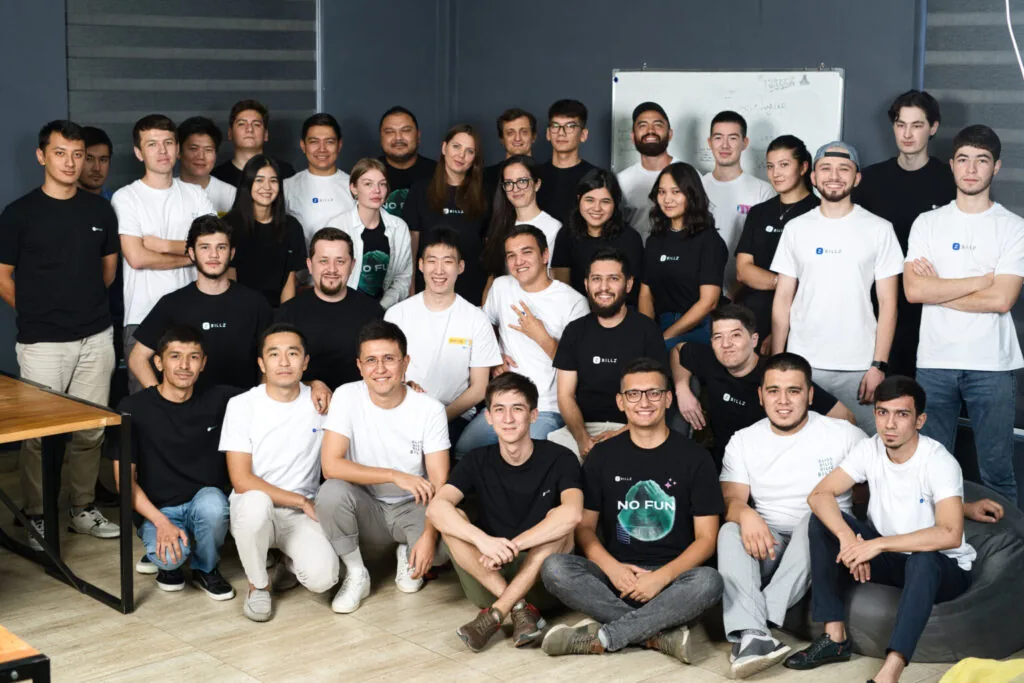
Finding such employees in the technology sector is difficult. In the initial stage, we had to hire interns or specialists and train them ourselves. In short, the young men who came to us as students have now become excellent professionals.
Recommendations
If you are building a hypothesis-based business, you need to launch it as quickly as possible by starting to collect user data. Based on this, you can determine where to invest resources.
Just start doing it. If you have a good idea and a product that the market needs, be persistent and patient. These qualities distinguish good founders from others.
Go to meetings, meet people, and communicate with other founders. This will help broaden your worldview. When you see how others are working, you will start striving for more yourself.
Achievements
In 2022, we attracted investments from international venture funds: $500,000 from Quest Ventures and $150,000 from Sturgeon Capital.
We grew three and a half times, wrote an international version of the product ready for rapid expansion, and assembled strong sales and support teams.
Plans
We are currently in the product expansion phase. We are attracting investments to enter new markets faster. By the end of the year, we will launch the project in Georgia and Azerbaijan, and later in Saudi Arabia. We have already conducted research and understood that these countries are currently interesting for us.
We plan to strengthen our position and grow four to five times in Kazakhstan, Uzbekistan, Kyrgyzstan, and Tajikistan.
The Tech on Telegram Follow The Tech on Telegram
Keep up with the latest technology and startup news.
Related reading




More from this author

News IT
Google has solved one of the main problems in quantum computing
The Tech
News IT
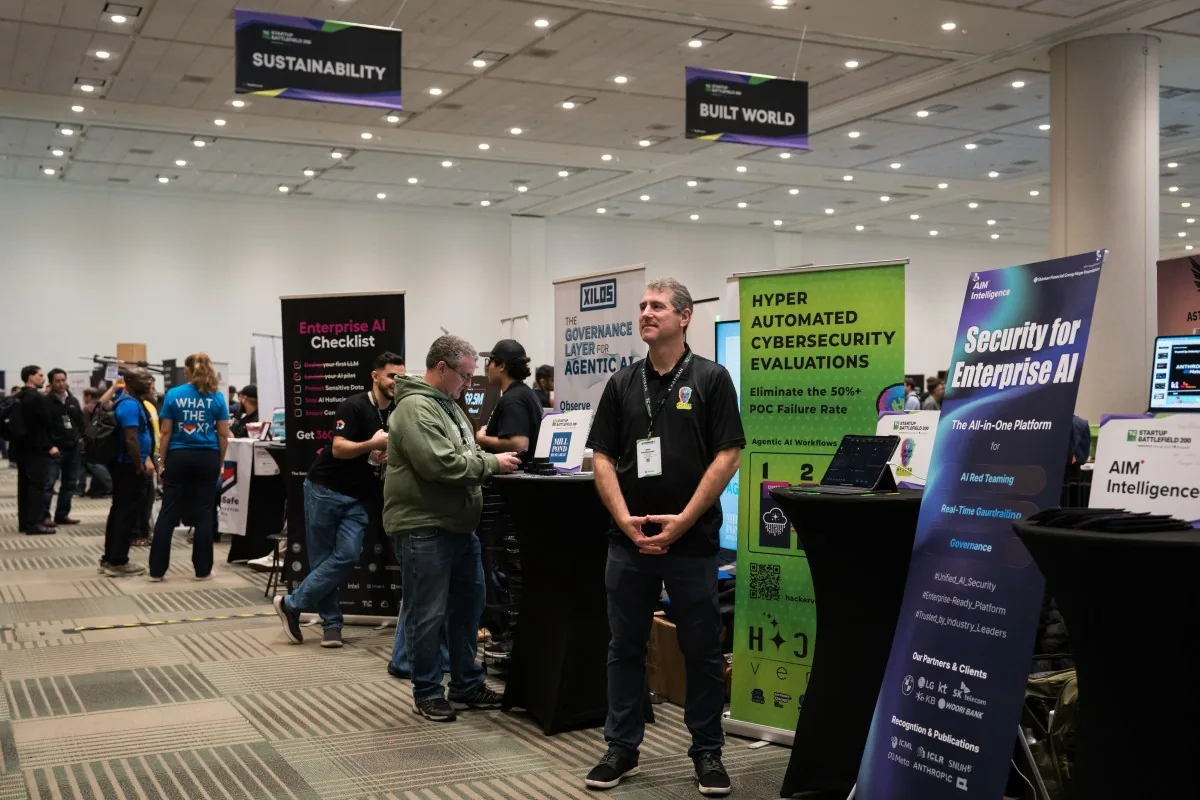
20 startups from Central Asia presented their projects at TechCrunch Disrupt 2026
The Tech

News IT
Kyrgyzstan and Armenia will consider the possibility of creating a joint AI enterprise
The Tech

News IT
Now on Kaspi.kz, you can trade in your old iPhone for a new one
The Tech

News IT
IT Park Uzbekistan became the best knowledge zone in the Asia-Pacific region
The Tech

Article Useful
How to protect your accounts from hacking: 8 settings you should check today
The Tech