Azerbaijanis created a startup with $100,000 in revenue and 300+ corporate clients in 16 countries
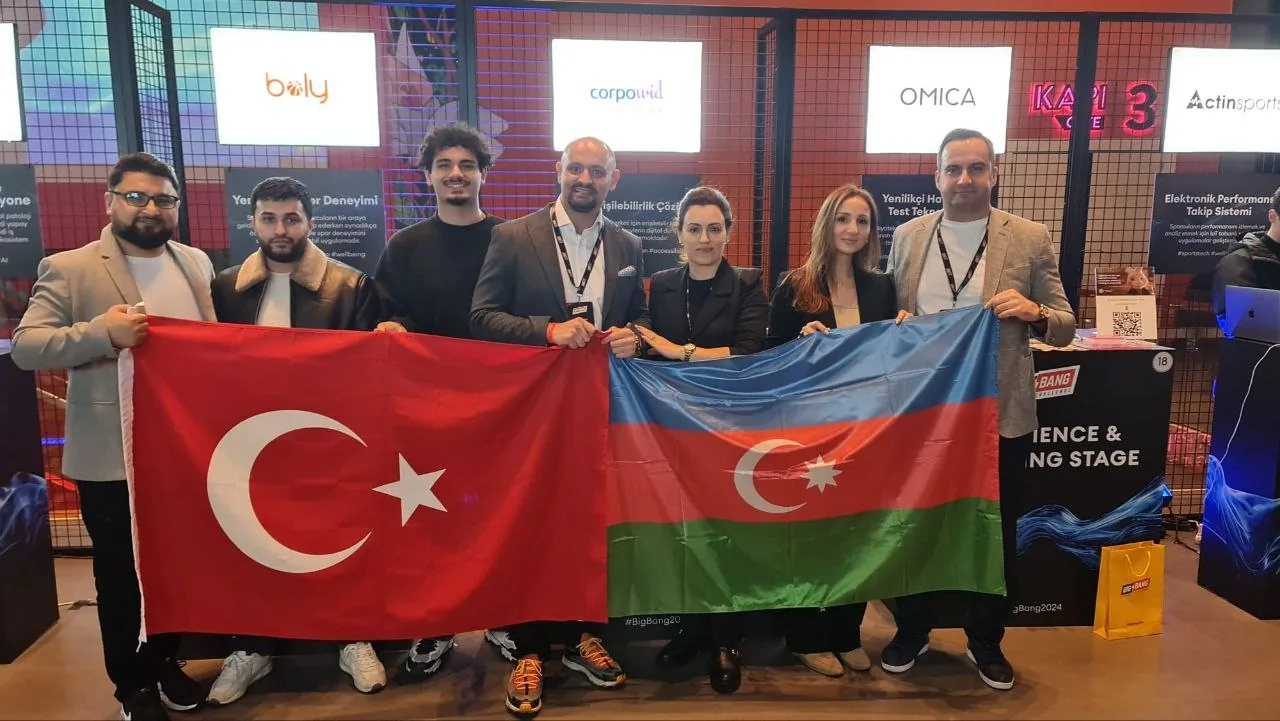
This article tells the story of the Azerbaijani startup CorpoWid, which develops solutions in the field of digital accessibility. The founders discuss the product launch, entry into international markets, and plans for scaling in Europe.
Orkhan Mammadov, City — Baku, CEO of CorpoWid, LinkedIn
How It All Began
Islam Rizabayli and I have known each other for over 25 years, since our student days. His experience is in digital marketing, web development, and programming. He runs his own digital agency, working with clients from Azerbaijan, the Middle East, Turkey, Central Asia, and Europe. The idea for the product in the field of digital accessibility is largely his.
My experience is in the corporate sector, specifically in insurance, where I worked in senior management positions at various companies in Azerbaijan for over 20 years.
Before CorpoWid, we had already collaborated on joint projects, but this is our first full-fledged technology startup. In 2024, we decided to launch in the field of digital accessibility — largely influenced by client requests, which increasingly asked about accessibility, and against the backdrop of tightening regulations, including the European Accessibility Act in Europe.
The product addresses the task of 360-degree digital accessibility — working with all of a company’s digital assets: websites, mobile applications, documents, videos, and images.
The goal is to make the digital environment accessible to people with disabilities. According to the UN, this is more than 1.3 billion people worldwide, including those with visual impairments, dyslexia, epilepsy, Parkinson’s disease, and other conditions. Importantly, this includes not only permanent but also temporary limitations, as well as age-related changes.
A separate factor is the aging population: in Europe, the US, China, and Japan, the share of users who find it more difficult to interact with digital interfaces is growing. Therefore, the product’s task is to ensure access to digital services for the widest possible range of users.
Startup Launch
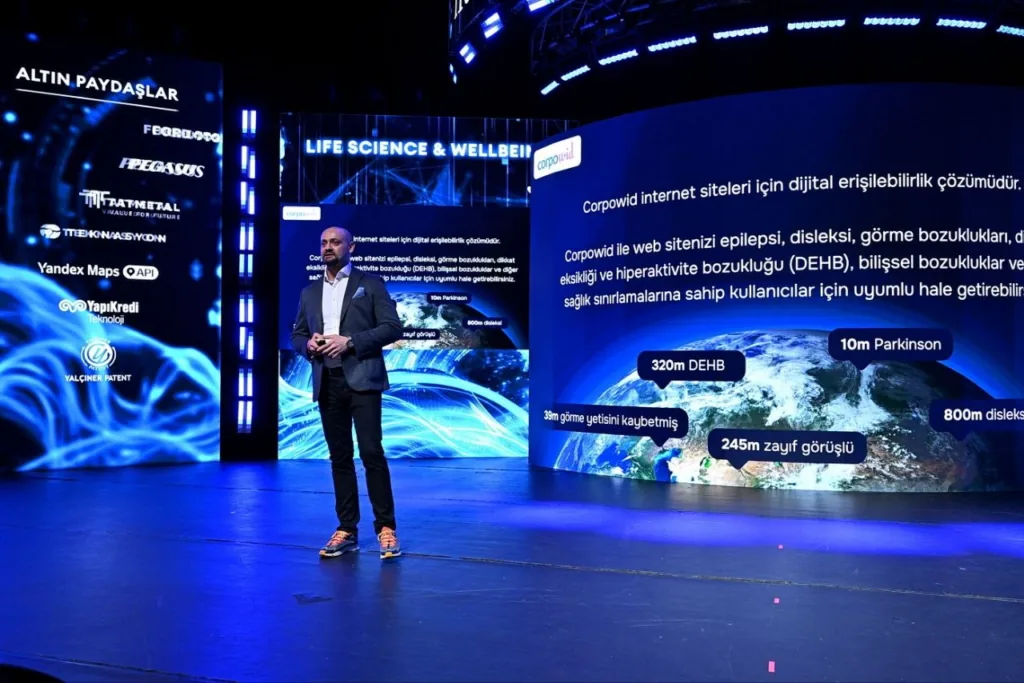
At the early stage, we already had a formed team. Islam Rizabayli has a digital agency with 20 years of experience and three companies in Azerbaijan, Turkey, and the US. The project initially involved a team of more than 15 specialists, so we did not build it from scratch but reoriented existing expertise from web development to a product in the field of digital accessibility.
Additionally, we strengthened the team with sales and business development specialists, primarily for the Turkish market, with plans to expand into other regions. This allowed us to accelerate product development and launch without the typical startup “bottlenecks.”
Product development proceeded in quarterly iterations: from a basic accessibility widget to a full-fledged 360-degree digital accessibility platform. We added an alternative text module, meta manager, schema manager, and other tools addressing different levels of digital products.
In 2025, we developed a mobile solution — a rare product on the market that includes app audits and identification of issues affecting UX and regulatory risks. In the EU, fines for accessibility violations have already been recorded, including cases involving tens of thousands of euros.
As a result, we transitioned from web development to a full-fledged digital accessibility direction, which allowed us to quickly scale the product and reach an international level.
The company was founded at the end of 2023, and the first market tests took place in March 2024. During 2024, we acquired our first clients and revenue, and on October 1, 2024, the company was registered in the US. Development is primarily funded through internal resources, as early revenue reduced the need for external financing.
Target Audience
Our target audience is virtually any organization with digital products, including government entities and private users; however, the key focus is the enterprise segment. Primarily, these are government organizations, ministries, universities, and municipalities.
Second in priority are the financial sector, as well as HealthCare and e-commerce. The solution is industry-neutral because the end users are people with disabilities and specific accessibility needs. Therefore, the product is applicable in any industry, but strategically we focus on large corporate clients and government structures.
Today, we have more than 300 corporate clients, including Vodafone, Hyundai, Volkswagen, and major banks in Europe, Turkey, and Azerbaijan. Our geographic presence covers 16 countries, including Australia.
We have already passed the product-market fit stage and are now in the scaling phase, focusing on growth and international expansion.
Simultaneously, we are conducting negotiations with investors, aiming not only for capital but also for strategic expertise and entry into new markets. The company’s valuation is approximately $5 million and continues to grow as the business scales.
Incubation Programs
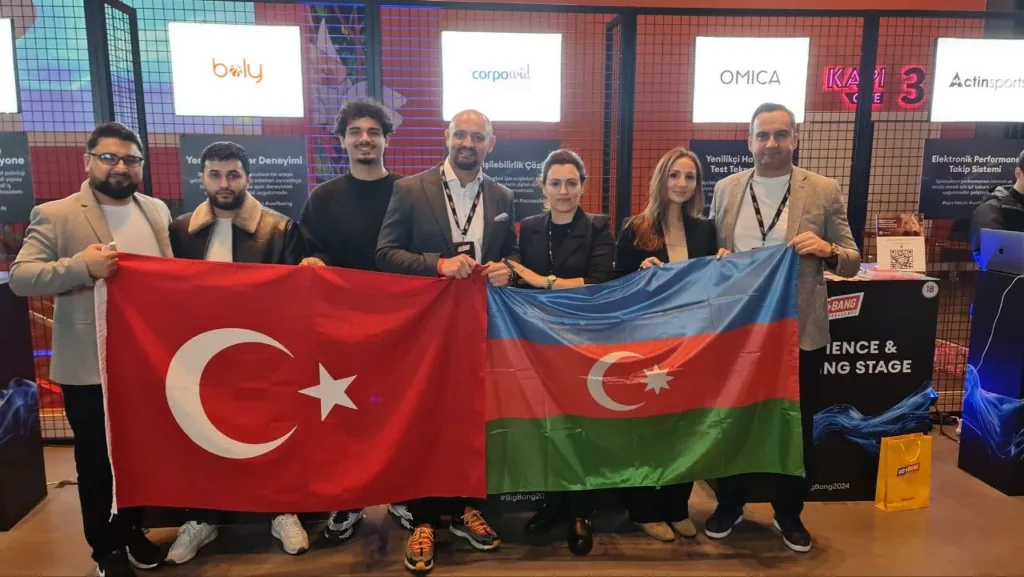
One of the first accelerators was from Istanbul Technical University. We passed the selection among more than 7,000 startups and reached the final, where we presented our project. As part of the program, we received an award and continue to develop international partnerships.
We also participated in Visa Innovation Europe, NVIDIA Inception, Plug and Play Georgia, and the Mohammed Bin Rashid Innovation Fund in the UAE. These programs gave us access to mentors, new contacts, and potential partners.
We also participated in regional programs, including events for startups from Central Asia and the Caucasus. Such initiatives help exchange experience and expand our network of contacts.
At the moment, our main focus is sales development and preparation for relocation to Europe. After completing this stage, we plan to actively engage in European acceleration programs and develop new partnerships.
On Difficulties
When we started, the main challenge was technical. We were focused on product development and aimed to make it as high-quality as possible. We tested the solution for four to five months and nearly completed development by April 2024.
After entering the market, we received a lot of valuable information from clients and understood what improvements were necessary. Technical difficulties were quickly resolved thanks to the team’s professionalism and user feedback.
The second challenge was related to the markets we operate in. In Europe and the US, digital accessibility is already a mandatory requirement, so clients do not need long explanations about the necessity of the product — it is enough to show its benefits.
But in our regions, especially in Azerbaijan and Turkey and Asian countries, we still have to first explain what digital accessibility is, why it is important, what risks arise from its absence, and what requirements must be met.
We expect these difficulties to gradually be resolved through the development of legislation. For example, recommendations on digital accessibility were adopted in Turkey, and in Georgia, a corresponding law was passed this year as part of alignment with European Union norms. We also expect similar changes in Azerbaijan.
We hope that more countries in the region will implement such requirements, and people with disabilities and other accessibility needs will receive more support from the state and technology companies.
My main advice for new startups is to focus on the product and sales. You need to try to attract as many clients as possible because it is from them that you gain the most important knowledge.
When you create a product only within the team, you do not always understand what the market actually wants. But when you bring the solution to users and test it in real conditions, you begin to see the true picture and gain valuable experience.
It is also important to generate revenue as quickly as possible. When you have real income, team motivation grows, clients begin to trust the product more, and investors show greater interest in your project.
Achievements
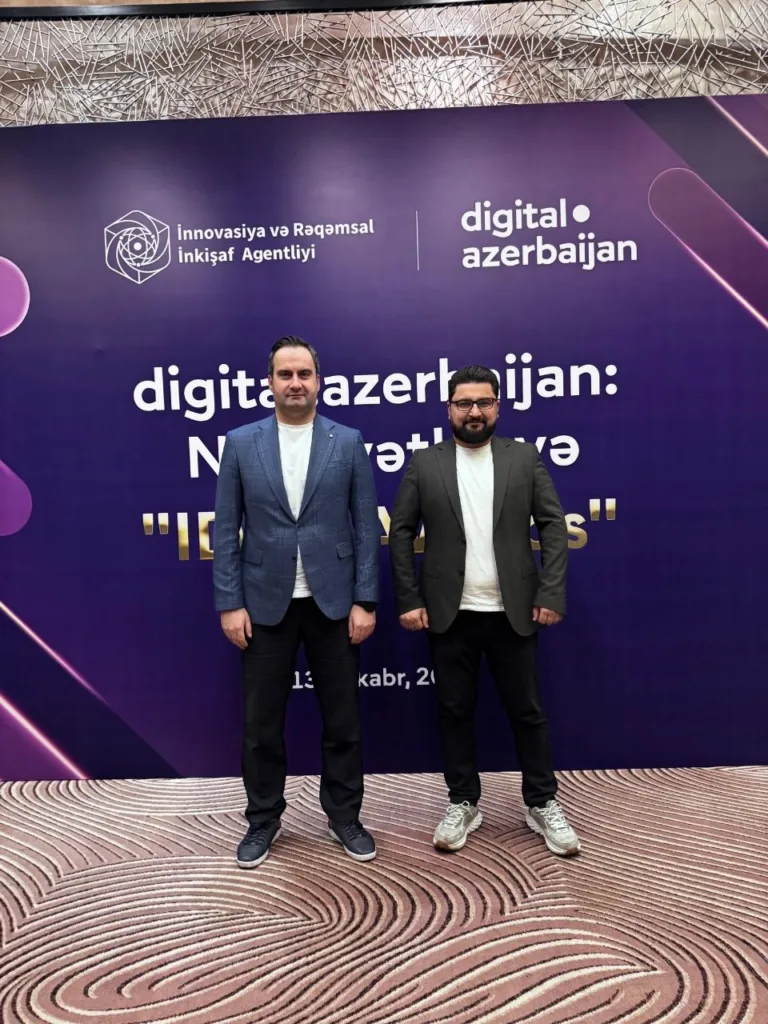
I am always proud of our achievements because we quickly started developing our path. We managed to reach our first revenues and attract large clients — major banks, insurance companies, and telecommunications companies — relatively quickly. For many startups at an early stage, this may seem like an unattainable goal.
Our connections and professional network played an important role in attracting our first clients, but the product itself, our offer, and competitive advantages also played a significant role. Thanks to this, we successfully built revenue. We reached the $100,000 mark relatively quickly, which became a great motivation for the team.
Plans
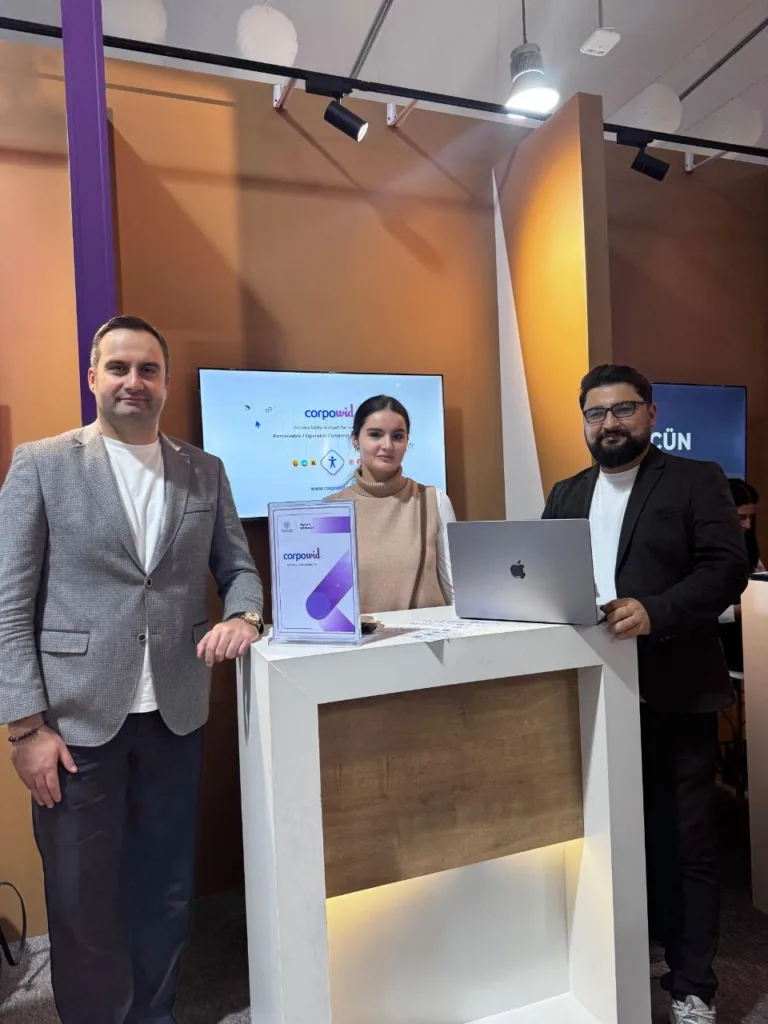
We plan to relocate to Europe, as we believe that a strong market potential is currently forming, especially after the full implementation of the European Accessibility Act. We see great opportunities and believe that entering the European market will help us realize our plans.
This is a huge market: the European Union is home to about 500 million people. We will be able to build sustainable relationships with European companies, gain access to a large pool of potential investors, and implement joint projects with local players.
In the coming months, we plan to create a European legal entity and present our products, ideas, and new solutions as a European company.
We would also like to note our openness to partnerships in the Central Asian region, especially in Kazakhstan. We are considering opportunities for cooperation in both business areas — for example, agency, distribution, and product partnerships — and in joint development of new products and projects to enter additional market niches. We are open to collaboration, ready to share experience, and contribute to the development of joint initiatives.
The Tech on Telegram Follow The Tech on Telegram
Keep up with the latest technology and startup news.
Related reading






More from this author

Article Useful
How to protect your accounts from hacking: 8 settings you should check today
The Tech

Article Useful
500 Global: How the Accelerator Works and Who Can Receive Investments
The Tech

Article Interviews
Game Development in Central Asia: Arkady Moldavski on Developing Reverb and the Growth of the Industry
The Tech

Article Useful
Google, Tesla, BlackRock, and the IMF: Where to Apply for an Internship in Fall 2026
The Tech

News IT
Tesla unveiled the flying electric car Roadster
The Tech

News IT
Intero Biosystems startup won the Startup Battlefield at TechCrunch Disrupt 2026
The Tech