Augment, not replace: Stanford professor Fei-Fei Li on the role of AI and the value of humanity
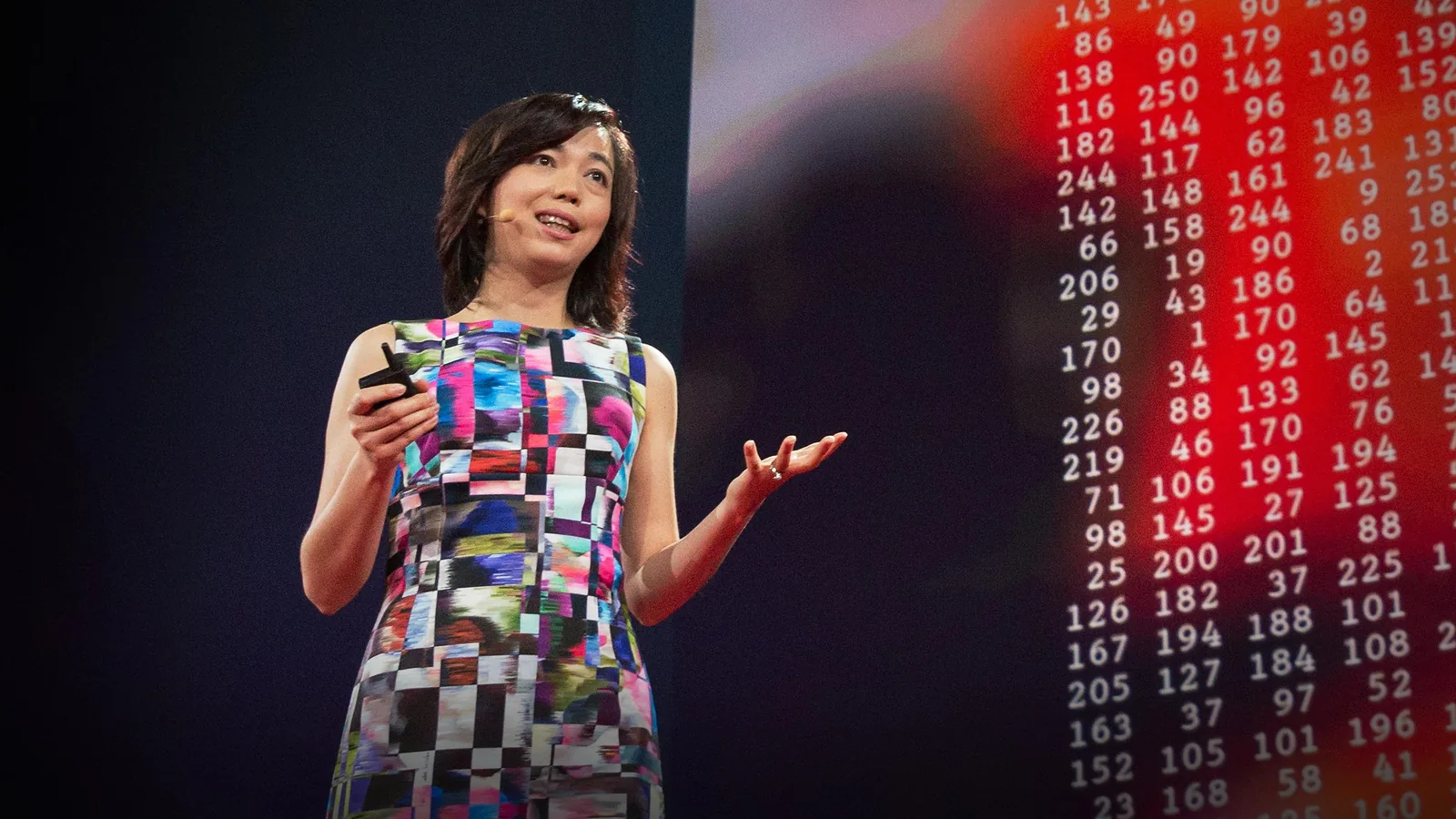
As the tech industry increasingly speaks about how AI could replace humans in work, education, and creativity, Stanford professor and one of the most influential figures in the field of humane AI Fei-Fei Li suggests pausing and rethinking the language we use to describe technology.
Author - Mansur Ismagulov
The Tech AI
Get the key points in seconds - a short summary from The Tech AI.
Fei-Fei Li calls the term "replacement" in AI ethically destructive and advocates for an "augment, not replace" approach. She emphasizes that dignity should be built into system architectures, and technology should complement humans rather than displace them. Unlike Elon Musk's stance on the obsolescence of professions, Li insists on respecting human agency in the implementation of AI.
In an interview with the Berggruen Institute, she stated: “I am truly concerned when people use the word ‘replace’ in the context of AI. If technology strips us of our dignity, it means we have gone in the wrong direction.” This brief speech quickly went viral in the professional IT community.
Criticism of the term
Fei-Fei Li calls the term “replace” not only technically inaccurate but ethically destructive. She proposes an alternative framework: augment, not replace. In her view, AI can be a tool that enhances human capabilities, but it should not seek to assume the human role.
This is not the first time she has spoken about ethics in AI. In an interview with McKinsey, she emphasized that technological development must go hand in hand with respect for human values. User dignity should be built into the architecture of AI systems, rather than added on top of a finished product.
Li expressed a similar idea in a conversation with AP News: “Public discussion of smart machines should be grounded in respect for human agency.”
Ethical focus as a strategic necessity
This is especially relevant now, as AI is no longer just an analytical tool but is moving into the realm of decision-making, creativity, diagnostics, and management. While some companies compete to see who can replace employees with digital agents first, Li reminds us that technology is not an autonomous force, but a continuation of the ethical choices made by its creators.
Her stance sounds particularly sharp against the backdrop of statements by technocratic leaders about a future without humans. While Elon Musk speaks of a “transition to the uselessness of professions,” Fei-Fei Li offers a contrasting perspective: what matters are not only the capabilities of algorithms, but also what they do to our understanding of what it means to be human.
If AI is to become part of everyday life, the question is not only how quickly it will learn to solve tasks, but whether it will do so with respect for those for whom it was created.
The Tech on Telegram Follow The Tech on Telegram
Keep up with the latest technology and startup news.
Related reading







More from this author

News
zypl.ai begins operations in Japan and focuses on next-generation risk models
Mansur Ismagulov

News
Elon Musk's net worth has exceeded $700 billion for the first time
Mansur Ismagulov

Article Interviews
"Central Asian countries should build a joint ecosystem," — Bekhzod Ismoilov on the development of AI in the region
Mansur Ismagulov

Article Interviews
Bloom's Taxonomy and Engineering Levels: A Practical Growth Model
Mansur Ismagulov

Article Useful
How the IT industry in Azerbaijan developed in 2025: key events
Mansur Ismagulov

News
Tajikistan has become a new member of the regional innovation alliance Central Asian Innovation Hubs.
Mansur Ismagulov