Appkel — a service for free delivery of groceries and products within 15 minutes
The Tech AI
Get the key points in seconds - a short summary from The Tech AI.
Meder Stalbek, founder of Appkel from Bishkek, created a service for free product delivery within 15 minutes based on the Uber model, with a 3% commission and a subscription fee of $1/week. The startup took second place in the Glovo Startup competition (November 2023), receiving 300,000 som and a trip to Spain, and also made it into the top 8 of The Tech media. In 2025, the launch of the service is planned, along with attracting 5,000 regular users.
Discover how a startup founder from Kyrgyzstan created a free grocery and daily necessities delivery service that has already gained attention at international competitions.
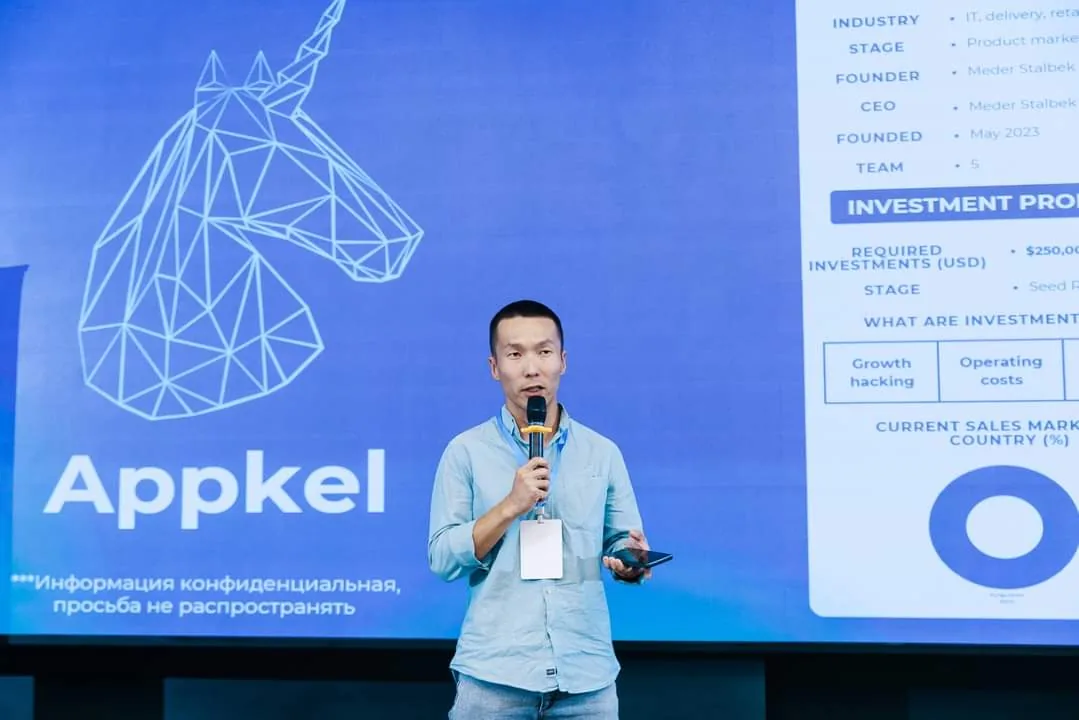
Meder Stalbek, Bishkek, Founder and CEO of Appkel, @mederzkiy
How It All Began
The idea emerged in 2020 during the pandemic. During the lockdown, I began studying IT startups that had taken off in Russia and Europe over the previous five years. At the time, I decided to focus on delivering product kits with recipes—five bags containing ingredients for five different dishes, complete with detailed cooking instructions. This was a solution to the perennial problem faced by homemakers: "What should we cook today?" and "food waste." According to statistics, about 30% of purchased products end up in the trash because they expire or spoil.
We put this project on hold because Kyrgyzstan entered a crisis. Prices for products changed rapidly; calculations made on Monday for one kit could change by Friday.
Six months later, I learned that a restaurant in Bishkek was launching a similar startup. A year later, I was invited to lead that project. During its preparation for launch, I conducted numerous CustDev interviews and identified another consumer pain point, which proved to be even more in demand.
Thus, I left that project to launch my own startup and test a hypothesis: subscription-based product delivery—the user selects specific products and sets a schedule for when they are needed. For example, a fresh hot flatbread, three chicken eggs, and one liter of milk delivered every day at 8:00 AM. We were supposed to aggregate such orders in one district and pass them to the nearest store. The store would know how many sales it would have in the morning, at lunch, or in the evening. However, we failed again at the sales stage; people could not understand the subscription system. Although I did deliver small batches of chicken eggs to a government residence several times.
I started conducting CustDev interviews again and arrived at the answer: "Fast delivery within 15–20 minutes, and preferably at an affordable price." This led me to the Appkel startup—a service offering free delivery of groceries and daily necessities within 15 minutes. Now, I needed to calculate the unit economics to ensure the service would be profitable under these conditions, without large investments in dark store rentals and inventory purchases.
Ultimately, through many tests and calculations, I arrived at the Uber model. The user places an order for product delivery, and all sellers within a 1 km radius receive a notification. The first one to confirm the order gets it. Monetization is based on commissions—3% from sellers—and user subscriptions—$1 per week. However, the main profit comes from selling targeted advertising based on user data: gender, age, family composition, interests, and location.
Startup Launch
I launched the MVP using WhatsApp, a landing page on Tilda, and a standard black-and-white printer. I made an agreement with a store owner in a nearby multi-story residential district to sell their products online. We agreed on a commission size for sold products. I handed out letters to every apartment in that district announcing that a free 15-minute grocery delivery service was now operating in the area, providing the website address and WhatsApp number. The website featured a product catalog and real, up-to-date store prices. However, 90% of orders came directly via WhatsApp. Sales grew quickly, but problems arose with the store. They might open late or close early, and some products might run out of stock. Then I realized that working with only one store in a district was not viable. Overall, the hypothesis was validated, and it was time to start developing the application and scaling up.
I assembled the development team with the help of a good project manager. We developed an application for users and a separate one for sellers and couriers. However, we have not launched it yet. We are currently seeking investments.
Target Audience
The main target audiences were identified during the MVP testing phase. We segmented them into three categories:
— Women aged 25–45, homemakers with children. Those who find it difficult to leave home and order products with a large receipt.
— Men and women aged 30–45, who order groceries for their children and parents while at work.
— Young men and women aged 16–25, progressive users who want to show their parents that they no longer need to send them to the store. They mainly order snacks and drinks.
Incubation Programs
We participated in two acceleration programs: Accelerate Prosperity and "Sanarip Insan." We took part in hackathons and various startup competitions.
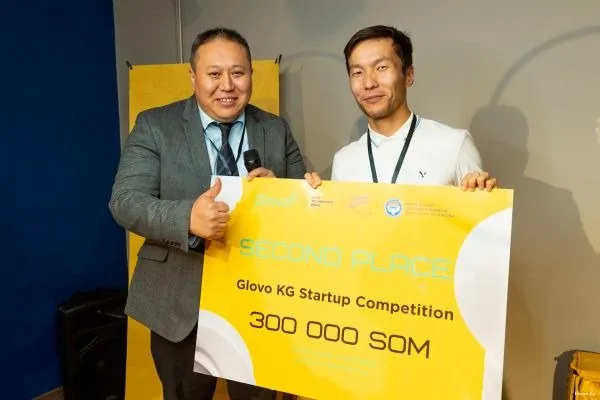
In November 2023, we took second place in the Glovo Startup competition, receiving 300,000 som and a two-week trip to Spain to complete a two-week program at the Glovo headquarters. The trip to Barcelona took place in September 2024.
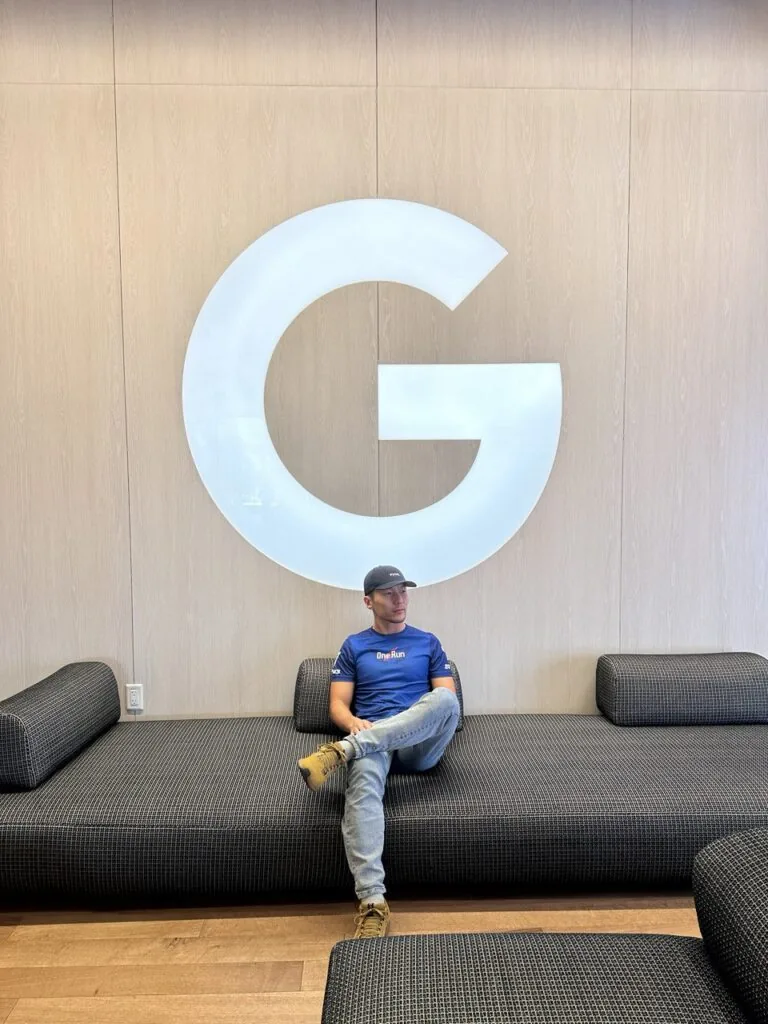
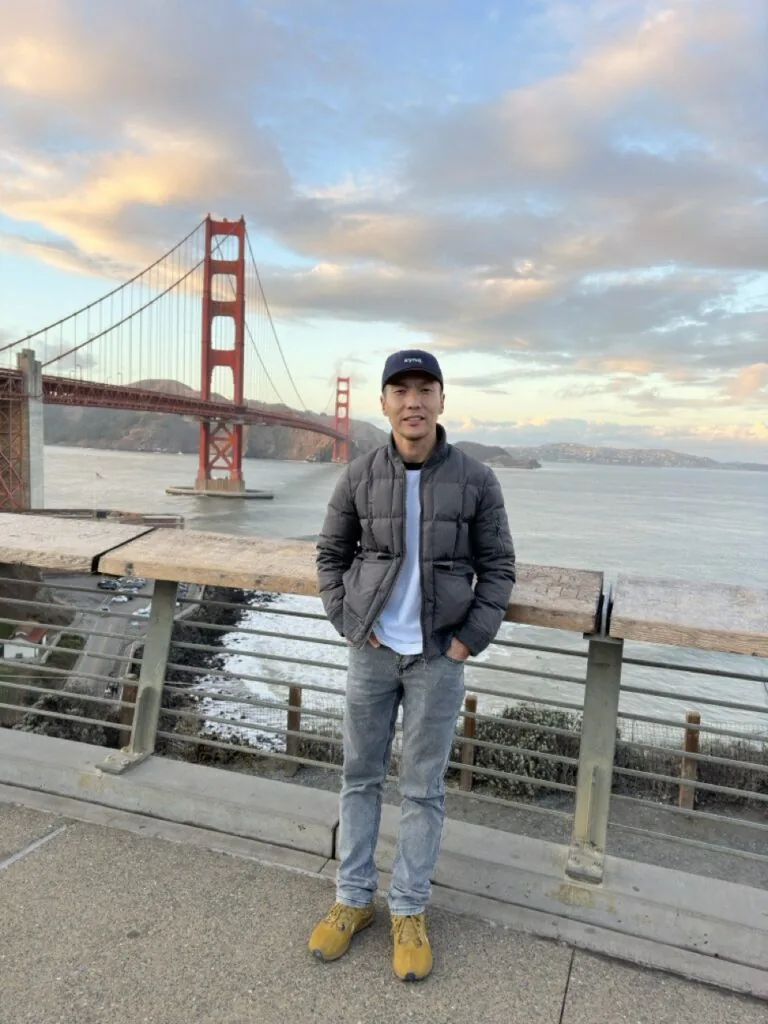
Upon returning, in October, I participated in a startup competition organized by the High Technologies Park of Kyrgyzstan and won a spot in the Dive into Silicon Valley program, which took place in November of this year in San Francisco, USA.
Challenges
Every day requires overcoming various difficulties—that is the fate of a startup. It is necessary to communicate extensively with users and, if needed, make pivots and calibrate unit economics calculations.
The most difficult task is the issue of funding. I still find it hard to secure investments in Kyrgyzstan for the launch.
Achievements
Wins in two competitions and trips to Barcelona and San Francisco. Our startup made it into the top 8 startups of 2023 according to The Tech media.
At the moment, we have developed the application and are ready to launch. Among the advantages of Appkel are free delivery, which is two to three times faster than competitors, low commissions for sellers, convenient order placement in the app via text or voice, push notifications from sellers about promotional items, and recipes with the ability to order ingredients in one click.
Plans
In 2025, we plan to launch Appkel and acquire 5,000 regular users. This may not seem like much for a city of a million people. However, this number will give us sufficient understanding to automate all processes, which we can then scale to other cities and countries.
The Tech on Telegram Follow The Tech on Telegram
Keep up with the latest technology and startup news.
Related reading






More from this author

Article Useful
How to protect your accounts from hacking: 8 settings you should check today
The Tech

Article Useful
500 Global: How the Accelerator Works and Who Can Receive Investments
The Tech

Article Interviews
Game Development in Central Asia: Arkady Moldavski on Developing Reverb and the Growth of the Industry
The Tech

Article Useful
Google, Tesla, BlackRock, and the IMF: Where to Apply for an Internship in Fall 2026
The Tech

News IT
Tesla unveiled the flying electric car Roadster
The Tech

News IT
Intero Biosystems startup won the Startup Battlefield at TechCrunch Disrupt 2026
The Tech