Alim Khamitov on the new MOST ida fund with a volume of $30 million
Kazakhstani investor Alim Khamitov, in an exclusive interview with The Tech, provided detailed insights into the new venture fund, which is scheduled to launch in autumn 2025. Find out how much is planned to be invested and which startups are currently attracting the most interest in our comprehensive article.
Author - Mansur Ismagulov
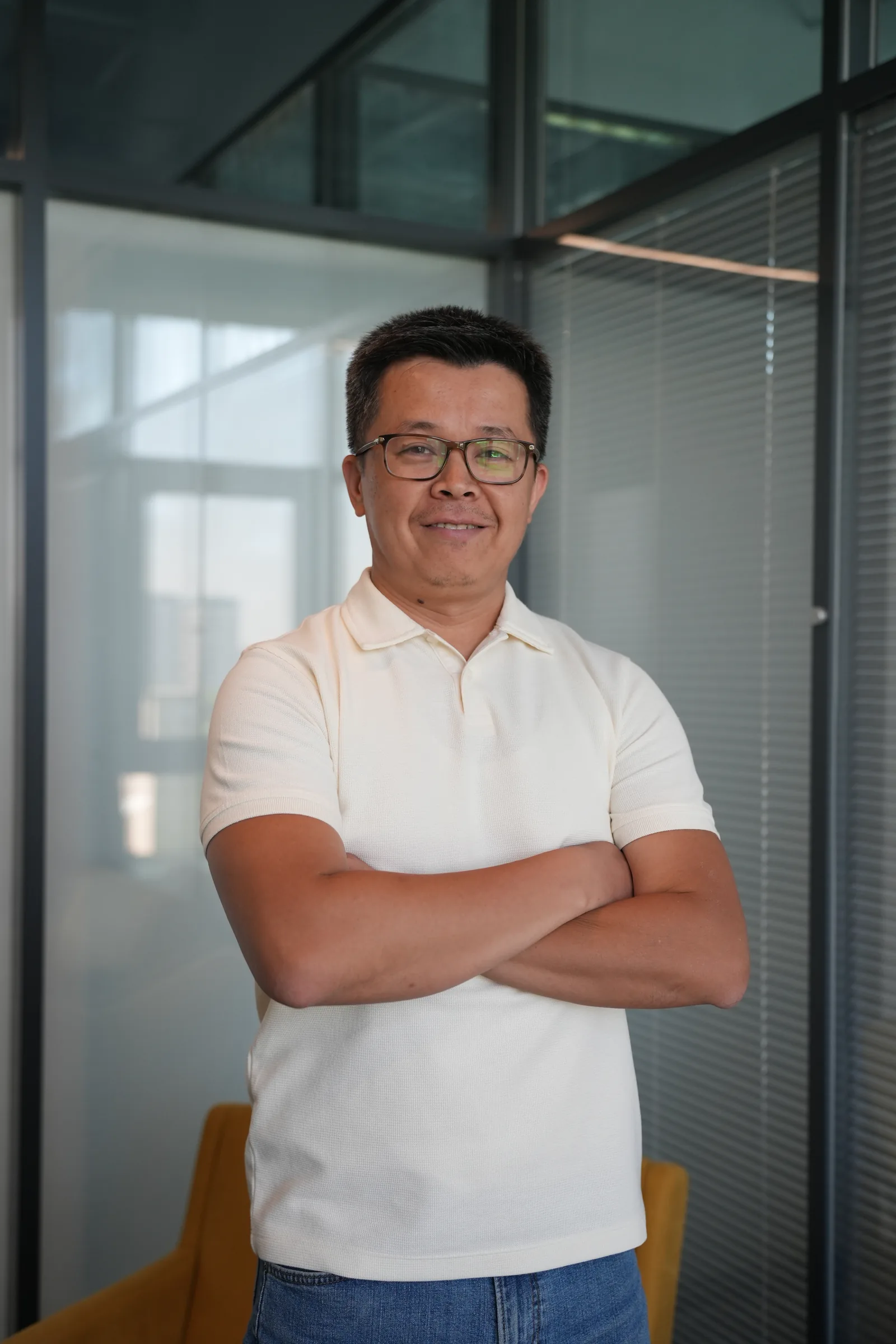
Alim Khamitov, city — Almaty, venture investor, head of MOST Ventures funds, Instagram
How 2025 began
In 2025, the fund has two areas in the active phase.
MOST Ventures Fund I completed two exits during the reporting period:
1. Sale of the CTOgram startup to Freedom Holding.
2. Sale of the GoChat company to the Spanish media holding Newry Global Media SL.
The fund’s portfolio includes 28 companies, two of which have already been exited. The remaining projects continue to develop, demonstrating growth and scaling.
This year, we also launched the MOST Accelerator Fund. This is not just an accelerator in the classical sense, but a program with an investment approach to selecting companies. This is fundamentally different from what we did before and from how accelerators usually operate.
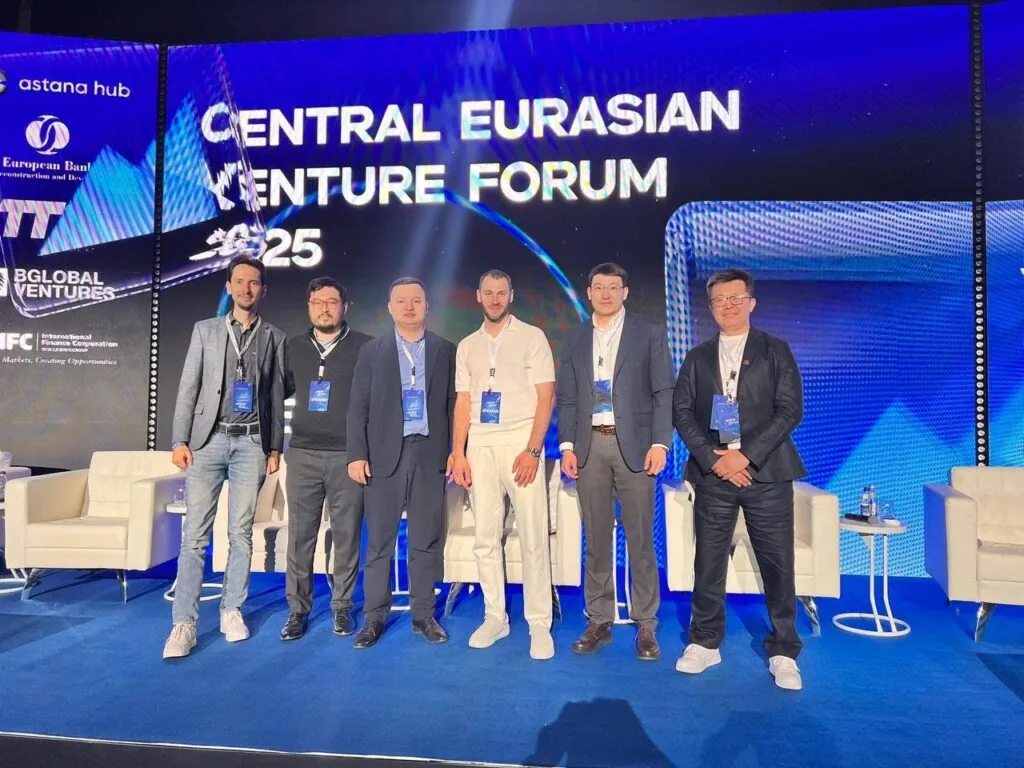
In the Accelerator Fund, we selected 10 companies focused on artificial intelligence, primarily in the B2B SaaS sector. The selection process took place in several stages, and we announced the finalists at the Central Eurasia Venture Forum.
Each of these 10 companies is in the process of receiving investments of $200,000. Some have already completed the process, while others are still undergoing due diligence. The accelerator itself lasts six months, and only two months have passed so far — we are actively supporting the teams and helping them grow.
Thus, the fund’s portfolio will soon include another 10 startups — these are the main deals we closed over the past six months.
We continue to adhere to a sector-agnostic approach, meaning we consider projects from various industries. However, priority areas have already formed, especially in connection with the launch of the third fund with a volume of $30 million.
Key areas:
- FinTech — a wide range of solutions, including: financial inclusion, retail-tech, InsureTech, and solutions related to the growth of e-commerce.
- HealthTech — projects in the field of digital healthcare, including existing portfolio companies.
- ClimateTech / GreenTech — not only renewable energy, but also software or software-hardware solutions aimed at sustainable development.
- B2B SaaS — historically strong expertise of the fund.
- Artificial Intelligence — projects where AI is the growth driver, especially at the intersection with the aforementioned industries.
The MOST Accelerator Fund, with a volume of $10 million, places special emphasis on AI B2B startups, but overall, the fund remains open to various promising areas.
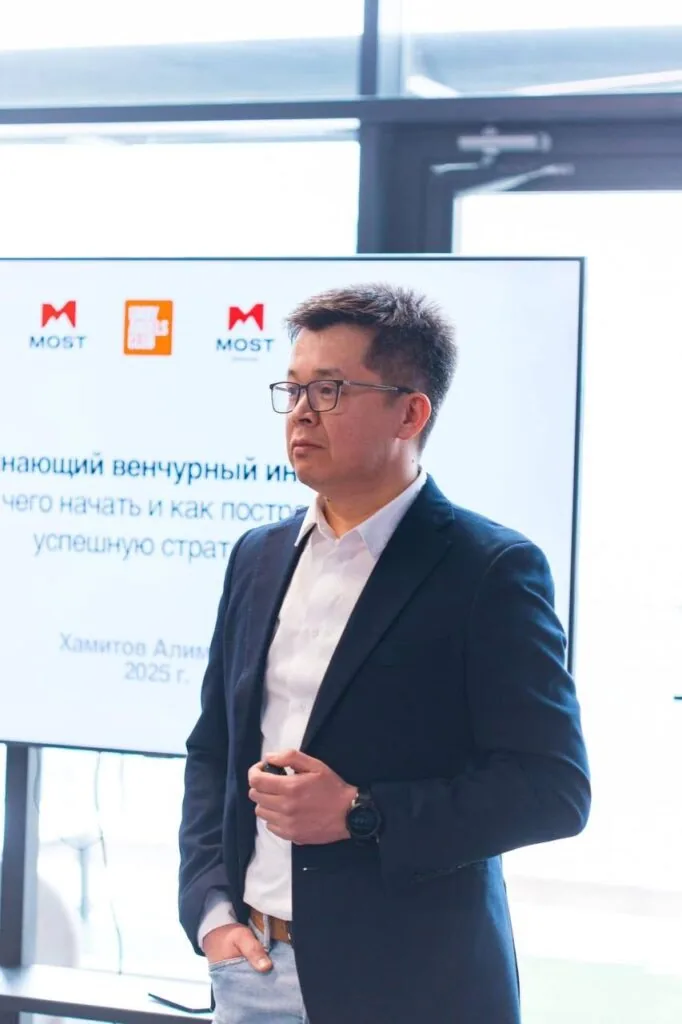
About the new MOST IDA fund
We partially announced the launch of the new MOST IDA fund with a volume of $30 million last year. The fund will invest in companies at the Seed and Series A stages, with checks ranging from $250,000 to $1 million.
We see a shortage of “smart” institutional money for startups that have already passed the early stage, found product-market fit, and need funding for scaling. In the reports we publish jointly with partners, we often note: checks from $100,000 to $500,000 dominate in the region, while investments of $1 million or more are rare. At the same time, companies in Series A rounds typically seek $2–3 million, especially if it involves entering international markets or expanding within the CIS and Central Eurasia.
MOST Ventures has a high-quality pipeline of such projects. It is important to note: when we talk about investments in Central Eurasia, it works both ways. We invest:
— in startups with founders from the region, regardless of their current location
— in international companies that plan to scale into Central Eurasia.
We already have successful experience with this approach:
— Navlungo from Turkey — scaled into Uzbekistan
— BerryryPay from Singapore — provides access to financial services for the unbanked; the company opened an office in Kazakhstan and is scaling from here to the Middle East
— BoomGrow from Malaysia — actively operates in Southeast Asian countries and is now present in Almaty.
We plan to launch the new fund in the second half of autumn. It includes a strong pool of international institutional investors, which will be a precedent for Central Eurasia: partners have not yet entered local funds of our type at this level.
Strategy and portfolio
Bright examples of portfolio companies:
- BoomGrow — AI AgroTech from Southeast Asia. The company successfully operates in the region and recently opened a digital farm in Almaty based on KazNTU. There is already the first client. The project is frequently mentioned in the media and is considered an example of successful entry of international technology into Central Eurasia.
- Uniblock — developer of chip architecture. Currently, the company focuses on VR, where response speed is critically important. The startup has several patents, its founders are from Kazakhstan, development takes place in the country, and the headquarters is in the USA. Uniblock became an official partner of AMD, conducts business in the USA and Japan, and plans to enter the Middle East.
- Beksar — a retail-tracking startup selected by Microsoft for the Microsoft Strive program, where there is direct joint work with the corporation, not just acceleration.
- Rock Rigid with the Dereknet product — an OilTech solution for the digitalization of the oil and gas industry. Winner of the Shell.AI hackathon. The product is in demand by Kazakhstani and international companies. Potential for scaling into markets of other countries with developed oil extraction. An example of how Kazakhstan can achieve success in the niche digitalization of raw material industries.
All these stories are examples of projects that the fund supports both in Kazakhstan and abroad, especially when deep technologies and expertise combine with a scalable market.
Risks
The first risk is difficulties in attracting investments. Currently, the political and economic situation is extremely volatile, which has led most investors to reduce their risk appetite. They have become more cautious, conservative, and slow in decision-making. Therefore, it has become more difficult for startups to raise money.
On the other hand, the number of institutional funds investing in Kazakhstan and Central Asia is growing. They have free resources, but even taking this into account, attracting funds has become more difficult than before.
The second risk is related to changes in how investors evaluate companies. Previously, it was enough to show potential, even without confirmed Product-Market Fit. Today, investors focus more on real monetary traction, which affects the company’s sustainability and its ability to attract funding. For founders who get too carried away with development and ignore market signals, this creates additional difficulties.
The third risk is the lack of attention from corporations to technological startups. In various sectors — logistics, finance, insurance — there are few partnerships, pilot projects, and M&A. Without active development of the M&A market, achieving significant success is difficult. As an ecosystem player, we are trying to change the rules of the game, including legislative initiatives. For example, over the past two to three years, we have been lobbying for the possibility for financial institutions to create corporate venture funds and invest in startups. This does not exist even on paper, although around the world, even pension funds actively invest in alternative assets, including venture capital.
The fourth risk, or rather challenge, is related to rapid changes in the market. Artificial intelligence has changed the rules of the game: development costs have dropped, and users have become more experienced and demanding. Startups need to rebuild their product strategy, marketing, and development approach, understanding that they are now competing not only with local companies but also with players from the USA, Singapore, and other countries. The market has become even more global, and the speed of adaptation is now critically important.
Investor advice
The most basic advice is to understand why investments are needed. This is probably my most frequent and clichéd advice, which I repeat to startups again and again. No matter how many times I meet with them, if a startup does not have a clear strategy for attracting investments and goals, the question arises: what will attracting, for example, $500,000 lead to? What will change in the company? What product will there be? What metrics will be tracked? The first basic advice is to understand the goal and result of the investment.
The second advice is to prepare for fundraising. Attracting investments, especially in a developing market like ours, is not simple. It is a separate task that requires a conscious approach.
The third advice is classic: focus on product development and actively work with the market. You need to sell the product to get confirmation of product-market fit as quickly and cheaply as possible. Even if revenue is small, but there is growth and understanding of the customer — investors will definitely appear, even in difficult times. Currently, there are few such companies, so focusing on the product and interaction with the market is especially important.
I would add one more point for investors — both private and corporate. Now is a great opportunity to enter the market: it is volatile, but good valuations allow filtering out noise and finding truly strong teams with real products. For example, our MOST Investors’ Club and accelerator give a chance to form your first portfolio of companies.
For corporations, the old approach of “doing everything myself” with an army of developers inside the company no longer works. Banks, having 500–1,000 developers, cannot be that flexible. It is necessary to move to an open innovation model: work with startups, pilot, buy, sell, invest. Unfortunately, this is not yet developed here, and because of this, we are lagging behind, which reduces the chances of successful stories.
And, given good valuations and market filtering, now is one of the best times for investing. Quality companies are available, and the level of teams is improving.
The Tech on Telegram Follow The Tech on Telegram
Keep up with the latest technology and startup news.
Related reading







More from this author

News
zypl.ai begins operations in Japan and focuses on next-generation risk models
Mansur Ismagulov

News
Elon Musk's net worth has exceeded $700 billion for the first time
Mansur Ismagulov

Article Interviews
"Central Asian countries should build a joint ecosystem," — Bekhzod Ismoilov on the development of AI in the region
Mansur Ismagulov

Article Interviews
Bloom's Taxonomy and Engineering Levels: A Practical Growth Model
Mansur Ismagulov

Article Useful
How the IT industry in Azerbaijan developed in 2025: key events
Mansur Ismagulov

News
Tajikistan has become a new member of the regional innovation alliance Central Asian Innovation Hubs.
Mansur Ismagulov