AI at work: how we use artificial intelligence and what jailbreaks are
At the Cyber and Digital Security 2024 conference, Timofey Skorenko, an independent expert, spoke about how artificial intelligence is used in work. We share more details in text format.
Author - Mansur Ismagulov
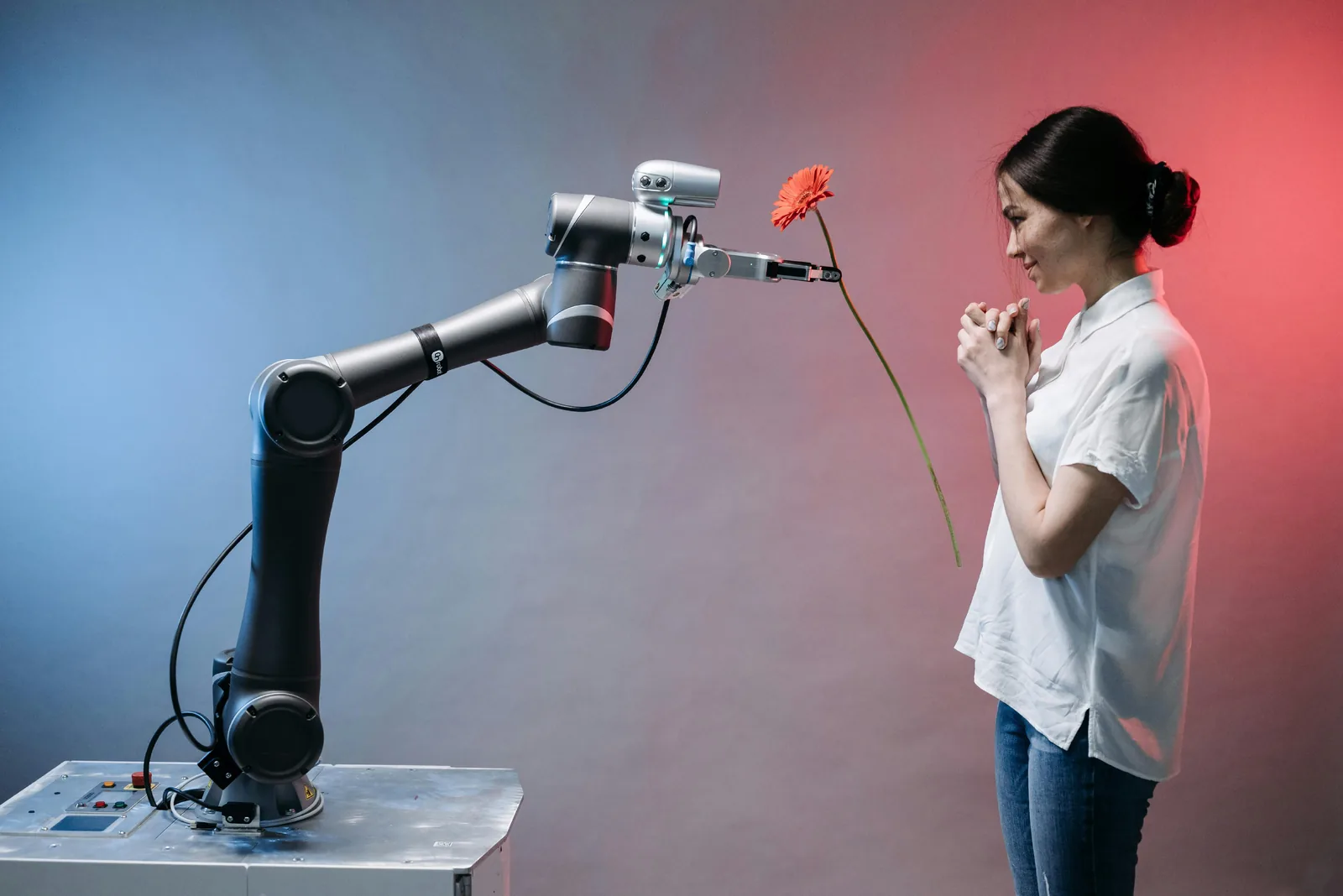
The Tech AI
Get the key points in seconds - a short summary from The Tech AI.
Information Security Specialist Timofei Skorenko highlights that 80% of data privacy issues arise because neural networks retain information permanently. Artificial intelligence lacks understanding of context and ethics, is trained on culturally conditioned data, and its decisions are devoid of responsibility and empathy. The use of jailbreaks carries risks of illegal content and distortions, while copyright on the results of AI-generated work is typically absent. In the future, widespread use of text from ChatGPT could lead to regression and model collapse due to training on its own data.
Timofey Skorenko, Information Security Specialist
There are several common problems that specialists encounter when working with neural networks.
80% of these problems relate to confidential data. All information provided to a neural network is saved permanently. The neural network learns from this data, which specifically applies to code.
To assign a task to a neural network, we provide it with a snippet of our own code and ask it to generate an equivalent amount. This leads to the neural network potentially offering similar code to other users, without considering the confidentiality of the information.
Neural networks do not understand what is confidential and what is not.
As input data, employees use a wide variety of materials: contract texts, acts, corporate policies, procedures, names, employee data, correspondence with colleagues, and photographs. Everything you enter remains there.
HR specialists often rely on neural networks to make decisions regarding candidate selection for vacancies. They input the personal data of two candidates and request a recommendation on whom to choose. However, it is important to remember that neural networks analyze only numerical data and cannot perceive the context of the situation as a human can. As a result, a decision made by a person is likely to be more accurate than a recommendation from a neural network.
Neural networks lack intuition, empathy, perception, and experience. This limits their ability to understand context and make decisions like a human. When a person makes a mistake, they usually take responsibility for it, but when a decision is made by a neural network, responsibility for errors may fall on the person who decided to use it.
Neural networks are trained on vast amounts of data, which can vary depending on where they were developed. For example, a neural network created in France will be trained on data characteristic of that country and its culture, while a neural network from China will use Chinese data and context. This fact shapes the ideology of each neural network.
About Jailbreaks
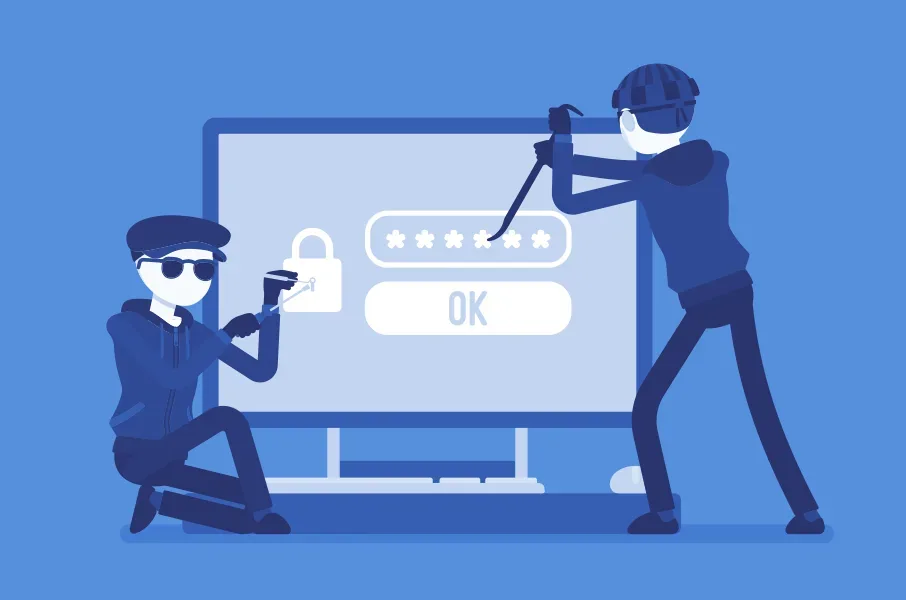
Often, when we ask a neural network to draw or write something, it outputs warning blocks. A jailbreak is when you convince the neural network through words to do something it is prohibited from doing. Consider typical examples:
— role-playing jailbreak, where we try to convince the neural network to perform an action that does not correspond to its intended purpose;
— a characteristic method of imitating an engineering mode, which is complex. You need to convince the neural network that you are an engineer of its developers.
Main problems with jailbreaks:
— you may receive content that violates the law;
— data obtained through jailbreaks will be distorted.
About Copyright on Content
Often, people create something cool in neural networks, then take it and post it online without thinking about who owns the rights.
All neural networks have a public agreement stating that the developers of the neural network cannot hold rights to the results of the work.
The most common materials in the world are in the public domain. This is how it works in France, the United Kingdom, the United States, Australia, and many other countries. This was established through case law. For rights to belong to you personally, the only thing you can do is modify the illustration or text.
A Problem That Will Occur in the Future
When copywriters and other users post a large number of texts created using ChatGPT online, the neural network begins to train on these very texts.
The more the neural network begins to train on its own texts, the less it improves. Model regression begins. In the future, this could lead to a collapse, the end of the model.
The Tech on Telegram Follow The Tech on Telegram
Keep up with the latest technology and startup news.
Related reading






More from this author

News
zypl.ai begins operations in Japan and focuses on next-generation risk models
Mansur Ismagulov

News
Elon Musk's net worth has exceeded $700 billion for the first time
Mansur Ismagulov

Article Interviews
"Central Asian countries should build a joint ecosystem," — Bekhzod Ismoilov on the development of AI in the region
Mansur Ismagulov

Article Interviews
Bloom's Taxonomy and Engineering Levels: A Practical Growth Model
Mansur Ismagulov

Article Useful
How the IT industry in Azerbaijan developed in 2025: key events
Mansur Ismagulov

News
Tajikistan has become a new member of the regional innovation alliance Central Asian Innovation Hubs
Mansur Ismagulov