3 countries, 1 profession: How UX/UI designers live and work in Georgia, Kazakhstan, and the Netherlands
Author - Mansur Ismagulov
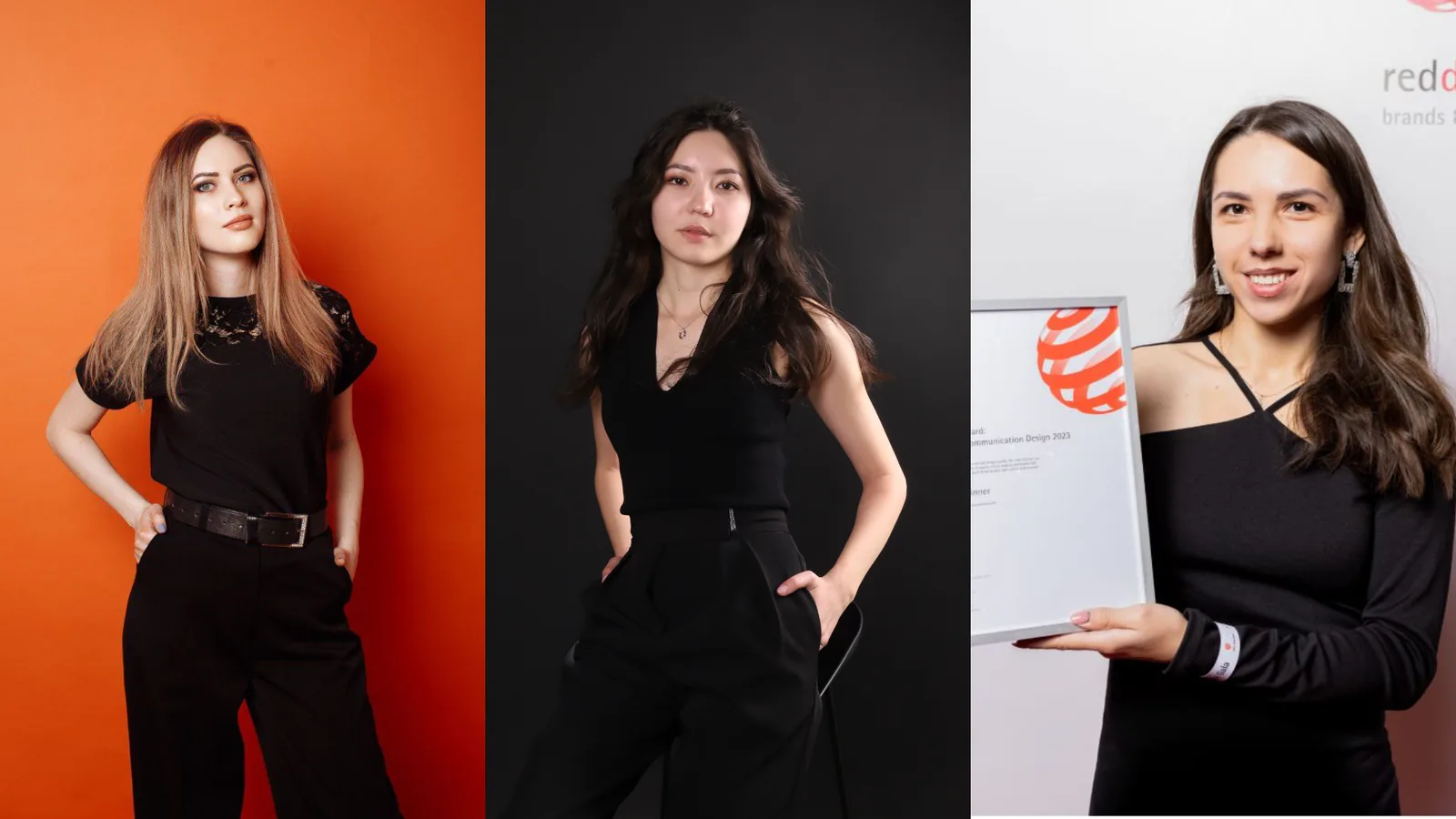
We spoke with three UX/UI designers from Georgia, Kazakhstan, and the Netherlands to find out how the profession is evolving in different parts of the world, what challenges and opportunities await specialists, and how the markets differ.
Georgia
Ekaterina Shapar, Tbilisi city, senior UX/UI designer

About me
I am a UX/UI designer with over 10 years of experience in design, focusing on mobile and web products. I create user-friendly digital experiences and intuitive interfaces that make technology easier to use. Over the years, I have worked on both B2B and B2C projects across various industries, including finance, healthcare, engineering, travel, ordering and payment systems, information platforms, and stuff management solutions.
In addition to project work, I have taught at partner academies of DataArt and mentored junior designers, which gave me the opportunity to share knowledge and help others grow in the profession.
I started my career in graphic design, working in a printing and marketing agency as well as a small local web studio. Later, at DataArt, I worked as a graphic designer on marketing, printing, and publishing materials. During that time, I became more interested in how people interact with digital products and how design shapes their experience. I completed an internship within the company and transitioned into a UX/UI designer role. This profession allows me to combine creativity with logic and problem-solving, which makes my work both challenging and meaningful.
About the profession and work
After the pandemic, there has been a strong trend toward digitalization, and as a result, the demand for UX/UI design has grown significantly.
Here, the general principle is based on self-discipline, proactivity, and the ability to adapt quickly to different situations and tasks. There is competition in the labor market, but at the same time, good specialists with strong portfolios are always in demand.
For design I mainly use Figma, Sketch, and Adobe tools. In terms of process, I often apply Design Thinking, user research, and prototyping. Collaboration with developers and product managers is also a big part of my daily workflow.
One of the memorable projects was the design of a mobile application and web portal for memory testing. The challenge was to make the interface very simple and accessible for people of different ages, while also ensuring it felt modern and trustworthy. It was rewarding to see how design could directly help users in such an important area.

Industry and career
UX/UI design is becoming more in-demand in Georgia as more companies digitalize their services. There is competition, but at the same time, there is also a lack of highly specialized professionals, so good designers with strong portfolios are always needed.
It is possible to find a job, but salaries and budgets here are generally lower than in Europe or the US. For foreigners, the language barrier might sometimes be a challenge, but in international companies or IT hubs, English is often enough.
Salary and living standards
The salary range can vary a lot depending on company size and experience. On average, a UX/UI designer in Georgia might earn between $800 and $2000 per month. Senior specialists working with international companies can earn more.
Advice
I would recommend building a strong portfolio and being flexible with projects at the beginning. Networking is very important here — many opportunities come through personal connections. Also, keep in mind that international remote work is very common, so combining local projects with global ones can give the best balance.
Kazakhstan
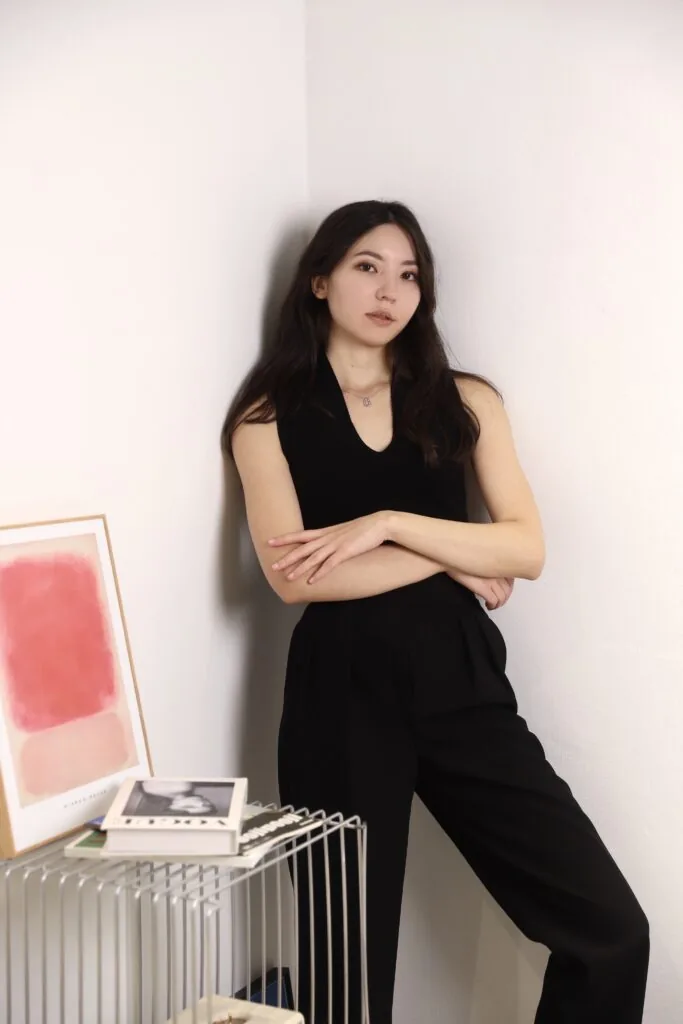
Gaukhar Zulpykhar, city — Astana, UX/UI designer, LinkedIn
About me
I have been working in interface design for over four years. In recent years, I have worked on internal products for people deeply immersed in their subject matter. There were projects with both local and international teams, involving technical documentation and communication in English. I had the opportunity to design solutions for such fields as oil and gas, B2G, and telecom. There, it is especially important to be able to translate complex processes into the language of understandable interfaces.
About the profession and work specifics
In UX/UI, meanings and forms converge for me; here, the technical and creative, rational and intuitive intersect. It has a place for psychology, sociology, and marketing. The most interesting part is the opportunity to study how people think and act, what tasks they solve every day, in order to bring lightness, convenience, and aesthetics to their routine.
Design teams consist of many young people, and communication is open and friendly. Companies strive to adhere to agile methodologies and build horizontal communication.
My main tool is Figma, but depending on the tasks, I also use ChatGPT and Perplexity for analysis and content work, Notion for notes, Midjourney and Recraft for visuals, Framer for portfolios, and LottieFiles for animations.
Industry and career
If we talk about the market, competition is stronger among beginners because there are many who want to enter the profession. In Almaty, there are more opportunities in B2C: FinTech, e-commerce, and product services. In Astana, the focus has shifted to B2G and the digitalization of government services. Almaty also has more digital agencies with B2B orders. At the same time, the presence of Astana Hub with startups and innovations adds points to the IT image of the capital.
The market is also accessible to foreigners if there are no language barriers, issues with legalization, and skills allow for competition.

Salary and living standards
According to a Kolesa Group study from 2025, median salaries for product designers vary depending on experience from 300,000 to 1.3 million tenge per month.
Companies encourage employees differently: this can include medical insurance, fitness compensation, partner discounts, annual bonuses, course payments, and psychological support.
Advice
When choosing a company, it is important to understand if design has real weight in the product, if the team can influence decisions, how work results are evaluated, and if growth in the desired direction is possible.
Do not limit yourself to one job aggregator: it is useful to be in community chats, follow Telegram channels, and write directly to recruiters, hiring managers, or team leads.
Netherlands
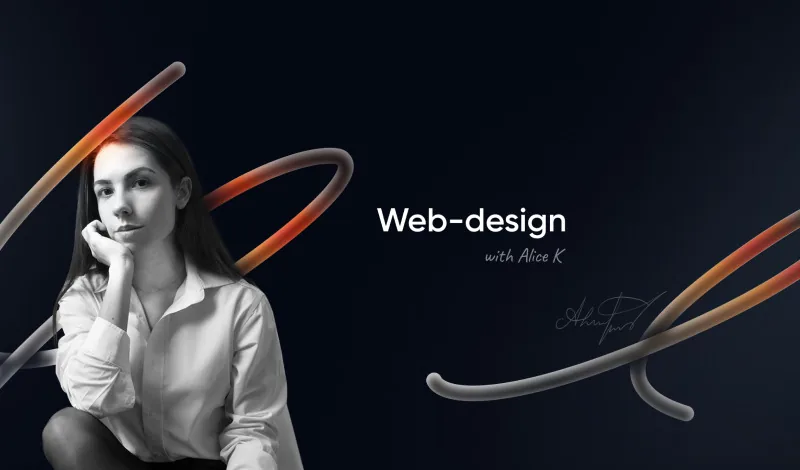
Alice K, city — Rotterdam, product UX/UI designer, Instagram
About me
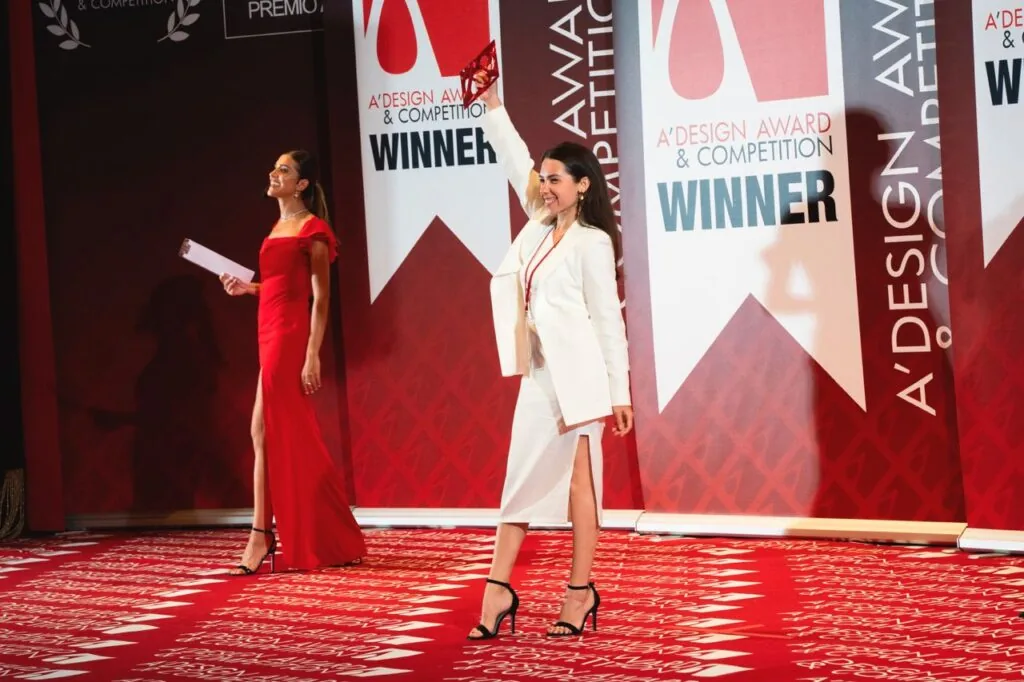
I am a UX/UI designer and the author of a blog about web design. There I share inspiration, case studies from real projects, and my own research. Currently, I live in the Netherlands, but I am preparing to move. My small "home office" is shared with my husband, a cat named Pixel, and a Spitz named Ursula. In addition to the blog, I am developing my own design agency and training designers — I already have more than 90 international awards and projects for Fortune 500 companies.
I did not enter the profession in a direct way. At my parents' insistence, I received an education in computer science — they wanted to see me as a programmer, like my uncle, who previously worked at Apple. But since childhood, I loved drawing, and perhaps it is in the genes: my father is a graphic designer. In the end, technology and creativity merged in me naturally. I received my first orders from my father, while simultaneously working as a photographer and an English tutor for children — these projects became my start-up capital in design.
I have been in design since I was 16: I started with graphics, and then gradually moved to interfaces. Most often, this implies UX/UI design and animations for websites and mobile applications. But interfaces are not just screens: you press a button on an electric toothbrush — and there is a small UX. And if we are talking about software for launching space rockets, then without a well-thought-out interface, you can press the completely wrong button.
About the profession and work specifics
My agency and I work with clients from all over the world, so we are not tied to any one country — like many IT companies. But there are differences: they manifest in the mentality of clients, communication methods, and even in the interfaces themselves. For example, in Arab countries, websites are read from right to left, and the entire design is literally "flipped" — familiar elements suddenly end up in the right corner of the screen. For a designer, this can be a mild cultural shock, but also excellent experience.
When I was just starting, all web design revolved around Adobe Photoshop — there were simply no alternatives. Later, I switched to Adobe XD and Sketch, but Figma seemed to me a "mistake" for a long time — Adobe XD seemed much more powerful and promising. But times change: today I work completely in Figma and FigJam, and for projects with a focus on graphics, I still use Photoshop and Illustrator. I supplement the process with many auxiliary services, including neural networks — they greatly speed up work and open up new opportunities.
One of my favorite projects is the Boatico online yacht rental service worldwide, which we are still working on and developing together with the client's team. At the same time, I have been designing a large platform for designers for over two years.
Industry and career
The profession of UX/UI and product designer is in demand in any corner of the world: where there is business, there is a need for a website, and most often, an application. Therefore, there is a huge amount of work in this area of design. If you add proficiency in graphic editors such as Photoshop and Illustrator to this, opportunities open up for developing banners, covers, corporate identity, and logos. I discuss all these tools and approaches in detail in my advanced course. There is competition in any profession, only if you are not designing a hadron collider. You need to treat this calmly and not panic, but invest in self-development.
If you like design, creating interfaces that help people work faster and more conveniently, creating beautiful visual content, and showing your work to the world — clients will always be found. But if you are waiting for everything to fall into your hands — then you will have to wait a little longer.
Salary and living standards
Salary depends on the project and requirements, as in other fields. For example, you can design a single-page website for $2000 and five days of work. Or you can get a large and interesting project with a fee of $10,000-$20,000 and above. Therefore, the services of an experienced designer who knows how to justify their decisions can be among the highest paid in IT. After all, the success of the entire project largely depends on your work.
Clients are willing to pay extra for the WOW effect — this is exactly about design. If your fee is above average, not all clients will be able to provide bonuses. Among my most memorable bonuses were a yacht vacation, company products, plane tickets, and a reward two to three times higher than the agreed fee for the project. Therefore, always try to add a little more than required — and in return, you will receive sincere emotions and smiles for your work.
Advice
I have a funny post in my blog titled "How to become a designer in 7 days." Spoiler: you can't. In fact, to achieve success, you need to regularly invest in your education — with time and money. Practice, practice, and practice again. Sometimes you can drink a couple of cups of coffee, cry a little — and get back to work. This approach will definitely lead to success in this wonderful profession.
Many people, when looking for employment, chase large corporations with thousands of employees, but this is not always justified. For example, you can join a large product company as a UX designer, receive a high salary, and spend years optimizing the same page. For some, this is a dream, but for others, it is stagnation, since the designer's profession allows for constant development and opening up new horizons.
In a startup or a design agency working on outsourcing, you will be able to lead a project from idea to launch, and then support it, since any developing project needs design. Therefore, it is important to clarify the company's specialization and the real tasks that will be set before you. And if you consider freelancing, the possibilities are almost limitless: from small landing pages to large portals, mobile applications, and CRM systems — everything depends on your courage and desire to try something new.
The Tech on Telegram Follow The Tech on Telegram
Keep up with the latest technology and startup news.
Related reading







More from this author

News
zypl.ai begins operations in Japan and focuses on next-generation risk models
Mansur Ismagulov

News
Elon Musk's net worth has exceeded $700 billion for the first time
Mansur Ismagulov

Article Interviews
"Central Asian countries should build a joint ecosystem," — Bekhzod Ismoilov on the development of AI in the region
Mansur Ismagulov

Article Interviews
Bloom's Taxonomy and Engineering Levels: A Practical Growth Model
Mansur Ismagulov

Article Useful
How the IT industry in Azerbaijan developed in 2025: key events
Mansur Ismagulov

News
Tajikistan has become a new member of the regional innovation alliance Central Asian Innovation Hubs.
Mansur Ismagulov