A 20-year-old Uzbek launched a startup and attracted $500,000 in investments
Uzbekistan-born Bahodir Rajabov founded the startup Surgent in San Francisco, which enables creators and entrepreneurs without a technical background to build their own software and monetize it.
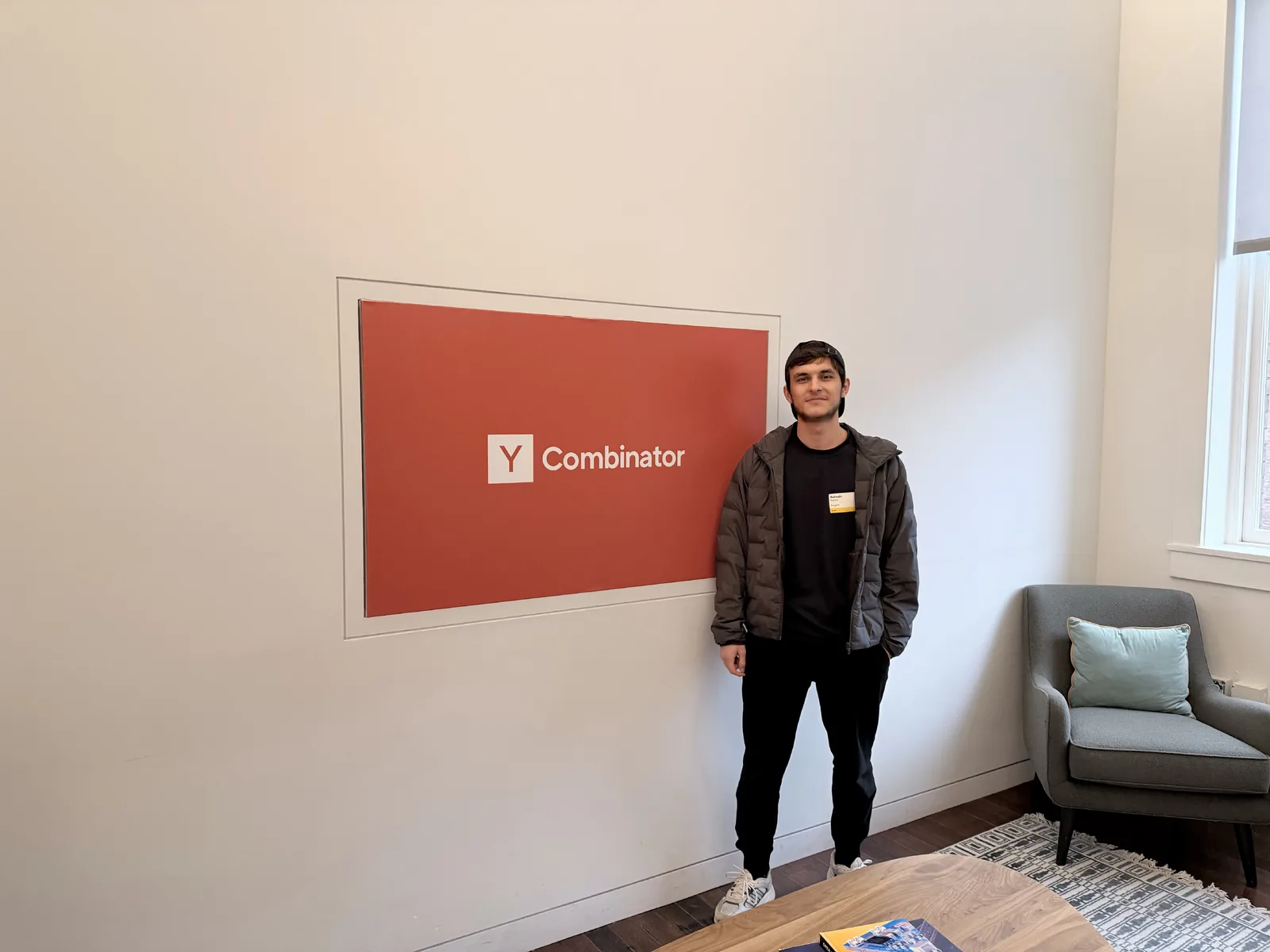
Bahodir Rajabov, City — San Francisco, CEO, Instagram
How It All Started
I am from Bukhara. I started programming at 14—my first project was a Telegram bot that I built out of pure curiosity. As a child, I watched a TV show called "Hashtag" about technology, but at the time, I didn’t understand how it all worked. Then, during a computer science class, I wrote my first program in Pascal—and something clicked. I haven’t stopped since.
After that, I began to dive deeper. I created Telegram bots for downloading videos from TikTok and Instagram—over time, they grew to hundreds of thousands of users. It was on these projects that I first truly encountered scale, scraping, and all the "pains" of products that depend on third-party APIs, which are constantly changing and unstable.
Later, I developed an AI lawyer, and then GetIntercall, a real-time translation platform. This was, perhaps, the most technically challenging project: real-time multilingual transcription, speaker diarization, handling signal latency—and all while ensuring the accuracy that professional translators could trust.
Each product taught me something unique. But one pattern repeated across all of them: building an application is the easiest part. Monetization—payments, taxes, hosting, legal infrastructure—is where most people, including myself at the time, get stuck.
Thus, Surgent was born. The idea is simple: give anyone the ability to create their own software and start earning from it—without programming skills and without the headache associated with infrastructure.
Launching the Startup
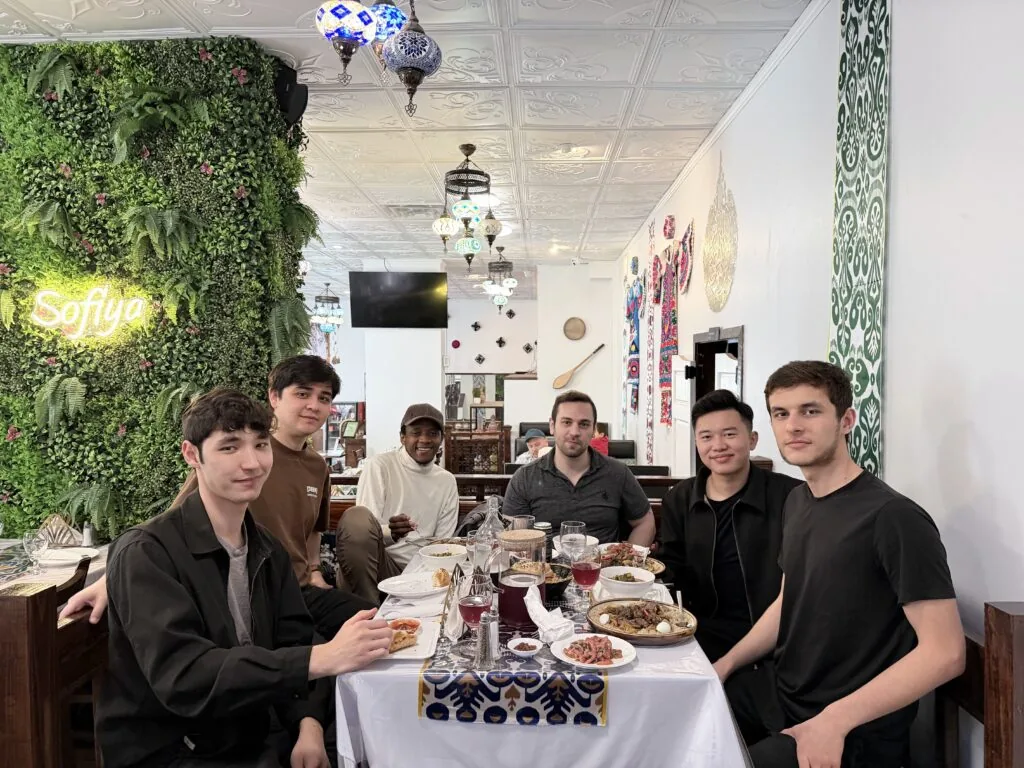
I launched Surgent as a solo-founder in San Francisco. No team and no funding at the start—just me and the product. With years of independent development behind me, I knew how to move quickly.
My path leading up to this looked like this: at 16, I got my first job as a developer at the Polish company LeverX. At 17, I worked remotely for a Georgian company, earning around $2,000 a month. At some point, I felt that I had hit a ceiling in Uzbekistan and needed a different environment—I moved to Poland to study. Three or four months later, I received an offer from IBM and decided to leave university.
At IBM, I worked in the GenAI team on analytics software. It was a large company with strong specialists, but slow processes. This experience only confirmed what I already felt: I wanted to build my own thing.
At 20, I moved to San Francisco. The density of founders, engineers, and ambition here is incomparable to anywhere else. I started building Surgent alone. Currently, there are three people in the active team. And honestly, 99% of the code today is written by AI agents—I focus on system architecture, research, and growth.
Target Audience
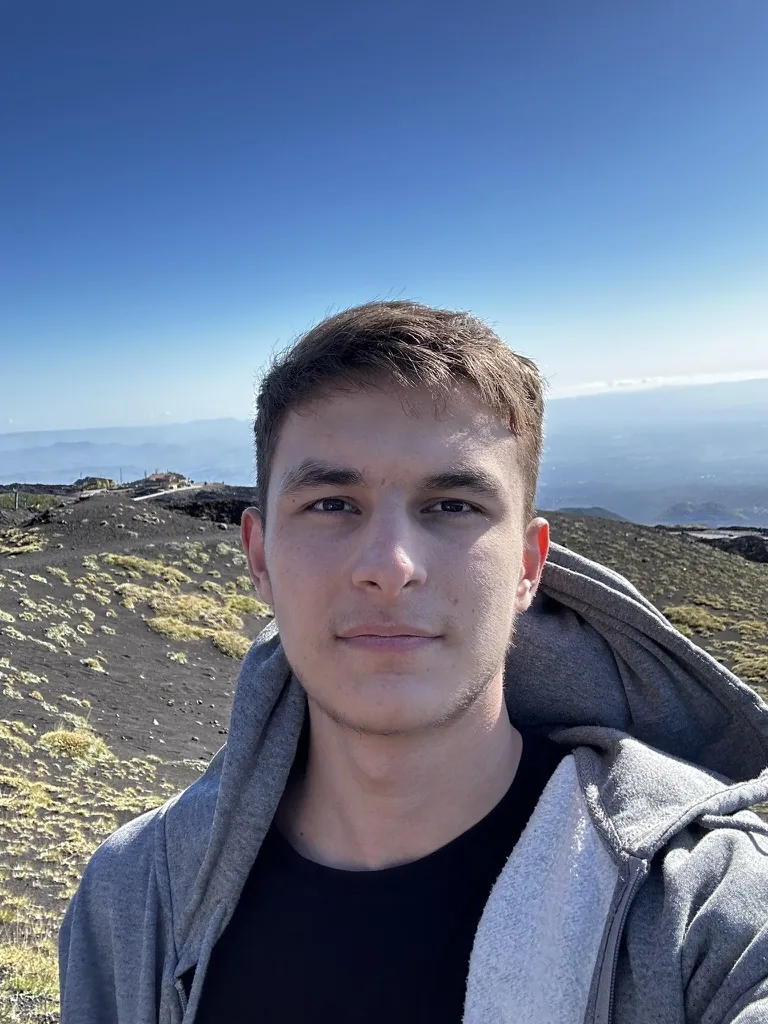
Surgent is a platform for those who want to earn money online through software but don’t know how to program: content creators, indie hackers, and entrepreneurs without a technical background. Unlike competitors like Lovable and Replit, which focus on "build an app," our focus is on "earn from it."
Today, creators have only two or three main ways to monetize: ad integrations, educational courses, and dropshipping. We are adding a fourth—creating and selling your own software. The user describes an idea, and the platform builds the product itself, taking on payments, taxes, hosting, and legal infrastructure. The person focuses on their audience, while Surgent handles everything else.
Our business model is a subscription to access the platform plus a commission on each transaction. At the same time, we are building our own payment infrastructure so that users from any country can accept payments without being tied to Stripe.
Achievements
We raised $500,000 in Pre-Seed funding. The round was structured as a SAFE under standard Y Combinator terms.
The investor was Whop, an American digital product monetization platform, represented by CEO Stephen Schwartz. Interestingly, they reached out to us first. The initial offer was an acqui-hire—join the Whop team and continue developing the product within their company. The terms were very strong: a salary of around $1 million per year plus equity in the business. But we declined because we wanted to build Surgent as an independent company.
After that, Stephen offered to invest $500,000 in us. At such an early stage, this is largely trust not only in the product but also in us as founders. They see the same trend we do: the next wave of monetization for creators will be built around their own software, not around courses and communities. For us, this trust means a lot.
We will direct the raised funds toward accelerating product development, scaling user acquisition, creating our own payment infrastructure, and achieving key metrics for the next round.
On Difficulties
One of the first difficulties was the environment in which I started. Bukhara has weak internet, weak hardware, and a complete lack of mentors nearby. I learned mostly on my own, online. Looking back, I realize: these limitations may have slowed me down technically, but they also toughened me up. And for that journey, I am grateful.
A separate topic is health. It is truly serious. Years of working 14–15 hours in front of a screen, poor nutrition, and lack of sleep—everything eventually caught up with me. There were real health problems. If I could go back, I would treat myself much more gently. You can’t build something for long if you are physically and mentally burned out.
Strong lessons were also taught by the products themselves. Scraping-based projects—the same bots for TikTok and Instagram—taught the main lesson: you cannot build a business on someone else’s unstable foundation. GetIntercall showed how complex real-time systems are and how critical accuracy is when real users depend on your product. Surgent became the point where all these technical and product lessons converged.
If we talk about the life of a solo-founder, the hardest part is focus. When you don’t have a co-founder to bring you back on track, it is very easy to scatter your attention. Pressure, on the one hand, helps—it creates urgency and mobilizes. But you need to know how to manage it, otherwise, it starts working against you.
To beginners, I would give simple advice: heads down, locked in. Most of the journey looks boring—learning English, going through tutorials, building products that no one uses yet. But it is precisely this foundation—language and technical skills—that changes everything at some point.
And one more practical tip: use Twitter. If you are building a product for the global market, you need to understand the ecosystem, trends, and people—and this entire environment largely lives there today.
Plans
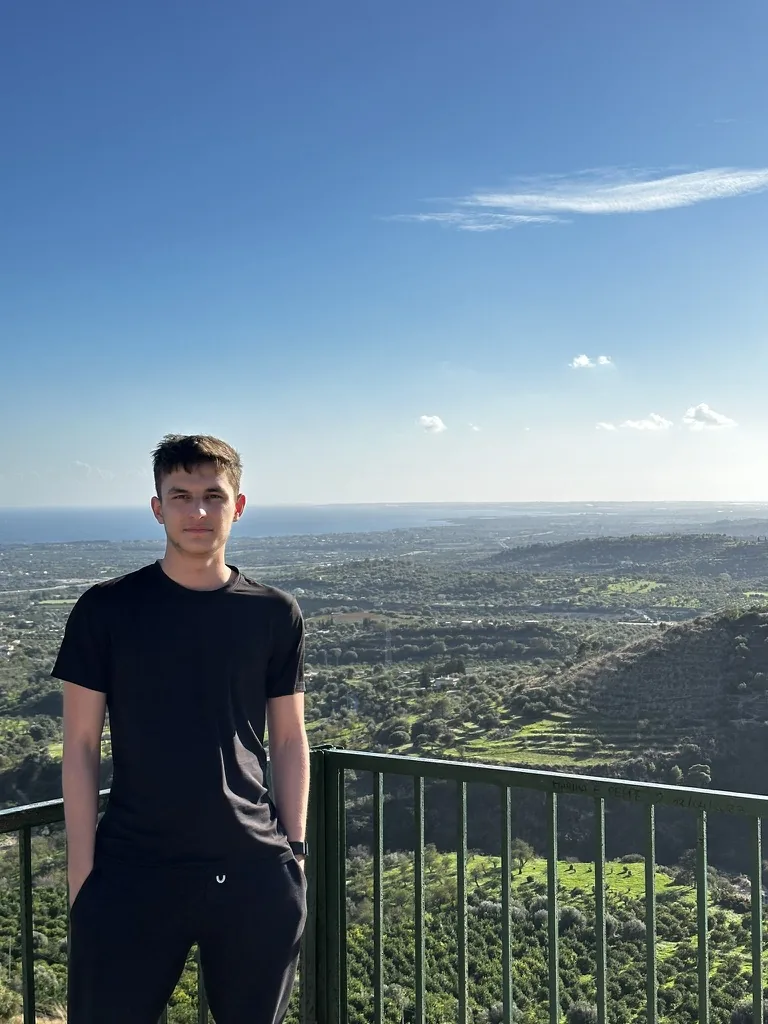
For the next three months, we are focusing on accelerated growth: we plan to significantly increase our user base, launch our own payment infrastructure, deepen our integration with Whop, and launch an AI agent marketplace on the platform.
On the 12–18 month horizon, our goal is to reach the financial metrics necessary for the next investment round and make Surgent the default platform for creators who want to monetize through software.
In two years, we want to help 100,000 users earn at least $1,000 per month through Surgent.
Our long-term mission is to give everyone the opportunity to build software and earn money online. And also—to prove that founders from Uzbekistan can create companies on a global level and, over time, invest back into Uzbek startups.
The Tech on Telegram Follow The Tech on Telegram
Keep up with the latest technology and startup news.
Related reading






More from this author

Article Useful
How to protect your accounts from hacking: 8 settings you should check today
The Tech

Article Useful
500 Global: How the Accelerator Works and Who Can Receive Investments
The Tech

Article Interviews
Game Development in Central Asia: Arkady Moldavski on Developing Reverb and the Growth of the Industry
The Tech

Article Useful
Google, Tesla, BlackRock, and the IMF: Where to Apply for an Internship in Fall 2026
The Tech

News IT
Tesla unveiled the flying electric car Roadster
The Tech

News IT
Intero Biosystems startup won the Startup Battlefield at TechCrunch Disrupt 2026
The Tech