WomenInTech. "Technology is a field where results speak louder than any stereotypes," — girls from Baku on their careers in IT and AI
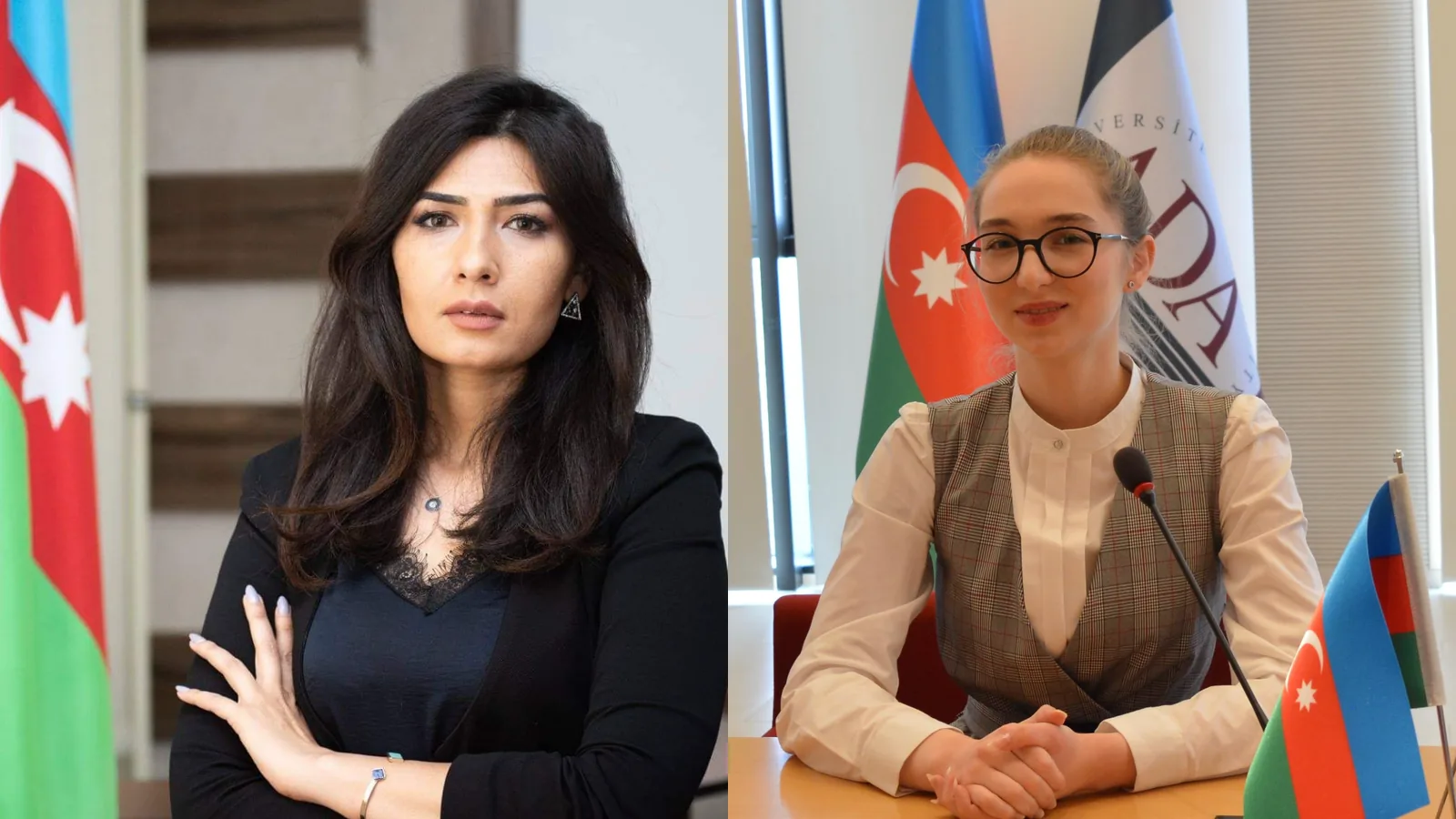
Two women from Baku shared their career paths in technology, stereotypes in the industry, and key principles for development. They also discussed the role of mindset, practice, and continuous learning in professional growth. Read more in our interview.
Shabnam Shams Mammadova, City — Baku, Founder and CEO Smartnation Azerbaijan, LinkedIn
About Me
I am an entrepreneur and project manager in the field of innovation and digital development. For the past three to four years, I have been developing the Smartnation Azerbaijan platform, which implements projects in Azerbaijan, especially in the regions, in the fields of education, digital skills, innovation, and sustainable development, including GreenTech and sustainability.
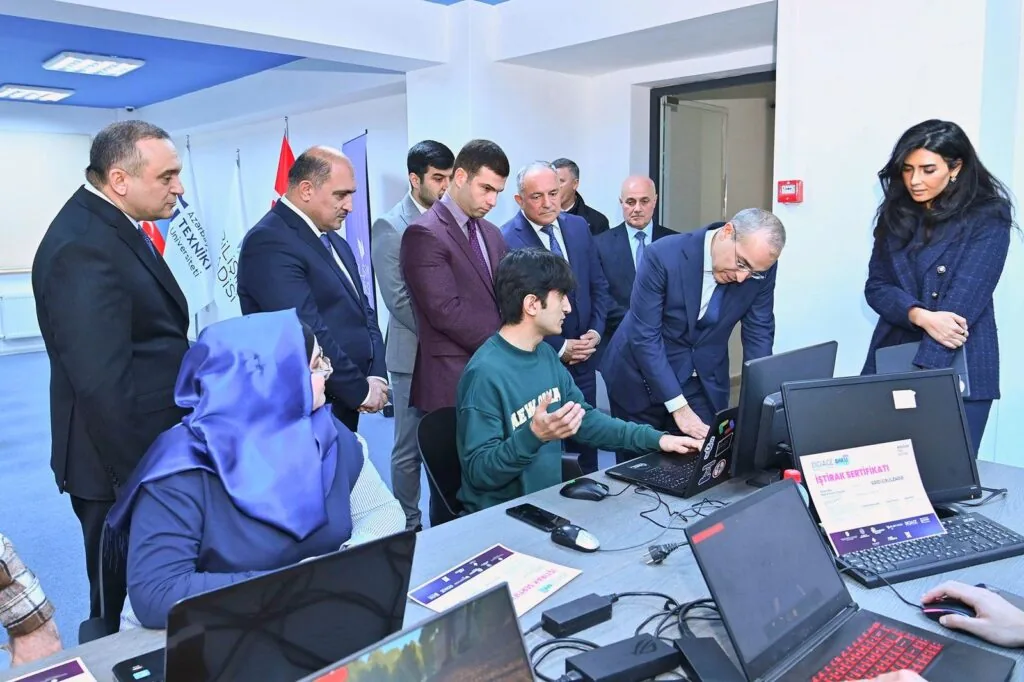
I started my career at the age of 19 in the Ministry of Communications of the Republic of Azerbaijan. I worked in the civil service for 13 years in various ministries. During this time, I held different positions, and in recent years, I served as an advisor to the Minister on innovation and IT issues.
Over the years, I implemented numerous state projects in the field of informatization and digitalization, including e-government, as well as initiatives aimed at developing digital skills and future skills among the population.
In recent years of working in the civil service, I focused on developing the startup ecosystem. Together with the team, we launched platforms, incubation and acceleration programs, developed legislative and regulatory initiatives, and created tools to support innovative entrepreneurship in Azerbaijan.

How I entered the IT profession
My career in IT started a long time ago. I was one of the first women in the IT environment of Azerbaijani state structures, and at that time, in fact, the only woman in such a role. When I started in the early 2010s, the professional environment was mainly male.
Over time, the situation changed. IT, startups, and digital transformation began to develop actively. If there were very few women in this field before, today there are significantly more, and the market has become more open and balanced.
I started as a specialist and gradually grew into leadership positions. This path became an important experience for me and helped me deeply understand the state sector, process management, and digital transformation.
In recent years of working in the state sector, I increasingly thought about creating my own project while remaining in the field I knew. It was always important for me to work with people because in IT and innovation, the main element remains the person — their mindset, flexibility, and willingness to change.
Over time, I came to understand that the future of society and the state directly depends on how people think, how ready they are to create something new, rather than just adapting existing solutions.
That is why I decided to focus on projects related to the development of human capital, education, and innovation. One of the key steps was the creation of the Smartnation Azerbaijan platform. At first, it was a social project that I worked on alongside my civil service duties. Later, state structures, international organizations, and the corporate sector became interested in it.
Today, Smartnation Azerbaijan implements programs for different audiences — from farmers to students and employees of large companies. For example, in the agricultural sector, we work on projects for the rational use of water and the implementation of smart water systems.
In the educational direction, we cooperate with universities and state structures, develop future skills, and adapt training programs to market demands. Within modular programs, participants can gain practical skills and reach the level of a junior specialist in six months.
The main feature of our approach is close cooperation with business. Companies help shape programs, share expertise, and involve their specialists in training.
About stereotypes
In the late 2010s, the state and IT environment in Azerbaijan consisted mainly of men. There were few women, especially in technical and managerial roles. They more often held administrative positions, while key decisions were made in male circles.
The work culture was then closed. At the beginning of meetings, I often had to confirm my competence and right to sit at the same table as others. The first 15 minutes were often spent showing my professional level. But after that, the attitude changed, and the conversation became equal.
At the same time, I cannot say that I faced direct discrimination from men. On the contrary, many supported me, gave opportunities for training, directed me to international programs, and helped me grow professionally.
To be honest, I always believed that God supports me, and perhaps that is what accompanied me throughout my journey. It seems to me that every person has their own internal script that influences decisions and life path.
I have always been an open person. Now, looking back, I understand that I would not make many of the decisions I made at 15-20 years old so easily. Back then, I had more intuition and courage — fewer doubts, more desire to just move forward and do.
Barriers for women in IT
Women often had to prove their competence and resilience more strongly. But over time, I realized: the key factor is not gender, but the professional value a person brings to work and the team.
I also consider emotional intelligence and the ability to maintain balance important. When there are too many emotions in work processes, it often hinders efficiency.
My personal experience shows that much in life depends on a person's internal state, their attitudes, and their attitude toward the world. I often noticed that events and necessary acquaintances came precisely when I was internally ready for them.
I believe that much begins with how a person thinks and what they focus on. But at the same time, a rational approach, actions, and personal responsibility are always important.
Recommendations for those just starting their path
1. You need to constantly develop and be open to new things. The world is changing quickly, especially noticeable after the pandemic, so the ability to learn and adapt is truly necessary today.
2. It is important to understand yourself. Not all people honestly answer the questions: what do I want, what suits me and what doesn't, where are my boundaries. When a person understands themselves better, it is easier for them to make decisions, build relationships, and respect the boundaries of others.
3. I do not believe in the picture of ideal success. Success does not happen without mistakes, doubts, and difficult periods. The main thing is to remain yourself, take responsibility for your decisions, and move forward.
4. Do not compare yourself with others. Everyone has their own path, their own circumstances, and their own time. It is better to focus on yourself, do what you like, and enjoy the process.
5. It is important not only to grow yourself but also to support others. Everyone has their own road, and this needs to be respected.
Laman Aliyeva, City — Baku, Artificial Intelligence Engineer, LinkedIn
About Me
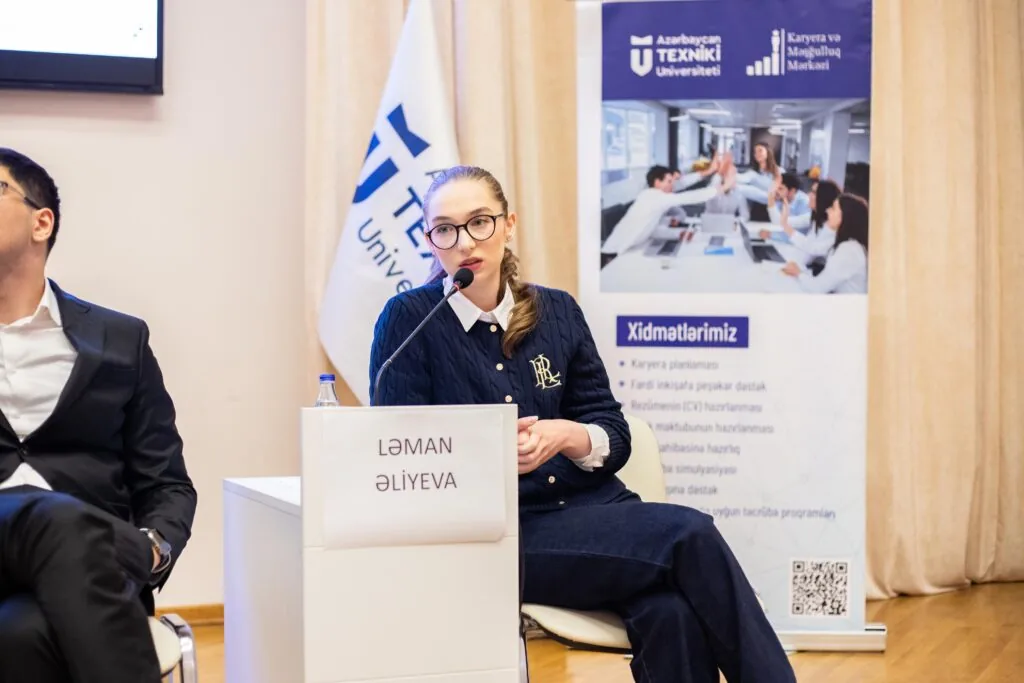
I am an artificial intelligence researcher, startup founder, and Google Technology Ambassador. My projects have reached thousands of people, attracted investments, and been presented in more than 11 countries, including the USA, China, UAE, India, Turkey, and countries in Europe and Central Asia. I represented Azerbaijan in international technology and startup competitions, received several international awards, and in 2025, I was awarded the Presidential Youth Prize of the Republic of Azerbaijan.
My research work covers quantum AI, cybersecurity, as well as the application of artificial intelligence in healthcare, renewable energy, and the aerospace sector. I have published scientific papers on early detection of breast cancer using AI, and I also received a patent for AI glasses for blind people, helping with navigation and environmental perception.
I am the co-founder and leader of Artificial Intelligence HUB — one of the largest AI communities in Azerbaijan, which develops research and educational programs in the field of machine learning. To date, the hub implements regional initiatives AI4Regions and AI education for schoolchildren, covering dozens of schools across the country.
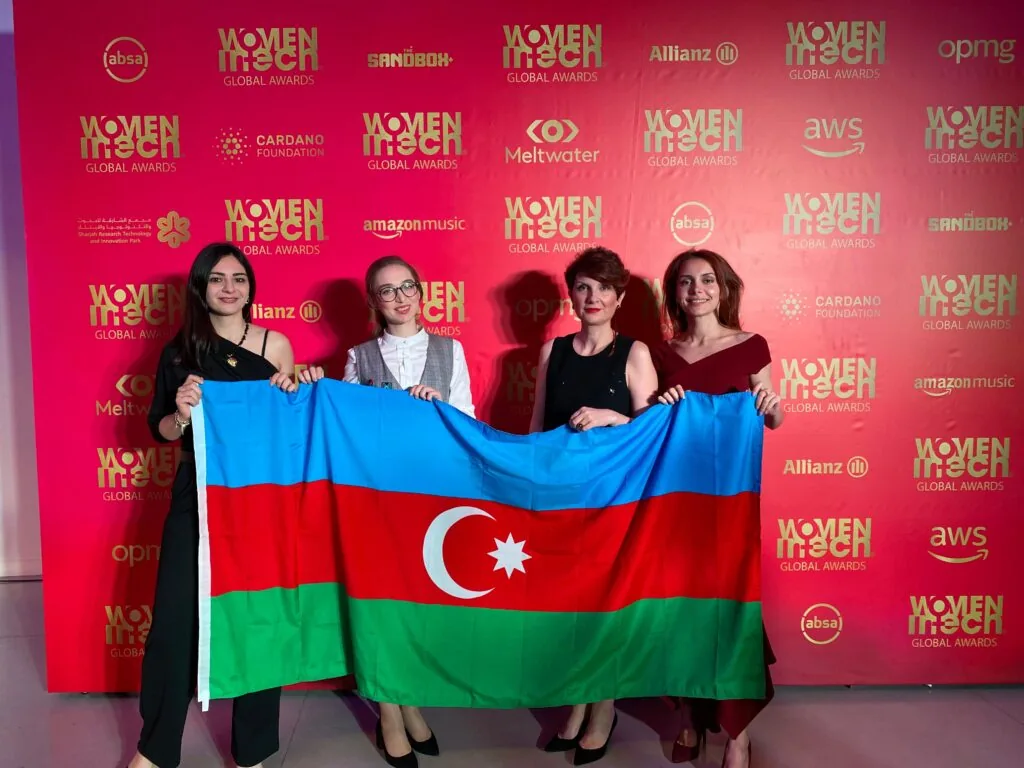
Since 2023, I have been a WomenTechmakers ambassador for Google. I was recognized as Women in Tech Global as #1 in the Caucasus and Central Asia region and #7 in the world. In 2024, I took first place in the CCA region in the Most Disruptive Women in Tech competition by Amazon and Women in Tech, bringing Azerbaijan to the global final among 50 countries for the first time.
I actively engage in mentoring and public speaking at international venues, including the World Economic Forum, Google I/O Extended, Google DevFest, COP29, and TEDx. My online audience exceeds 40 million people.
I graduated from ADA University with a degree in Computer Science with a 4.0 GPA, and also completed an exchange program at the University of Mary Washington in the USA, where I also received a 4.0 GPA.
How I entered the IT profession
I started programming at the age of 13, and by the age of 15, I was already developing and deploying fully functional web and mobile applications with complex architecture, full logic, databases, and working user interfaces. Therefore, my path in IT was not just curiosity, but early practical experience in development and creating technological solutions.
To date, I have more than 10 years of experience in the technology sector, especially in the field of data and artificial intelligence. Over time, this experience evolved into deeper work with AI, data analysis, and complex technological systems.
Currently, I work as an artificial intelligence engineer at Azerconnect Group, one of the leading telecommunications companies in Azerbaijan, serving millions of users. In my work, I focus on developing and implementing AI solutions, as well as data analysis to optimize technological processes and improve services.
I got my first IT job at the age of 16 at JIS — Jeykhun Imanov Studio, where I held the position of Data / AI Research Engineer. Most of my work was related to automating business processes, analyzing marketing data, and researching the possibilities of applying artificial intelligence technologies to solve real business tasks. This experience was important for me because it was there that I first saw how technologies and data can directly influence decision-making within companies.

About stereotypes
Stereotypes in technology still exist. In some cases, women have to prove their technical skills more strongly to be taken seriously.
However, I believe that technology is a field where results, knowledge, and influence speak louder than any stereotypes. When you consistently demonstrate analytical thinking, technical competence, and the ability to solve complex problems, stereotypes gradually lose their significance.
If your work brings real results, it shifts the conversation from stereotypes to the value of innovation and expertise.
Barriers for women in IT
In real work, tasks are often much more complex than academic projects. You need to work with large volumes of data, complex systems, and real infrastructure limitations. In addition, it is important to understand not only the technical side but also the business context of the solutions being created.
For many specialists, especially early in their careers, the main challenge is the transition from theoretical knowledge to practical application.
Recommendations for those just starting their path
1. Practice and learn to adapt. Practice is a key factor in development. You need to constantly work on projects, try new technologies, and adapt to changes because IT is one of the fastest-developing fields.
2. Use the opportunities of artificial intelligence. Today, AI can significantly accelerate learning, development, and solving complex tasks. The ability to effectively use such tools has become an important skill for a modern specialist.
3. Create technologies with real value. When you understand that your work helps people and solves real problems, all difficulties on the path are overcome more easily, and the awareness of the value of your work gives strong motivation and helps you move forward.
The Tech on Telegram Follow The Tech on Telegram
Keep up with the latest technology and startup news.
Related reading






More from this author

Article Useful
How to protect your accounts from hacking: 8 settings you should check today
The Tech

Article Useful
500 Global: How the Accelerator Works and Who Can Receive Investments
The Tech

Article Interviews
Game Development in Central Asia: Arkady Moldavski on Developing Reverb and the Growth of the Industry
The Tech

Article Useful
Google, Tesla, BlackRock, and the IMF: Where to Apply for an Internship in Fall 2026
The Tech

News IT
Tesla unveiled the flying electric car Roadster
The Tech

News IT
Intero Biosystems startup won the Startup Battlefield at TechCrunch Disrupt 2026
The Tech