WomenInTech. "The era of female leaders is upon us," — young women from Kazakhstan on the new culture in IT

Two young women from Kazakhstan shared their first steps in their careers, career advice for beginners, the development of digital projects and district IT centers, as well as the opportunities that IT opens up for young people and residents of the regions. Read more in our article.
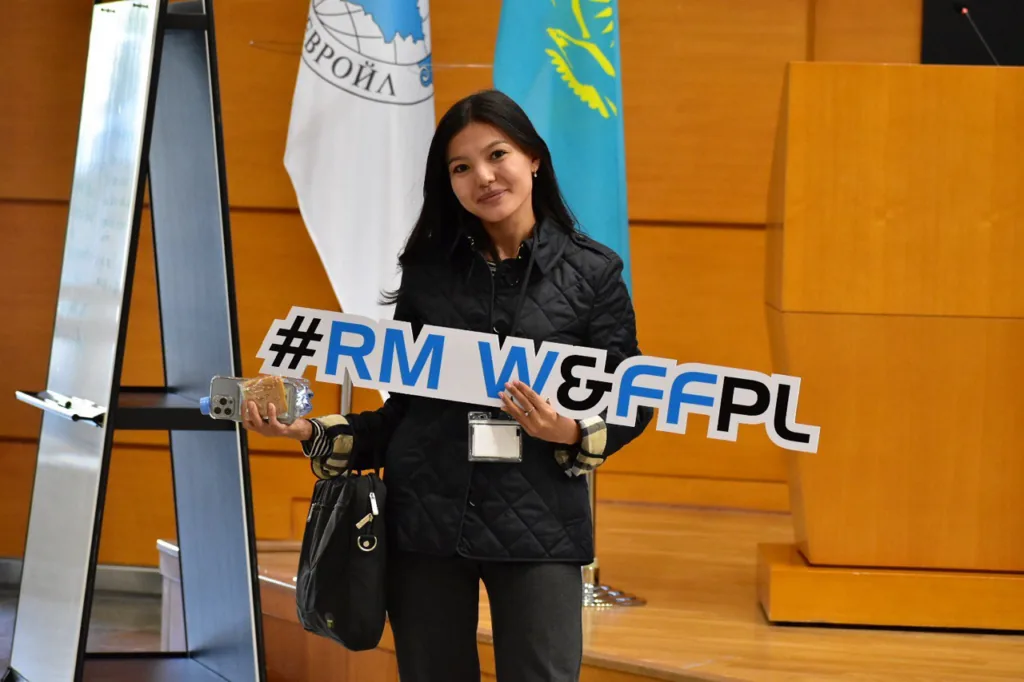
Kamila Omirbekova, city — Astana, IT Business and System Analyst, Instagram
About me
I am a business and systems analyst in IT. My main task is to be the link between the business and the technical team, that is, the development team. I help the development team systematize requirements and document them correctly so that developers can use them to write code.
Today, I work with various digital products. I participate in designing new functionality, describing business processes, and interacting with developers.
How I came to the IT profession
My journey in IT began after graduating from university with a job at EY, where I worked in IT audit. This experience gave me a strong foundation: systematic thinking, attention to detail, understanding of risks and processes. In auditing, you constantly analyze systems, look for vulnerabilities, and check the logic of processes. It is precisely this that forms structure and discipline.
Over time, I realized that I was interested not only in checking existing systems and processes but also in creating something new. I became attracted to participating in the creation of an IT product: understanding the idea, helping to develop requirements, describing business processes, passing them to developers, and participating in the entire lifecycle of the product.
After my bachelor's degree, I worked for two years at a Big 4 firm, and then went to study for a master's degree. This stage was important for me. I moved to Spain, where I immersed myself in a more technological environment and had the opportunity to intern at a startup. It was there that I first tried myself as a business analyst. In a startup, there are no narrow roles — you quickly learn to take responsibility. I had to communicate with managers, gather requirements, formalize ideas, discuss solutions with developers, participate in launching functionality, and test it.
After graduating from the master's program and returning to Kazakhstan, I deepened my expertise in product IT business analytics and continued to develop in this direction.

About stereotypes
Every woman in IT faces certain stereotypes because IT is still often perceived as a male-dominated field. Sometimes you have to deal with distrust of your competencies or excessive verification of your knowledge as a professional.
I always tried to prove my expertise through knowledge and experience. When you have a good understanding of processes, can argue your decisions, and, most importantly, ask the right questions, respect comes naturally.
Over time, I realized that perhaps the most significant barrier is internal, not external, meaning not how others evaluate you. As soon as you stop doubting your knowledge, skills, and professional value, many things balance out on their own.
Barriers for women in IT
The main difficulties are, first of all, imposter syndrome, the need to constantly prove your competence, and internal perfectionism, which often slows down growth. We may not notice this, but it is often the cause.
Balancing career and personal life is another common topic, especially for women. I overcame this through continuous learning and deepening my expertise in IT. Understanding the concept of lifelong learning or continuous learning is important: the market does not stand still, new technologies are emerging. Even five years ago, we did not know that AI would become the main tool in our work. We cannot know the same about the future. Therefore, you must always keep up with the times and constantly improve.
In addition to technical expertise, it is important to develop soft skills: the ability to communicate, work with confidence and inner support, "sell" your skills, and demonstrate professional value. It is no less important to be ready to take responsibility for complex tasks. As soon as we feel comfortable in our current activities, we need to expand and take on more complex projects.
The main thing is not to wait for permission to grow, but to show initiative and move to the next level on your own.
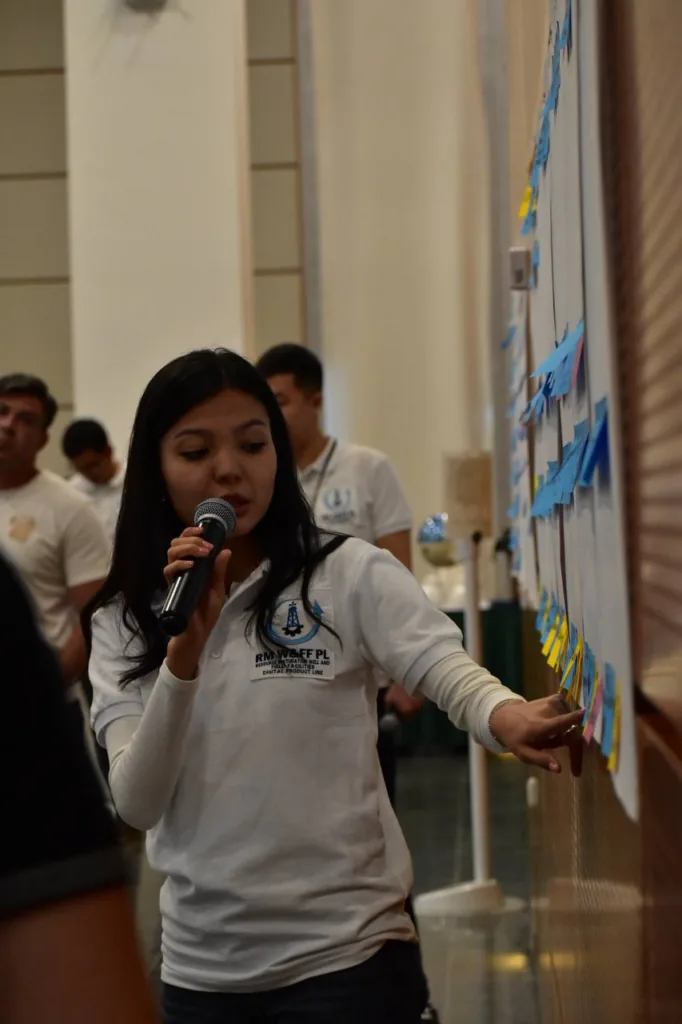
Recommendations for those just starting their journey
I often conduct consultations for students and schoolchildren who are choosing their future career direction, acting as a career coach.
Many people have high expectations right away: they think they should immediately work as a business analyst, data analyst, developer, or another specialist in this field. I would say this: do not be afraid to start small. Experience accumulates gradually. Do not be afraid of internships or even unpaid work, because all of this will eventually benefit you. The more experience you have, the more valuable you become on your path.
The key skill of any analyst is the ability to ask questions. It is important to understand that not only technical skills matter, but also analytical thinking. Also, do not compare your path with others' — everyone has their own growth pace.
And most importantly: choose a field not because it is prestigious or relevant, but because it brings you joy and internal satisfaction.
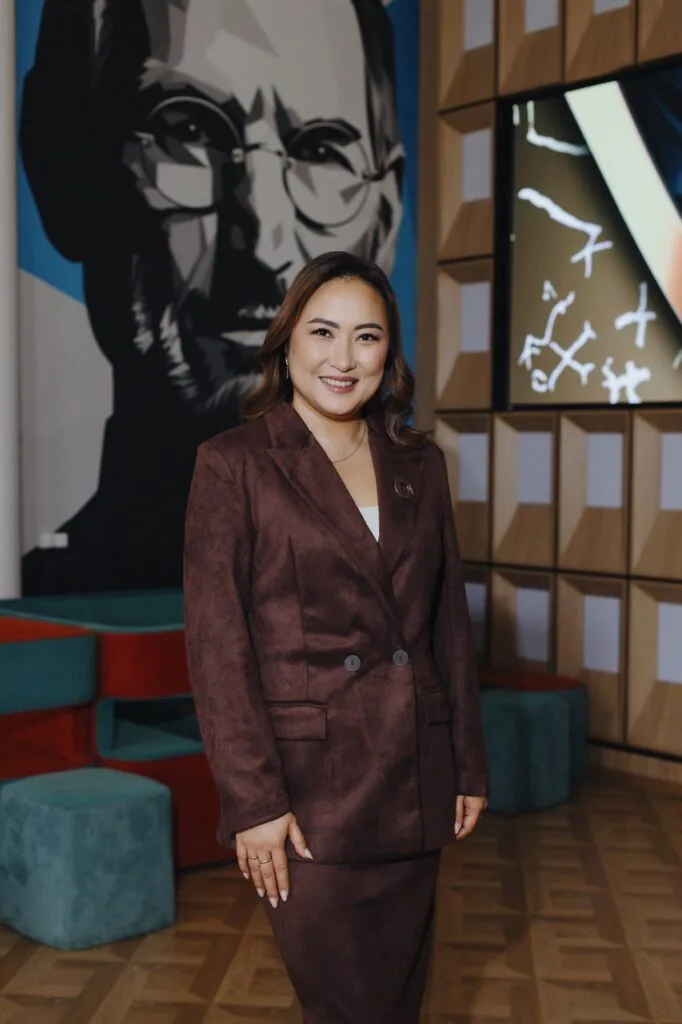
Nurgul Bulatova, city — Petropavlovsk, Director of the Astana Hub Branch, Instagram
About me
I am the director of the Astana Hub branch in Petropavlovsk. I have been working in IT and startups since 2019, previously working as a business trainer at the Chamber of Entrepreneurs.
How I came to the IT profession
I started my career as a business trainer at the Chamber of Entrepreneurs, teaching adults the basics of business. Over time, it became clear that working with young people was more effective, and thus the idea of a business school for teenagers studying financial literacy, entrepreneurship, and digital skills was born.
Schoolchildren valued practical work, so one of the modules was dedicated to projects that they presented as real business ideas. This led to the creation of a business incubation format. In 2021, I launched the first incubation in the North Kazakhstan Region together with Terricov Valley and Astana Hub.
In 2022, projects were conducted under QazInnovations together with Astana Hub. In 2023, our own business incubator opened with five to six programs, including incubations for women and business camps for schoolchildren, with the goal of turning ideas into real projects and first sales.
In 2024, I became the regional manager of Astana Hub. In 2025, when the branch network expanded across the country, I took the position of branch director in Petropavlovsk. Currently, we have five people on our staff, and we are developing the hub in Petropavlovsk and the North Kazakhstan Region. In a year, we held more than 150 events, with the participation of more than 5,000 people.
One of our key projects is DIGITAL AIMAQ — the first district IT centers in Kazakhstan. Recently, the eighth center opened in the Gabit Musrepov district, and by the end of March, we plan to open such centers in all districts so that schoolchildren and young people can develop digital skills on par with city children.
More than half of the region's population lives in rural areas. When students from the districts come to study at a regional university, it is immediately obvious that they have less experience working with technology and fewer opportunities to express themselves. This is due to the lack of infrastructure and educational events available to city children. The main goal of creating district IT centers is to provide young people from the countryside with equal opportunities for development in technology and creative industries.
In our centers, IT develops together with creativity: IT enhances creativity, and it makes technology more interesting. At the intersection of these directions, innovative projects are born. For example, we recently opened the first digital museum in a district located 300 kilometers from the regional center.
District centers work not only as educational venues but also as centers for digital competencies. Based on them, we teach schoolchildren, college students, and young specialists skills that they can monetize: e-commerce, drone management and programming, data analytics, as well as practical solutions that agrarians and other regional enterprises can apply in their businesses.
Although I came to IT through entrepreneurship, I am by education an economist-finance specialist and worked in a bank for a long time. The IT field attracted me as a fast and effective path for business development. Now I am constantly learning, including through the Tech Orda program from Astana Hub, mastering the profession of product manager. I am closer to organizational work and IT management because it is important not only to create technology but also to bring the product to the market.
I am particularly attracted by the fact that IT is applicable to all industries. Regardless of whether you are creative, a tech person, or a humanities graduate, today IT penetrates all spheres of life and creativity. For example, I view AI not as a threat but as a tool for achieving success — those who know how to use it will have great opportunities in the future.

About stereotypes
I have a habit of positive thinking: even if I encounter something difficult, I simply do not pay attention to it and move on. Of course, stereotypes exist. I am often surprised to hear: "Director of an IT hub, and you are not an IT specialist?" I answer: "No, I am not an IT specialist, but at the same time, I am the director of an IT hub and developing this industry in the region."
It can be harder for women in IT; they face stereotypes more often, but this makes us more professional and effective. For me, this is not a problem but a stimulus to show that we are capable of more.
In many fields, women leaders face certain stereotypes. It is often believed that the best managers are men, but I disagree with this. A woman who manages a household, organizes family affairs, and cares for children and family already possesses developed organizational skills, which helps in work.
Moreover, women leaders are often more empathetic and use a soft approach. In working with modern youth, this is especially effective: Zoomers do not like rigid and authoritarian methods. Now is the era of women leaders who, with their soft approach, are creating a new era of management.
Barriers for women in IT
The main difficulties for women in IT are stereotypes that men cope better due to an authoritarian style, and the presence of additional responsibilities besides work. A man can focus completely on his career, while a woman has a family and household chores. For example, I have three children, a husband, and a home, and no one exempts me from this.
But at the same time, women do not perceive this as abuse. For us, being a mother and wife is a joy, and working as a manager is also a pleasure. I am often asked: "How do you cope with so many tasks and not get tired?" I answer that I do not get tired because I enjoy what I do.
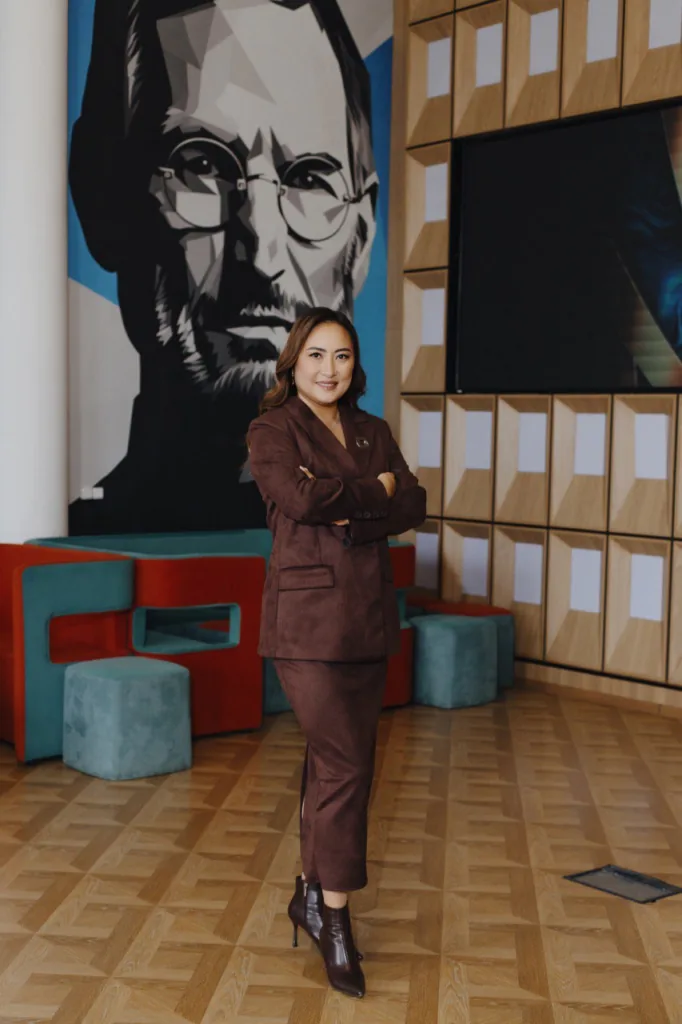
Recommendations for those just starting their journey
- It is important to be ambitious. If a person has no ambitions, they settle for what they have. Ambitions drive people to strive for more and achieve new heights.
- Be purposeful: clearly know your goals, clearly understand what you are striving for, and move towards it. As they say, "I see the goal — I do not see obstacles." Any difficulties on the way are just minor details. I always mentally place myself five years in the future and from that position look at today's difficulties as another stage that needs to be passed. Every difficulty should be perceived as a step towards future success.
- It is important to keep up with the times: stay informed about new technologies, master them, and not be afraid to use them.
And another motto of my life: "If you are the smartest person in the room, then you are in the wrong room." I never say that I know everything or am smarter than everyone. On the contrary, I admit that there is still much to learn. Thanks to this, I am always learning and one step ahead of my yesterday self.
The Tech on Telegram Follow The Tech on Telegram
Keep up with the latest technology and startup news.
Related reading






More from this author

Article Useful
How to protect your accounts from hacking: 8 settings you should check today
The Tech

Article Useful
500 Global: How the Accelerator Works and Who Can Receive Investments
The Tech

Article Interviews
Game Development in Central Asia: Arkady Moldavski on Developing Reverb and the Growth of the Industry
The Tech

Article Useful
Google, Tesla, BlackRock, and the IMF: Where to Apply for an Internship in Fall 2026
The Tech

News IT
Tesla unveiled the flying electric car Roadster
The Tech

News IT
Intero Biosystems startup won the Startup Battlefield at TechCrunch Disrupt 2026
The Tech