WomenInTech. How women from Fergana and Bishkek are building their careers in IT
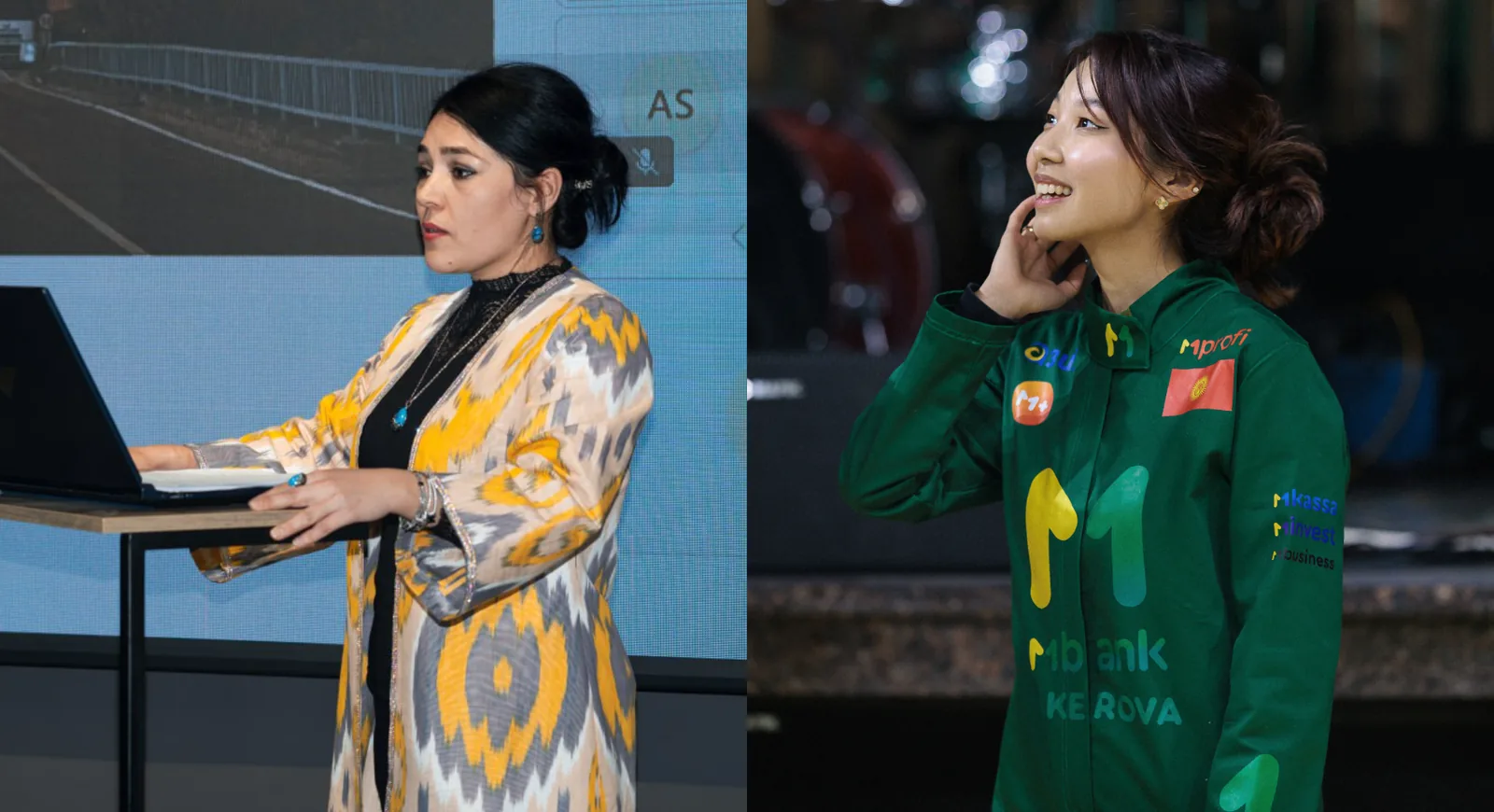
Girls from Fergana and Bishkek shared their journey in IT, overcoming stereotypes, and the value of experience. Read more below in our interview.
Dilrabo Khidirova, city — Fergana, AI/ML engineer, LinkedIn
About me
Currently, I am completing my master’s degree in “Data Processing and Artificial Intelligence” at IT Park University. Today, I work on creating AI solutions that have a practical impact: for example, I develop machine learning projects for detecting and monitoring forest fires, with the aim of protecting the environment and communities.
Beyond technical work, I mentor students through the Technovation Girls Uzbekistan program, supporting young women in exploring technology and innovation.
I had the honor of becoming one of the protagonists in the documentary film Ayol Yo‘li 2 by Women in Tech Uzbekistan — a motivational project telling the real stories of women building careers in the tech industry. The film highlights the importance of perseverance, support, and determination needed for professional growth in the digital sector, and I am proud to have shared my experience in this project.
Through this initiative, we want to inspire more women and girls to believe in their potential and confidently enter the world of technology. Participating in this story is both a responsibility and a reminder of how representation can inspire a new generation.
My journey in IT began with a deep passion for artificial intelligence and its potential to solve meaningful problems. I see myself not just as an engineer, but as someone who uses technology for the benefit of society, inspires others, and opens doors for future generations.
My career did not start in IT — I began as an English language teacher. This experience helped me develop communication skills, empathy, and the ability to mentor others, which later became extremely valuable in IT.
Later, I transitioned into the technology field, driven by curiosity and a passion for artificial intelligence. I returned to my studies, built my technical foundation from scratch, and gradually began developing real AI and ML projects.
My path included:
— completing in-depth academic training in AI
— creating applied AI solutions, such as forest fire monitoring systems
— participating in professional and community initiatives
— mentoring young women starting their journey in technology.
For me, this path proves that it is never too late to start: progress matters, not the time you begin.
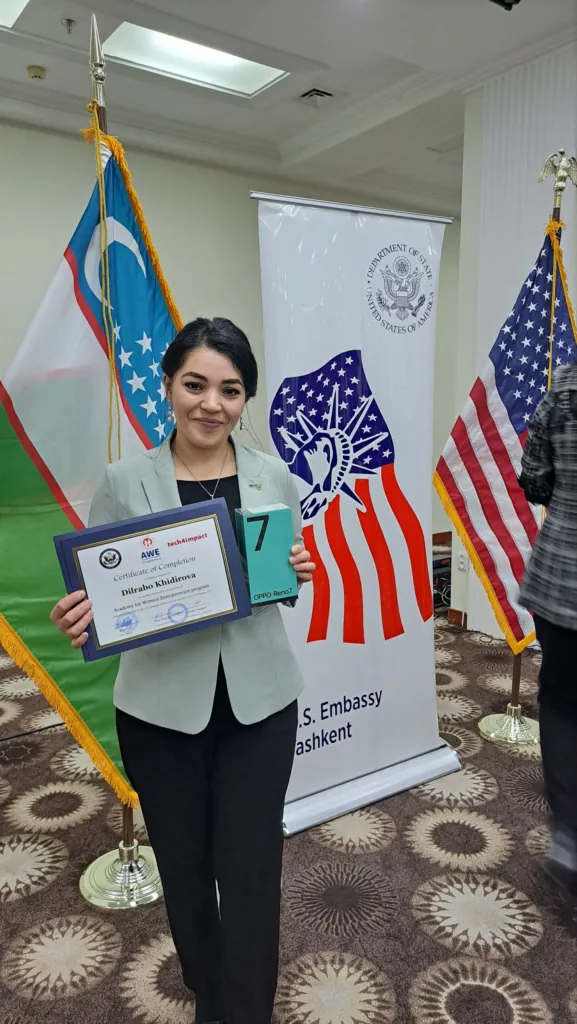
How I came to the IT profession
I entered IT through curiosity and a passion for AI. I was fascinated by how technology could solve real problems and benefit society.
This passion led me to independently study the basics of programming and data science, and then obtain formal education in AI. The transition was not easy: I had to learn from scratch, balance responsibilities, and overcome uncertainty. But the motivation to contribute through technology helped me move forward.
Continuous learning, practical projects, support from mentors and the community, and belief in my own potential helped me not just change careers, but transform and work in the field of innovation.
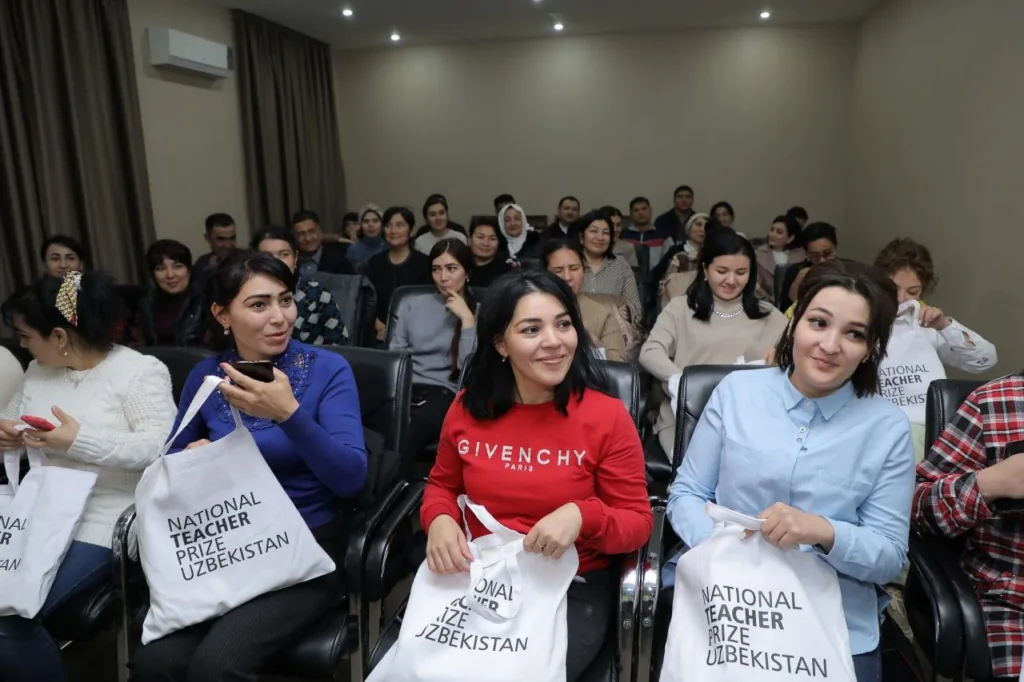
About stereotypes
I have encountered stereotypes, as many women entering technical fields do. For example, it was believed that IT was “not my place” or that changing careers late in life was too difficult.
However, I never let stereotypes define my path. I viewed them as motivation, not a limitation. Instead of focusing on others’ opinions, I focused on developing skills, achieving results, and growing confidence through experience. Over time, achievements speak louder than any assumptions. My path showed that persistence and passion are stronger than stereotypes.
Barriers for women in IT
Women often face difficulties such as:
— social expectations and stereotypes
— lack of role models
— the need to balance family responsibilities with professional growth
— self-doubt when working in male-dominated environments.
For me personally, one of the biggest challenges was balancing family, studies, and professional development.
I overcame these difficulties by structuring my time, prioritizing, creating a supportive environment, and focusing on long-term goals. I also reminded myself that growth requires not perfection, but persistence. Every difficulty became an opportunity to strengthen resilience and confidence.
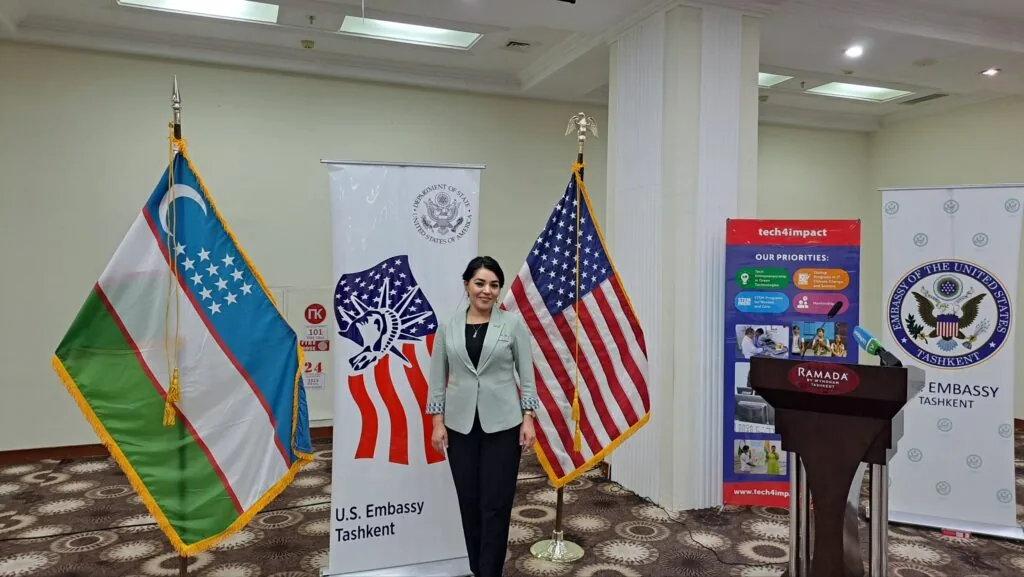
Advice for those just starting their journey
My message to girls and women starting their journey is simple: believe in yourself, try, make mistakes, learn, and try again. And success will come.
Where you start does not determine where you will end up. I started my journey in IT at age 32, and it did not limit my potential.
Practical advice:
— do not wait for confidence, create it through action
— keep learning
— seek mentors and a supportive community
— work on meaningful projects
— never compare your timeline with others.
Every woman is capable of achieving success in technology. With curiosity, persistence, and courage, new doors open.
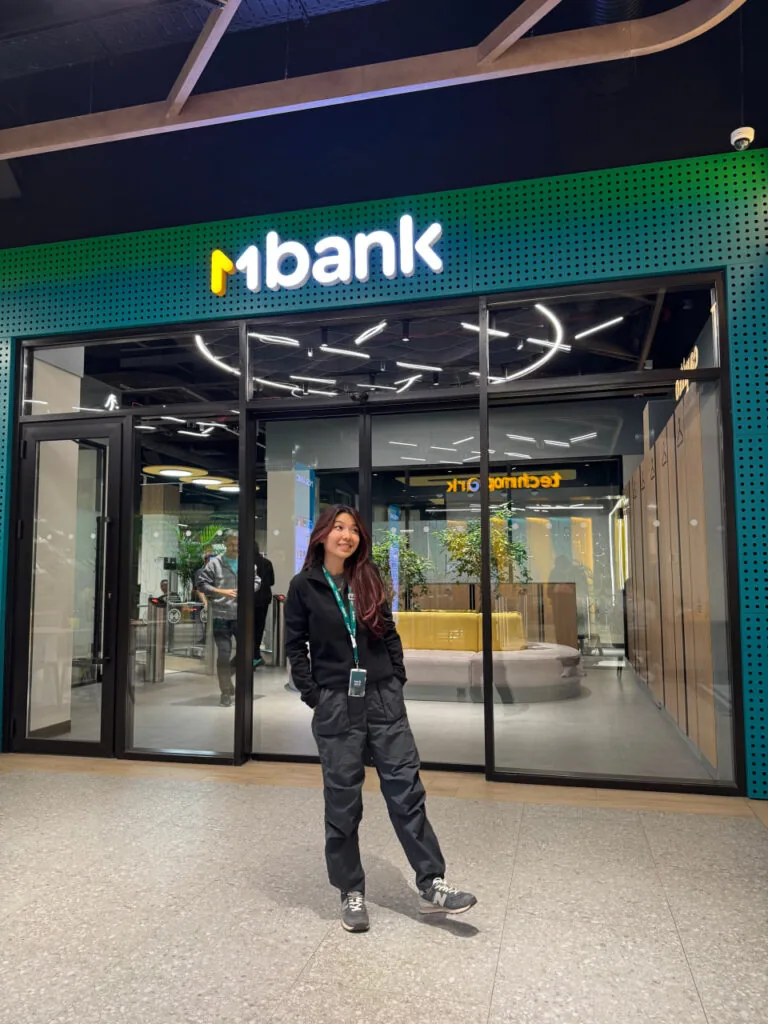
Akbibike Akeroa, city — Bishkek, content manager at MBANK, Instagram
About me
My journey at MBANK began in the position of HR manager, but the desire to explore new horizons led me to the MProfi team.
Today, I work closely with the development team as a content manager. I am responsible for everything you see in our service, ensuring the quality and cleanliness of the content, and carefully monitoring errors. My tasks are sometimes supplemented by project management functions, which allows me to have a deeper impact on processes within MProfi. Not forgetting my roots, I continue to maintain connections with my beloved HR field.
How I came to the IT profession
My journey in HR began with a real challenge: without experience, I entered the logistics field, where I mastered mass recruitment from scratch. It was an excellent school of life that taught me to work at a high pace.
Later, I joined an international EdTech company in Cyprus. After working for a total of two years in mass recruitment, I realized I was ready for more — I wanted to switch to complex, niche positions. The company supported my desire, and thus I discovered the world of IT, working with positions of varying complexity — from management to development.
A special role in my professional development was played by the support of my husband — an experienced frontend developer. Thanks to him, I immerse myself in IT not only theoretically but also practically: he helped me conduct technical interviews and analyze specialists’ resumes in detail. His advice and deep understanding of the industry became a reliable support for me — he is always ready to suggest answers to difficult questions and help look at a candidate from a developer’s perspective. This valuable experience led me to MBANK, while I still continue to find world-class talents for the EdTech industry.
About stereotypes
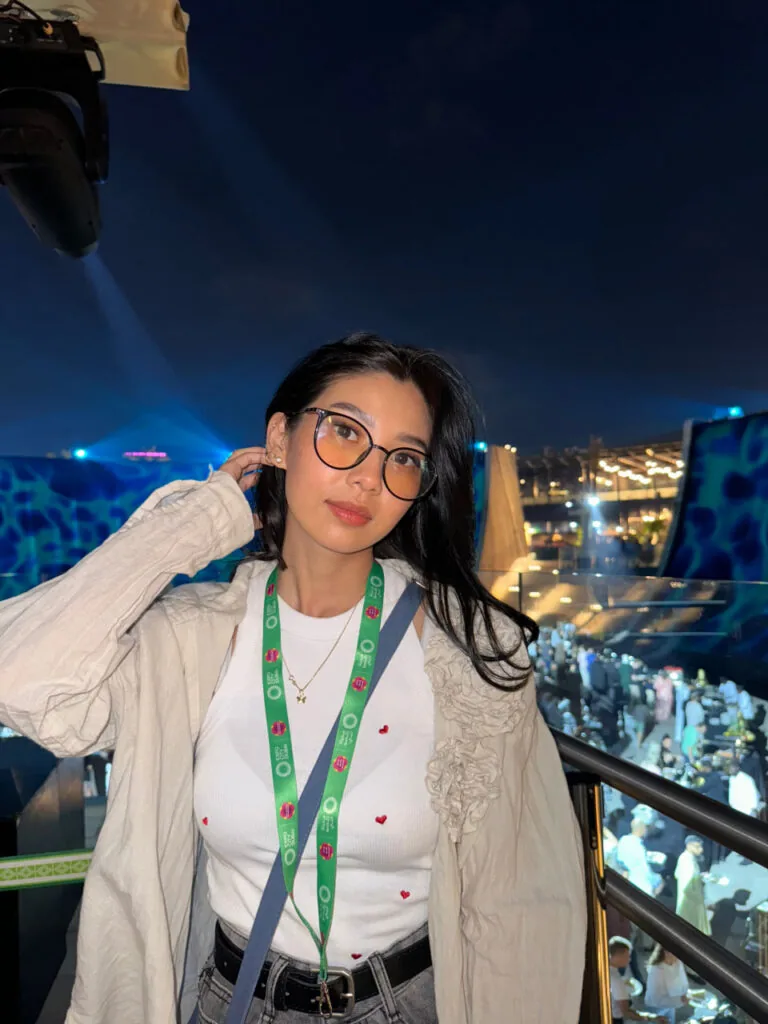
Despite existing stereotypes about IT as a closed male community, my personal experience at MBANK has been exclusively positive. Currently, I am the only woman in the development team, but this does not hinder our communication at all. At MProfi, I feel comfortable and on the same wavelength as the guys. Even if complex technical nuances arise that I need to understand, the team always openly supports me and is willing to help with everything.
Barriers for women in IT
In my opinion, one of the non-obvious but significant difficulties is the existence of established informal communities. In the IT industry, it has historically become common for many important ideas, mentorship, and even career decisions to be discussed in narrow male circles outside the workplace. It can be harder for women to enter this information field and build similar trusting horizontal connections, which often help in advancement. Against this background, natural anxiety — the “imposter syndrome” — sometimes arises, which is much easier to overcome when you see inspiring examples of female leaders.
Additionally, an important aspect remains the art of balance: how to maintain genuine engagement at work while staying true to your personal and family values. This is a delicate adjustment of one’s life that sometimes requires more emotional resources than programming or analytics. But it is precisely the ability to find this balance that makes our professional experience truly deep and valuable.
Advice for those just starting their journey
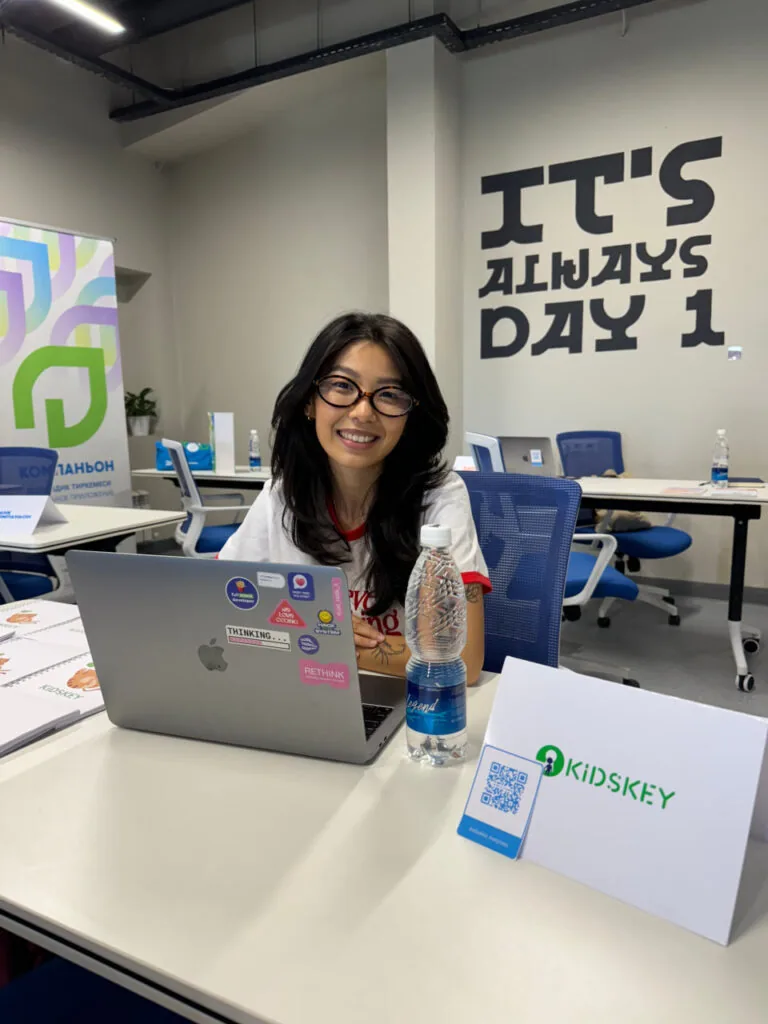
To those just starting their journey, I advise not to be afraid to start small. Do not be ashamed of internships or entry-level positions — we all go through this path, and it is a necessary stage to gain real experience and apply our knowledge in large companies in the future.
Be proactive and do not be afraid to ask even the simplest questions, as this is the shortest path to knowledge. Pay attention to developing soft skills: the ability to listen to colleagues and work in a team is valued no less than professional skills.
And most importantly — view any difficulties as valuable experience that helps you grow and become better every day!
The Tech on Telegram Follow The Tech on Telegram
Keep up with the latest technology and startup news.
Related reading






More from this author

Article Useful
How to protect your accounts from hacking: 8 settings you should check today
The Tech

Article Useful
500 Global: How the Accelerator Works and Who Can Receive Investments
The Tech

Article Interviews
Game Development in Central Asia: Arkady Moldavski on Developing Reverb and the Growth of the Industry
The Tech

Article Useful
Google, Tesla, BlackRock, and the IMF: Where to Apply for an Internship in Fall 2026
The Tech

News IT
Tesla unveiled the flying electric car Roadster
The Tech

News IT
Intero Biosystems startup won the Startup Battlefield at TechCrunch Disrupt 2026
The Tech