WomenInTech. How girls from Central Asia overcome stereotypes and build global projects
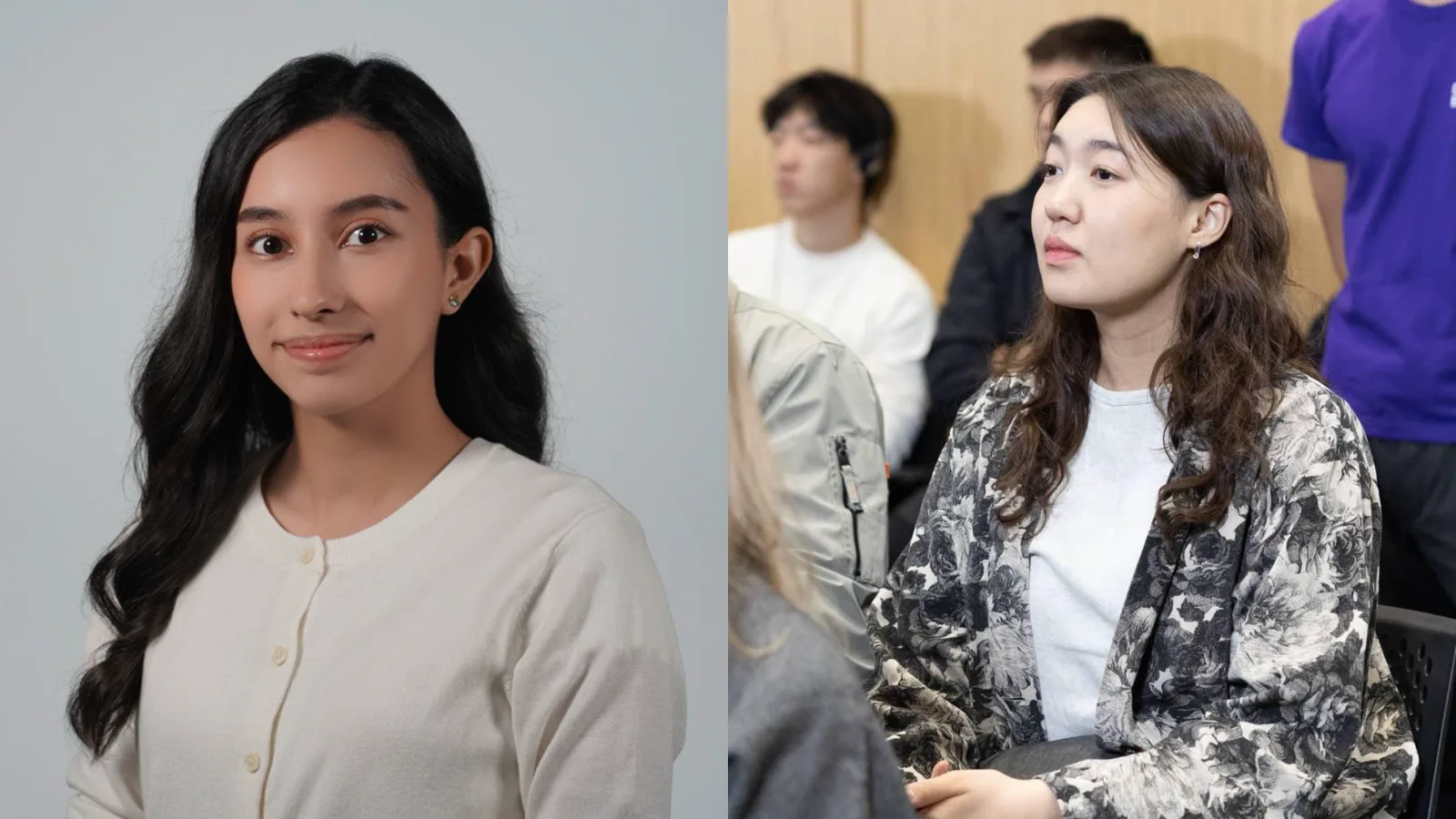
Women from Uzbekistan and Kazakhstan share their experiences building careers in IT and high-tech industries. They discussed overcoming stereotypes, the importance of curiosity, continuous learning, and self-confidence, as well as how mentorship support and participation in accelerator programs help them develop and implement innovative projects on an international level. Read more in the interview.
Sevara Tokhtaeva, City — Tashkent, Product Line Manager at Applied Materials, LinkedIn
About Me
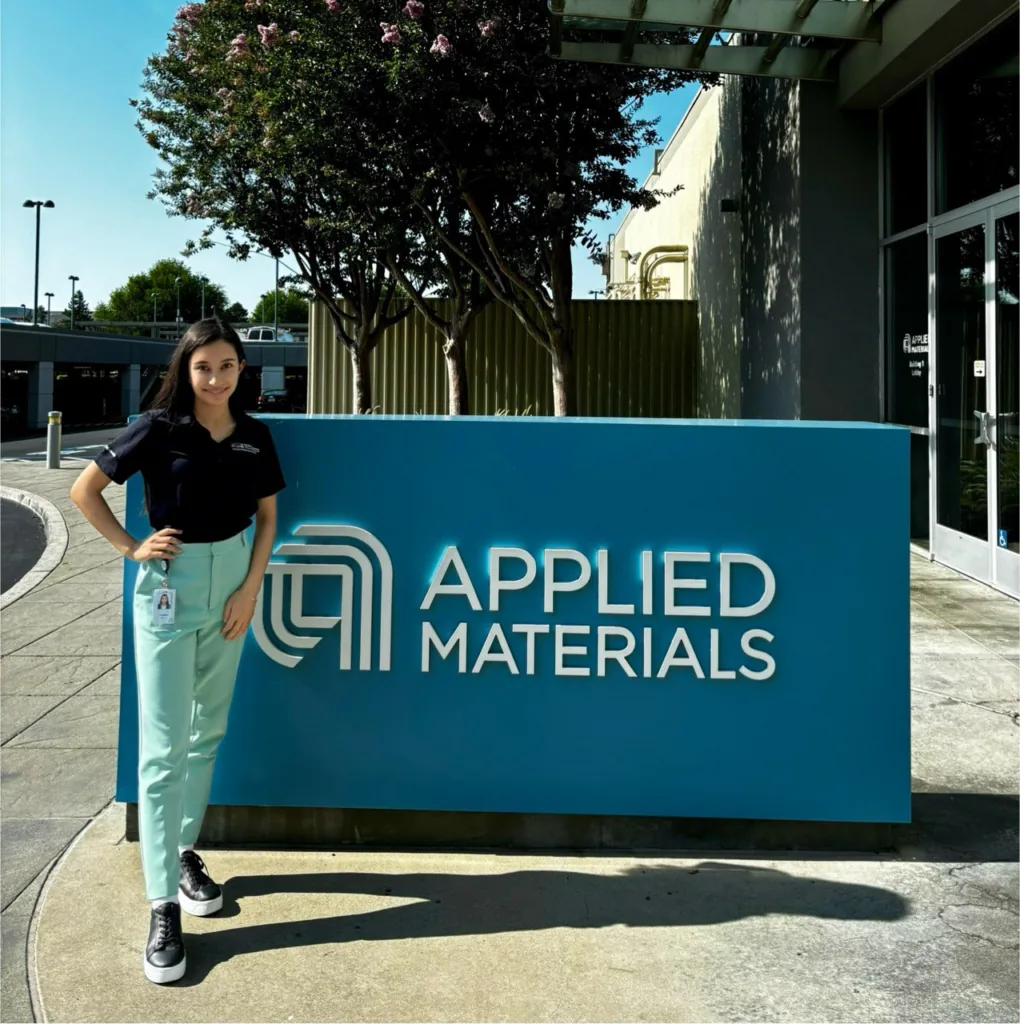
I work at Applied Materials as a Product Line Manager.
My academic journey began with earning a Bachelor of Science with honors in Economics and Finance from the University of Westminster. After completing my bachelor’s degree, I started my career at Deloitte as an auditor, where I built a strong foundation in analytical thinking, financial analysis, and understanding complex business processes.
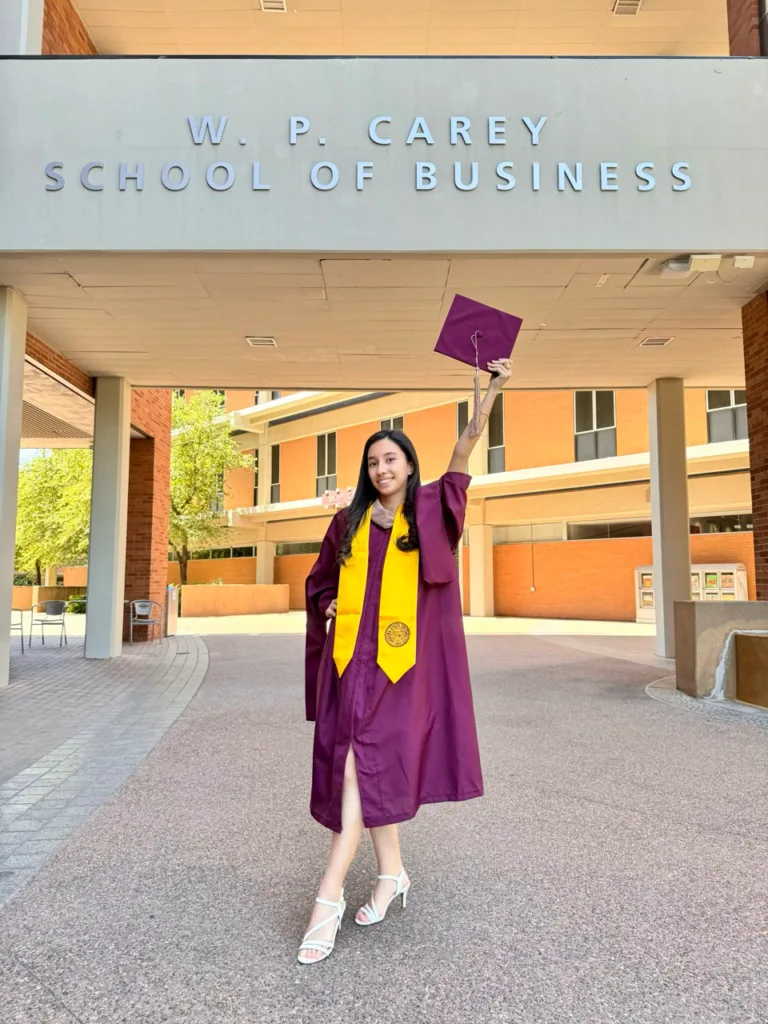
About a year later, I made a strategic decision to accelerate my professional development and applied to leading MBA programs worldwide. I was accepted into eight MBA programs and offered over $500,000 in scholarships. In my final choice, I considered Arizona State University and the University of Oxford.
In 2022, I began a full-time MBA program at the W.P. Carey School of Business at Arizona State University on a full scholarship. This decision proved to be the right one: the program equipped me with strong leadership skills, strategic thinking, and business management capabilities leveraging technology. After completing my MBA, I joined Applied Materials, where I now work in a high-tech global environment.
How I Entered the IT Profession
My transition into the technology sector was intentional and gradual. I entered the tech field through business, analytics, and data-driven decision-making. Even at Deloitte, I worked closely with systems, data, and structured processes that required strong analytical and technological understanding.
During my MBA, I focused on technology-based business models, digital transformation, data analytics, and product-oriented strategy. This allowed me to position myself at the intersection of business, technology, and innovation.
Currently, working at Applied Materials, I operate in a high-tech environment and interact with engineers, product managers, and other specialists. For me, technology is not just about programming; it is also about leveraging technology to scale impact, drive innovation, and solve complex business challenges.
On Stereotypes
I wouldn’t say I encountered stereotypes in a negative sense, but I did face strong assumptions about what people with certain backgrounds or timelines could realistically achieve.
One such assumption involved non-traditional career paths. Because I was involved in professional sports, there was sometimes an underlying belief that athletes cannot simultaneously excel in academics or successfully transition into demanding, technology-oriented professions. Another assumption related to timing—when I applied to MBA programs after just one year of work experience, many considered it “too early” to be competitive.
Instead of viewing these assumptions as barriers, I focused on building a strong, well-rounded profile and moved forward when I felt ready. The results disproved these expectations: I was accepted into eight MBA programs with full scholarships, and later successfully transitioned into a high-tech international company.
What impressed me most was people’s reactions—many were genuinely surprised. This experience taught me that assumptions are often based on patterns rather than potential, and that results are the most effective way to change perceptions.
Barriers for Women in IT
From my experience, women in the technology sector often face challenges such as:
— persistent stereotypes that technology is primarily a male-dominated field
— imposter syndrome, even among highly qualified professionals
— the need to constantly prove their competence in technical and analytical areas.
I overcame these difficulties by focusing on:
1. Results and impact—letting measurable achievements speak for me
2. Continuous learning—staying up-to-date with rapidly evolving technologies
3. Strong mentors and supportive networks—people who encourage growth and help overcome limitations
4. Confidence and initiative—being proactive, taking ownership, and trusting my expertise.

Advice for Those Just Starting Their Journey
I would like to share a few important tips:
— Networking is crucial—it will open more doors than you think
— Do not let stereotypes or others’ opinions define your potential,
— Keep learning
— Surround yourself with people who support your growth
— Believe in yourself, even if others do not. Sometimes this belief alone can completely change your career trajectory.
And finally, the most important advice I wish I had heard myself, I want to say clearly: whatever passion or dream you carry inside—whether it is to become a doctor, actor, singer, entrepreneur, space engineer, or technology specialist—go for it.
Even if it seems unrealistic and crazy to others. Even if the goal seems distant today. Stay true to your dream. It is possible.
Dina Kalibekova, City — Almaty, Product Manager, Instagram, LinkedIn
About Me
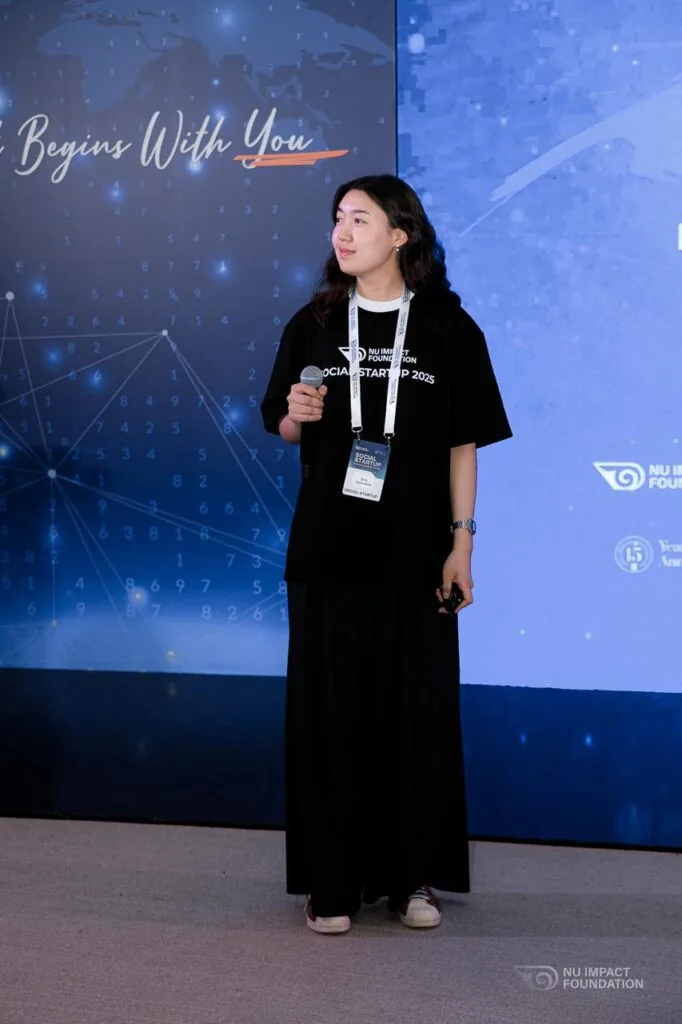
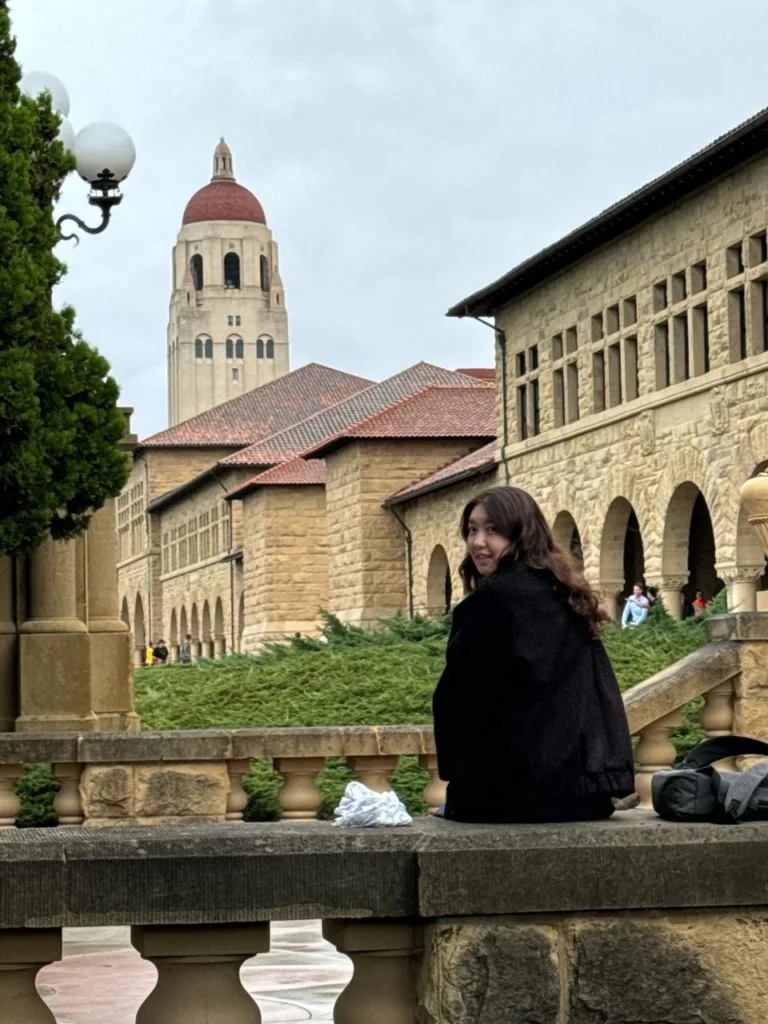
I am currently in my final year at Nazarbayev University, majoring in Mathematics. Exact sciences have attracted me since childhood, and the IT field has gradually become not just an interest, but a professional direction in which I continue to develop.
Currently, I work at the HealthTech startup Rette as a Product Manager.
Beyond my studies, I have been actively involved in the university’s social life: I served as a mentor, led a student club, and organized charitable events.
How I Entered the IT Profession
My professional journey began in my first year of university. At that time, I did not have a clear plan, but I had a strong desire to try new things and find my path.
One of the first significant steps was an internship at Mastercard, where I worked on the Women Leadership in Kazakhstan initiative. We developed our own projects, presented them, and learned to think structurally. This experience was important for me not only as an achievement but also as an internal compass: for the first time, I felt an interest in product logic—how an idea turns into a solution, and a solution into value for people.
Later, I interned at Astana Hub and participated in organizing Digital Bridge. This experience strengthened my organizational skills and taught me to make quick decisions in a dynamic environment.
The next important step was participating in the “Development of Creative Industries in Kazakhstan’s Regions” project with UNDP Kazakhstan. For me, this was a special moment—in a way, I fulfilled my childhood dream of working within the UN system. It was then that I clearly realized that what matters to me is not just building a career, but participating in projects that bring benefit and have social significance.
Gradually, my interest shifted more toward IT. I joined the Rette startup during its product formation stage. The team was small, and each of us was involved in all processes—from communicating with doctors to testing hypotheses. This was a very intense and valuable period. It taught me flexibility, the ability to adapt quickly, and take responsibility in uncertain conditions.
Over time, I focused on product strategy, and the team supported me at every stage of my growth. Currently, I work closely with developers, designers, and clients. It is important for me to understand not only the current solution but also the overall product vision: how the roadmap is formed, how priorities are set, and how solutions can be scaled.
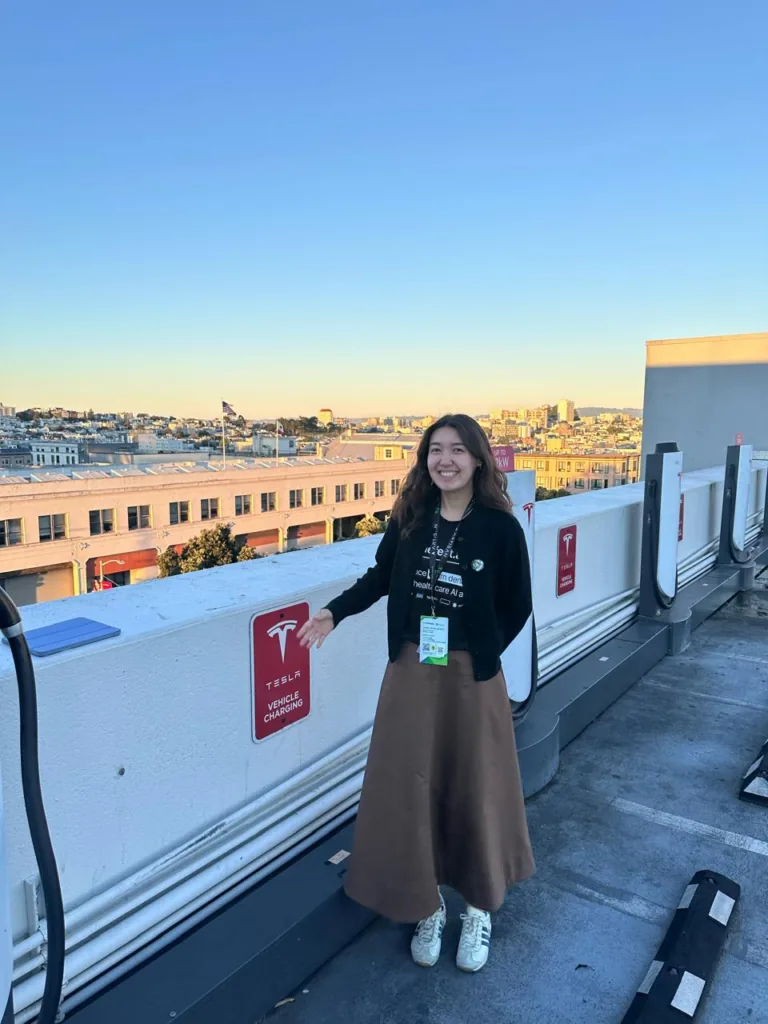
As part of the startup’s development, I had the opportunity to visit Silicon Valley in the United States, where we participated in various accelerator programs and presented our product at the international TechCrunch Disrupt 2025 forum. This experience was particularly valuable for me.
Being in an environment where global tech companies are formed, I saw how products are created that truly simplify people’s lives and solve global problems. I realized that scale is less about geography and more about mindset and the courage to think bigger.
Today, IT is a space for growth and opportunities for me. It is an environment where one can combine technical skills, creativity, and the desire to make a difference.
On Stereotypes
There are still various perceptions about what a “typical” IT specialist should look like. But in practice, everything is different: in the professional environment, competencies, mindset, and accountability for results remain decisive—regardless of age and gender.
It is important to note how actively the women’s community in IT is growing today. It is becoming more visible, open, and supportive. There is more frequent exchange of experience, mentorship, and a genuine desire to help each other grow.
Barriers for Women in IT
One of the less visible but tangible factors influencing women’s professional paths in technical fields remains self-imposed strictness. There is often a belief that one can only step into a new role when fully meeting all expectations and criteria.
If even one skill seems underdeveloped, there is a desire to postpone the next step—“until fully ready.” Over time, this mindset can become a limiting mechanism: the pursuit of perfection begins to outpace the realistic assessment of one’s own capabilities and restricts initiative, even when there is an objective professional foundation.
Advice for Those Just Starting Their Journey
The most important thing is to maintain interest, stay flexible, and not wait for the perfect moment. You do not need to be fully ready to take the first step. Experience comes through the process—through tasks, mistakes, and new challenges.
Do not be afraid to try different roles. We currently have the time to explore, change directions, and find what truly resonates with us. Sometimes unexpected experiences help us understand ourselves better.
Be curious. Ask questions, even if they seem simple. Dive deeper than required. It is the interest in how things work that helps you grow faster.
And it is important to understand why you are doing this. When there is meaning, there is energy to keep moving forward.
Everything starts with interest and a willingness to learn. The rest comes with time.
The Tech on Telegram Follow The Tech on Telegram
Keep up with the latest technology and startup news.
Related reading






More from this author

Article Useful
How to protect your accounts from hacking: 8 settings you should check today
The Tech

Article Useful
500 Global: How the Accelerator Works and Who Can Receive Investments
The Tech

Article Interviews
Game Development in Central Asia: Arkady Moldavski on Developing Reverb and the Growth of the Industry
The Tech

Article Useful
Google, Tesla, BlackRock, and the IMF: Where to Apply for an Internship in Fall 2026
The Tech

News IT
Tesla unveiled the flying electric car Roadster
The Tech

News IT
Intero Biosystems startup won the Startup Battlefield at TechCrunch Disrupt 2026
The Tech