WomenInTech. Stories of female founders who are changing the rules of the game in IT

Female entrepreneurs shared how they turn ideas into profitable startups, overcoming stereotypes, managing teams, and building businesses through systems and data. Read more in our article.
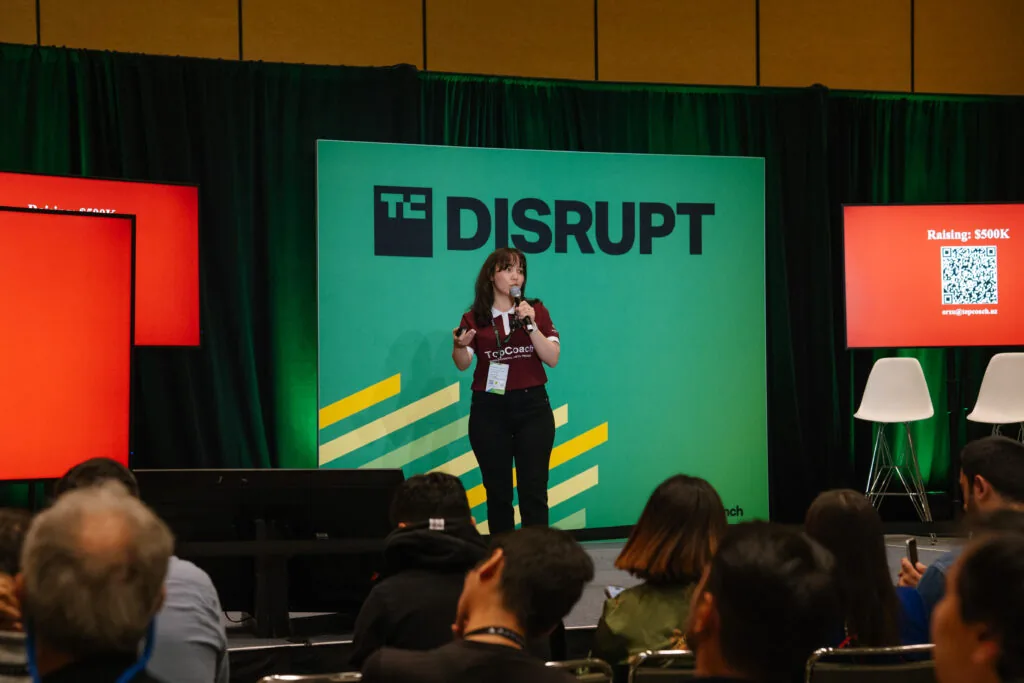
Orzughul Goyibova, City — Bukhara, Founder & CEO at TopCoach, LinkedIn
About Me
I am the founder and CEO of TopCoach, an AI-based mentoring platform that helps high school students prepare competitive applications to leading universities worldwide. Our mission is to make high-quality guidance accessible by combining technology with mentor experience.
Currently, I am in Silicon Valley participating in the Hero Training Program at Draper University—an intensive entrepreneurship program founded by Tim Draper. This experience helps me strengthen my leadership skills and expand my understanding of how to scale products with social or educational impact.
My journey began with a strong desire to study abroad. I applied to university for two consecutive years and received rejections each time. There was no reliable mentoring, online information was inconsistent, and consulting services were financially out of reach.
After several years of self-preparation, I was accepted into the University of Bristol, one of the top 50 universities in the world, where I studied on a full EYUF scholarship. While completing my studies, I helped other students with their applications and saw how many faced similar difficulties.
After returning home, I started conducting Top100 summer camps, where mentors guide students through an intensive week-long program. Our participants have since been accepted into Harvard University, NYU, Carnegie Mellon, Duke Kunshan, and other leading universities.
This experience showed how transformative structured support can be. This led to the creation of TopCoach—a comprehensive admissions support platform that connects students with qualified mentors and guides them through every stage of their university journey—from program selection to application preparation. The platform also provides school counselors with an integrated dashboard that allows them to track each student’s progress, identify issues early, and provide timely personalized support.
Today, I lead a team of 15 specialists in product development, AI, operations, and student support to ensure the platform’s reliability, scalability, and high quality.

How I entered the IT profession
My path into IT was a natural extension of the mission I wanted to realize. One-on-one mentoring is effective but difficult to scale.
To make high-quality admissions support globally accessible, technology had to play a central role. Creating a platform that integrates AI, data, and structured mentoring naturally led me into the tech sector.
On Stereotypes
I grew up in Central Asia, where women are often expected to prioritize family, avoid risks, and stay away from fields like entrepreneurship and technology. These norms can influence how women perceive their career choices and opportunities.
What helped me move forward was the support of my family and team, as well as a clear understanding of the goals I wanted to achieve.
Barriers for Women in IT
Many women hesitate to take risks because society encourages them to seek stability from an early age. There is also a widespread belief that IT is only for men or that it is exclusively about coding. In reality, managing a tech company requires strategic thinking, vision, communication, and problem-solving skills that are not related to writing code.
In my case, determination and perseverance played a crucial role. I am willing to take risks, persistent in achieving goals, and view challenges as opportunities for growth rather than barriers.

Recommendations for Those Just Starting Out
In any field, whether IT or another industry, do not wait for perfect conditions—they almost never appear. Start, experiment, and be ready to learn along the way. Do not be afraid of failure; it often provides lessons that become the foundation for future success.
And most importantly, engage in work that solves real problems and brings value to people. Purpose-driven work creates motivation, clarity, and long-term resilience.
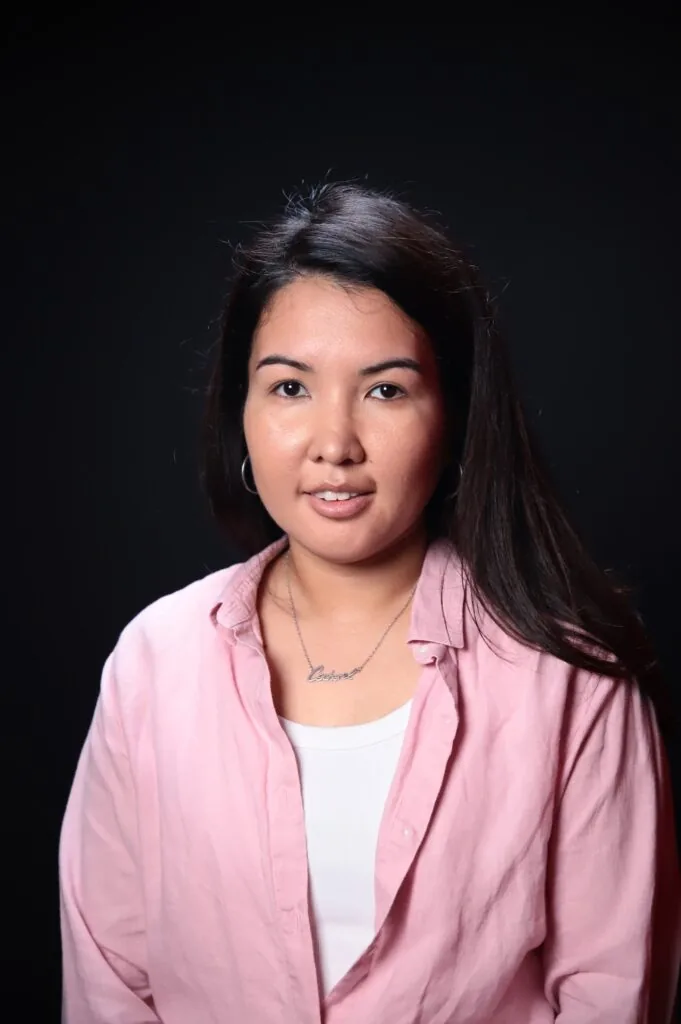
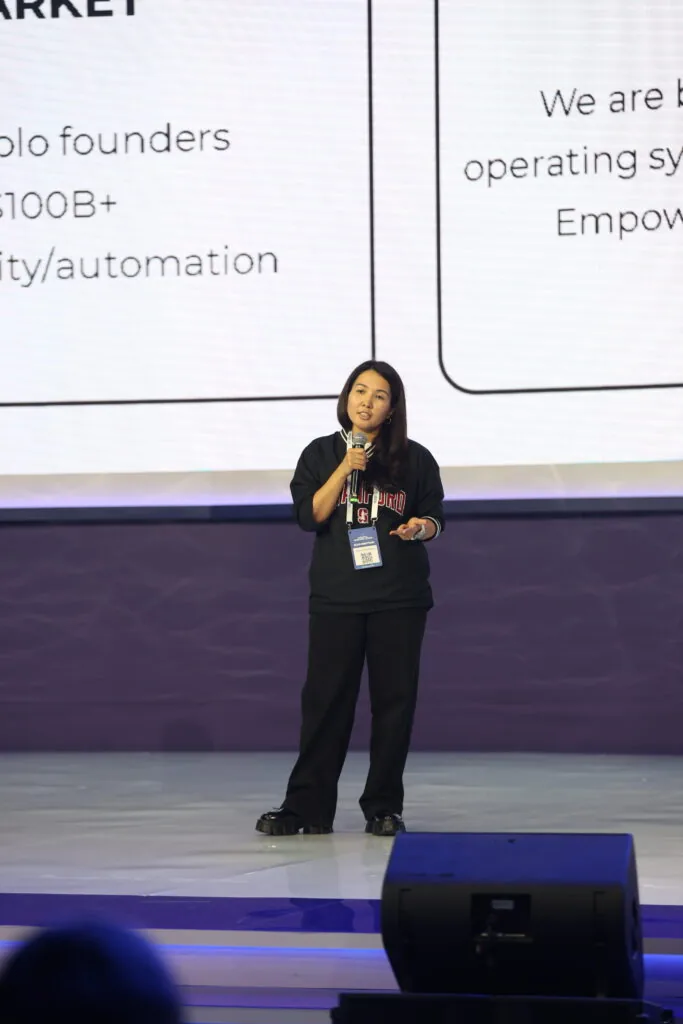
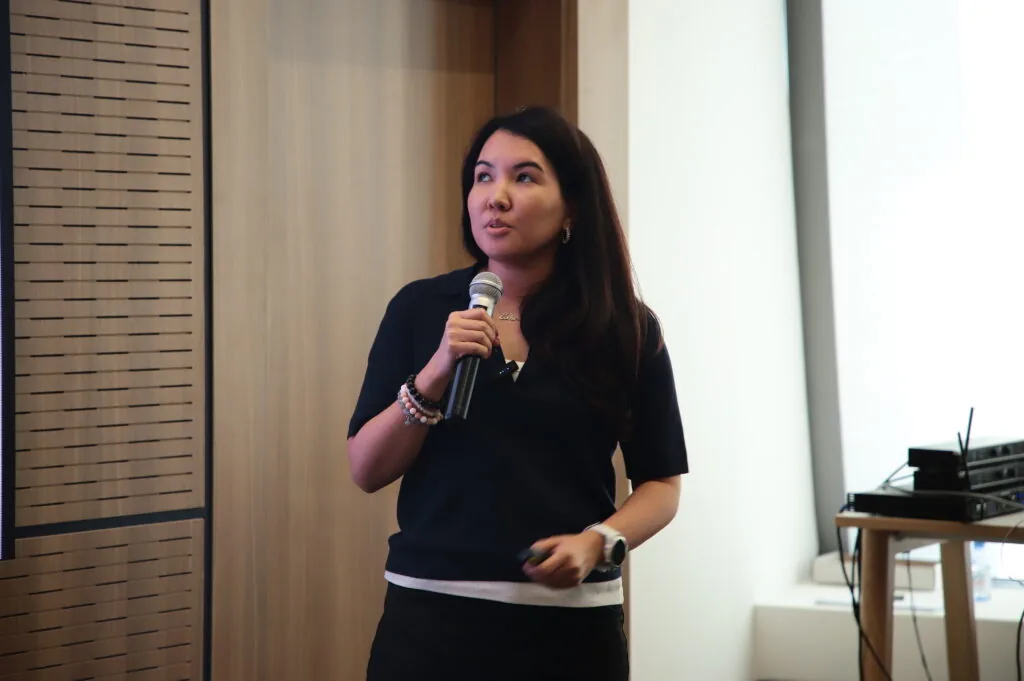
Aigerim Nurgaliyeva, City — Astana, CEO @Stiker.ai, CEO @Supermeastana, Instagram
About Me
I am an entrepreneur, co-founder, and CEO of Stiker.ai. My practical experience lies at the intersection of HR and Customer Experience. I began working in HR at Samruk-Kazyna after the Bolashak program, have over 12 years of experience in the B2C beauty salon chain Superme, and launched my first startup, Flowsell.me—a B2B/B2C SaaS for retention with ARR of $1 million across 70 countries.
Today, I am developing the startup Stiker.ai as an AI-native C2C SaaS and operating system for solo service providers, self-employed individuals, and micro-teams: enabling one specialist to operate like a mini-team without losing clients due to communication chaos and manual processes. Stiker is integrated into your messenger, calendar, and payment system—for Kazakhstan, this is Kaspi, and for the US, it is Stripe—and manages your client base and in-chat CRM directly from your chats.
How I entered the IT profession
My career path did not start in IT. It began with real business, where everything is validated by financial metrics and customers. I opened my first salon with the TONI&GUY brand in 2013.
I obtained a degree in finance and marketing, graduating with a bachelor’s from KIMEP in 2008, and then earned a master’s degree in HR and psychology from Aston University in the UK in 2009.
My professional journey spans over 12 years of experience in B2C services, HR, and customer experience. I managed a network of beauty salons and the SUPERME academy, formerly known as TONI&GUY, and for over five years developed B2B SaaS projects, focusing on customer retention through the FLOWSELL platform. Additionally, I handled the distribution of 12 beauty brands for the Zolotoye Yabloko network. At the start of my journey in 2013–2014, I faced real business challenges: lack of savings, a consumer loan of 7 million tenge at 24% interest, cash flow gaps, debts, traffic issues, incorrect service pricing, and even legal disputes. This experience taught me to build businesses through systems and numbers, not just enthusiasm.
I entered IT from practice: as a business grows, it always hits a wall of repetitive operations and communications. If these are not automated, scaling turns into founder burnout and “manual management.”
My key turning point came when I stopped doing everything myself and gave the team the right to test and make mistakes: the team tested over 100 hypotheses and brought the business to operational profitability in the second month of operation.
Current results in numbers:
— Over 3,000 clients operate using our algorithms in 70 countries; I sold the startup to my partner to focus on developing Stiker.ai
— Our AI solutions return up to +50% in sales to businesses
— The team operates without my micromanagement; I have no personal tasks.
On Stereotypes
In reality, stereotypes are more about “How you look” and “Which industry you come from” than about what you can do.
My way of challenging stereotypes is the most boring and the most effective: results, metrics, product, repeatable systems.
Barriers for Women in IT
I see four most common barriers.
1. “I’m not ready yet”
Women often step into roles only when they are “120% ready.” In technology, this slows growth. What helped me: moving forward through action and iterations, not perfection.
2. Double standards in leadership
The same style is perceived as confidence in a man, but as “difficult” in a woman. Solution: document agreements, speak the language of numbers, results, and deadlines.
3. Overload and burnout
Fact: in 2023, I managed up to 15 projects simultaneously and burned out. After restructuring processes, the team closed key tasks, and I gained time for strategy and new markets.
On top of that, there is work + family + household + emotional load. Solution: delegation, rules, calendar, and processes.
4. Psychological resilience as a KPI
Decisions are often made “in circles.” Being determines consciousness.
Solution: build your own circle: community, expertise, public presence, and partnerships.
After a difficult personal crisis, I engaged a psychological profiler, mentors, coaches, and a personal productivity tracker. Result: the business is growing, the team is engaged, I am not burning out, and I am thinking about scaling the system.
Recommendations for Those Just Starting Out
- Making mistakes on the go is better than standing still perfectly. Decisions create movement.
- A 48-hour prototype is more important than a platform built over six months.
- Think in cycles: metrics → feedback → kill/scale.
- 1 hypothesis = 1 week = 10 live tests.
- Automate the repetitive to scale the unique.
- Protect your resilience: “business isn’t flying” ≠ “I’m not okay.” Separate yourself from your business.
The Tech on Telegram Follow The Tech on Telegram
Keep up with the latest technology and startup news.
Related reading






More from this author

Article Useful
How to protect your accounts from hacking: 8 settings you should check today
The Tech

Article Useful
500 Global: How the Accelerator Works and Who Can Receive Investments
The Tech

Article Interviews
Game Development in Central Asia: Arkady Moldavski on Developing Reverb and the Growth of the Industry
The Tech

Article Useful
Google, Tesla, BlackRock, and the IMF: Where to Apply for an Internship in Fall 2026
The Tech

News IT
Tesla unveiled the flying electric car Roadster
The Tech

News IT
Intero Biosystems startup won the Startup Battlefield at TechCrunch Disrupt 2026
The Tech