The billion-dollar question: why do celebrities become venture capitalists?
Author The Tech Elmira Obri in this article explores a new phenomenon in the venture market: why celebrities—from Hollywood actors to world-class athletes—are increasingly moving from advertising contracts to venture investments, how AI is changing the logic of capital allocation, and why influence today has become a full-fledged investment currency.
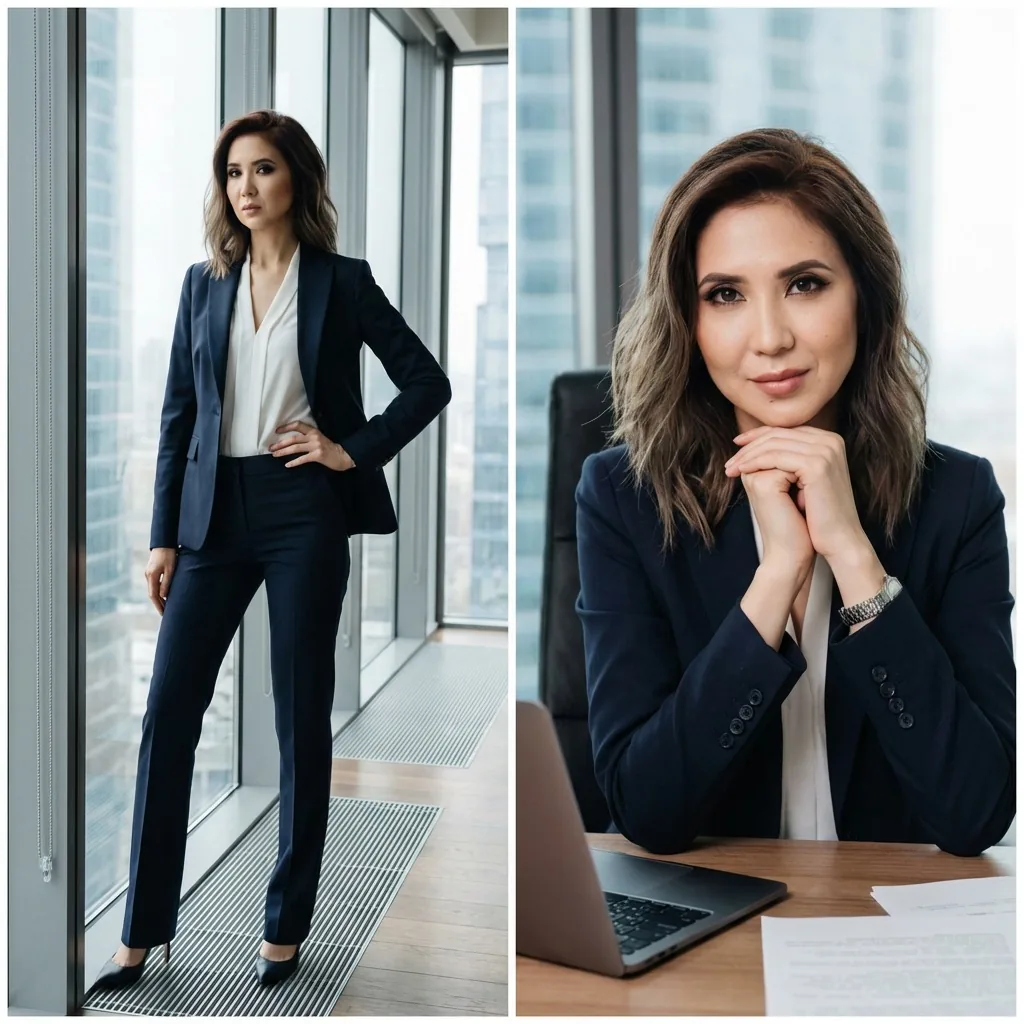
Elmira Obry, city — Almaty, founder of Foody AI, Instagram , LinkedIn
Technologies are rapidly transforming entire industries — finance, media, healthcare, retail, telecom, transportation, and communications. And although, according to Marc Andreessen, “the real artificial intelligence boom has not even begun yet,” — AI has already significantly changed the economic landscape, aiming at the very logic of capital allocation.
And when capital shifts, behavior changes too.
The HNWI and UHNWI market is undergoing a structural shift. “Money talks,” and today it speaks not only through institutional players but also through recognizable voices of show business stars. Even celebrities no longer limit themselves to the roles of ambassadors or brand creators: they are becoming venture investors, mastering portfolio logic, asymmetric bets, and long-term capital management discipline.
New trends are being born not only and not so much on Wall Street, but in the very center of the illusion industry, conquering and changing Hollywood itself and global sports arenas.
“Influence is currency,” even in the world of venture capital.
One of the most obvious signals that AI has entered mainstream culture is the growing number of public figures transitioning from advertising contracts to venture investments. They rarely invest in chips, hardware, or cloud infrastructure, but are actively trying their hand in the consumer niche.
They invest in technologies that shape culture and in tools that change how people live, eat, create, heal, communicate, and feel a sense of belonging.
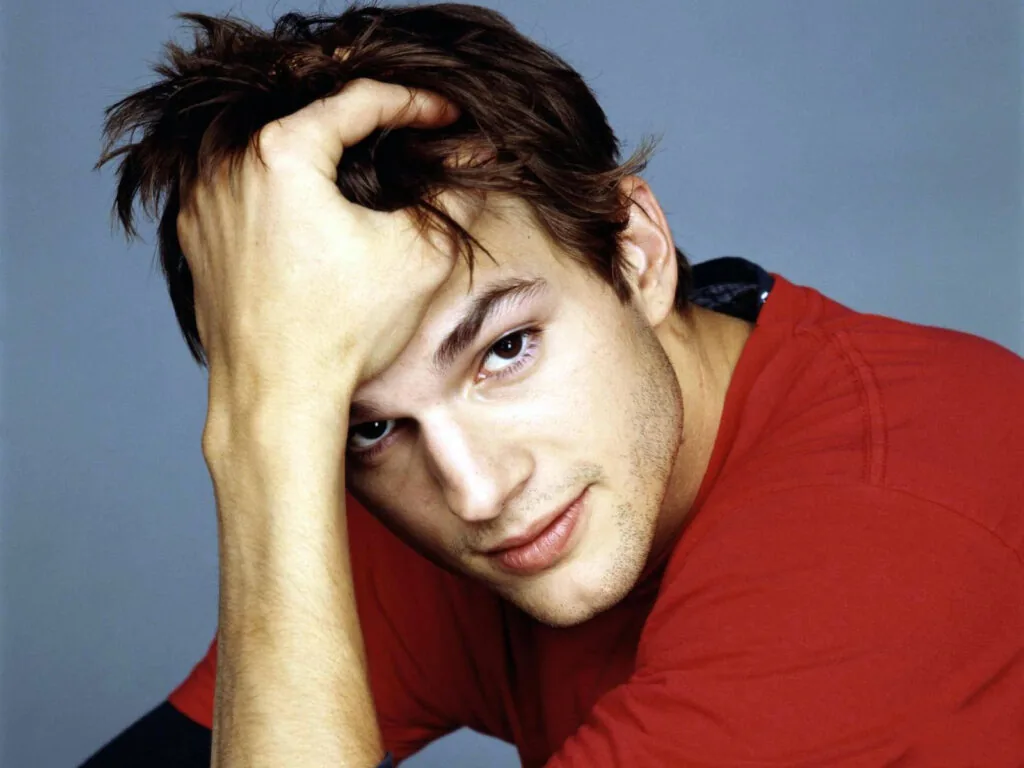
Ashton Kutcher — from sitcoms to Silicon Valley architect
Kutcher is not just a “star next to technology.” He is one of the first “star” investors in the tech sector.
Through A-Grade Investments and Sound Ventures, he invested in Airbnb, Uber, Skype, Spotify, and Guardant Health long before they became mass-market brands.
Today, he actively invests in AI, longevity, and health tech. Recently, together with Guy Oseary, he launched a $240 million AI fund focused on agent ecosystems and AI-native consumer platforms.
His thesis is simple: “AI will change everyday behavior. That is where real scale emerges.”
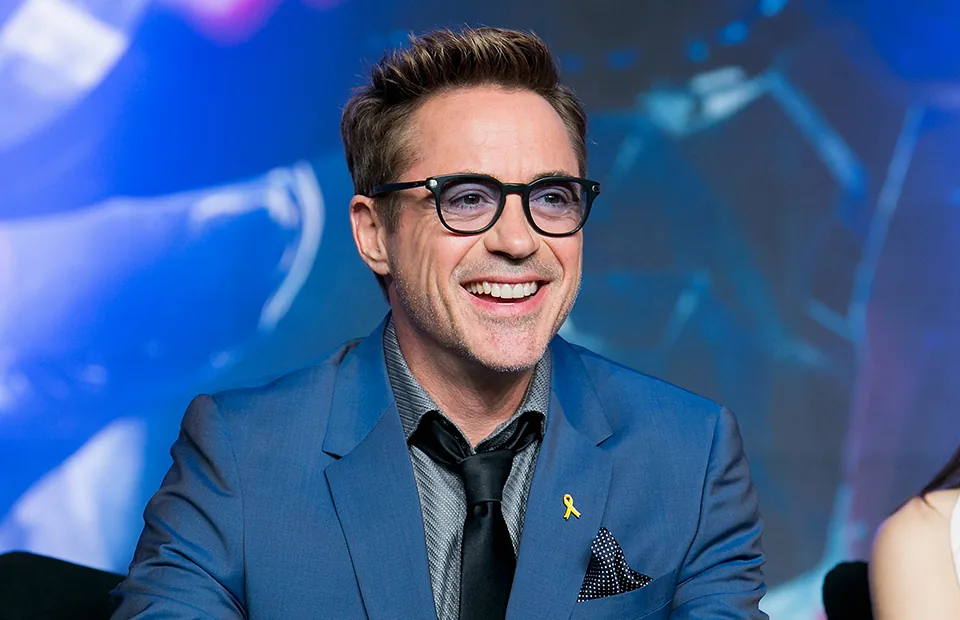
Robert Downey Jr. — robotics, climate, and regenerative technologies
Downey transformed his “Marvel” influence capital into an investment platform, FootPrint Coalition, focusing on sustainable materials, robotics, and AI-based climate technologies.
Among real cases are companies like CarbonCure, RWDC, and AspiraDAC, working on the decarbonization of industries.
He shows that celebrity capital can accelerate not only apps but also DeepTech.
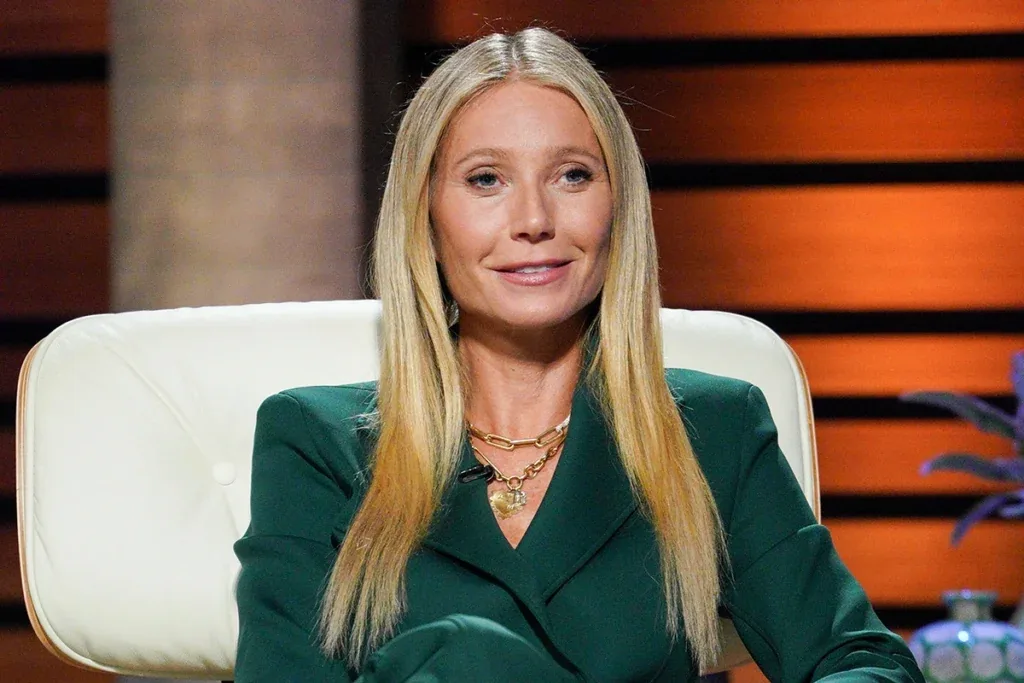
Gwyneth Paltrow — the technological voice of the wellness economy
Through personal investments, Paltrow supports platforms for women’s health, hormonal diagnostics, telemedicine, and digital well-being, as well as Web3.
Her influence helped bring health tech and preventive wellness into the mainstream discourse — something traditional medicine struggled with for a long time. And there are more and more such investors.
Gwyneth Paltrow actively invests in startups, focusing on the wellness industry, organic cosmetics, eco-friendly consumer goods, and technologies, including Web3, since 2021 through her fund Kinship Ventures, which invests from $500,000 to $3 million in early-stage companies. Key investments include her own brand Goop, Juice Beauty, Universal Standard, Outdoor Voices, MoonPay, Wild, and Kudos.
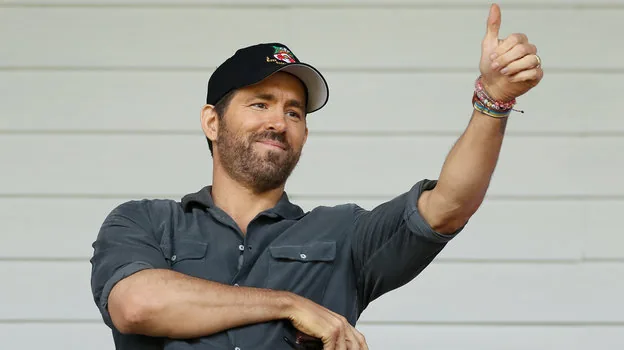
Ryan Reynolds — master of diversification
Reynolds doesn’t just invest — he rewrites the rules.
Through Maximum Effort, he scaled Mint Mobile using fast content, analytics, and cultural timing.
The sale of Mint Mobile to T-Mobile for $1.35 billion confirmed the working model: celebrity + technology + distribution = exponential growth. He also successfully invested in Mint Mobile — a virtual operator, MNTN — advertising technology, 1Password — a password manager, Wealthsimple — an investment platform, and Nuvei — payment technologies. In addition, his portfolio includes projects in sports business and FMCG.
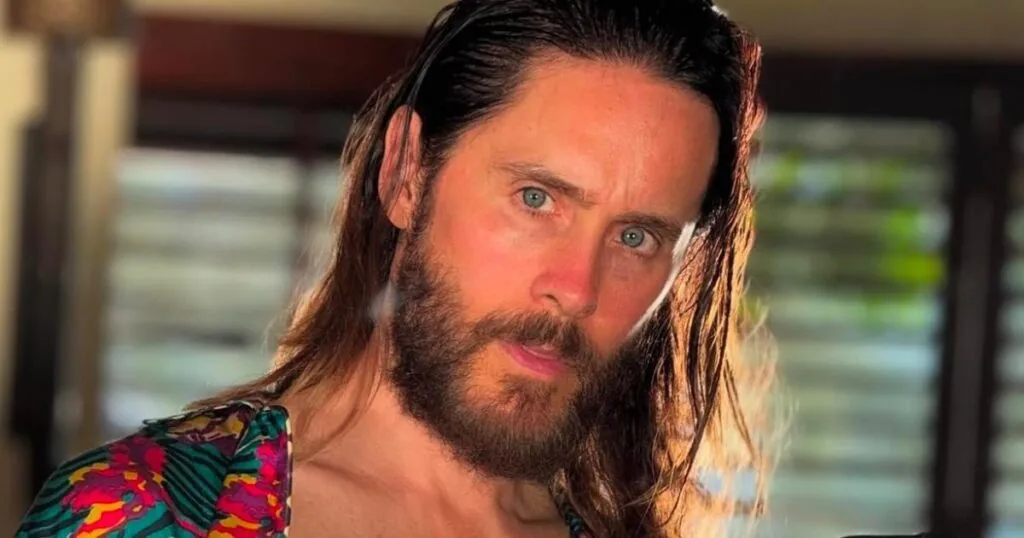
Jared Leto — from Hollywood to high-efficiency angel
Leto quietly built a reputation as a serious angel investor. Among his early investments are Uber, Airbnb, which went public, Calm — a unicorn, and Robinhood even before it entered the mainstream.
His focus is stable: consumer platforms, network effects, and mental health.
He has been investing since the early 2010s, mostly at the Seed and Series A stages, often alongside top funds and strong founder networks.
Among the most successful investments can also be counted Nest Labs, Spotify, and Reddit. He also invested in Zenefits, Meerkat, Slack, and the mental health service Modern Health, as well as the popular meditation app Headspace.
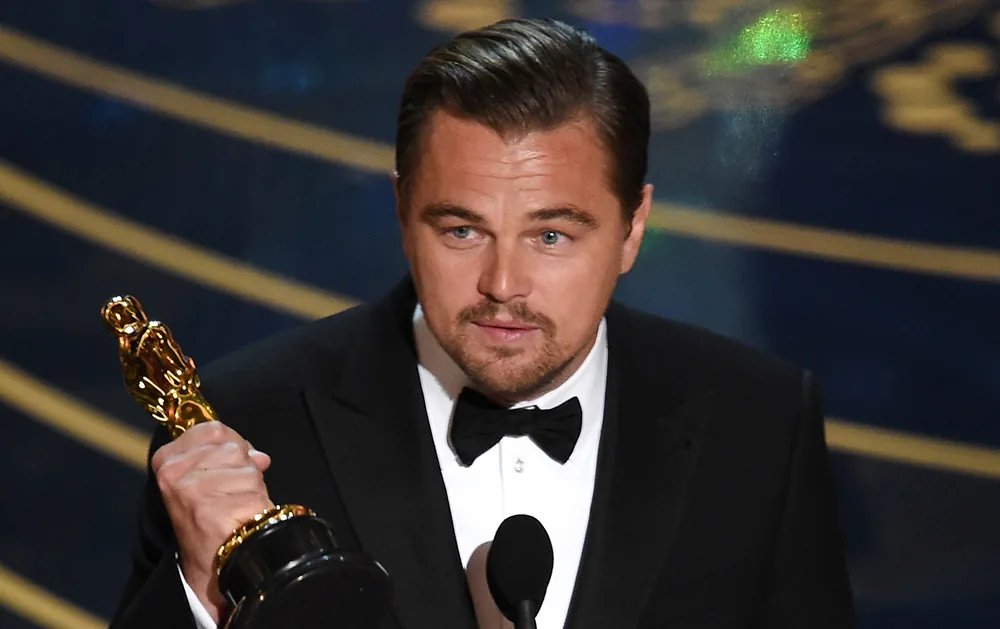
Leonardo DiCaprio — investor with a climate thesis
DiCaprio synchronizes capital with his environmental agenda. Among his investments are Beyond Meat, a company in the alternative meat sector, Califia Farms, a plant-based milk producer, Allbirds, an eco-friendly footwear brand, as well as a number of sustainable and climate projects. His strategy is built around climate innovations and ESG-oriented demand. In addition to capital, he brings attention and legitimacy, helping climate technologies transition to the mass market.
His portfolio also includes Aleph Farms and Mosa Meat, producers of lab-grown meat, VitroLabs, a developer of lab-grown leather, Diamond Foundry, a company producing synthetic diamonds, and LØCI, a vegan footwear brand.
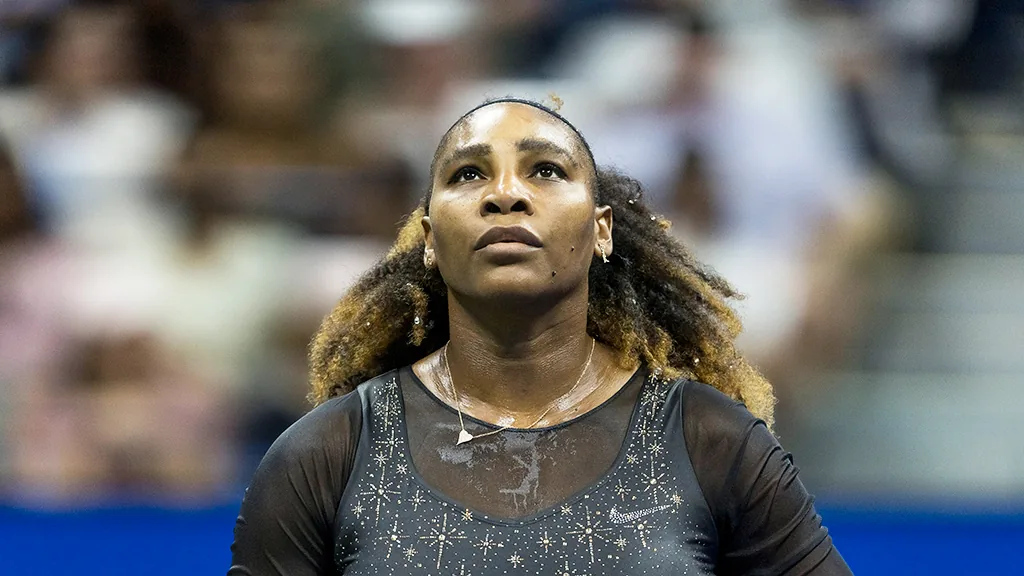
Serena Williams — Structured VC Strategy
Through the Serena Ventures fund, Serena Williams has built one of the most systematic investment platforms among celebrities. The fund has invested in more than 60 startups.
Her strategy is focused on early stages, especially in the consumer, health, fintech, and edtech segments. A separate priority of the portfolio is given to women- and minority-led companies. For this, she raised $111 million for her first fund. “This is not charity, but smart business,” she believes.
Serena manages not a “star portfolio,” but a thesis-oriented fund. Her approach is closer to institutional venture capital: discipline, diversification, and a bet on long-term behavioral trends. Like in sports, only in investments. In other words, she invests just as she built her sports career — systematically, strategically, and for the long term. Her portfolio includes 14+ unicorns. Among them are MasterClass, the online dating app Bumble, the weight-loss app Noom, the personnel assessment service Karat, as well as the talent search platform Andela, cryptocurrency projects Coinbase and Bitski, the fitness company Tonal, the supplement manufacturer Olly, and the developer of AI wigs Parfait.
Celebrities are transitioning from advertising to ownership stakes, from fees to equity, from image to portfolio thinking. Technology has become the infrastructure of life — and therefore, a point of attraction for long-term capital. Today, influence is no longer just social capital — it is an investment asset.
The main signal is not that stars have come to venture capital, but that venture capital has become part of pop culture in developed markets.
The next unicorns will be born where technology intersects with lifestyle, identity, and habits: AI, digital health, climate, and the creator economy.
The Tech on Telegram Follow The Tech on Telegram
Keep up with the latest technology and startup news.
Related reading






More from this author

Article Useful
How to protect your accounts from hacking: 8 settings you should check today
The Tech

Article Useful
500 Global: How the Accelerator Works and Who Can Receive Investments
The Tech

Article Interviews
Game Development in Central Asia: Arkady Moldavski on Developing Reverb and the Growth of the Industry
The Tech

Article Useful
Google, Tesla, BlackRock, and the IMF: Where to Apply for an Internship in Fall 2026
The Tech

News IT
Tesla unveiled the flying electric car Roadster
The Tech

News IT
Intero Biosystems startup won the Startup Battlefield at TechCrunch Disrupt 2026
The Tech