Uneet is a startup that bridges the digital divide between office and production staff.
Fatima Lazareva gave a detailed account of her startup Uneet, the challenges she had to overcome, and the company's achievements.

The Tech AI
Get the key points in seconds - a short summary from The Tech AI.
Fatima Lazareva (Astana, CEO of Uneet) created an HR platform to eliminate the digital divide between office and production staff in companies with 500+ employees. The startup passed the second stage of the NURIS incubator from 110 applications, won a VK Cloud grant, and conducted over 10 interviews. By the end of the year, it is planned to complete the basic functionality with biometrics, sign contracts with 3–4 companies, and attract Pre-seed investments.
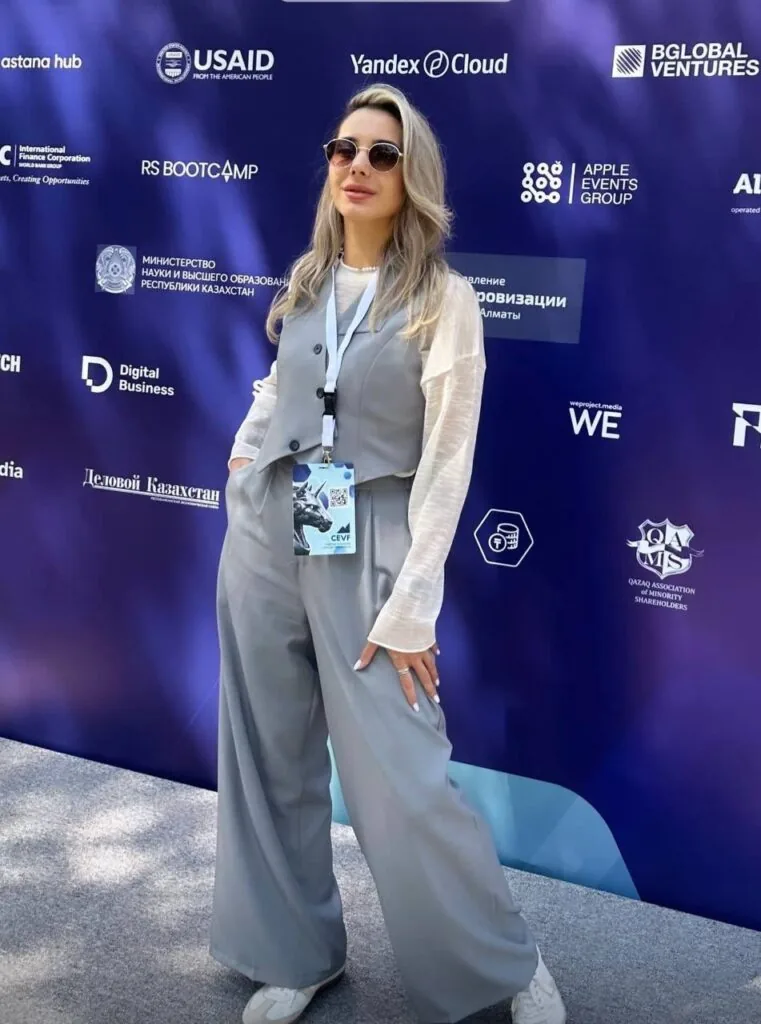
Fatima Lazareva, City — Astana, Project Manager, CEO
How It All Started
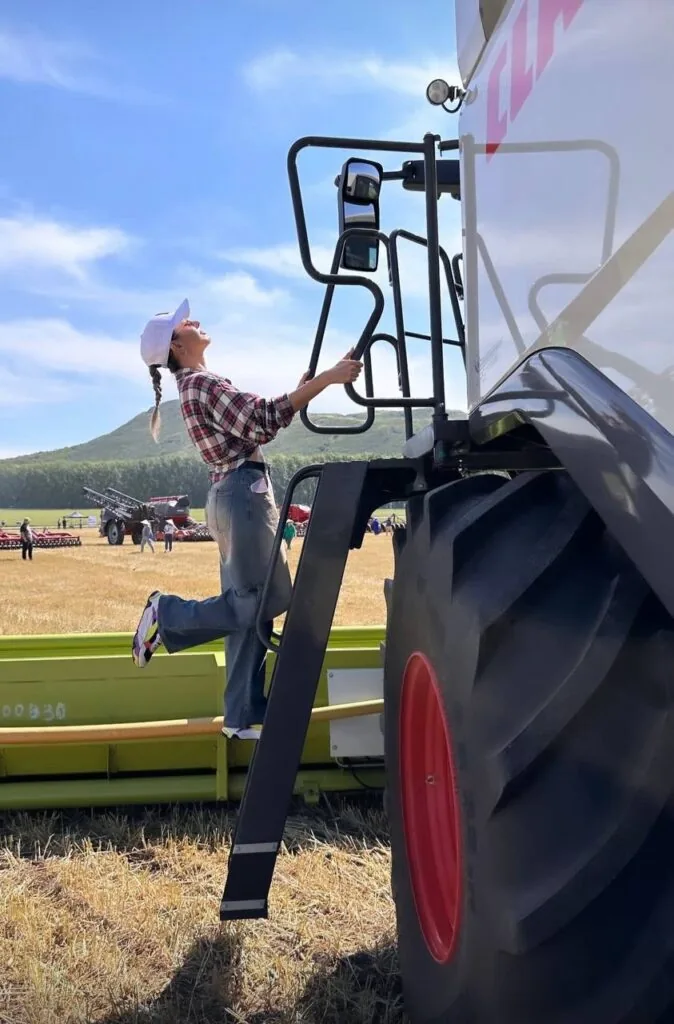
While working on digitalization projects across various industries, including an agro-holding, we noticed that digitalization primarily affects administrative staff. Meanwhile, production personnel, who are involved in the company’s key processes, are often left out or only minimally engaged. We identified this as digital inequality between office and production employees and recognized the vast potential for improving efficiency through better management of the people directly responsible for creating value. This issue deeply resonated with us, leading to the idea of creating Uneet—an HR platform that bridges this gap and makes digital solutions accessible to all employees, whether they work in the office or on the production floor.
Startup Launch
The launch of Uneet began with the realization that many production employees remain excluded from digital technologies that could simplify their work. We are a small team of passionate individuals who witnessed this problem firsthand. Our first step was conducting research within the agro-holding to understand which digital solutions would be most beneficial for on-site workers. Soon, an HR employee approached us with a request to create an employee onboarding application, but the budget was limited. We decided to develop an MVP during our free time, as the task seemed interesting. The team formed organically—proactive IT staff joined the project. Within two weeks, we built the product on a Low-code platform and presented it to the company’s management. After receiving positive feedback, we learned that while the product was well-received, it required a more technological approach. One manager saw its potential and suggested developing it as a startup.
Target Audience
Our startup is focused on medium and large manufacturing companies with 500+ employees that have already begun implementing digital transformation programs. These companies, like many others, have realized that digitalizing only management processes is insufficient for improving overall efficiency. We offer a solution that bridges the digital divide between office and production staff, thereby increasing employee engagement among those who directly create value for the company. This, in turn, contributes to profit growth, as there is a direct correlation between employee engagement and business success.
Currently, we are reengineering the platform and preparing initial pilot projects within our agro-holding. Simultaneously, we are negotiating with other manufacturing companies that fit our target segment.
Incubation Programs
We were selected among 25 startups from 110 applications to participate in the second stage of the NURIS incubation program. Even at the initial stage, we highly appreciated the quality of lectures and seminars conducted by leading experts. This not only helps refine our product but also deepens our understanding of how to effectively scale the business and enter new markets.
Infrastructure funding is covered by the VK Cloud grant we won, which covers the main expenses. We are developing the product in-house and have not yet attracted external investments.
We also participated in an online pitch on The Tech’s Telegram channel, where we were able to present our project and receive valuable feedback from experts.
Challenges
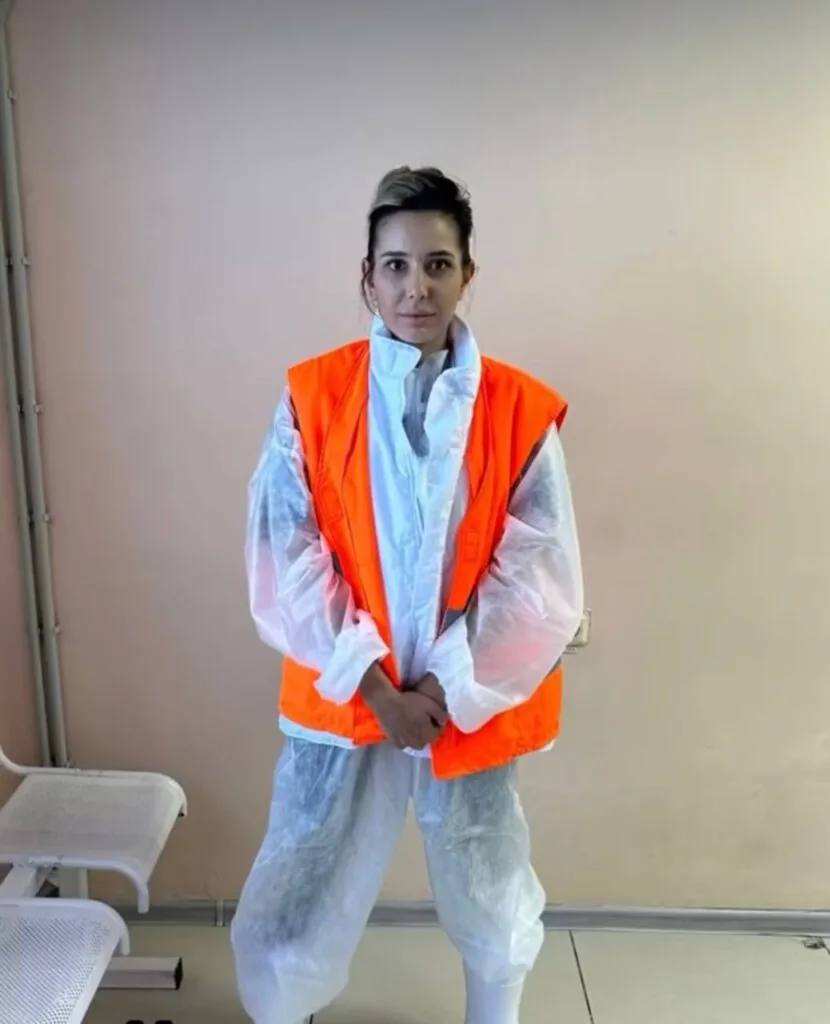
One of the main challenges for us is that many companies are hesitant to implement digital solutions in the production sector. The primary reason is the low level of digital literacy among production employees. Managers doubt whether their staff can effectively use new technologies.
To overcome this, we proposed digitizing simple and frequently used HR services, such as pay slips and various certificates, making them as easy to use as possible. This approach helped us gain the trust of managers and demonstrate that digital solutions can be understandable and beneficial for everyone.
Our advice to startups at the initial stage: start with customer needs. It is crucial to deeply understand the “pain points” of the target audience and offer a simple, clear solution. At the beginning, avoid offering complex products—instead, focus on intuitive solutions that are easy to integrate.
Achievements
Our achievements so far can be considered significant in the context of startup development. We conducted over 10 interviews with representatives from various companies, which allowed us to better understand their real problems and needs, as well as secure initial potential agreements for pilot projects—a crucial step toward implementing our product in a real-world environment.
Participation in the NURIS incubation program has not only improved our product but also expanded opportunities for scaling and entering new markets. We also won a grant from VK Cloud, which confirmed our potential and helped secure infrastructure funding for further development. These successes have strengthened our confidence that we are moving in the right direction and are on the path to creating a successful solution.
Plans
By the end of the year, we have several key goals. First, we plan to complete the development of our product’s basic functionality and implement biometric authentication to simplify work for production staff and eliminate the need to remember passwords. Second, we aim to sign annual subscription contracts with three to four large manufacturing companies. This will allow us to fund further development using our own resources.
Additionally, we plan to attract Pre-seed investments to accelerate development and expand our application’s functionality. In upcoming updates, we plan to add the ability to sign documents using cloud-based electronic signatures. We will also begin developing a visual AI assistant that will allow employees to interact with the platform in a conversational mode, simplifying system interaction and avoiding complex interfaces.
The Tech on Telegram Follow The Tech on Telegram
Keep up with the latest technology and startup news.
Related reading






More from this author

Article Useful
How to protect your accounts from hacking: 8 settings you should check today
The Tech

Article Useful
500 Global: How the Accelerator Works and Who Can Receive Investments
The Tech

Article Interviews
Game Development in Central Asia: Arkady Moldavski on Developing Reverb and the Growth of the Industry
The Tech

Article Useful
Google, Tesla, BlackRock, and the IMF: Where to Apply for an Internship in Fall 2026
The Tech

News IT
Tesla unveiled the flying electric car Roadster
The Tech

News IT
Intero Biosystems startup won the Startup Battlefield at TechCrunch Disrupt 2026
The Tech