Trends, development strategies. AI and GameDev
At the Digital Bridge 2025 forum, representatives of the gaming and creative technologies industry discussed how artificial intelligence is changing production, automation, creative professions, and the competitive landscape.
Author - Mansur Ismagulov
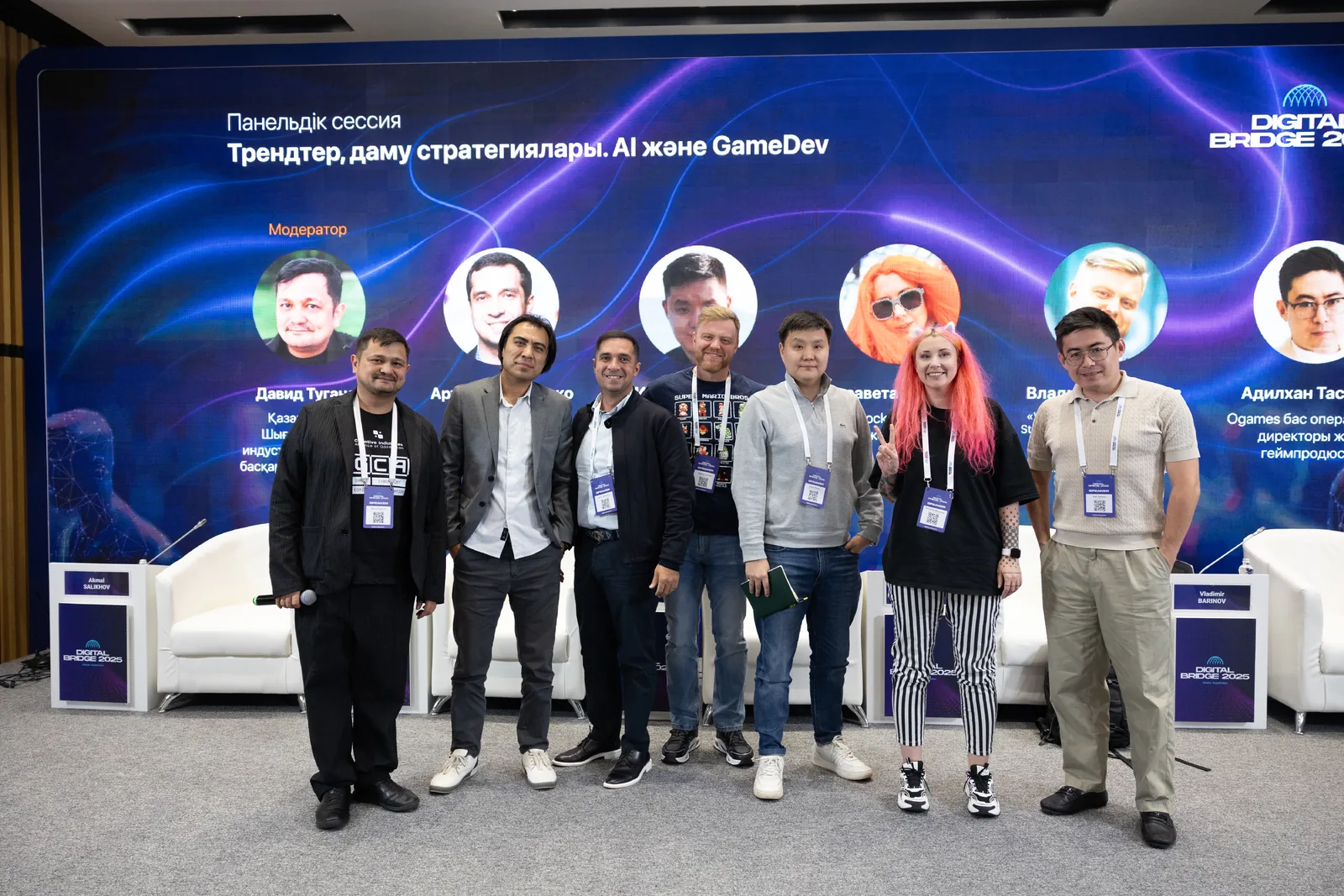
Akmal Salikhov, Director of Business Development at East Games
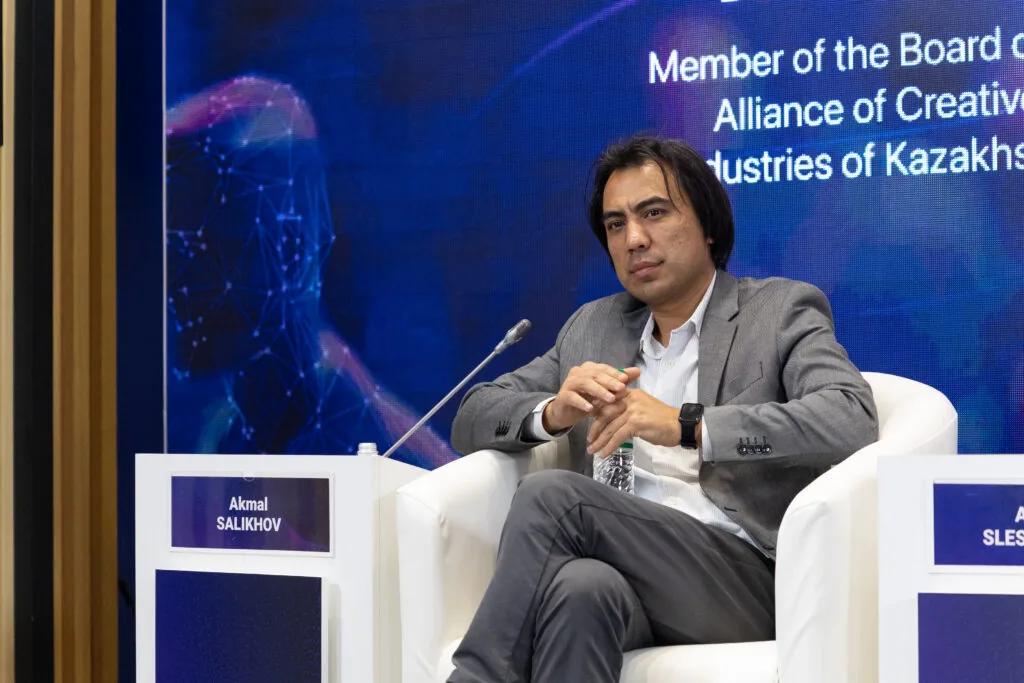
The future belongs to artificial intelligence, and this is already obvious. A year ago, we were running small pilots, for example in production, and it looked like experiments on a "20-liter" scale. Today, technologies are being integrated into real processes. Neural networks help artists: where it used to take weeks to create a concept, now it takes just a few hours. We can quickly generate options, adapt them to specific tasks, and this saves a significant amount of time.
The effect is particularly noticeable in automation. Our support department receives about a thousand emails daily. Previously, we responded manually or using templates, but now the system is trained on our styles and truly understands what is happening. It not only responds to the user but also returns information to the team: where the errors are, which bugs are recurring, and what causes complaints. This allows for systemic rather than point-by-point responses.
In essence, we are building an entire autonomous decision-making system. A person often cannot keep up with the speed of updates — technology stacks change every day. Today it is version 62, tomorrow it is already 63, and everything works differently. Therefore, it is important to immediately build the architecture correctly, on a solid technological foundation, and think about future scalability. And one more piece of advice — protect your ideas and concepts. Code can be rewritten easily, but architecture, approach, or the concept itself cannot. This is your true value.
AI is not just a tool; it is a factor that is changing the industry itself. We see how it accelerates processes: from development and testing to analytics and player behavior forecasting. But the most important thing is data quality. If the database is raw or the architecture is built incorrectly, the result will be chaos, not benefit.It is important to understand that artificial intelligence will become increasingly accessible, and the barrier to entry into the industry will decrease. This means that competition will increase. Companies that learn to implement AI systematically will gain an advantage. Others risk being left behind. Errors in design and data handling can be very costly, so the AI implementation strategy must be thoughtful and long-term.
Artem Slesarenko, Founder and Co-founder of Zavod Profland, Rhinotales Studio, Inspations
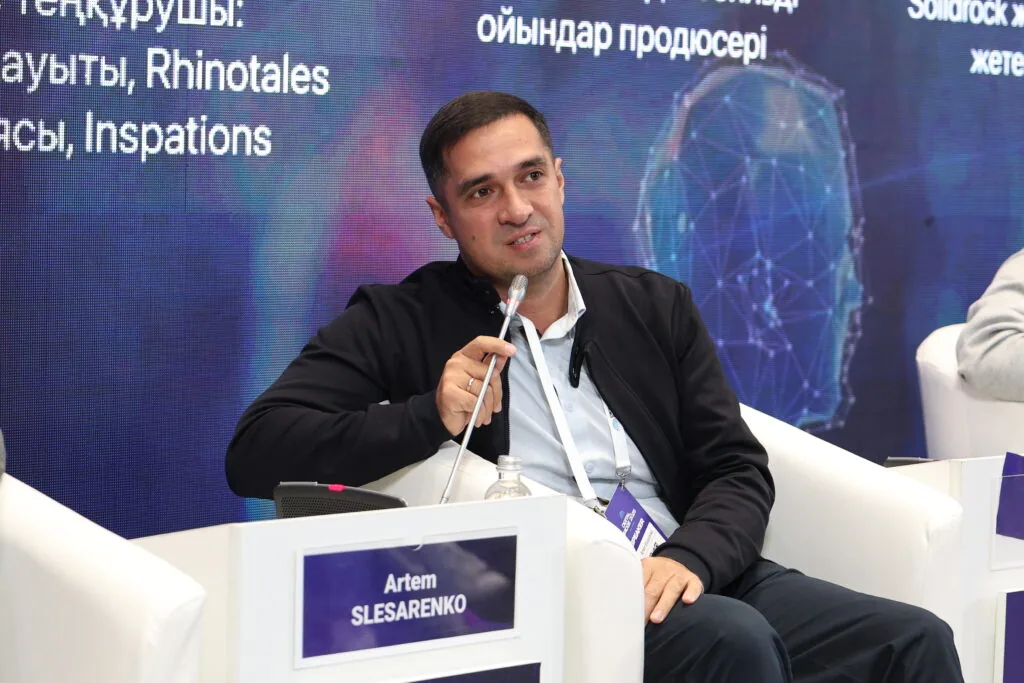
Today, AI is already a factor of competitiveness. In game development, it is used for level generation, automatic balancing, and content creation. This reduces production time and allows for faster product launches. But I believe that something more important is at stake: AI has the potential to open up new game formats.
The one who first finds a unique interaction between the player and the machine will be able to create completely new experiences. Not just accelerating old processes, but offering the market something new. This is the true advantage of AI. Therefore, it is strategically important not only to save resources but also to think about how technologies can change the very nature of games and user experience.
Irakliy Petrov, Game Designer, Mobile Game Producer
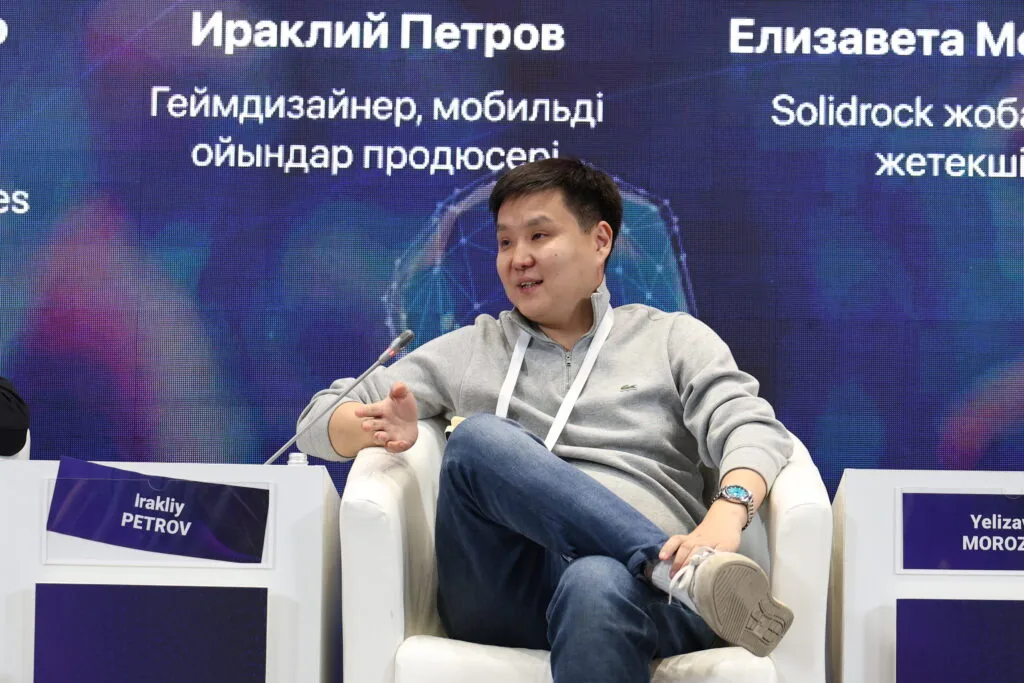
We must stop looking at AI as a separate tool. It needs to be integrated into all processes: support, development, marketing, and analytics. This is not just about automation; it is about a new work culture.
Agentic systems are still imperfect — they lack memory, context, and flexibility. But even in their current state, they save a massive amount of time and resources. Moreover, they help identify weak points in the product, provide feedback, and make it part of the development cycle. As a result, AI becomes not just an assistant but an element of the company's organizational structure. This is already a new model of work where algorithms and humans complement each other.
Elizaveta Morozova, Project Manager at Solidrock

One of the main trends is the collaboration between humans and machines. Artists, screenwriters, and designers are beginning to perceive AI as a co-author. And this is changing the profession itself: specialists are no longer required to fear competition but to know how to use algorithms to enhance their creativity.
Creative industries will not disappear, but they will change. Those who can combine artistic vision with technological tools will be in demand in the global market. Therefore, education and workforce preparation become critically important. We need to teach people not to fear technology but to work with it. Those who do this first will gain a global advantage.
Vladimir Barinov, Founder of VARDIX Group and DreamLight Studio, Co-founder of ROQED, Mechanicum, DIMEDUS
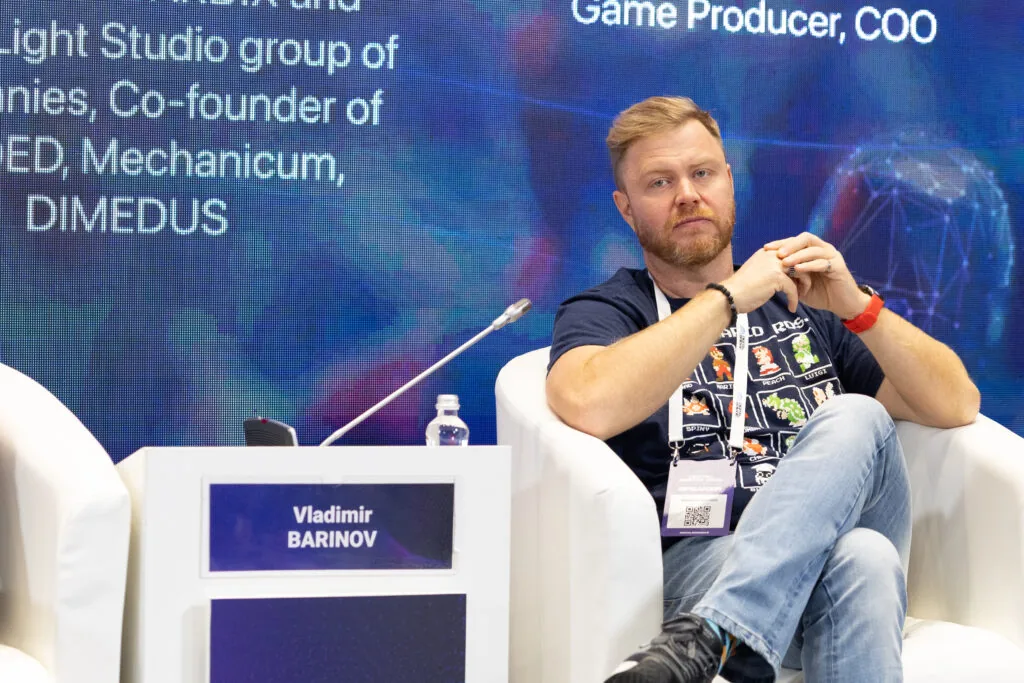
We cannot forget about the legal side. Licenses, copyrights, data protection — these issues are already coming to the forefront. Many companies use third-party solutions and adapt content, which leads to conflicts.
Therefore, legal architecture must be built in parallel with technological architecture. Who owns the data? Who is responsible for algorithm errors? Who is the author of the result if it was generated by a neural network? These questions will define the future of the market. Companies that proactively address these aspects will be able to scale without unnecessary risks. Others will face constant restrictions.
Adilkhan Tasimov, Chief Operating Officer and Game Producer at Ogames
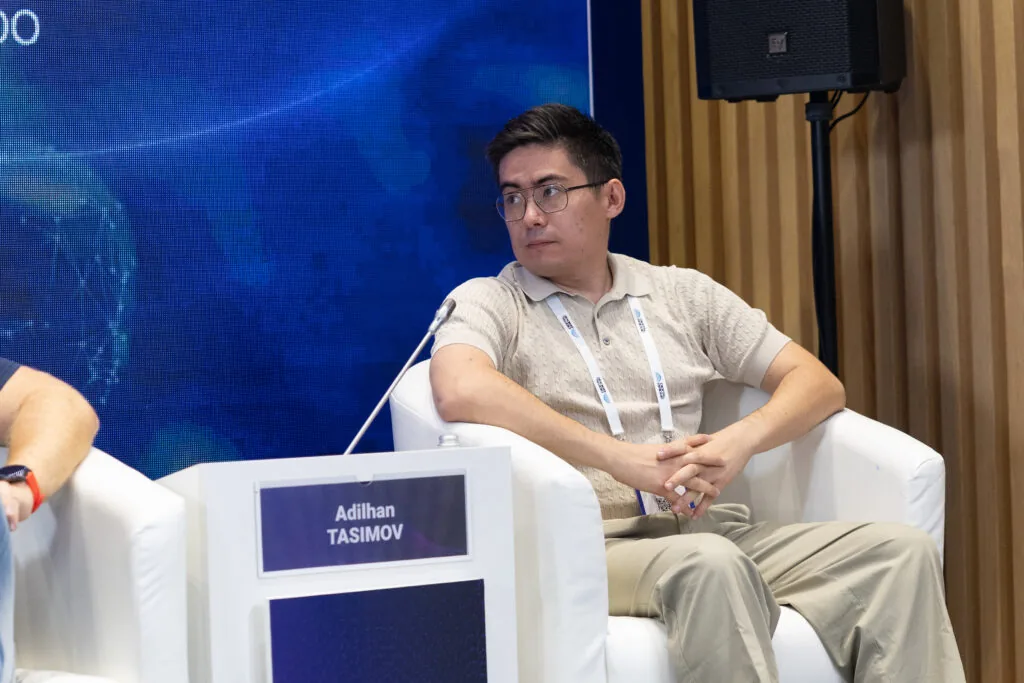
For Kazakhstan, all of this is both a challenge and an opportunity. We have infrastructure and talented specialists, but the ecosystem is not yet mature. There is little venture capital, and teams often face bureaucracy and a lack of support.
What needs to be done? Create small teams, give them the freedom to experiment, quickly test ideas, and scale. The state should help, but business must move forward on its own. Speed is the most important factor. Technologies update every day, and if we hesitate, they will leave us behind. It is precisely speed and courage that will determine whether we secure our place in the future.
The Tech on Telegram Follow The Tech on Telegram
Keep up with the latest technology and startup news.
Related reading







More from this author

News
zypl.ai begins operations in Japan and focuses on next-generation risk models
Mansur Ismagulov

News
Elon Musk's net worth has exceeded $700 billion for the first time
Mansur Ismagulov

Article Interviews
"Central Asian countries should build a joint ecosystem," — Bekhzod Ismoilov on the development of AI in the region
Mansur Ismagulov

Article Interviews
Bloom's Taxonomy and Engineering Levels: A Practical Growth Model
Mansur Ismagulov

Article Useful
How the IT industry in Azerbaijan developed in 2025: key events
Mansur Ismagulov

News
Tajikistan has become a new member of the regional innovation alliance Central Asian Innovation Hubs.
Mansur Ismagulov