Silkroad Innovation Hub: Key Achievements in 2025
2025 was one of the most eventful and significant years for Silkroad Innovation Hub. Aset Abdualiev, founder and CEO of Silkroad Innovation Hub, shared key achievements, discussed large-scale international programs, startups, investments, and educational initiatives that helped the regional ecosystem reach a new level and make its mark in Silicon Valley.
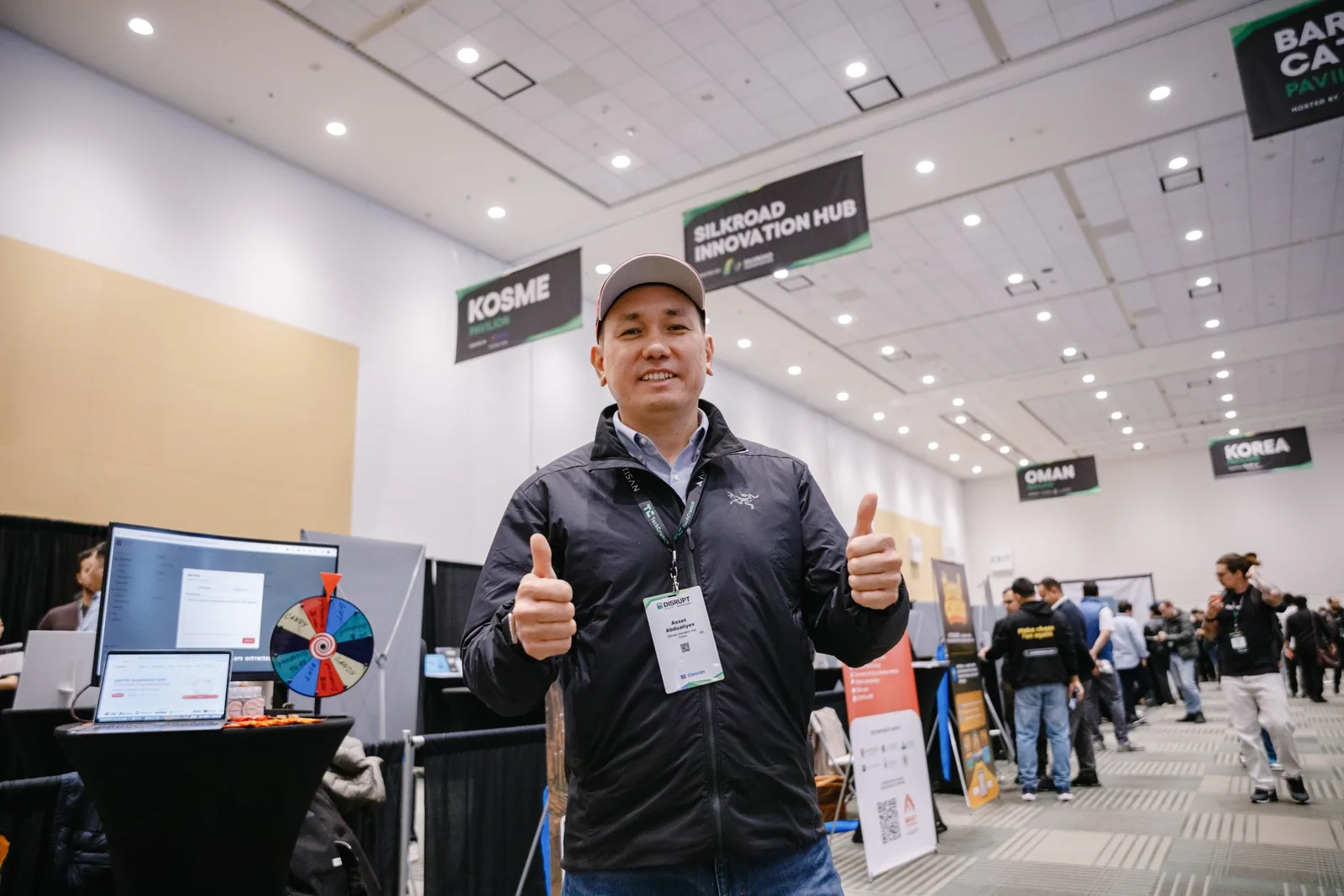
Aset Abdualiev, City — Palo Alto, Founder and CEO of Silkroad Innovation Hub
Strategy and Development
The year was rich and productive. Throughout the hub’s history, 350 startups have joined us, attracting over $100 million in investments and achieving a combined valuation exceeding $3 billion. The ecosystem has grown, and mature companies have already emerged.
During this time, we have hosted more than 350 events with the participation of over 12,000 people, and the hub’s community today includes more than 2,000 active members.
At the beginning of the year, we set several goals and planned a number of projects. One of the key initiatives was the second cohort of the AlchemistX and Silicon Valley Residency program, which we have been conducting for the second consecutive year in partnership with Astana Hub, Astana Hub Ventures, IT Park Uzbekistan, and IT Park Ventures. This year, 23 startups from seven countries participated in the four-month program. During the program, more than 108 pilot projects were launched, and a combined revenue of $22 million is projected for 2026. These results confirm that startups from our region are actively scaling and developing in the US market.
A successful example from this cohort is the startup Aleem — a platform for learning English, which surpassed Duolingo in Central Asia and became the #1 app in the App Store. To date, the Aleem app has more than 300,000 downloads. Another success in the EdTech sector is demonstrated by the startup Makon AI, which prepares students for the SAT exam. The platform is already used by more than 15,000 users in the US, and pilot projects with partners in the US are currently underway.
The startup Defect AI uses AI to automate the verification of medical records. It continues to develop actively, is already operating in pilot mode with five private clinics in the US, and was selected for the StartX program through Astana Business Campus.
We would also like to highlight the startup Cyberlabs, which operates in the field of cybersecurity training. During the program, the team established partnerships with several educational institutions in the US and is in the final stages of negotiations with investors to raise more than $1 million.
And the startup Tilmoch AI is showing notable success: more than 50 companies have already integrated their solutions via API into educational platforms, customer support systems, and internal tools in Kazakhstan and Uzbekistan. During the program in the US, the platform was integrated with Intent.to and Crowdin.com, allowing the Tilmoch service to be distributed among their customer base. Currently, partnership and investment negotiations are underway with another major translation platform.
The second goal was international positioning. This year, for the third consecutive year, we became partners of the main technology conference in San Francisco — TechCrunch Disrupt — and for the second consecutive year, we hosted the largest pavilion at the exhibition, featuring 20 startups.
In this direction, we also initiated and participated in two significant panel discussions at leading US universities — Harvard and the Massachusetts Institute of Technology (MIT) — focused on the development of the Central Eurasian technology ecosystem.
The first panel session, “From Central Eurasia to Silicon Valley: Uniting Innovations in the AI Era,” was organized with the support of the Association of Central Asian and Turkic States Alumni of the Harvard Kennedy School of Government. The session highlighted the growing role of the region as a new center for technological initiatives and demonstrated successful examples of cooperation among three key innovation hubs: Astana Hub, IT Park, and Silkroad Innovation Hub.
The second panel session was held with the support of the MIT Kuo Sharper Center and IT Park Uzbekistan on the topic “Unlocking the Potential of Entrepreneurship and Innovation for Regional Prosperity in Central Asia” as part of the conference “Innovations in Emerging Global Markets: Prosperity through Entrepreneurship.” The discussion focused on the role of IT entrepreneurship and innovation in strengthening regional integration and ensuring sustainable economic growth in Central Asia.
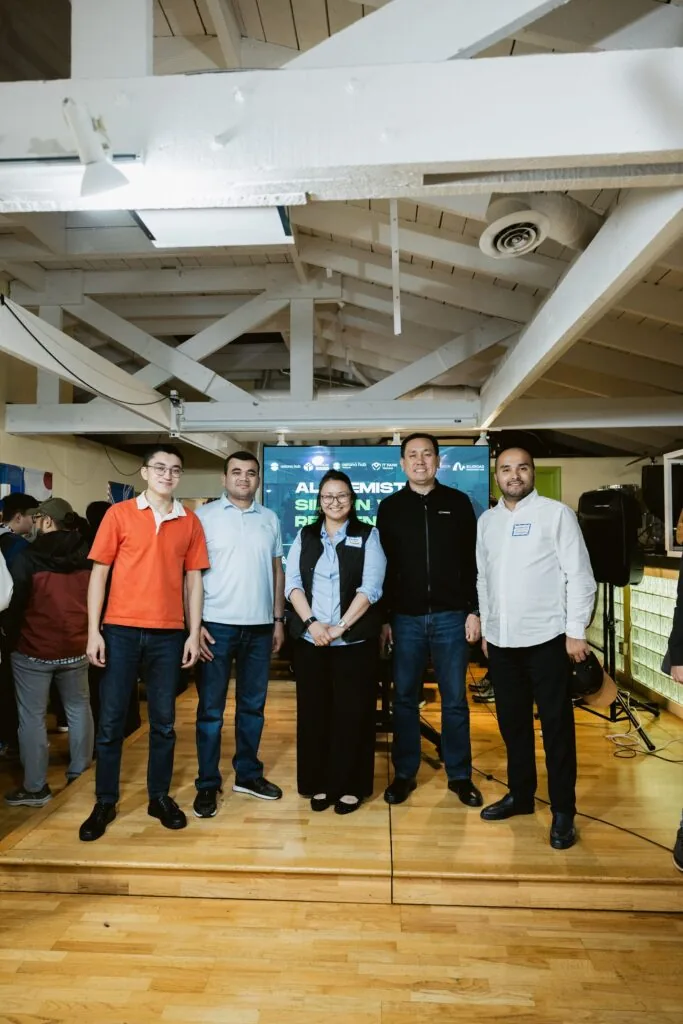
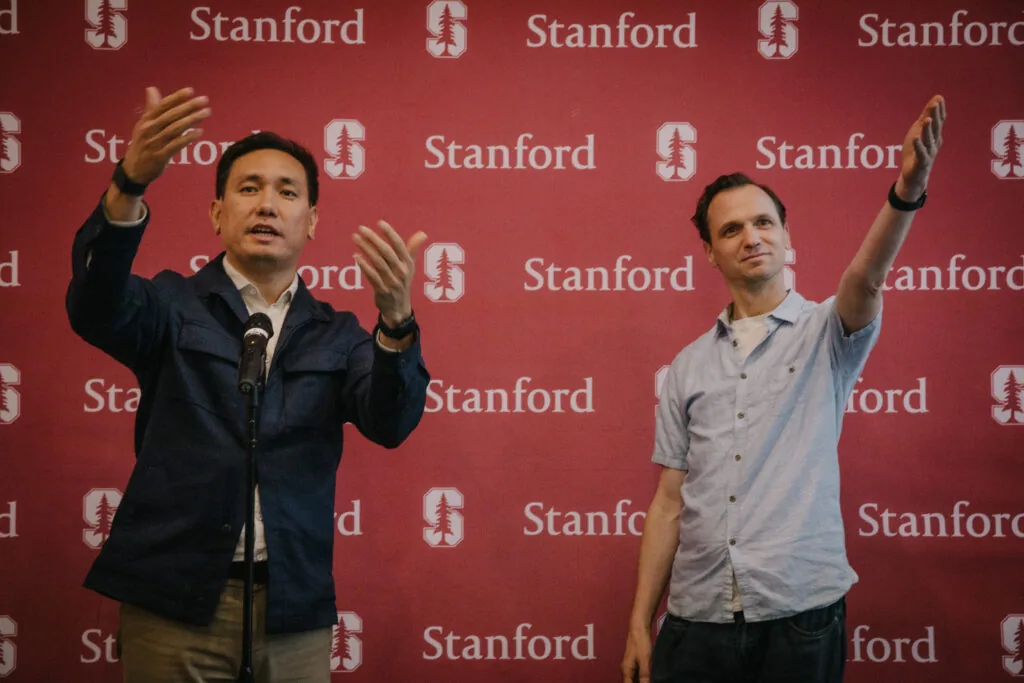
We also launched the first joint program with Stanford University for Central Asia — “Leaders in Artificial Intelligence and the Creative Economy.” The largest business delegation in the history of the region — approximately 60 entrepreneurs from Central Asia — came to the US. This program was implemented with the support of the YPO-Kazakhstan and Parasat business clubs.
Over 10 days, participants immersed themselves in the atmosphere of Silicon Valley: they underwent training at Stanford University, received certificates, and visited leading companies, including OpenAI, Cohere, LinkedIn, Microsoft, Palo Alto Networks, and others. The program continued in Los Angeles, where participants familiarized themselves with the creative economy ecosystem and took a course at the New York Film Academy campus in Los Angeles.
Also this year, we held the largest pitch competition in the history of the region — Road to TechCrunch Startup Battlefield. It became the largest startup competition and the largest online pitch event in the region, widely covered by The Tech Media, Techcrunch.com, Yahoo News, and other leading publications.
Despite the focus on Central Eurasia, we received more than 485 applications from more than 27 countries, including the Middle East, Latin America, Southeast Asia, and Europe. This confirms that startups from different regions view our programs as an opportunity to enter the US market. Winners received the opportunity to go directly to the TechCrunch Startup Battlefield finals.
Also this year, we implemented a number of key events and initiatives. One of the goals was to hold a major QVG Silkroad LP Summit — a summit for investors and venture funds. Together with Qazaqstan Venture Group, we held it within the framework of Digital Bridge 2025, bringing together fund managers with a combined asset volume of more than $160 billion. This was the first such forum in the region and an important milestone for us.
This year, we also became partners of the US Department of State and co-organizers of the C5+1 business forum. We oversaw the business conference and startup exhibition, and on November 5, with the support of the Ministry of Artificial Intelligence and Digital Development of the Republic of Kazakhstan, we organized a meeting between 24 Kazakhstani startup founders and the President of the Republic of Kazakhstan, Kassym-Jomart Kemelevich Tokayev.
Startups
Among portfolio and resident startups, Higgsfield stands out particularly — a company valued at over $1 billion and generating revenue of more than $100 million, in which we are investors. Higgsfield is an active member of our community and a bright example of its development.
It is worth noting Alma — a startup that grew out of Silkroad Innovation Hub. We were among the first investors, and today the company is raising a Series A round at a valuation exceeding $120 million.
Another significant case is Deep Infra, one of the leaders in the field of AI inference. We also invest in the company, and it is currently preparing for a Series A round worth several hundred million dollars.
I would also like to single out the startup TrustExam.Ai, which demonstrated rapid growth throughout this year. The team received a $25,000 prize at the Astana Hub Battle from Pavel Durov, completed acceleration at StartX, and announced a strategic partnership with the Association of Driving Instructors in the United Kingdom.
In addition, we actively participate in the development and support of our hub’s residents, including Perceptis, Surface AI, TopMD, Clarity Flo — Fleetmule, Chatfuel, Numeo and other promising startups in the early stages of development.
Investments and Partnerships
Among key strategic partners are Astana Hub, IT Park Uzbekistan, Freedom Holding, and Nazarbayev University. For almost three years, we have been systematically cooperating, implementing joint programs and events.
Also this year, we strengthened interaction with international companies, including Perplexity, Google Cloud, and OpenAI. They show high interest in our ecosystem, seeing our founders as potential clients and partners.
It is worth noting separately the project with the Asian Development Bank, within the framework of which we advised the government of Mongolia on the development of an innovative IT ecosystem.
We are proud to launch the Silkroad Angels Club — an angel club for entrepreneurs of the region. We already have more than 50 angel investors. This year, through our club, $1.3 million has already been invested in founders from Central Eurasia working in the US market.
Among educational achievements is the successful cohort of Silkroad Venture School, an online school on venture investments. This year, the program was in partnership with IT Park Ventures and brought together more than 35 participants — representatives of leading regional venture funds and angel investors.
Plans
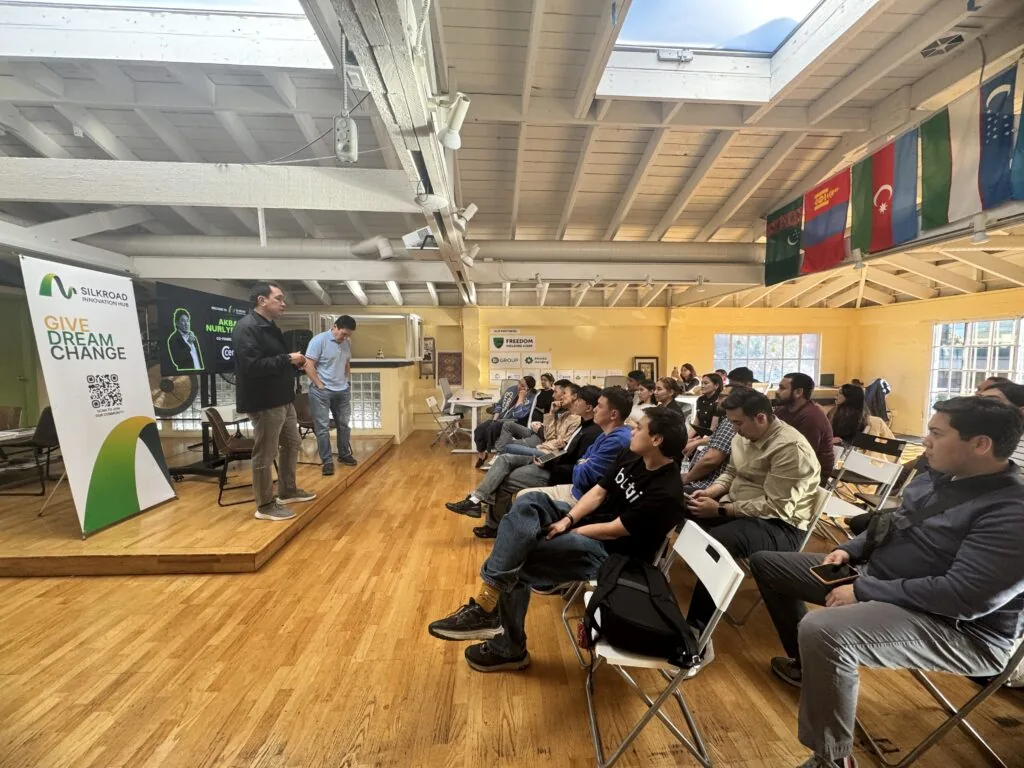
We will continue working with the AlchemistX and Silicon Valley Residency programs, TechCrunch Disrupt, Road to TechCrunch Startup Battlefield, and Go Abroad, supporting startup growth and their entry into international markets.
This year, we also plan a large-scale study of the Central Eurasian startup ecosystem in English, to better understand the region and showcase its potential to the world. On the international stage, we will actively participate in major events, increase the visibility of the region, and develop corporate venture funds.
Education remains one of our key priorities. We are launching a large-scale program to train leaders in AI transformation jointly with Stanford University for business leaders, entrepreneurs, and representatives of the public sector, as well as continuing training in angel and venture investments within our educational initiatives.
Investment activities are also reaching a new level. The Silkroad Angels Club is developing actively; we plan to increase annual investments to $10 million and are preparing to launch the Silkroad Venture Fund.
On the eve of the New Year, I want to thank all partners, founders, friends, and the Silkroad Innovation Hub team. Everything we do is the result of joint efforts. Over the past two and a half years, we have made a loud statement in Silicon Valley: strong startups are emerging, business delegations are arriving, and the ecosystem is developing in all directions. This clearly demonstrates the strength of our region and its readiness for a breakthrough.
The Tech on Telegram Follow The Tech on Telegram
Keep up with the latest technology and startup news.
Related reading






More from this author

Article Useful
How to protect your accounts from hacking: 8 settings you should check today
The Tech

Article Useful
500 Global: How the Accelerator Works and Who Can Receive Investments
The Tech

Article Interviews
Game Development in Central Asia: Arkady Moldavski on Developing Reverb and the Growth of the Industry
The Tech

Article Useful
Google, Tesla, BlackRock, and the IMF: Where to Apply for an Internship in Fall 2026
The Tech

News IT
Tesla unveiled the flying electric car Roadster
The Tech

News IT
Intero Biosystems startup won the Startup Battlefield at TechCrunch Disrupt 2026
The Tech