Sam Altman on which skills will become more important than programming
Author - Mansur Ismagulov
The Tech AI
Get the key points in seconds - a short summary from The Tech AI.
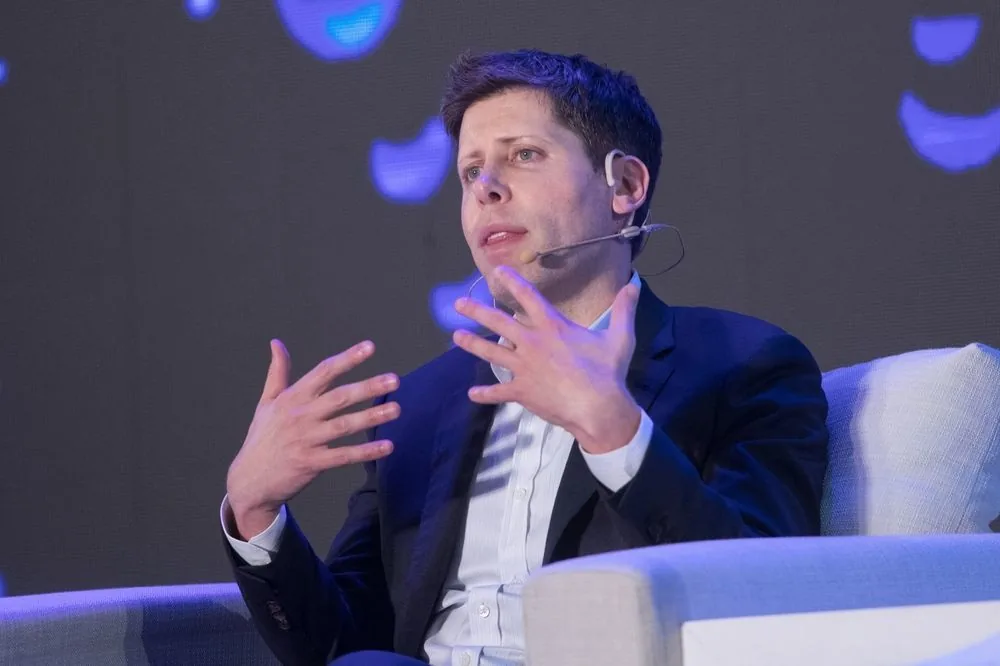
Sam Altman noted that programming is losing its uniqueness due to the development of AI: some companies already trust neural networks with more than 50% of the code. Students are advised to focus on creativity, analytics, and the ability to formulate tasks for AI instead of learning languages. The key breakthrough will be the creation of agentic systems capable of performing work independently, although there is still no clear definition of AGI.
Sam Altman, CEO of OpenAI and one of the most influential entrepreneurs in the tech industry, emphasized that programming is losing its status as a unique skill. The development of AI simplifies coding processes, making it accessible to a wide range of people without deep technical knowledge. Instead of traditional programming, students should focus on developing creative thinking, entrepreneurial skills, and the ability to work with advanced technologies.
Key skills for the future will include:
— the ability to formulate complex tasks for AI
— analytical thinking and the ability to interpret data
— an entrepreneurial approach to technology
— creativity and adaptability.
A significant portion of routine tasks is expected to be automated, and the human role will shift towards strategy development and innovation management. Education should focus not on the mechanical mastery of programming languages, but on understanding the fundamental principles of technology and their impact on society.
Some companies already trust neural networks to write more than 50% of the code. However, a real breakthrough is expected with the development of agentic systems, which have not yet reached a full-fledged level. The main problem is not with the product, but with the model itself, which requires further refinement.
Demand for programmers will not disappear instantly, but their productivity continues to grow. In the future, the number of specialists may decrease, but at this stage, companies need to accelerate their work pace and expand their development teams. It is precisely at this moment that a decisive stage of the technological race is taking place.
One of the main questions is what AGI, artificial general intelligence, actually is. There is no clear definition, and the term is gradually losing precision. If someone from 2020 were shown modern models, they would likely consider them to be full-fledged AGI. The boundary between advanced AI and general intelligence remains blurred. Some consider AGI to be a system capable of performing a wide range of tasks, others see it as a model that does not make silly mistakes, and still others view it as a technology capable of self-development.
According to Altman, autonomous systems should learn to perform a significant amount of work independently. OpenAI sees the future in this direction. If a powerful agentic developer can be created, it will become a technological breakthrough.
Humanity adapts quickly to technology. After the appearance of ChatGPT, the world paused for a while, but soon users began to demand a new, improved version. This unending cycle of striving for "even faster, even better" can be considered a natural trait of people. Artificial intelligence will not cause an instant revolution, but will gradually penetrate all spheres, changing them step by step.
Why hasn't artificial intelligence yet led to scientific breakthroughs? The models are not yet smart enough. However, they are already helping scientists accelerate research, which is no less important. AI is capable of creating something new, and the key to the next level lies in refining the architecture of the models.
The younger generation should focus on the ability to work with AI tools. In the early 2000s, the key skill was programming; now, it has been replaced by interaction with artificial intelligence. The most important thing is adaptability, understanding people's needs, and the desire to be useful in a rapidly changing world.
The development of AI is not a race for titles and awards, but a path to creating tools that change reality. There may be no final point in this process, but one thing is clear: AI is irreversibly changing the world, and the most interesting part is yet to come.
Source: stratechery.com.
The Tech on Telegram Follow The Tech on Telegram
Keep up with the latest technology and startup news.
Related reading





More from this author

News
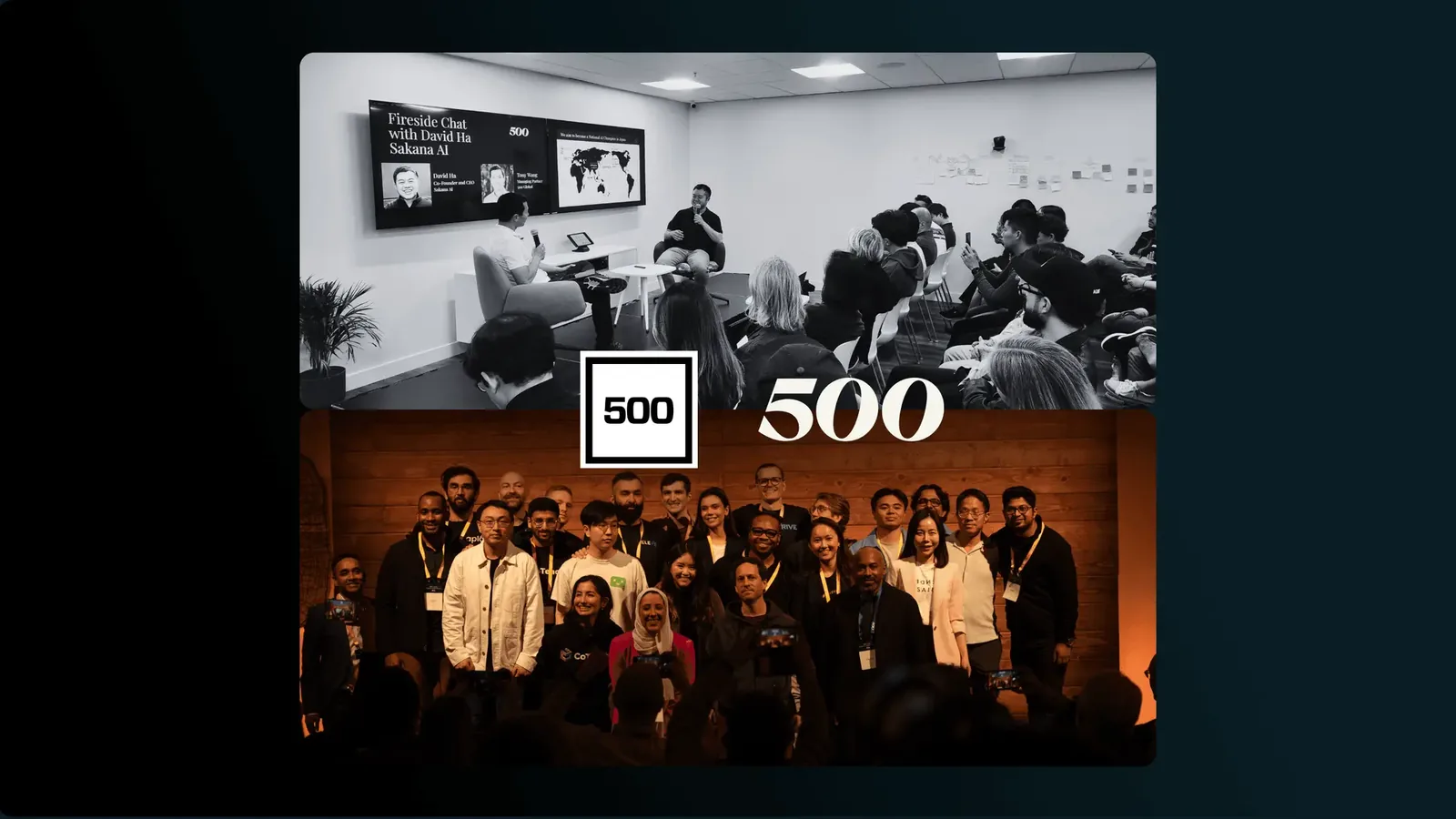
zypl.ai begins operations in Japan and focuses on next-generation risk models
Mansur Ismagulov
News
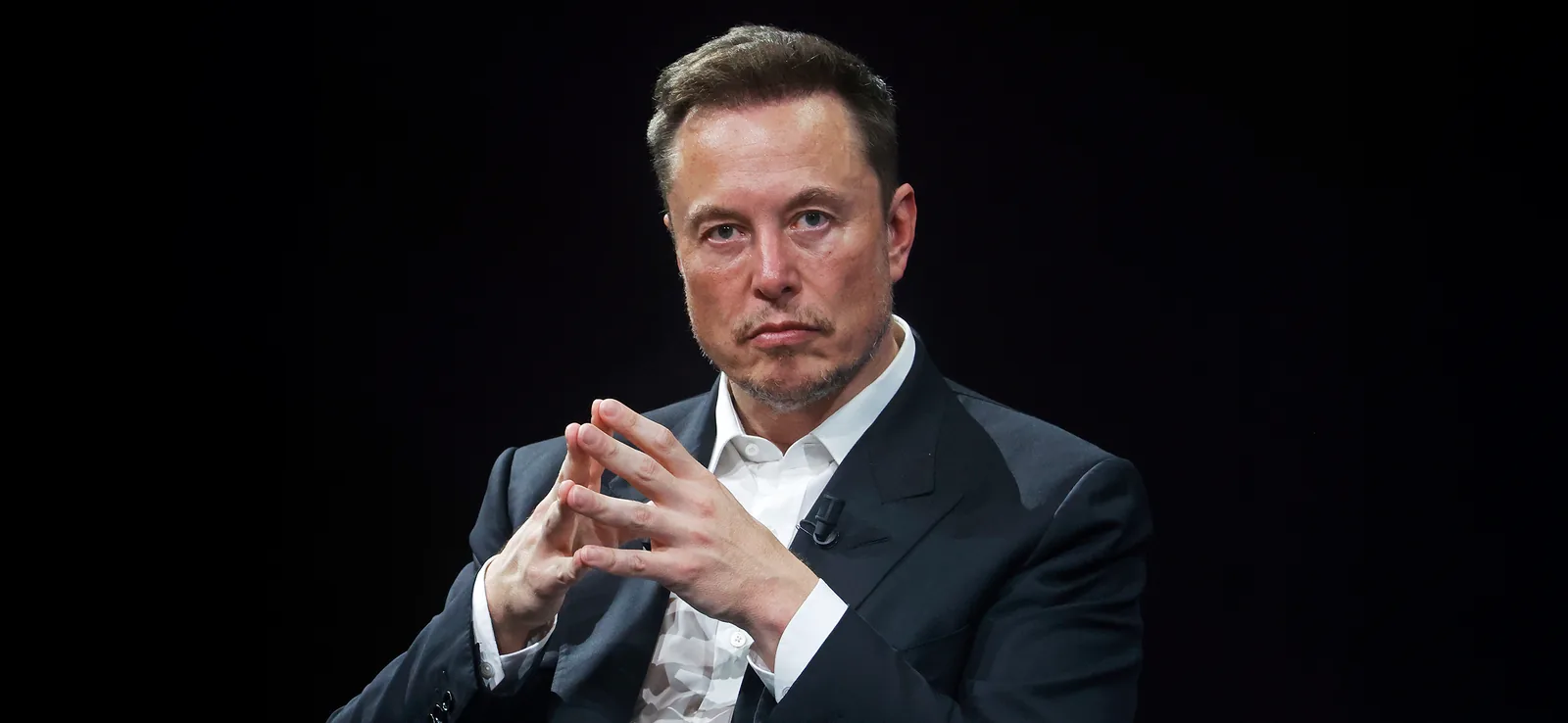
Elon Musk's net worth has exceeded $700 billion for the first time
Mansur Ismagulov
Article Interviews
"Central Asian countries should build a joint ecosystem," — Bekhzod Ismoilov on the development of AI in the region
Mansur Ismagulov
Article Interviews
Bloom's Taxonomy and Engineering Levels: A Practical Growth Model
Mansur Ismagulov

Article Useful
How the IT industry in Azerbaijan developed in 2025: key events
Mansur Ismagulov
News
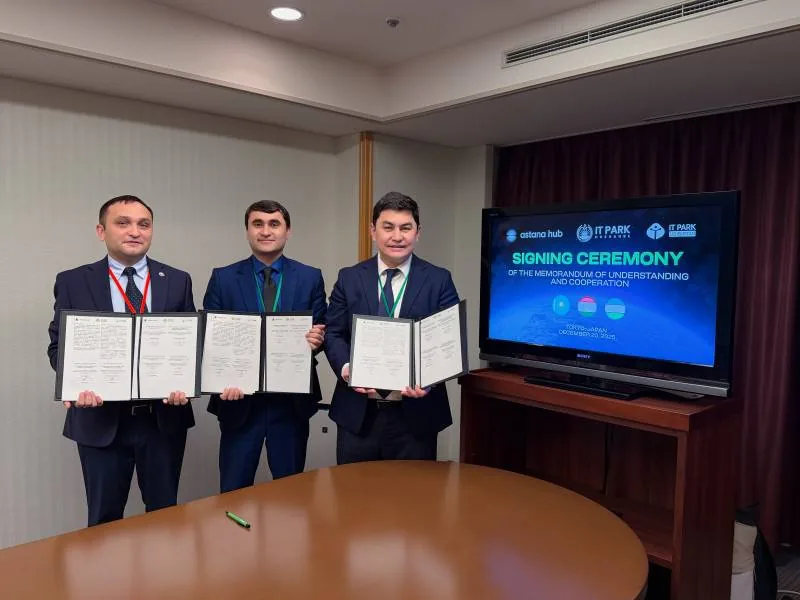
Tajikistan has become a new member of the regional innovation alliance Central Asian Innovation Hubs
Mansur Ismagulov