Secured $1.6 million and entered the top 3 of the Alchemist Accelerator: the story of the Kyrgyz startup Loadex AI
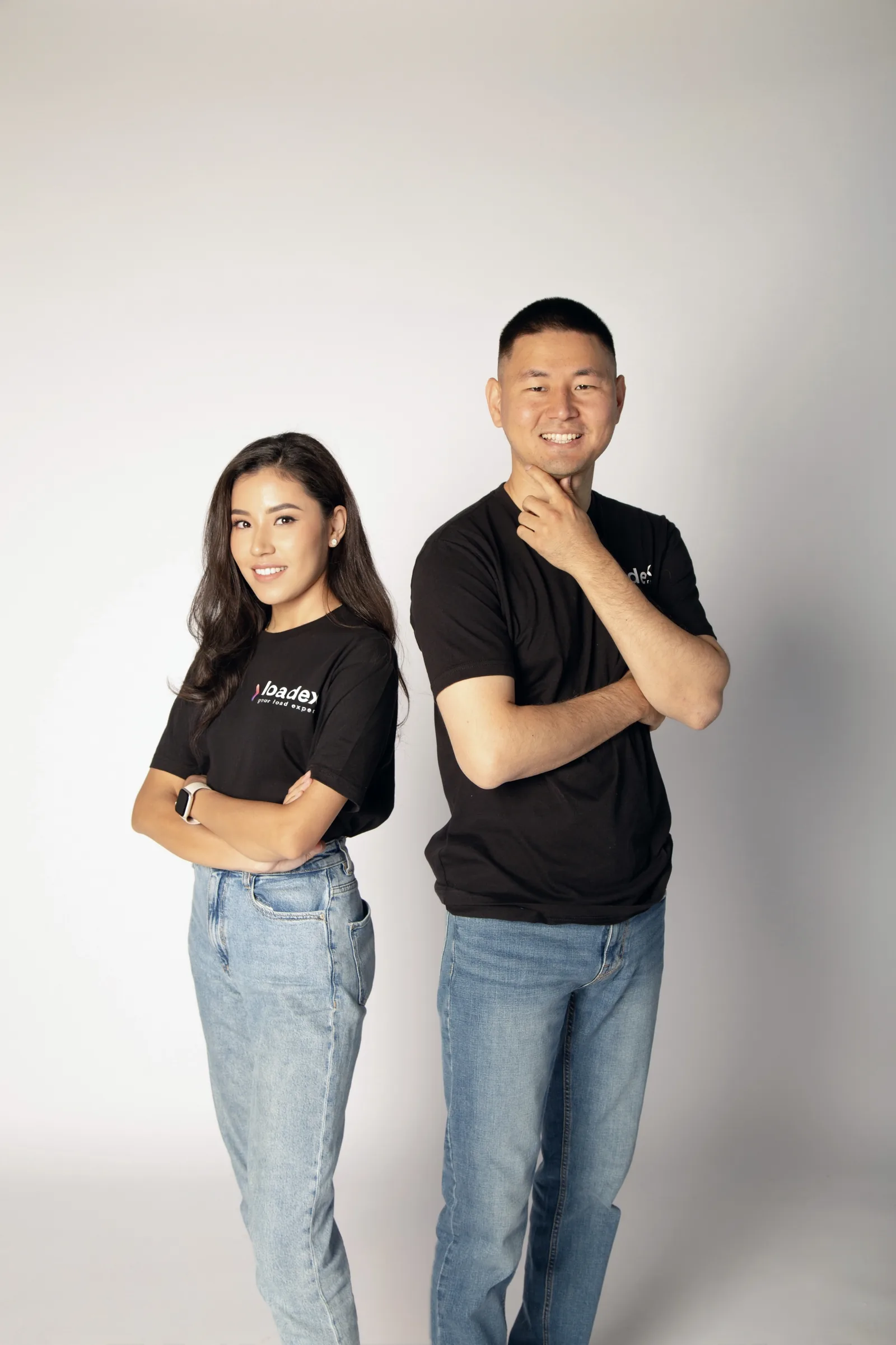
Aigerim Birnasarova from Kyrgyzstan shared how a simple observation of dispatchers' work inspired her to create a startup that is transforming logistics through technology.
The Tech AI
Get the key points in seconds - a short summary from The Tech AI.
Aigerim Birnazárova, co-founder and COO of Loadex (Chicago), along with Aman Seydakmatov, created a tool to automate routine tasks for truck dispatchers. The platform is used by 12 major companies in the US, covering around 650 dispatchers and over 4,000 trucks. The startup has gone through the AlchemistX accelerator and raised $1.6 million in Pre-Seed funding. The team of 13 people plans to scale sales in the US and launch AI-driven negotiation automation.
Aigerim Birnazarova, city — Chicago, co-founder and COO of Loadex, DevOps engineer, Instagram, LinkedIn
How It All Began
A couple of years ago, when I was still working as a DevOps engineer at Google, my friend Aman Seydakhmatov was a manager at one of the major trucking companies in Chicago. While building a new team of dispatchers, he faced a significant drop in productivity among newcomers compared to experienced colleagues: new hires made mistakes, lost shipments, and worked more slowly.
Aman noticed that the key reason was overload and constant multitasking by dispatchers. Their main task is to book the best freight, but at the same time, they simultaneously analyze offers, check documents, negotiate with brokers, and communicate with drivers almost around the clock. The work became exhausting.
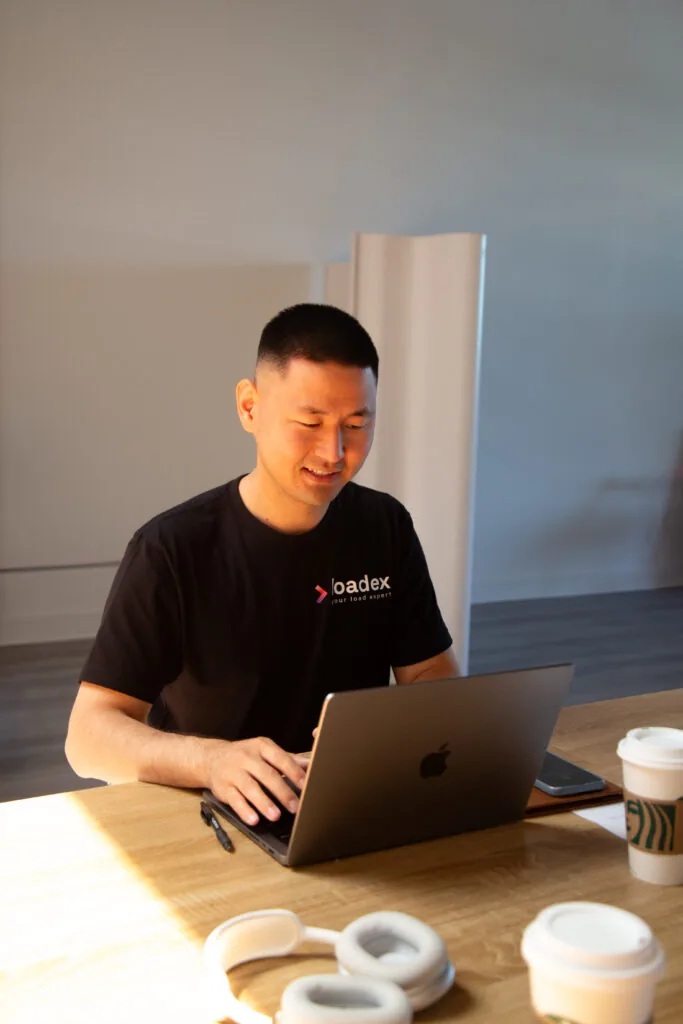
He realized that some of these tasks could be automated to free up dispatchers' time and energy for making key decisions. This idea resonated with me, and so we began building Loadex — a tool that takes over routine tasks and allows dispatchers to focus on key decisions.
Startup Launch
Aman decided to test his idea and started with an MVP in the form of an Excel spreadsheet and a Telegram bot. Dispatchers began using these tools, their productivity increased, and the number of errors decreased. This confirmed the hypothesis. To understand the scale of the problem, he conducted 36 interviews with owners of trucking companies — and found out that the same pain point exists for everyone, and there are almost no technological solutions.
The next step was forming the team. We attracted two talented developers from Bishkek who already had experience in creating software for the trucking industry. They became co-founders. We covered development and all expenses with our own funds.
We launched the first version of the product within a month. From day one, we collected feedback from user-dispatchers and improved the product every day based on how dispatchers actually used it.
Target Audience
Our product is directly useful for truck dispatchers and owners of trucking companies. Dispatchers can install our Google Chrome extension and start using it immediately. However, when connecting through a company, extended functionality becomes available: dashboards, driver management, analytics, and other features.
Currently, among our clients are 12 major trucking companies in the US with a total of about 650 dispatchers and over 4,000 trucks.
Incubation Programs
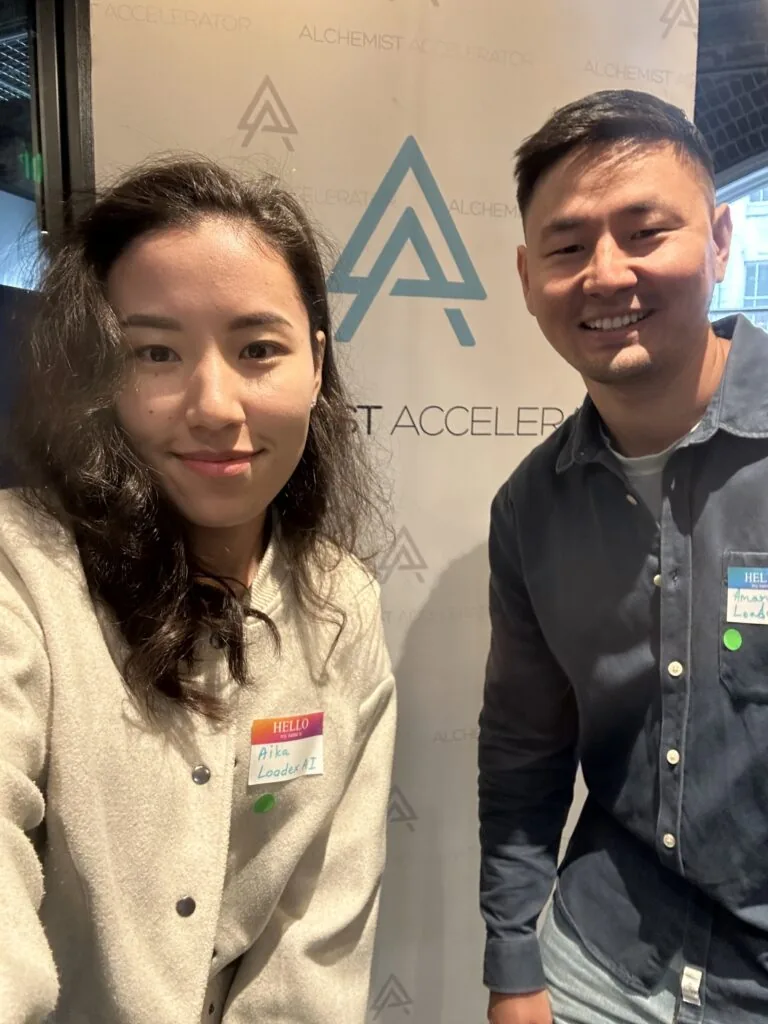
We applied to accelerators such as Y Combinator, 500 Startups, Techstars, and AlchemistX Accelerator. Three of them invited us to the final interview, and we chose AlchemistX Accelerator due to their focus on B2B startups and a strong network of investors. Alchemist also invested in us, and these funds were enough for approximately five months.
During this time, we studied online at the accelerator and traveled to San Francisco to meet with founders of other startups and mentors. It was great to share our difficulties and understand that other founders were going through the same challenges or had already overcome them and were ready to share their experience. Despite different startup directions, the development process and typical problems are similar for everyone.
However, by the fifth month, we realized that funds were running out rapidly, and it was time to attract investment. Endless correspondence and calls with investors began. At first, there were only rejections, but we managed to attract funding from several business angels. This helped us stay afloat and buy time to find larger investors.
Soon, our first venture fund supported us, and upon learning about this, others joined in. Our goal was to raise $1 million, but in the end, we attracted $1.6 million and closed the round, raising 60% more than planned.
Challenges
At every stage of our development, there were difficulties. In the very beginning, it was hard to focus on the most important problem that needed to be solved. We wanted to create a product that would solve several different problems in logistics at once. Then we realized it was better not to scatter our efforts and gradually expand the product.
Then came a moment when we had money for only two weeks left, and there were no positive responses from investors. We, the founders, got on a call and seriously discussed the possibility that we would all have to look for jobs and work on the startup in our spare time.
The fundraising process itself also turned out to be difficult. We had to communicate with a large number of people, convince them, go through all necessary checks, and wait for decisions for weeks. Several times we were rejected at the very last moment.
All of this was difficult, but each stage taught us something.
My advice to beginner founders is to first focus on one clear pain point, rather than trying to build a universal product right away.
Achievements
We entered the Alchemist Accelerator and became its portfolio company. By the end of the program, we entered the top 3 most successful startups of our cohort, and Alchemist's president, Ravi Belani, personally invested in our project.
We raised $1.6 million at the Pre-Seed stage from leading Silicon Valley venture funds, as well as from Murat Abdrakhmanov — one of the most famous investors in Central Asia.
We have created a product that hundreds of dispatchers use daily and recommend to their colleagues.
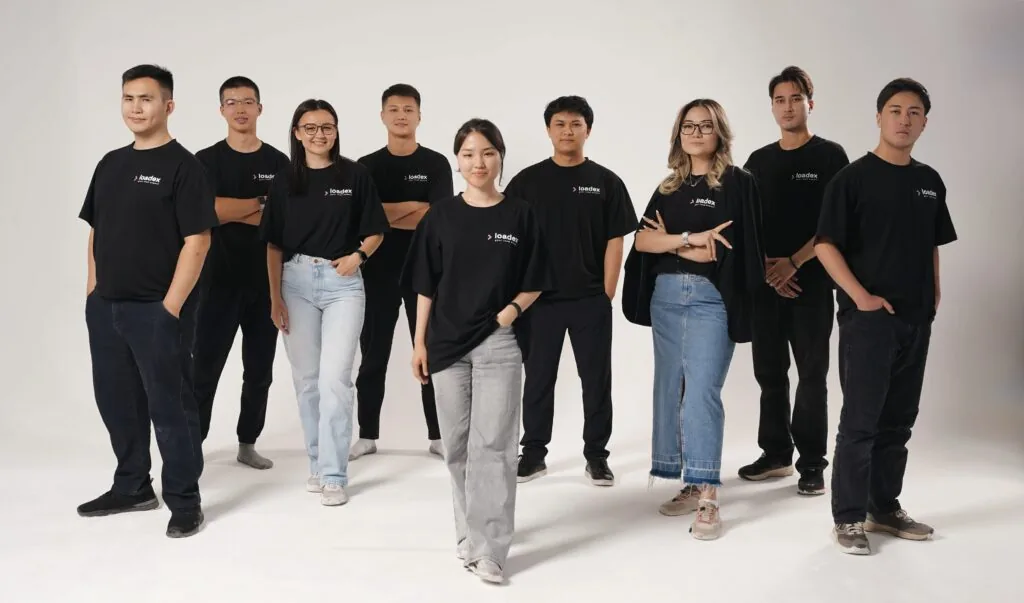
We have also grown the team to 13 people and continue to grow.
Plans
We plan to scale sales in the US. In the near future, we will launch full automation of negotiations with brokers using artificial intelligence. We also intend to increase revenue and prepare to attract investment at the Seed round stage.
The Tech on Telegram Follow The Tech on Telegram
Keep up with the latest technology and startup news.
Related reading






More from this author

Article Useful
How to protect your accounts from hacking: 8 settings you should check today
The Tech

Article Useful
500 Global: How the Accelerator Works and Who Can Receive Investments
The Tech

Article Interviews
Game Development in Central Asia: Arkady Moldavski on Developing Reverb and the Growth of the Industry
The Tech

Article Useful
Google, Tesla, BlackRock, and the IMF: Where to Apply for an Internship in Fall 2026
The Tech

News IT
Tesla unveiled the flying electric car Roadster
The Tech

News IT
Intero Biosystems startup won the Startup Battlefield at TechCrunch Disrupt 2026
The Tech