From "hardware" to SaaS: why there's no longer any point in simply selling cameras in the comprehensive security industry
Standard video surveillance is a reactive tool. It operates post facto, after an incident has already occurred and losses have been incurred. Modern business requires proactivity, meaning the prevention of threats before damage occurs. A camera on-site should become an intelligent sensor as part of a unified automated ecosystem.
Marat Shaken, Editor-in-Chief, IT Correspondent
The market for technical security systems is undergoing the most rapid transformation in its history. If in the early 2010s the classic business request was formulated in the simplest terms — "install cameras to see the warehouse" — then by 2022 this paradigm had completely run its course.
The modern corporate sector no longer needs just "hardware" as a set of devices. Consumers require ready-made software solutions for specific operational tasks. The industry is shifting en masse from selling physical equipment to intelligent software and comprehensive cloud platforms.
The Crisis of Reactive Surveillance
Technology entrepreneur Ruslan Bakhtu, General Director and founder of the individual enterprise Galkynysh sowgady, has observed this evolution from the inside over 12 years of continuous practice. According to his observations, the main qualitative shift occurred in the very understanding of the effectiveness of security systems.
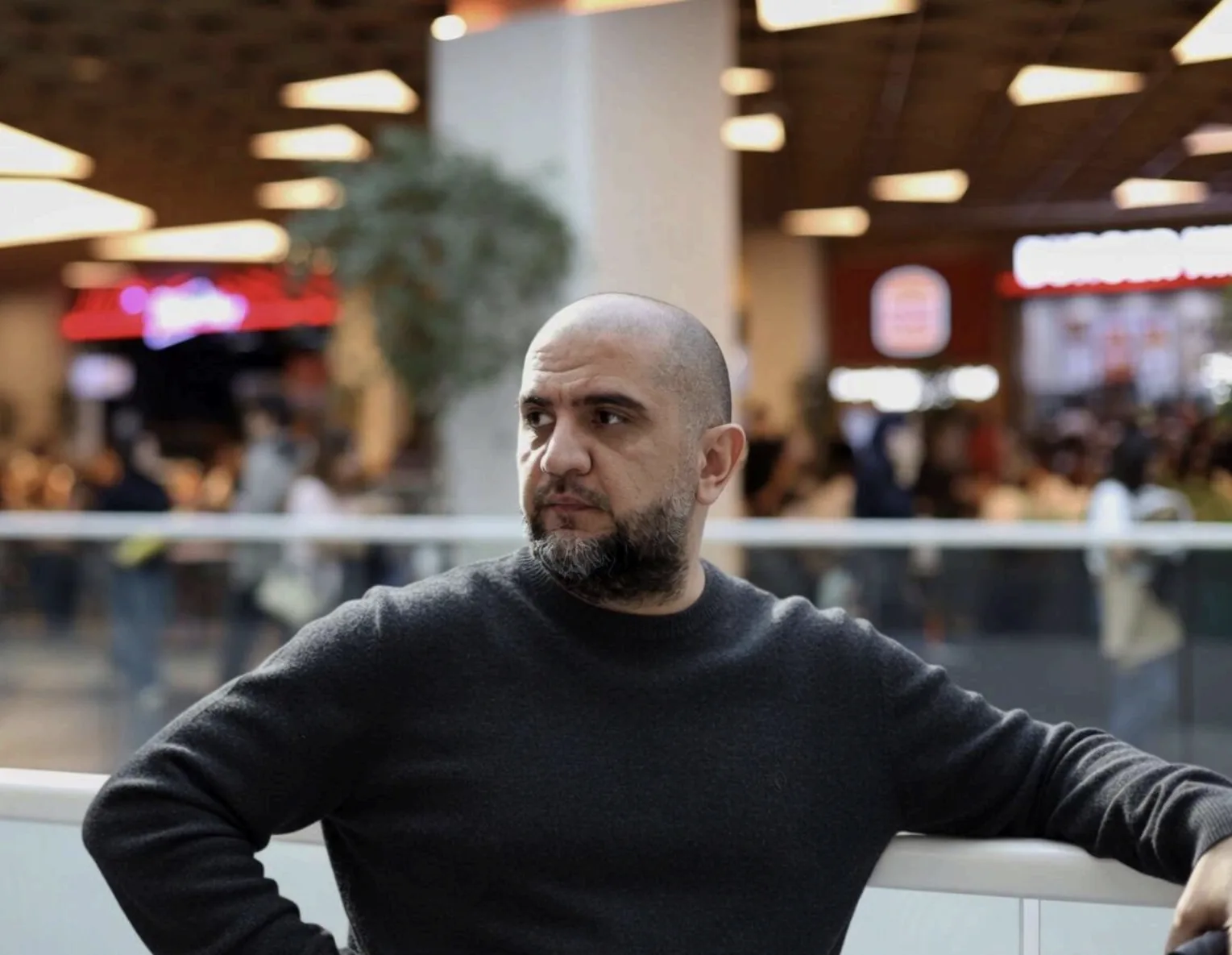
Ruslan Bakhtu, General Director and founder of the individual enterprise Galkynysh sowgady
Ecosystem Evolution: From Mobile Solutions to Centralized Platforms
Understanding this trend led the development team under Bakhtu's leadership to restructure their product architecture several years ago. The first step towards mobility was the GARANT remote monitoring system created in 2017, which proved that security modules could be managed from a smartphone. In 2018, the company launched its own line for assembling specialized industrial cameras and digital video recorders, and in 2022, it moved B2B distribution to an online format by launching the ga.com.tm platform.
Architectural Unification: The Future Lies in a Unified Interface
Today, the strategic task of engineering is to eliminate system fragmentation. Ruslan Bakhtu predicts that the future belongs to comprehensive intelligent platforms capable of seamlessly integrating automatic license plate recognition — ALPR, biometric access control systems — ACS, time tracking modules, and neural network analysis of video streams in real time. It is precisely such integration within a single interface that allows the system to transition into an autonomous mode of preventive protection.
The Tech on Telegram Follow The Tech on Telegram
Keep up with the latest technology and startup news.
Related reading






More from this author

Article Useful
How to protect your accounts from hacking: 8 settings you should check today
The Tech

Article Useful
500 Global: How the Accelerator Works and Who Can Receive Investments
The Tech

Article Interviews
Game Development in Central Asia: Arkady Moldavski on Developing Reverb and the Growth of the Industry
The Tech

Article Useful
Google, Tesla, BlackRock, and the IMF: Where to Apply for an Internship in Fall 2026
The Tech

News IT
Tesla unveiled the flying electric car Roadster
The Tech

News IT
Intero Biosystems startup won the Startup Battlefield at TechCrunch Disrupt 2026
The Tech