"We are the largest private project in the country," — how the game Critical Shift is changing the Kazakhstani game development scene
Artem Slesarenko, co-founder of Rhinotales Studio, shares how the team from Kazakhstan is developing the game Critical Shift, overcame financial difficulties, and is now preparing for a release that could change everything for the entire Kazakhstani game development industry.
The Tech AI
Get the key points in seconds - a short summary from The Tech AI.
Artem Slesarenko, CEO of Astana-based Rhinotales Studio, has been developing the large-scale tactical RPG Critical Shift for six years, with a budget exceeding the initial $500,000. The team of around 30 people is targeting the international market (USA, China, Europe), self-funding the project and planning a release next year after beta testing. Previously, the studio sold over 300,000 copies of the MVP "She Is Angry" and aims to generate $20–30 million in revenue to attract investment into Kazakhstani game development.
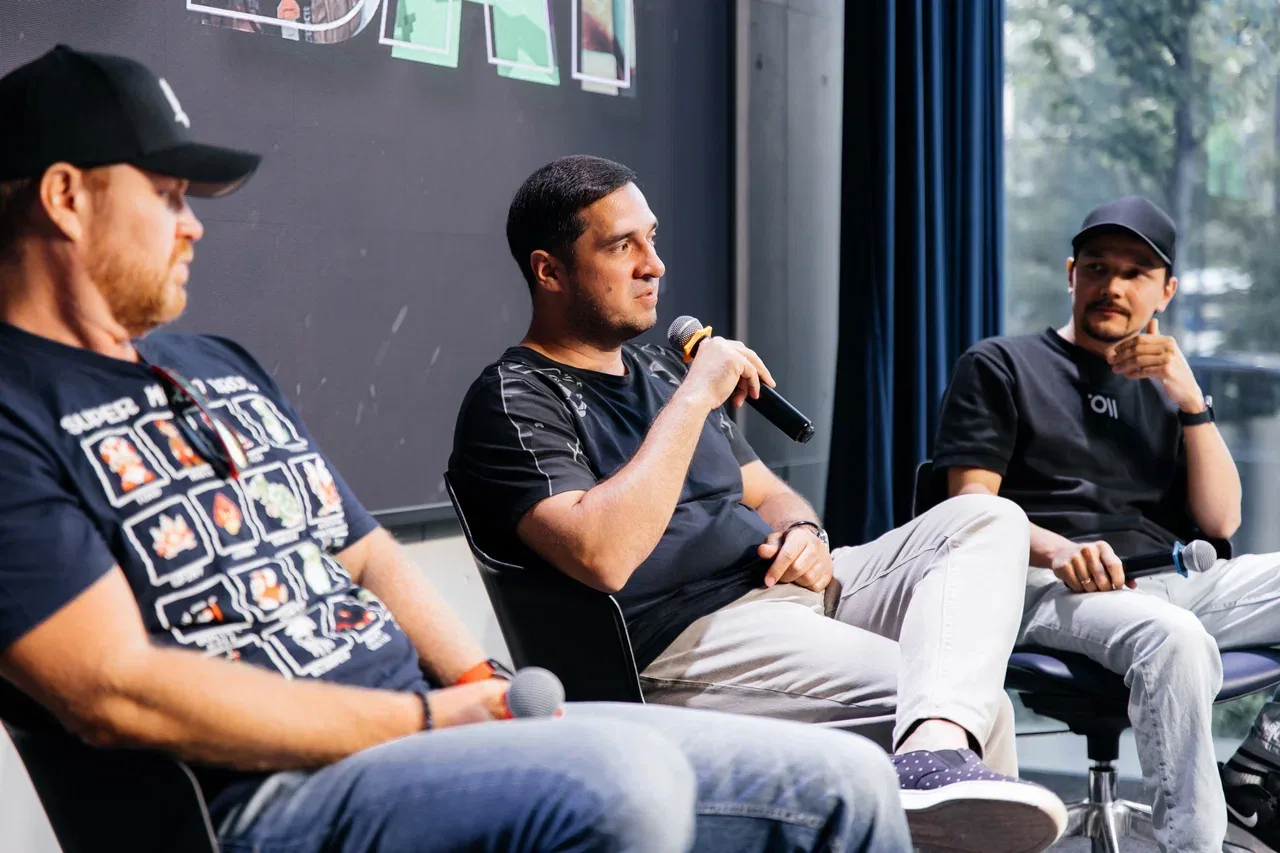
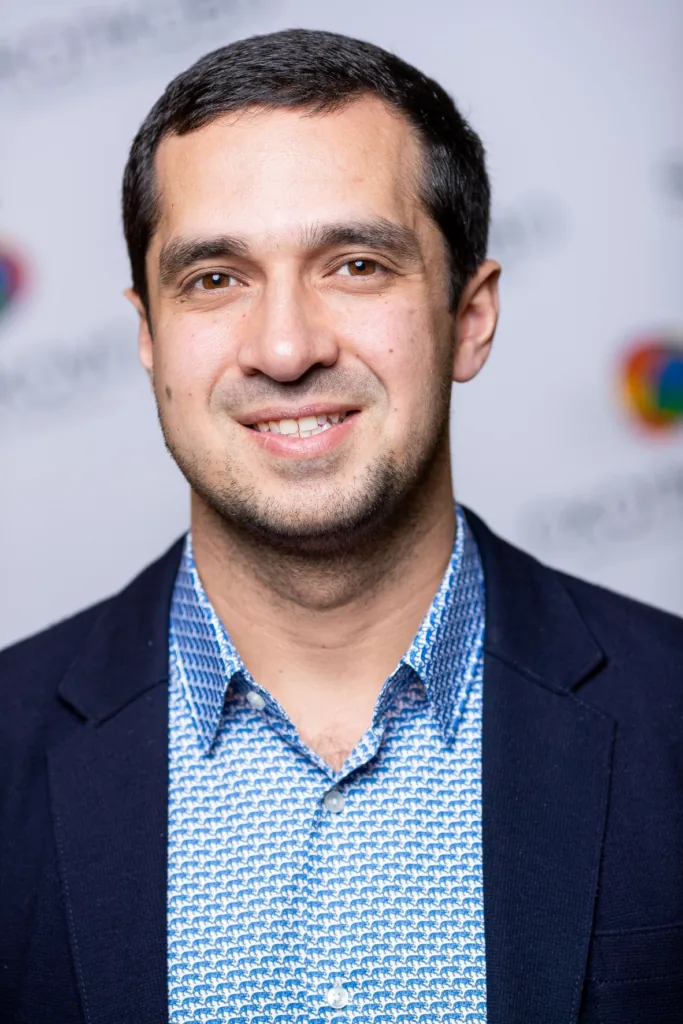
Artem Slesarenko, city — Astana, co-founder and CEO of Rhinotales Studio, Instagram
How It All Began
We are working on a large-scale project—a dark adventure called Critical Shift. Our team has been developing it for six years. The release is planned for next year.
Critical Shift is a turn-based tactical game with RPG elements, a deep combat system, and a rich sci-fi mystical storyline. We have created one of the largest game projects developed in Kazakhstan. The game features over 40 hours of gameplay, more than 30 levels, and numerous cutscenes—it is a true audiovisual adventure.
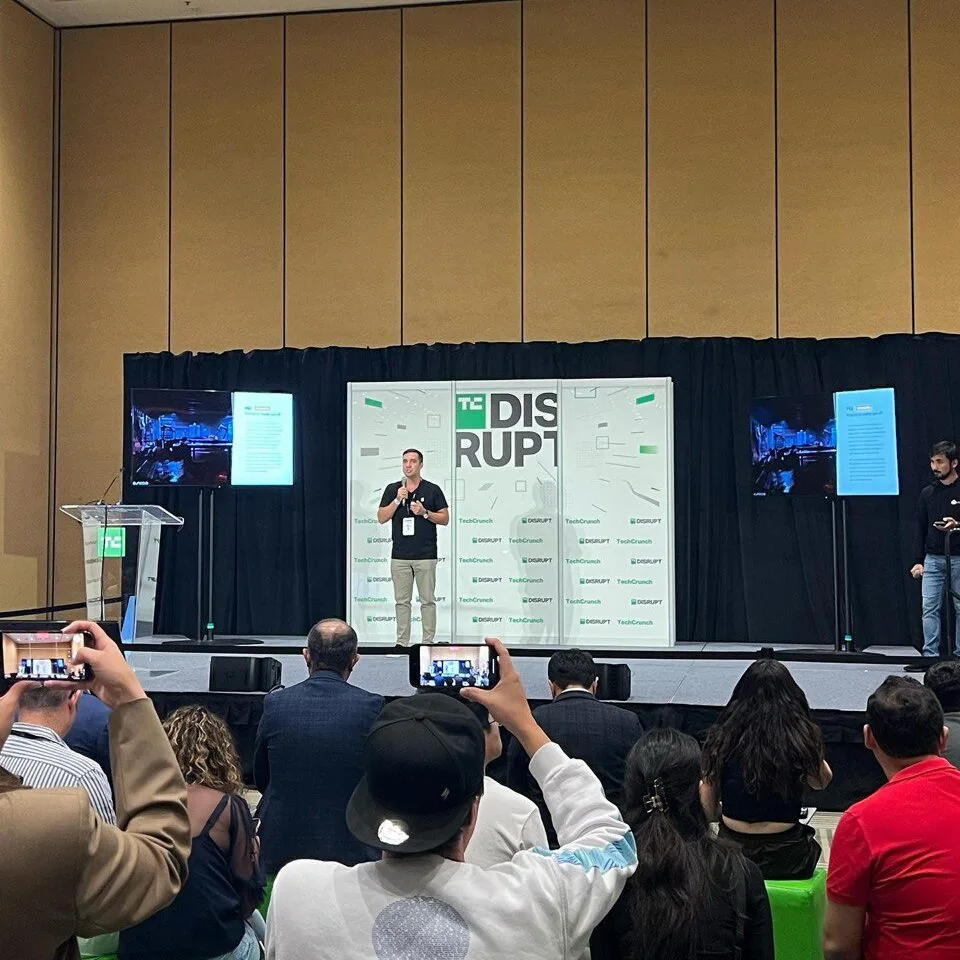
We recently officially announced the game, and it was featured on IGN USA and IGN China, two of the leading global gaming media outlets. Soon, we plan to present the project at Gamescom—one of the largest international gaming exhibitions.
In the near future, we will open beta testing so players can try the game and provide feedback. This will help us improve the product before release.
Launching the Startup
Initially, we had a large project—an interactive movie. However, we were unable to attract investment. So, we decided to create an MVP using our own funds to showcase the product and test the market.
As a result, we released the MVP "She Gets Angry" and sold over 300,000 copies. Later, we signed an investment contract for a new interactive movie worth $1.5 million from a Russian company, but shortly after, the project had to be suspended due to external circumstances.
Later, we received revenue from our first project and began looking for ideas for the next one. At first, we wanted to shoot a low-budget horror film for $50,000, then we started developing various concepts. After six months of iterations, we arrived at the idea for Critical Shift.
We initially planned to complete the project within two years with a budget of $500,000, but in the end, we have been working on it for six years, and the budget has increased significantly.
This is one of the largest media projects in Kazakhstan. Excluding "Tomiris," which was funded by the state, we are the largest private project in the country in the gaming and film sectors.
We target the international market. We sold 300,000 copies of our first game, of which only 300 were sold in Kazakhstan, even though we created a Kazakh localization.
The Team
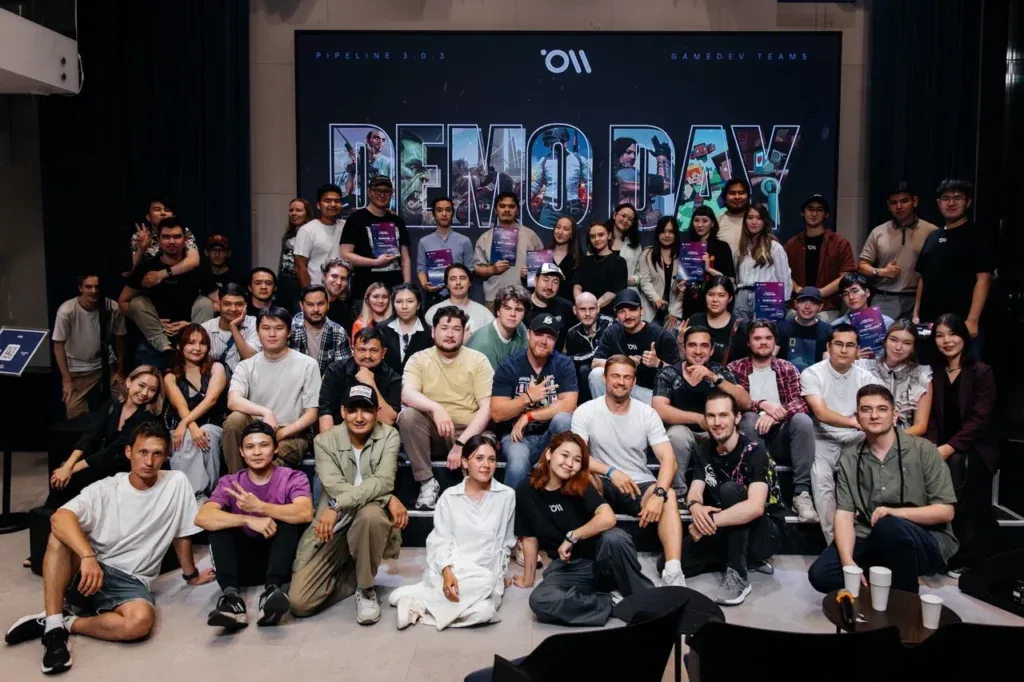
I am an entrepreneur and marketer, responsible for promotion, administrative matters, and overall development. The second co-founder is Dmitry Savchenko, a creative producer, who is in charge of the creative side and the product. The third co-founder is Daniil Kodubenko, who has strong expertise in visual effects: before joining our studio, he founded a VFX studio that created effects for more than 30 Russian films. All of us are from Kazakhstan, but we have successfully worked on the Russian market.
Inside the company, we now have about 30 people: project managers, developers, 2D and 3D artists, sound engineers. This is no longer just a team—it is a full-fledged product with great growth potential and a platform for self-realization. We provide opportunities for game designers, artists, and other creative specialists to develop. We work in a hybrid or fully remote format. This approach allows us to hire people from all over the world.
Of course, there were difficulties. For example, we lost about a year and a half due to a poor hire for the development team lead. He spent over a year writing architecture that ultimately proved unusable. The product didn't work, the team was idle, and we are still dealing with the consequences of his mistakes.
Target Audience
Our target audience consists of RPG enthusiasts, especially fans of tactical RPGs and party-based combat. We do not have a classic RPG with numerous branching paths and world-altering choices—our storyline is linear. However, it is a solid, immersive adventure that keeps the player on edge every minute.
Imagine the atmosphere of "Game of Thrones"—intrigues, unexpected twists, no one is safe. This is our "big drama show"—a tight storyline, strong delivery, and a dark, rich world with paranormal elements. It is not about the number of NPCs, but about the quality of the story and battles.
Entering the International Market
We did not initially target the Kazakhstani market—we do not even consider the CIS as a key direction. Our main focus is the USA and North America, followed by the UK, Germany, France, and China. The CIS remains familiar and understandable to us, but from a revenue perspective, it is not a priority.
For example, regarding our first product: 40% of sales came from China, 10% each from the USA and Russia, but 10% of revenue from the USA is two to three times higher than the same 10% from Russia.
We focus on the Western audience: marketing will be conducted through streamers and influencers from the USA and Europe. Currently, we are preparing for the Gamescom exhibition—we are the first Kazakhstani game studio to attend as a participant.
We are funding the project with our own resources. One of the founders has a business, and the other has a fund. It is difficult: sometimes we barely have enough for personal expenses, and we constantly face cash flow gaps. We are currently at the SAFE stage, and there are no additional funding sources.
The main problem is the closed market. Attracting investment is difficult. All local VCs mainly look at SaaS. Investors do not understand its potential and do not see projects here. We hope that ours will become the first successful case. We aim to reach $20-30 million in revenue—this will send a signal to the market that investment in game development is possible and necessary. The only example is Astana Hub investing in Grand Mobile with a valuation of $75 million, which is already something. But overall, investors do not understand game development, fear risks, and do not see potential.
Game development in our country is just beginning. There are good mobile projects, such as Grand Mobile and Parkour. But there have been no projects on our level yet. If we succeed, it will be an important case for the entire market.
If such a game were made in the USA, it would cost $12-20 million. Ours is cheaper, but still at a high level. This is our advantage—we create a great product for less money.
Recommendations
- Do not create a project for the local market.
Aim immediately for the international market—Europe, the USA. China is a complex market, but our first project unexpectedly took off there. Turkey contributed 10% thanks to a streamer. People buy what is close and understandable to them. Americans are not interested in a story about a Kazakh batyr—they care about localization, context, and recognizability. In Kazakhstan, there is no culture of supporting local products: even strong local products rarely receive support, and this is a reality we have to deal with.
- Do not start with large projects immediately.
We fell into this trap ourselves. It is better to make small games with a development cycle of two to six months. Small budget, quick launch, possible mistakes—and then move on to the next one. In two years, you can release three to four games, gain experience, and perhaps catch the interest of publishers.
- Do what you love.
Keep an eye on the market, but work on what interests you. Currently, cooperative games are doing well—simple, fun games that allow you to play with friends. This may be a temporary trend, but for now, it works.
Plans
At the moment, all our resources are focused on launching the main project. After the release of the main project, we have several ideas for the future:
- Mobile cooperative version. We want to transfer our setting and models to another genre—co-op, without tactics, so that the game is accessible on mobile devices and fun.
- Sequels and IP development. If the game is successful, a full-fledged IP will emerge—our own universe, which we can continue to work with: comics, stories, and other formats.
- Storytelling and audience engagement. Currently, we are preparing stories based on the game—without spoiling the plot, but revealing the world and characters. They will be written by five authors, including international ones. We plan to publish them on platforms.
- User-generated content. Later, we want to incorporate UGC—user-generated content—as part of marketing and community development.
The Tech on Telegram Follow The Tech on Telegram
Keep up with the latest technology and startup news.
Related reading






More from this author

Article Useful
How to protect your accounts from hacking: 8 settings you should check today
The Tech

Article Useful
500 Global: How the Accelerator Works and Who Can Receive Investments
The Tech

Article Interviews
Game Development in Central Asia: Arkady Moldavski on Developing Reverb and the Growth of the Industry
The Tech

Article Useful
Google, Tesla, BlackRock, and the IMF: Where to Apply for an Internship in Fall 2026
The Tech

News IT
Tesla unveiled the flying electric car Roadster
The Tech

News IT
Intero Biosystems startup won the Startup Battlefield at TechCrunch Disrupt 2026
The Tech