Who the world's largest companies are looking for right now — a breakdown of job openings
The world's largest companies in 2026 are actively reevaluating their teams and seeking professionals who help implement and advance technologies in real-world products and processes. Instead of narrow technical tasks, roles related to working with data, products, and systems across all stages are increasingly valued.
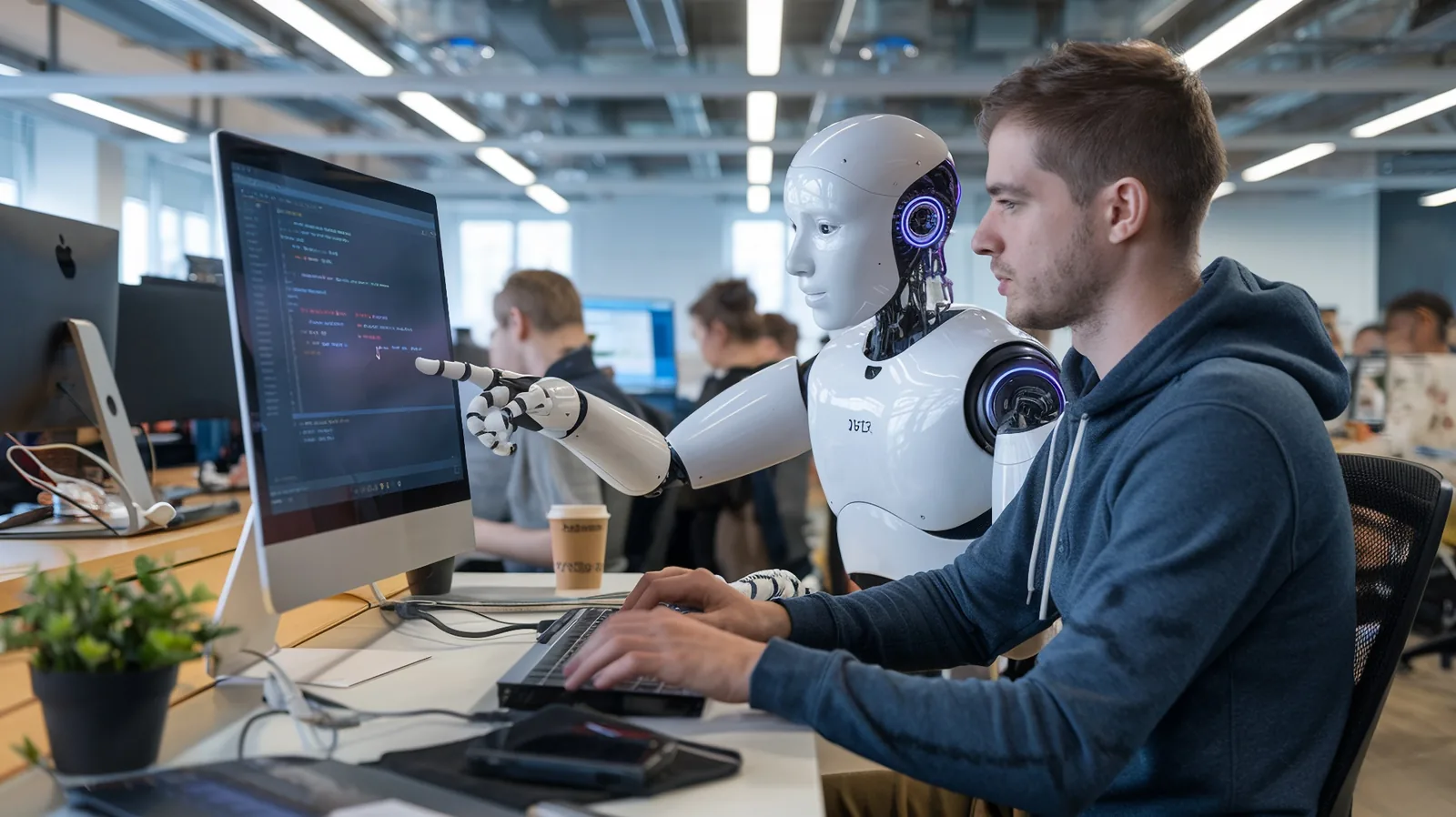
In this article, we will examine which job positions are currently in highest demand in the global market.
AI Engineer
An AI Engineer is responsible for developing and integrating artificial intelligence systems into the product environment. Their tasks include working with language models, machine learning algorithms, API integrations, and configuring the interaction of AI with applications and services.
The main focus of this role is ensuring the operability of AI systems under real-world conditions. This includes response stability, resilience to load, request processing speed, and correct model behavior in various usage scenarios.
Machine Learning Engineer
A Machine Learning Engineer develops machine learning models, trains them on data, and adapts them to specific business tasks. They are involved in selecting algorithms, tuning parameters, evaluating model quality, and implementing them into product solutions.
The role is oriented towards building systems that use data for prediction, classification, personalization, and process automation.
AI Product Manager
An AI Product Manager determines the application of artificial intelligence in the product and is responsible for defining requirements for AI functionality. They interact with technical teams, analyze user scenarios, and determine which tasks should be solved using AI.
This role sits at the intersection of product and technology and involves managing the implementation of AI as part of the overall product strategy.
AI Solutions Architect
An AI Solutions Architect designs the architecture of AI systems at the product or company level. They define the technical structure of solutions, select technologies, and ensure the compatibility of system components.
The task of this role is to create a scalable and robust infrastructure on which multiple AI services can operate simultaneously.
MLOps Engineer
An MLOps Engineer is responsible for the operation of machine learning models in a production environment. Their duties include deploying models, automating update processes, monitoring performance quality, and resolving failures.
This role is aimed at ensuring continuous and stable operation of AI systems after their development.
AI Ethics Officer
An AI Ethics Officer ensures that AI systems comply with requirements for security, transparency, and non-discrimination. They analyze model behavior and assess the risks of their application in various scenarios.
This profile is linked to increased regulation and the need to control decisions made by algorithms in sensitive areas.
Prompt Engineer
A Prompt Engineer works with language models and is responsible for the quality of their interaction with users through text queries. They test various formulations, analyze results, and optimize model behavior.
This field emerged due to the widespread adoption of LLMs and the need to manage the quality of their responses without modifying the model itself.
Data Scientist
A Data Scientist is engaged in data analysis, building models, and interpreting results for business tasks. They identify patterns, formulate hypotheses, and evaluate the effectiveness of data-driven solutions.
The position remains key because the quality of AI systems directly depends on the correctness of data analysis and preparation.
Data Engineer
A Data Engineer is responsible for creating and maintaining data infrastructure. They develop systems for collecting, storing, and processing information, ensuring its availability for analytics and model training.
The function of this role is to ensure a steady flow of high-quality data for all of the company's AI systems.
Robotics Engineer
A Robotics Engineer develops systems in which artificial intelligence is applied to control physical devices. This includes industrial robots, autonomous systems, and automated complexes.
The vacancy reflects the expansion of AI applications beyond digital products towards physical process automation.
The Tech on Telegram Follow The Tech on Telegram
Keep up with the latest technology and startup news.
Related reading




More from this author

Article Useful
How to protect your accounts from hacking: 8 settings you should check today
The Tech

Article Useful
500 Global: How the Accelerator Works and Who Can Receive Investments
The Tech

Article Interviews
Game Development in Central Asia: Arkady Moldavski on Developing Reverb and the Growth of the Industry
The Tech

Article Useful
Google, Tesla, BlackRock, and the IMF: Where to Apply for an Internship in Fall 2026
The Tech

News IT
Tesla unveiled the flying electric car Roadster
The Tech

News IT
Intero Biosystems startup won the Startup Battlefield at TechCrunch Disrupt 2026
The Tech